Is Aquarium Salt Safe for Betta Fish Tank
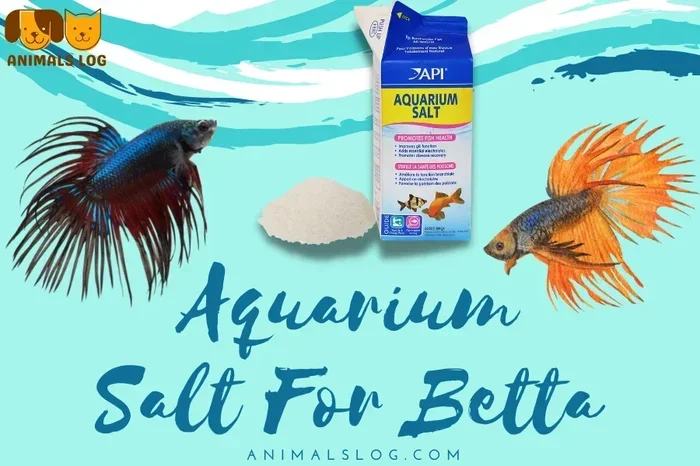
Aquarium salt can be safe for betta fish tanks when used correctly and in the right amount. It helps with wound healing, reduces stress, and fights certain parasites. However, too much salt can harm your betta, so understanding proper dosage and species sensitivity is essential.
Many betta fish owners wonder about using aquarium salt in their tanks. The question is aquarium salt safe for betta fish tank comes up constantly in online forums and pet store conversations. The short answer is yes, but with important caveats. Aquarium salt, when used properly, can offer real benefits for your betta. But misuse can lead to serious problems. This guide covers everything you need to know about adding salt to a betta fish tank safely.
Betta fish are freshwater creatures, but they originate from warm, slow-moving waters in Southeast Asia. In those natural habitats, the mineral content of the water varies. Some bettas live in areas with slightly brackish conditions. This background means they can tolerate small amounts of salt better than many other freshwater species. Still, every betta responds differently. Understanding how salt affects your fish is the first step toward making informed decisions.
Whether you are treating an illness, preventing disease, or simply curious about water additives, this article has you covered. We will explore the benefits, risks, correct dosage, and alternatives. By the end, you will feel confident about whether salt belongs in your betta tank.
Key Takeaways
- Moderate aquarium salt use is generally safe for healthy betta fish when dosed correctly.
- Aquarium salt differs from table salt and contains no harmful additives like iodine.
- Overdosing salt can damage betta gills and cause osmotic stress in freshwater fish.
- Salt baths and tank-level dosing serve different purposes and require different approaches.
- Live plants and certain tank mates may not tolerate salt, so consider your entire aquarium setup.
- Always monitor water parameters like pH and ammonia when using salt in a betta tank.
- Consult a vet or fish expert before using salt if your betta shows signs of illness.
📑 Table of Contents
- What Is Aquarium Salt and How Does It Work?
- Benefits of Using Aquarium Salt in a Betta Tank
- Is Aquarium Salt Safe for Betta Fish? Understanding the Risks
- How to Use Aquarium Salt Safely in a Betta Tank
- Common Mistakes Betta Owners Make With Aquarium Salt
- Alternatives to Aquarium Salt for Betta Fish Care
- Expert Insights and Final Recommendations
What Is Aquarium Salt and How Does It Work?
Aquarium salt is pure sodium chloride, free from additives like iodine or anti-caking agents found in table salt. It is specifically formulated for use in freshwater aquariums. Unlike table salt, aquarium salt does not contain chemicals that could harm your fish or disrupt water chemistry.
The way aquarium salt works is fascinating. It creates a mild osmotic environment around your fish. This helps reduce the stress on their gills and kidneys. Salt also supports the slime coat, which is your betta’s first line of defense against bacteria and parasites.
How Salt Affects Fish Osmosis
Fish constantly balance water and salts through their bodies. This process is called osmoregulation. In freshwater, fish naturally gain water and lose salts. Adding a small amount of aquarium salt to the tank reduces this workload. The fish spends less energy maintaining balance, which means more energy goes toward healing and staying healthy.
This is why many fish keepers use salt as a preventive measure. A low dose of salt can boost your betta’s overall resilience. It is especially helpful during transport, after handling, or when introducing a new fish to a tank.
Aquarium Salt vs. Table Salt vs. Sea Salt
Not all salts are the same. Here is a quick comparison of common salt types used in fish keeping:
- Aquarium Salt: Pure sodium chloride, no additives. Safe for freshwater tanks at proper doses.
- Table Salt: Contains iodine and anti-caking agents. These additives can harm fish and plants.
- Sea Salt: Contains trace minerals and varying salinity levels. Not ideal for freshwater betta tanks.
- Epsom Salt: Magnesium sulfate. Used for different purposes like treating bloating or constipation.
If you are considering adding anything to your tank, always choose pure aquarium salt. Avoid table salt at all costs. And if you have been wondering about sea salt, check out our article on can I use sea salt for my betta fish for more details.
Benefits of Using Aquarium Salt in a Betta Tank
When used correctly, aquarium salt offers several real advantages for betta fish. Let us look at the key benefits that make salt a popular tool among fish keepers.
Promotes Wound Healing
Betta fish can develop injuries from sharp decorations, fin nipping from tank mates, or fights. Salt helps speed up the healing process by supporting the regeneration of damaged tissue. A low concentration of salt in the water creates a better environment for cells to repair themselves. This is especially useful after handling or transporting your betta.
Fights External Parasites and Fungus
Many common fish parasites struggle to survive in slightly salted water. Salt disrupts the osmotic balance of single-celled parasites like ich and velvet. It also inhibits the growth of fungal infections on open wounds. Some fish keepers use salt as a gentle first line of defense before turning to stronger medications.
Reduces Stress and Supports Slime Coat
Stress weakens a betta’s immune system. Salt helps reduce the physiological stress caused by changes in water conditions. It also strengthens the slime coat, which protects against bacteria and parasites. A healthy slime coat means a healthier, more vibrant betta fish.
Aids in Nitrite Poisoning Recovery
If your tank experiences a spike in nitrite levels, salt can help. Nitrite binds to the blood and prevents oxygen transport. Salt helps counteract this effect by competing with nitrite at the gill level. This can be a lifesaver during cycling or after a filter failure.
Is Aquarium Salt Safe for Betta Fish? Understanding the Risks
Now let us address the core question directly. Is aquarium salt safe for betta fish tank? The answer depends on dosage, duration, and your specific setup. Aquarium salt is safe at low concentrations for short periods. But long-term use or high doses can cause problems.
Betta fish are freshwater fish. Their bodies are adapted to low-salinity environments. While they can tolerate small amounts of salt, they are not saltwater fish. Pushing the limits can lead to serious health issues.
Risks of Overdosing Aquarium Salt
Too much salt in a betta tank can cause osmotic stress. This happens when the salt concentration outside the fish’s body becomes too high. Water is pulled away from the cells, leading to dehydration and organ damage. Here are the key risks:
- Gill Damage: High salt levels irritate and damage delicate gill tissue. This impairs breathing and oxygen exchange.
- Dehydration: Salt draws water from the fish’s body, causing chronic dehydration over time.
- Loss of Slime Coat: Paradoxically, too much salt can strip away the protective slime coat.
- Plant Damage: Many live plants cannot tolerate salt and will begin to deteriorate.
- Invertebrate Harm: Snails, shrimp, and other invertebrates are very sensitive to salt.
If you are worried about whether salt might harm your betta, it helps to understand the difference between therapeutic dosing and preventive dosing. Therapeutic doses are higher but short-term. Preventive doses are very low and ongoing. Both require careful attention.
For more on whether salt can cause harm, check out our detailed guide on can aquarium salt harm your betta fish. It covers the signs of salt toxicity in detail.
When NOT to Use Aquarium Salt
There are clear situations where you should avoid adding salt to your betta tank:
- Your tank contains live plants that are salt-sensitive.
- You keep invertebrates like snails or shrimp with your betta.
- Your betta is already showing signs of severe illness or distress.
- You are using medications that interact negatively with salt.
- Your tank has poor water circulation, which can concentrate salt unevenly.
Always consider your entire tank ecosystem before adding salt. A decision that helps your betta might harm other inhabitants.
How to Use Aquarium Salt Safely in a Betta Tank
Using aquarium salt safely comes down to three things: the right amount, the right duration, and the right method. Let us walk through each one.
Correct Dosage Guidelines
The standard dosage for a betta tank depends on your goal. Here are the most common guidelines:
- Preventive Dose: 1 tablespoon per 5 gallons of water. This is a very low dose suitable for long-term use.
- General Treatment Dose: 1 tablespoon per 3 gallons. Use for short-term treatment of mild issues.
- Strong Treatment Dose: 1 tablespoon per 1 gallon. Only use for severe problems and limit to 3-5 days.
Always dissolve the salt in a separate container of tank water before adding it to the aquarium. Never dump dry salt directly into the tank. This prevents concentrated pockets that can burn delicate gill tissue.
Duration of Salt Use
Short-term salt treatments should last no more than 5 to 7 days. For preventive dosing, many keepers maintain a very low level continuously. However, it is a good practice to do regular water changes to prevent salt buildup over time. After completing a treatment, perform a partial water change to gradually remove the salt from the system.
Step-by-Step Salt Treatment Process
Here is a simple process for adding aquarium salt to your betta tank:
- Test your current water parameters including pH and ammonia.
- Calculate the correct amount of salt based on your tank size.
- Dissolve the salt in a cup of tank water.
- Add the dissolved salt slowly to the tank.
- Monitor your betta for any signs of stress over the next 24 hours.
- Continue monitoring water parameters daily during treatment.
- After treatment, do a partial water change to remove excess salt.
For a more detailed walkthrough of salt treatments, our article on how to do a salt bath for betta fish provides step-by-step instructions for targeted treatments.
Common Mistakes Betta Owners Make With Aquarium Salt
Even experienced fish keepers sometimes make mistakes with aquarium salt. Understanding these common errors can save your betta from unnecessary stress.
Using Table Salt Instead of Aquarium Salt
This is the most common mistake. Table salt contains iodine, which is harmful to fish in enclosed environments. It also has anti-caking agents that can cloud your water and introduce unwanted chemicals. Always use pure aquarium salt or kosher salt with no additives.
Adding Too Much Salt
More salt does not mean faster healing. In fact, exceeding the recommended dose can do more harm than good. Always measure carefully using a proper measuring spoon and calculate based on your tank volume, not just a handful of salt.
Leaving Salt in the Tank Indefinitely
Salt does not evaporate or get filtered out. It stays in the water until you remove it through water changes. Leaving salt in the tank permanently can lead to buildup and long-term health issues for your betta. Regular water changes are essential when using salt.
Ignoring Tank Mates and Plants
If your betta tank has live plants or invertebrates, salt can affect them too. Many common aquarium plants are sensitive to salt and will show signs of stress or melting. Always research how salt affects every inhabitant in your tank before adding it.
For more on compatible tank mates and whether salt affects them, visit our guide on what is a good tank mate for a betta fish.
Alternatives to Aquarium Salt for Betta Fish Care
Not every situation requires aquarium salt. There are several effective alternatives that can keep your betta healthy without adding any salt to the water.
Water Quality and Regular Maintenance
The best prevention for most fish diseases is clean water. Regular water changes of 25 to 50 percent weekly keep ammonia and nitrite levels low. A stable environment reduces stress and strengthens your betta’s immune system naturally.
Proper Diet and Nutrition
A balanced diet plays a huge role in your betta’s health. High-quality betta pellets, frozen bloodworms, and brine shrimp provide essential nutrients. A well-fed betta is better equipped to fight off infections and recover from injuries.
Medicated Treatments
For serious infections or parasites, medicated treatments may be more effective than salt alone. Products like malachite green, methylene blue, and praziquantel target specific pathogens. Always follow dosage instructions carefully and remove carbon from your filter during medication.
Temperature and Environment Control
Maintaining the correct temperature is crucial for betta health. A stable temperature between 76 and 82 degrees Fahrenheit keeps your betta’s immune system strong. For more on temperature, check out our article on what is the ideal temperature for betta fish.
Expert Insights and Final Recommendations
Veterinarians and experienced fish keepers generally agree that aquarium salt is a useful tool when applied correctly. The key is moderation and awareness. Here are the final recommendations from experts:
- Start with the lowest effective dose and increase only if needed.
- Always dissolve salt before adding it to the tank.
- Limit treatment duration to 5 to 7 days for therapeutic use.
- Perform water changes after treatment to remove residual salt.
- Monitor your betta closely for any signs of discomfort or stress.
- Keep a separate quarantine tank for treating sick fish with salt.
Using aquarium salt in your betta tank does not have to be complicated. With the right knowledge and careful application, it can be a safe and effective part of your fish care routine. The most important thing is to stay informed and always put your fish’s health first.
Remember that every betta is different. What works for one fish might not work for another. Pay attention to your individual betta’s behavior and adjust your approach accordingly. When in doubt, consult a qualified aquatic veterinarian or experienced fish keeper for personalized advice.
By following the guidelines in this article, you are well on your way to using aquarium salt safely and effectively. Your betta fish will thank you with vibrant colors, active behavior, and a long, healthy life.
Frequently Asked Questions
Can I use aquarium salt in my betta tank every day?
Low-dose aquarium salt can be used daily for preventive purposes, but it is best to do regular water changes to prevent buildup. A dose of 1 tablespoon per 5 gallons is generally considered safe for ongoing use, but monitor your water parameters closely.
What is the difference between aquarium salt and Epsom salt for betta fish?
Aquarium salt is sodium chloride, which helps with osmotic balance and parasite prevention. Epsom salt is magnesium sulfate, which is used to treat bloating, constipation, and swim bladder issues. They serve completely different purposes in betta care.
Will aquarium salt harm my betta’s live plants?
Many live plants are sensitive to salt and can show signs of stress or melting when salt is added to the tank. If you have a planted betta tank, use salt very sparingly or consider treating your betta in a separate quarantine tank instead.
How long should I keep aquarium salt in my betta tank during treatment?
Therapeutic salt treatments should last no more than 5 to 7 days. After completing the treatment, perform a partial water change to gradually remove the salt from the tank and prevent buildup.
Can aquarium salt cure ich in betta fish?
Aquarium salt can help manage mild ich infections by disrupting the parasite’s osmotic balance. However, for severe or persistent ich outbreaks, a dedicated fish medication may be more effective. Always monitor your fish closely during any treatment.
Is it safe to use aquarium salt with a betta that has open wounds?
Yes, a low dose of aquarium salt can promote wound healing and prevent infection. Just make sure the dosage is correct and monitor the wound daily. If the wound does not improve within a few days, consult a veterinarian for additional treatment options.