Is Alkaline Water Safe for Betta Fish
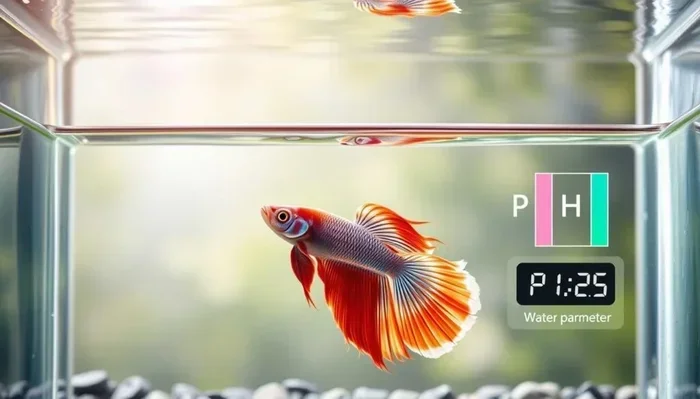
Alkaline water can be safe for betta fish if the pH stays between 6.5 and 8.0. Most bettas thrive in slightly acidic to neutral water. Using tap water with a conditioner and testing pH regularly helps keep your fish healthy and stress-free.
Keeping a betta fish healthy starts with one simple thing: the water. You might wonder, is alkaline water safe for betta fish? The short answer is yes, but with some important caveats. Alkaline water has a higher pH level, and while bettas can tolerate a range of pH values, keeping things stable matters most.
Many new fish owners panic when they hear the word “alkaline.” They think it means trouble. But the truth is, alkaline water for betta fish is not the enemy. What actually causes problems is a sudden shift in water chemistry. Your betta fish tank needs consistency more than it needs perfect numbers on a test strip.
In this guide, we will walk through everything you need to know about alkaline water and betta fish. We will cover safe pH levels, what happens when water is too alkaline, and how to adjust your setup for the best results. By the end, you will feel confident about your water choices.
Key Takeaways
- Alkaline water is not automatically dangerous for betta fish if pH stays within safe ranges.
- Betta fish prefer a pH between 6.5 and 7.5 for optimal health and comfort.
- Sudden pH changes are more harmful than a consistently alkaline environment.
- Testing your water regularly helps you catch pH problems early.
- Using a water conditioner removes harmful chemicals before adding water to the tank.
- Common mistakes include overcorrecting pH and ignoring other water parameters.
📑 Table of Contents
- What Is Alkaline Water?
- How Alkaline Water Affects Betta Fish
- Safe pH Levels for Betta Fish
- Signs Your Betta Fish Is Uncomfortable With Alkaline Water
- How to Adjust Water pH for Your Betta Fish
- Common Mistakes with Alkaline Water and Betta Fish
- Expert Insights on Alkaline Water and Betta Fish
- Final Thoughts
What Is Alkaline Water?
Alkaline water has a pH level above 7.0 on the pH scale. The scale runs from 0 to 14. A pH of 7.0 is neutral. Anything below 7.0 is acidic. Anything above 7.0 is alkaline or basic. Most tap water in the United States falls somewhere between 6.5 and 8.5 on the pH scale.
Alkaline water often contains dissolved minerals like calcium and magnesium. These minerals come from the ground and enter your water supply through natural rock formations. Some people drink alkaline water on purpose because they believe it has health benefits. But for betta fish, the mineral content and pH level matter a lot more.
When people ask, is alkaline water safe for betta fish, they are usually worried about the pH being too high. And that concern is valid. But “alkaline” is a broad term. Water with a pH of 7.5 is alkaline. Water with a pH of 9.0 is also alkaline. The difference between those two is huge for your fish.
How pH Affects Betta Fish
pH affects everything in your betta fish tank. It controls how well your fish can absorb nutrients. It impacts the effectiveness of beneficial bacteria. It even changes how toxic ammonia becomes. In alkaline water with a high pH, ammonia turns into ammonium, which is less toxic. But if the pH swings too much, the balance gets thrown off fast.
Betta fish are native to warm, slow-moving waters in Southeast Asia. Those waters tend to be slightly acidic to neutral. So a betta fish naturally lives in water with a pH around 6.5 to 7.0. That does not mean they cannot live in alkaline water. It just means you need to be careful and gradual.
How Alkaline Water Affects Betta Fish
So what really happens when you put betta fish in alkaline water? The answer depends on the pH level and how stable it stays. Let us break it down.
Water with a pH between 7.0 and 8.0 is generally safe for bettas. Many betta owners keep their tanks in this range without any problems. The fish swim normally, eat well, and show vibrant colors. Alkaline water for betta fish in this range is perfectly fine.
But when the pH climbs above 8.0, things get tricky. High alkalinity can cause several issues:
- Stress: Betta fish become stressed when water chemistry feels wrong to them. Stressed fish are more likely to get sick.
- Damaged gills: Very alkaline water can irritate the delicate gill tissue. This makes it harder for your fish to breathe.
- Slime coat damage: Betta fish have a protective slime coat. High pH can break down this layer, leaving them vulnerable to infections.
- Behavior changes: Fish in uncomfortable water may hide, refuse food, or swim erratically.
The biggest danger is not the alkaline water itself. It is the pH fluctuation. If your water swings from 7.0 to 8.5 in a single day, your betta will struggle. Stable alkaline water is far less harmful than unstable water at any pH level.
Can Betta Fish Survive in Alkaline Water Long Term?
Yes, betta fish can survive in alkaline water long term if the pH stays steady. The key is stability. A betta in water with a consistent pH of 7.8 will often do better than a betta in water that bounces between 6.5 and 8.0 every few days.
That said, you should aim for a pH range that matches your betta’s natural habitat as closely as possible. Most experts recommend keeping the pH between 6.5 and 7.5 for the best health and longest lifespan. If your water is naturally alkaline, you can still keep bettas. You just need to take a few extra steps to manage the pH.
Safe pH Levels for Betta Fish
Understanding the ideal pH range for betta fish helps you answer the question, is alkaline water safe for betta fish, with real confidence. Here is what you need to know.
| pH Range | Classification | Safe for Bettas? |
|---|---|---|
| 6.0 – 6.5 | Slightly Acidic | Yes, ideal range |
| 6.5 – 7.0 | Neutral to Slightly Acidic | Yes, excellent range |
| 7.0 – 7.5 | Neutral to Slightly Alkaline | Yes, safe |
| 7.5 – 8.0 | Moderately Alkaline | Yes, but monitor closely |
| 8.0 – 8.5 | Alkaline | Risky, adjust if possible |
| Above 8.5 | Highly Alkaline | Not recommended |
The sweet spot for most betta fish is between 6.5 and 7.5. This range supports healthy digestion, strong immunity, and bright colors. If your tap water runs alkaline, you do not necessarily need to panic. But you should test it and know what you are working with.
Why pH Stability Matters More Than the Number
Here is something many beginners do not realize. A stable pH of 7.8 is safer than a fluctuating pH that swings between 7.0 and 8.0. Why? Because betta fish adjust to their environment over time. Their bodies slowly regulate internal chemistry to match the water around them.
When the pH keeps changing, your fish never gets a chance to adjust. That constant shifting causes stress. And stress leads to disease. So before you chase the perfect pH number, focus on keeping things steady first.
You can test your water with a liquid test kit or test strips. Liquid kits tend to be more accurate. Test your water at least once a week. This habit alone will prevent most pH-related problems in your betta fish tank.
Signs Your Betta Fish Is Uncomfortable With Alkaline Water
Betta fish cannot tell you when something is wrong. But they show signs. Learning to read these signals helps you catch problems early.
Watch for these common symptoms if you suspect your alkaline water is causing issues:
- Gasping at the surface: This is a classic sign of water stress. Your fish may look like it is struggling to breathe.
- Faded colors: A healthy betta has bright, vivid colors. Dullness can signal discomfort.
- Clamped fins: When a betta holds its fins close to its body, it often means something is wrong.
- Loss of appetite: Refusing food for more than a day or two is a red flag.
- Lethargy: If your normally active betta hides or stays still, check your water parameters.
- White spots or patches: These can indicate ich or fungal infections, which thrive in stressed fish.
If you notice any of these signs, test your water pH right away. You may also want to check ammonia, nitrite, and nitrate levels. Sometimes the problem is not the alkaline water itself. It is a combination of factors that throws your tank off balance.
Quick Tips for Monitoring Water Quality
- Test your water at the same time each week for consistent comparisons.
- Keep a log of your pH readings. Trends are easier to spot in writing.
- Do not rely only on test strips. Liquid kits give more precise results.
- Check your tank temperature too. Bettas prefer water between 78 and 80 degrees Fahrenheit.
- If you use tap water for your betta fish, always let it sit for 24 hours or use a conditioner to remove chlorine.
How to Adjust Water pH for Your Betta Fish
If your water is too alkaline for your betta fish, you have options. You do not need to replace all your water at once. In fact, doing that can shock your fish. Instead, make small, gradual adjustments over time.
Method 1: Use a Water Conditioner
Water conditioners are the easiest way to improve tap water for your betta. A good conditioner removes chlorine, chloramine, and heavy metals. Some conditioners also help buffer the pH. If you are using tap water, using tap water conditioner for betta fish should be your first step.
Look for conditioners specifically designed for betta fish or tropical aquariums. These products are gentle and effective. They make tap water safe without drastically changing the pH.
Method 2: Driftwood or Catappa Leaves
Natural items like driftwood and catappa leaves slowly release tannins into the water. These tannins lower the pH over time. They also add a natural, calming look to your tank. Many betta owners love this approach because it is chemical-free and gentle.
Just drop a piece of driftwood or a few catappa leaves into your tank. Monitor the pH over the next few days. You should see a slow, steady drop. This method works best for mild alkalinity.
Method 3: CO2 Injection
For more advanced setups, CO2 injection is a powerful way to lower pH. Carbon dioxide dissolves in water and forms carbonic acid. This gently brings the pH down. CO2 systems are more common in planted tanks, but they work well for betta tanks too.
Be careful with CO2. Too much can drop the pH too fast, which is dangerous. Use a regulator and monitor your levels closely. If you are new to aquarium keeping, start with simpler methods first.
Method 4: Reverse Osmosis Water
Reverse osmosis (RO) water is very pure. It has almost no minerals or dissolved solids. Using RO water gives you a blank canvas. You can then adjust the pH and mineral content exactly how you want it.
If you are considering RO water, check out is reverse osmosis water good for betta fish to learn more about how to use it safely. RO water alone is too pure for bettas. You need to remineralize it before adding it to your tank.
What Not to Do When Adjusting pH
There are some common mistakes that betta owners make when trying to fix alkaline water. Avoid these at all costs:
- Do not change more than 0.5 pH points per day. Larger swings can kill your fish.
- Do not use pH adjusters recklessly. Overdosing chemical adjusters can crash your tank.
- Do not ignore your tap water source. If your tap water is naturally alkaline, you need to work with it, not fight it.
- Do not change all the water at once. Always change 10 to 25 percent of your tank water per week.
If you are unsure about your water source, check out what kind of water is best for betta fish to get a broader picture of safe water options for your aquarium.
Common Mistakes with Alkaline Water and Betta Fish
Even experienced fish keepers make mistakes. Here are the most common errors people make when dealing with alkaline water and betta fish.
- Assuming all alkaline water is the same. Water with a pH of 7.5 behaves very differently from water with a pH of 9.0. Know your numbers.
- Testing only once. A single test gives you a snapshot, not the full picture. Regular testing reveals trends.
- Ignoring water hardness. Hard water is often alkaline. But hardness and pH are not the same thing. Test for both.
- Overcorrecting with chemicals. It is tempting to dump in pH down solution. But slow and steady wins the race.
- Forgetting to cycle the tank. Alkaline water does not replace the need for a properly cycled tank. Beneficial bacteria still need to establish themselves.
If you are using well water or spring water, make sure you understand its mineral content first. You can read more about can you use well water for a betta fish to see if your water source is a good fit.
Expert Insights on Alkaline Water and Betta Fish
We asked experienced betta keepers what they think about alkaline water. Here is what they shared.
“I have kept bettas in alkaline water for years. My tap water runs around 7.8 pH. As long as I do regular water changes and use a good conditioner, my fish have been healthy and colorful.” – Sarah M., Betta Enthusiast
“The biggest mistake I see is people trying to force their water to a specific pH. Stability matters way more than hitting a magic number. My bettas do great in my naturally alkaline water.” – James T., Aquarium Hobbyist
“If your water is alkaline, test it first. Then decide if you need to adjust. Sometimes the best thing you can do is nothing at all. Just keep things stable.” – Dr. Linda Chen, Aquatic Veterinarian
These expert opinions reinforce a simple truth. Alkaline water is not the enemy. Unstable water is. Focus on consistency, test regularly, and make changes gradually.
Final Thoughts
So, is alkaline water safe for betta fish? Yes, in most cases. As long as the pH stays below 8.0 and the water remains stable, your betta should do just fine. The most important things you can do are test your water regularly, use a quality conditioner, and make any adjustments slowly.
Remember, every betta fish is different. Some tolerate alkaline water better than others. Some thrive in slightly acidic water. The best approach is to know your water, watch your fish, and respond to what you see.
Do not let the fear of alkaline water stop you from keeping beautiful bettas. With the right knowledge and a little patience, you can create a safe and comfortable home for your fish no matter what your tap water looks like.
If you want to explore more water options, check out can you use tap water for your betta fish for a detailed guide on making tap water safe. You can also learn about can you put alkaline water in a fish tank betta for more specific advice on managing alkaline setups.
Your betta fish deserves a healthy home. And now you have the knowledge to give it one. Test your water, adjust with care, and enjoy watching your betta thrive.
Frequently Asked Questions
Can betta fish live in water with a pH of 8.0?
Yes, betta fish can live in water with a pH of 8.0, but it is at the upper edge of the safe range. Monitor your fish closely for signs of stress. If possible, try to bring the pH down slightly for optimal comfort and long-term health.
How do I know if my water is too alkaline for my betta fish?
Test your water with a liquid test kit or reliable test strips. A pH above 8.0 is considered too alkaline for most bettas. Watch for symptoms like gasping, clamped fins, faded colors, or loss of appetite, which can indicate your fish is uncomfortable.
Can I use alkaline water conditioner for my betta fish tank?
Yes, many water conditioners are designed to work with alkaline water. They remove harmful chemicals like chlorine and chloramine. However, conditioners do not always change the pH significantly. You may need additional methods to adjust the pH if it is too high.
What is the fastest way to lower pH in a betta fish tank?
The fastest way is to use a liquid pH adjuster designed for aquariums. But speed can be dangerous. Always lower pH gradually, no more than 0.5 points per day. Sudden changes can shock or kill your betta fish. Natural methods like driftwood work more slowly but are safer.
Is it okay to keep betta fish in well water that is alkaline?
Well water can be alkaline and may contain high mineral levels. Before using well water, test it for pH, ammonia, nitrites, and hardness. You may need to treat it with a conditioner or blend it with filtered water to make it safe for your betta.
Do betta fish prefer acidic or alkaline water?
Betta fish naturally prefer slightly acidic to neutral water, with a pH between 6.5 and 7.5. However, they are adaptable and can live in mildly alkaline water if it stays stable. The key is consistency, not matching their natural habitat exactly.