Is a Siamese Fighting Fish a Betta Fish
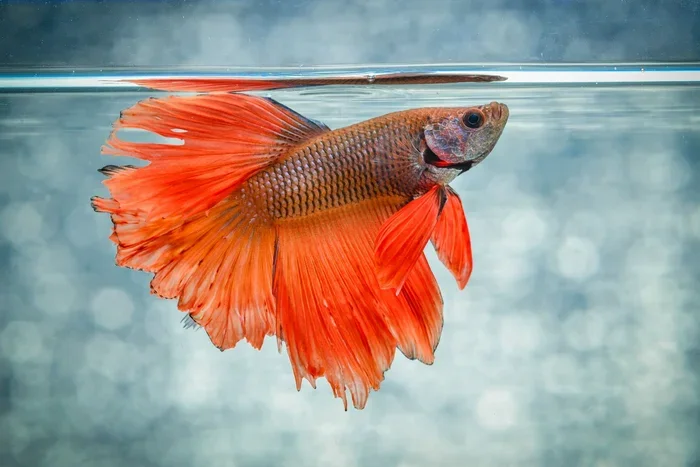
Yes, a Siamese fighting fish is a betta fish. They are the same species known as Betta splendens, famous for their bright colors and flowing fins. People use both names interchangeably, and they share the same care needs, personality, and history.
You have probably seen them in small cups at the pet store. Their bright colors and long, flowing fins catch your eye right away. But have you ever wondered, is a Siamese fighting fish a betta fish? The short answer is yes. They are the same fish. The longer answer is even more interesting.
The Siamese fighting fish and the betta fish share everything. They belong to the same species called Betta splendens. People around the world use both names. Some call them fighting fish. Others call them bettas. No matter what you call them, they are one of the most popular aquarium fish on the planet.
If you are thinking about getting one, or you already have one, this guide is for you. We will cover their history, care needs, fun facts, and common myths. By the end, you will know everything you need to keep your fish happy and healthy.
Key Takeaways
- A Siamese fighting fish and a betta fish are the same species: Both names refer to Betta splendens.
- The name comes from their history in Siam (Thailand): People there bred them for fighting centuries ago.
- They need warm water and a proper tank: A heater and at least a 5-gallon tank keep them healthy.
- Male bettas build bubble nests: This is a natural behavior that shows they are happy and healthy.
- They can live 3 to 5 years: Good care and proper tank conditions help them reach their full lifespan.
- They are not aggressive toward humans: Despite the “fighting fish” name, they are peaceful pets when housed correctly.
- There are many color varieties and fin types: Selective breeding has created stunning diversity in betta fish colors.
📑 Table of Contents
What Is a Siamese Fighting Fish?
A Siamese fighting fish is a small freshwater fish that comes from Southeast Asia. They belong to the family Gourami. Their scientific name is Betta splendens. The word “betta” comes from the Malay word “ikan betah,” which means “persistent fish.” That name fits perfectly because these fish are tough and adaptable.
In the wild, bettas live in shallow water. They can be found in rice paddies, flood plains, and slow-moving streams. They have a special organ called the labyrinth organ. This lets them breathe air directly from the surface. That is why they can survive in small amounts of water, unlike most other fish.
Why Are They Called Fighting Fish?
The name “fighting fish” comes from their history. In the 1800s, people in Siam (now Thailand) started breeding bettas for aggression. They would put two males in a container and watch them fight. People placed bets on the outcome. This became a popular hobby in the region. Over time, the fish became known as Siamese fighting fish.
Today, breeding bettas for fighting is illegal in most countries. Modern bettas are bred for their looks, not their aggression. Still, male bettas do like to defend their territory. That is why you should never put two males in the same tank.
The Answer: Yes, a Siamese Fighting Fish Is a Betta Fish
So, is a Siamese fighting fish a betta fish? Absolutely. The terms are completely interchangeable. “Siamese fighting fish” is the common name. “Betta fish” or “betta” is the shortened, everyday name. Both refer to the same species, Betta splendens.
Sometimes people get confused because they see different terms used. A male betta fish is often called a Siamese fighting fish because of his aggressive nature. Female bettas are less aggressive but are still the same species. Some people also use the word “fighting fish” to describe other Betta species, but when most people say it, they mean the common pet betta.
Here is a simple way to think about it:
- Siamese fighting fish = the full, traditional name
- Betta fish = the shorter, modern name
- Betta splendens = the scientific name
All three names point to the same beautiful fish. You can use any of them and everyone will know what you mean.
The History Behind the Name
The story of the Siamese fighting fish goes back over 150 years. In the mid-1800s, people in what is now Thailand began catching wild bettas and breeding them. They noticed that males were especially territorial. Instead of fighting to the death in the wild, they developed a culture around watching these fish compete.
In 1840, a Thai doctor named Dr. Theodore Cantor received some bettas from local people. He gave them their scientific name, Betta splendens. From there, the fish spread to other parts of Asia and eventually to the rest of the world.
The fish arrived in the Western world in the late 1800s and early 1900s. By the 1960s, they were popular pets in the United States and Europe. Today, bettas are the second most popular aquarium fish after goldfish. Their popularity continues to grow because of their stunning colors and relatively easy care.
How to Care for a Siamese Fighting Fish
Caring for a betta fish is not as hard as many people think. But they do have specific needs. If you give them the right environment, they will thrive and live a long, happy life.
Tank Size and Setup
Many people keep bettas in tiny cups or bowls. This is a common mistake. A betta fish tank should be at least 5 gallons. Larger tanks are even better because they keep water conditions more stable. A 5-gallon tank is the minimum for a single betta. You can find great options at what is the best tank size for a betta fish if you want more details.
Your tank should have a filter and a heater. Bettas are tropical fish and need warm water. The ideal temperature range is between 76 and 82 degrees Fahrenheit. If the water gets too cold, your fish can become stressed and sick. You can learn more about the right temperature at what is the best temperature for a betta fish tank.
Water Quality and Maintenance
Clean water is essential for your betta’s health. You should do partial water changes every week. Replace about 25 to 30 percent of the water. This removes waste and keeps harmful chemicals from building up.
Use a water conditioner to remove chlorine and chloramine from tap water. These chemicals are safe for humans but toxic to fish. Test your water parameters regularly. Ammonia and nitrite should always read zero. Nitrate should stay below 20 parts per million.
Feeding Your Betta
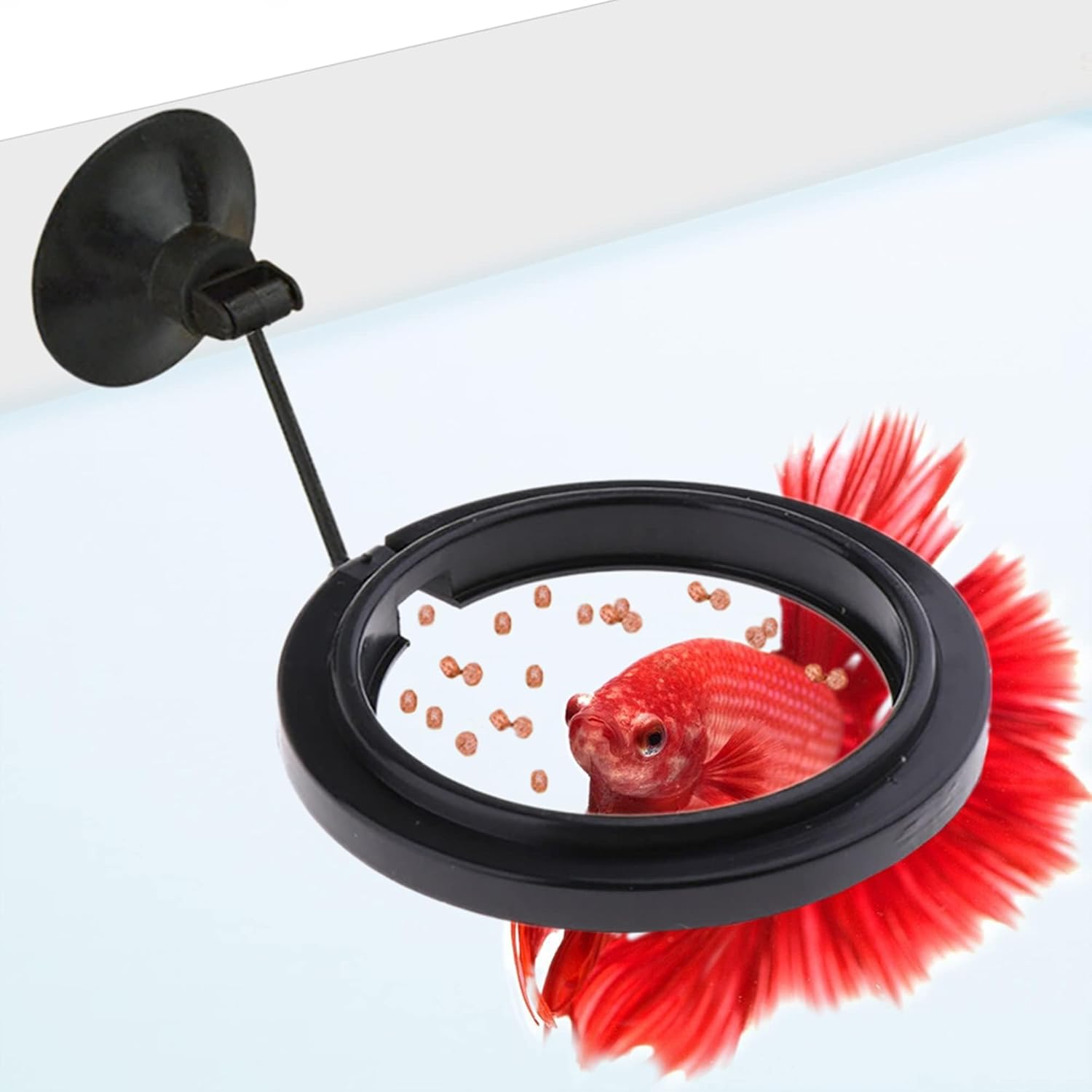
Betta fish are carnivores. They need a protein-rich diet. High-quality betta pellets should be their staple food. You can supplement with frozen or live foods like brine shrimp and bloodworms. Feed your betta twice a day, giving only what they can eat in two minutes.
Overfeeding is one of the most common mistakes betta owners make. Excess food rots in the tank and pollutes the water. This can lead to health problems and a shorter lifespan.
Tank Mates and Compatibility
Male bettas are best kept alone. Their long fins make them targets for nippy fish. Female bettas can sometimes live together in groups called sororities. If you want to add other fish, choose peaceful species that do not bother the betta’s fins.
Good tank mates include corydoras catfish, small tetras, and snails. Before adding any new fish, research compatibility carefully. You can find helpful guidance at what is a good tank mate for a betta fish.
Betta Fish Lifespan
With proper care, a betta fish can live between 3 and 5 years. Some well-cared-for bettas have even reached 7 years. The key factors that affect lifespan include water quality, diet, and stress levels. Keeping the tank clean and the environment stable will help your fish live a full life.
If you want to learn more about how long bettas live, check out how long is a betta fish life span for in-depth information.
Bubble Nest Behavior
One of the most fascinating behaviors in bettas is bubble nest building. Male bettas blow tiny bubbles on the water surface and stick them together. This creates a floating nest. A bubble nest means your betta is happy and healthy. It is a sign that he feels safe and ready to breed.
If your betta is not making a bubble nest, that is okay too. Not all bettas build nests regularly. Some build them only when conditions are perfect. If you are curious about why your betta makes bubbles, you can read more at why is my betta fish making a bubble nest.
Fun and Fascinating Facts About Siamese Fighting Fish
Bettas are full of surprises. Here are some fun facts that make them even more amazing:
- They come in many colors: Wild bettas are usually dull green and brown. Through selective breeding, we now have red, blue, purple, orange, white, and even multicolored varieties.
- They have different fin types: Veil tail, crown tail, double tail, halfmoon, and plakat are just a few of the many fin shapes available.
- They can recognize their owners: Bettas can learn to associate their owner with feeding time. Some even swim to the front of the tank when they see you.
- They are labyrinth fish: Their labyrinth organ allows them to gulp air from the surface. This is why they can survive in low-oxygen water.
- Each betta has a unique personality: Some are shy and hide a lot. Others are bold and swim right up to the glass. No two bettas are exactly alike.
- They are intelligent: Bettas can learn simple tricks. Some owners train their bettas to swim through hoops or follow their finger.
Common Myths About Siamese Fighting Fish
There are many myths about bettas that just will not go away. Let us clear up some of the most common ones.
Myth 1: Bettas Can Live in Tiny Bowls
This is the biggest myth about bettas. While they can survive in small containers for a short time, they will not thrive. A tiny bowl does not give them enough space to swim or explore. It also makes it hard to maintain stable water conditions. Always give your betta at least a 5-gallon tank.
Myth 2: Bettas Do Not Need a Heater
Bettas are tropical fish. They need warm water to stay healthy. Room temperature water is usually too cold. A heater is an essential part of betta care. Without proper warmth, bettas become sluggish and prone to illness.
Myth 3: Bettas Are Aggressive Toward Humans
The “fighting fish” name scares some people away. But bettas are not aggressive toward their owners. They are peaceful pets that can even become friendly over time. The aggression is directed at other male bettas, not at people.
Myth 4: Bettas Are Low-Effort Fish
While bettas are easier to care for than many fish, they still need attention. They need clean water, proper feeding, and a heated tank. Calling them “lazy fish” or “disposable pets” is unfair and untrue. They deserve the same care as any other aquarium fish.
Conclusion
So, is a Siamese fighting fish a betta fish? Yes, without a doubt. They are the same species, the same beautiful pet, and the same beloved member of the aquarium hobby. Whether you call them a Siamese fighting fish or a betta, they bring color, personality, and joy to any home.
These fish have a rich history and fascinating care needs. They are not just pretty faces. They are intelligent, resilient, and full of character. With the right tank setup, a good diet, and regular maintenance, your betta will reward you with years of companionship.
Now that you know the truth about Siamese fighting fish and bettas, you can share this knowledge with others. The more people understand these amazing fish, the better care they will receive. Give your betta the home he deserves, and you will have a loyal aquatic friend for years to come.
Frequently Asked Questions
Are a Siamese fighting fish and a betta fish the same thing?
Yes, they are exactly the same species. Both names refer to Betta splendens. “Siamese fighting fish” is the traditional name, while “betta fish” is the more common modern term. You can use either name and everyone will understand what you mean.
Why is a betta fish called a Siamese fighting fish?
The name comes from their history in Siam, which is now Thailand. People there bred bettas for fighting competitions centuries ago. Male bettas are naturally territorial and will flare at other males. This aggressive behavior gave them the “fighting fish” nickname.
Can a male and female Siamese fighting fish live together?
It is possible but risky. Male and female bettas should only be kept together temporarily for breeding. Even then, they need close monitoring. In most cases, it is safest to keep male bettas alone in their own tank. Female bettas can sometimes live in small groups.
What is the lifespan of a Siamese fighting fish?
A well-cared-for Siamese fighting fish can live between 3 and 5 years. Some bettas have been known to reach 7 years with excellent care. Water quality, diet, and tank conditions all play a big role in how long your fish lives.
Do Siamese fighting fish need a heater?
Yes, absolutely. Siamese fighting fish are tropical fish. They need water temperatures between 76 and 82 degrees Fahrenheit. A heater keeps the water at a stable, warm temperature. Without a heater, your betta can become stressed and develop health problems.
Are Siamese fighting fish good beginner pets?
Yes, they are a great choice for beginners. They are hardy, colorful, and relatively easy to care for. However, they still need proper setup including a heated tank, a filter, and regular water changes. They are not “no-effort” pets, but they are forgiving of minor beginner mistakes.