Is 80.4 Okay Temp for Betta Fish Tank
80.4°F is generally okay for a betta fish tank and falls within the safe range for most bettas. However, the ideal betta temperature sits between 78°F and 80°F, so 80.4°F is slightly above the sweet spot. Monitor your fish closely for signs of stress, and use a reliable aquarium thermometer to keep things consistent.
You just checked your betta tank thermometer and saw 80.4. Now you are sitting there wondering, “Is 80.4 okay temp for betta fish tank?” It is a fair question. Betta fish are tropical creatures, and their water temperature plays a huge role in how they feel, look, and behave. A few degrees can make all the difference.
The good news is that 80.4°F is not dangerous. It is close to the ideal range for bettas. But “close” does not always mean “perfect.” In this guide, we will break down exactly what 80.4 means for your betta, when it becomes a problem, and how to keep your fish tank at the right temperature. Let us dive in.
Key Takeaways
- 80.4°F is within the safe range for betta fish but sits just above the ideal zone.
- The ideal betta temperature is 78–80°F, which supports energy, color, and appetite.
- Temperatures above 82°F can stress bettas and lead to health problems like oxygen deprivation.
- A good tank heater with a thermostat helps maintain stable water temperature.
- Watch for behavioral changes like lethargy or rapid gilling that signal temperature issues.
- Consistency matters more than the exact number — avoid sudden temperature swings.
📑 Table of Contents
- Understanding Betta Fish Temperature Needs
- Is 80.4°F Too Hot for a Betta Fish Tank?
- How to Maintain the Right Temperature for Your Betta
- Signs Your Betta Is Uncomfortable with the Temperature
- Quick Tips for Keeping Your Betta Tank at the Right Temperature
- Common Mistakes Bettas Owners Make with Temperature
- How Does 80.4°F Compare to Other Common Temperatures?
- Final Thoughts on 80.4°F for Your Betta Tank
Understanding Betta Fish Temperature Needs
Betta fish come from warm, shallow waters in Southeast Asia. They are tropical fish that thrive in steady, warm conditions. Their bodies are cold-blooded, which means they rely on the water around them to regulate their temperature. This is why betta fish temperature matters so much.
A betta kept in water that is too cold will become sluggish and prone to illness. A betta kept in water that is too hot will become stressed and may struggle to breathe. Finding the right balance is the key to a happy, healthy fish.
What Is the Ideal Temperature for Betta Fish?
Most experts agree that the ideal betta temperature is between 78°F and 80°F. This range supports normal activity, vibrant colors, a healthy appetite, and strong immunity. At 80.4°F, you are just a hair above this zone. For most bettas, that is perfectly fine.
However, every fish is a little different. Some bettas tolerate slightly warmer water better than others. Age, breed, and overall health all play a role. A young, active betta might handle 80.4 just fine, while an older fish might show signs of discomfort at that same temperature.
Why Temperature Stability Matters
It is not just about hitting the right number. Stability is just as important. A betta that lives at a steady 80°F will do much better than one that swings between 76°F and 82°F every day. Sudden changes in water temperature can shock your fish and weaken its immune system.
This is why a good betta fish tank setup includes a reliable heater and a thermometer. You want the environment to stay consistent day and night. Fluctuations are more dangerous than being a few degrees off from the ideal.
Is 80.4°F Too Hot for a Betta Fish Tank?
Here is the short answer: no, 80.4°F is not too hot. It is within the acceptable range. But let us look at this more carefully so you understand the full picture.
The safe temperature range for betta fish is roughly 76°F to 82°F. Anything below 76°F puts your fish at risk of cold stress. Anything above 82°F starts to reduce oxygen levels in the water and can cause overheating. At 80.4°F, you are comfortably inside that safe zone.
That said, 80.4 is on the warmer side. If your tank stays at this temperature for long periods, you should watch your fish closely. Some bettas will show subtle signs that the water is a touch too warm for their liking.
When 80.4°F Becomes a Problem
80.4°F is generally fine, but there are situations where it can become an issue. If your tank is small — say, under 5 gallons — warm water holds less oxygen. This can make it harder for your betta to breathe, even if the temperature itself is not extreme. A 5 gallon tank is the minimum recommended size for a betta, and it helps with oxygen exchange.
Also, if your room temperature is already warm and your heater is pushing the water even higher, you may end up with an environment that is too toasty. This is especially common in homes without air conditioning during summer months.
How to Maintain the Right Temperature for Your Betta
Keeping your betta tank at the right temperature is not complicated, but it does require a little attention. Here are the steps that actually work.
Use a Quality Aquarium Heater
A good heater is the backbone of any betta tank. Look for a submersible heater with an adjustable thermostat. You want to set it and forget it — mostly. The heater should match the size of your tank. A 5-watt heater works well for tanks up to 10 gallons.
Not all heaters are created equal. Cheap heaters can malfunction and send your water temperature skyrocketing or dropping dangerously low. Investing in a reliable brand pays off in peace of mind and fish health.
Add a Thermometer
You cannot manage what you do not measure. A simple stick-on thermometer or a digital probe gives you a clear reading of the water temperature at all times. Place the thermometer somewhere you can easily check it during your routine.
Some people rely on the heater’s built-in thermostat, but these are not always accurate. Having a separate thermometer gives you a second opinion and helps you catch problems early.
Monitor Room Temperature
Your room temperature affects your tank more than you might think. If your tank sits near a window, direct sunlight can raise the water temperature unexpectedly. Similarly, placing the tank near a drafty door or air vent can cause sudden drops.
Try to keep your betta tank in a stable room environment. Avoid spots with direct sunlight or cold drafts. A steady room temperature helps your heater do its job without working overtime.
Do Regular Water Changes
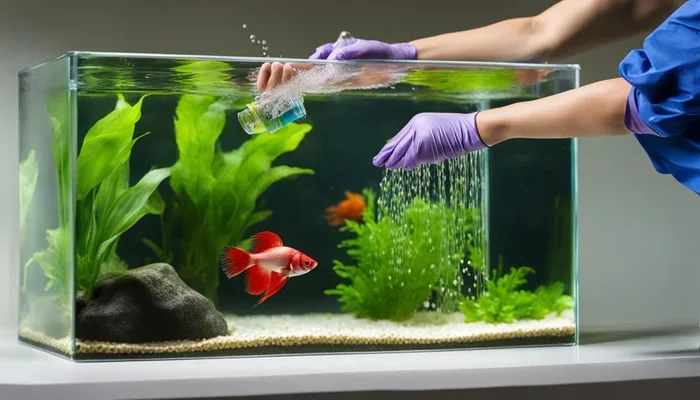
Water changes help regulate temperature and keep the tank clean. When you add new water, make sure it is close to the tank’s current temperature. Dumping cold water into a warm tank can create a temperature shock that stresses your betta.
A good rule of thumb is to match the temperature of the new water to the tank water before adding it. This small step makes a big difference in keeping your fish comfortable.
Signs Your Betta Is Uncomfortable with the Temperature
Bettas cannot tell you when something feels wrong. But they show it through their behavior. Learning to read these signs helps you catch temperature problems before they become serious.
Lethargy and Sluggish Movement
If your betta is barely moving and spends most of the time resting at the bottom of the tank, the water might be too cold. On the flip side, if the water is too warm, your betta might also become unusually still because warm water holds less oxygen.
Rapid Gilling or Gasping at the Surface
Watch your betta’s gills. If they are moving fast or your fish keeps coming to the surface to gulp air, the water might be too warm. Warm water cannot hold as much dissolved oxygen, and your betta will struggle to breathe.
Loss of Appetite
A betta that stops eating is telling you something is off. Temperature stress is a common cause. If the water is too warm or too cold, your fish may lose interest in food. Check the temperature first before assuming anything else.
Fading Colors
Healthy bettas display rich, vibrant colors. When a betta is stressed by temperature, its colors can fade. If you notice your fish looking dull or pale, the water temperature could be the culprit.
Quick Tips for Keeping Your Betta Tank at the Right Temperature
Here are some fast, practical tips you can start using today:
- Keep a thermometer on the tank and check it at least once a day.
- Set your heater to 78–80°F for the best results.
- Avoid placing the tank near windows or heat sources like radiators.
- Use a fan or aquarium chiller if your room gets very warm in summer.
- Do small, regular water changes to prevent temperature buildup.
- Match the temperature of new water to the tank before adding it.
- Consider a 5 gallon tank or larger for better temperature stability.
Common Mistakes Bettas Owners Make with Temperature
Even experienced fish keepers make mistakes. Here are a few to avoid.
Relying Only on the Room Temperature
Some people assume that if their room feels comfortable, the tank water will be too. That is not true. Water heats and cools much more slowly than air. A room that feels fine at 72°F might mean your tank is sitting at 75°F or lower, which is too cold for a betta.
Using a Heater That Is Too Small
A tiny heater in a large tank will struggle to maintain the right temperature. It will run constantly and may burn out. Match your heater wattage to your tank size for reliable performance.
Ignoring Temperature Swings at Night
Room temperature often drops at night, especially in winter. This can cause your tank water to cool down without you noticing. A heater with a thermostat helps prevent this, but you should still check the temperature before bed and first thing in the morning.
How Does 80.4°F Compare to Other Common Temperatures?
Let us put 80.4°F into context with a quick comparison.
| Temperature | Condition | Effect on Betta |
|---|---|---|
| Below 74°F | Too Cold | Lethargy, increased risk of illness |
| 76–78°F | Cool but Safe | Betta may be less active |
| 78–80°F | Ideal Range | Healthy activity, vibrant colors |
| 80–82°F | Warm but Acceptable | Generally fine for most bettas |
| Above 82°F | Too Hot | Stress, low oxygen, risk of illness |
| 80.4°F | Warm Acceptable | Fine for most, monitor closely |
As you can see, 80.4°F sits in the “warm but acceptable” zone. It is not ideal, but it is not dangerous either. Most bettas will do just fine at this temperature as long as everything else in the tank is well-maintained.
Final Thoughts on 80.4°F for Your Betta Tank
So, is 80.4 okay temp for betta fish tank? Yes, it is. The temperature is within the safe range and is only slightly above the ideal zone. Most bettas will live happy, healthy lives at 80.4°F without any issues at all.
The real key is not obsessing over one single number. What matters most is keeping the temperature stable, monitoring your fish for any signs of discomfort, and making sure your tank setup supports good water quality. A stable environment with clean water and consistent warmth is far more important than hitting the exact perfect degree.
If you notice your betta acting differently and you suspect the temperature might be the cause, take action quickly. Adjust the heater, check your thermometer, and give your fish some time to adapt. A little attention goes a long way in keeping your betta healthy and thriving.
For more tips on setting up the perfect environment for your betta, check out our guide on how to set up a fish tank for betta fish. And if you are curious about what the ideal temperature really is, read our article on what is the ideal temperature for betta fish. You can also learn more about what is the best temperature for a betta fish tank to make sure you are giving your fish the best home possible.
Frequently Asked Questions
Can betta fish live at 80.4°F long term?
Yes, most bettas can live at 80.4°F without any problems. It is slightly above the ideal range of 78–80°F, but it is still within the safe zone. Just keep an eye on your fish for any signs of stress and make sure the water stays consistent.
What should I do if my betta tank is at 80.4°F and my fish seems stressed?
If your betta shows signs of stress like gasping or lethargy, try lowering the temperature slightly. Adjust your heater down by one or two degrees and monitor your fish over the next 24 hours. Also check that your tank is not too small, as warm water holds less oxygen.
Is 80.4°F too warm for a betta in a small tank?
It can be. In tanks under 5 gallons, warm water holds less dissolved oxygen, which can make breathing difficult for your betta. If your tank is small and sitting at 80.4°F, consider using a small fan or performing more frequent water changes to help cool the water slightly.
How can I lower my betta tank temperature from 80.4°F?
You can turn down your heater by a degree or two. You can also do a partial water change with slightly cooler water — just make sure the new water is close to the tank temperature to avoid shock. Keeping the tank out of direct sunlight can also help.
Do betta fish need a heater if the room is already warm?
Yes, bettas need a heater even in warm rooms. Room temperature can fluctuate, especially at night. A heater keeps the water steady and prevents dangerous temperature swings. A thermostat-equipped heater is the best choice for consistent results.
What temperature is too hot for a betta fish?
Temperatures above 82°F start to become too hot for bettas. At these levels, oxygen drops significantly and your fish may experience stress, rapid gilling, and loss of appetite. Always aim to keep the water below 82°F for a healthy betta.