How Tough Are Betta Fish
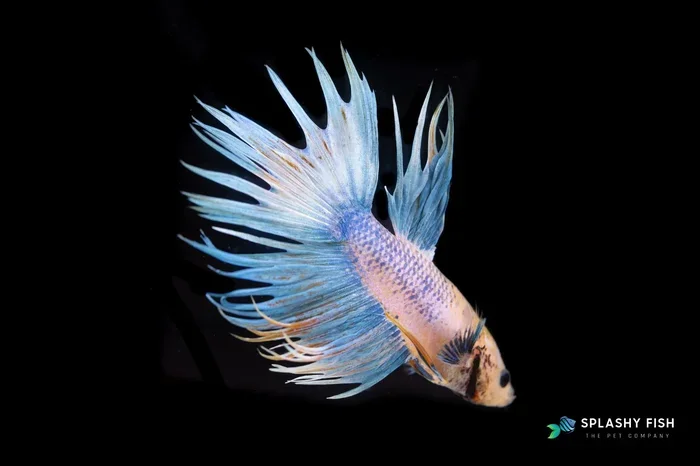
Betta fish are surprisingly tough creatures that can survive in harsh conditions where most fish would perish. Their natural adaptations make them resilient pets, but proper care still plays a huge role in their health and lifespan.
Betta fish have a reputation for being tough. You may have heard stories about them surviving in tiny cups, thriving in dirty water, or bouncing back from seemingly hopeless situations. But just how tough are betta fish, really?
The truth is more nuanced than you might think. These vibrant little creatures come from the warm, shallow waters of Thailand, Cambodia, and Vietnam. In the wild, they face droughts, pollution, and crowded habitats. Over thousands of years, they developed incredible survival mechanisms that make them stand out in the fish world.
That said, “tough” does not mean “indestructible.” Even the hardiest fish has limits. Understanding what makes bettas resilient and what pushes them to their breaking point is the key to keeping them healthy and happy.
In this guide, we will explore the real toughness of betta fish. We will look at their natural adaptations, their ability to handle stress, and what you can do to support their resilience. By the end, you will have a clear picture of how tough these fish really are and how to help them live their best life.
Key Takeaways
- Betta fish are naturally resilient: They have evolved to survive in low-oxygen, warm, and shallow waters in Southeast Asia.
- Their labyrinth organ gives them a survival edge: This unique breathing adaptation allows bettas to thrive in stagnant water conditions.
- Proper care extends their toughness: Even tough fish need clean water, a proper diet, and a suitable environment to truly thrive.
- Betta fish can recover from shock and stress: With the right conditions, they show remarkable healing and adaptation abilities.
- Understanding betta hardiness prevents common mistakes: Knowing their limits helps owners provide better care and avoid preventable health issues.
- Tank setup matters more than people think: A well-planned tank brings out the best in a betta’s natural resilience.
📑 Table of Contents
- What Makes Betta Fish So Tough?
- How Long Can Betta Fish Survive in Tough Conditions?
- Can Betta Fish Recover From Stress and Shock?
- How Long Do Betta Fish Live When Properly Cared For?
- Common Myths About Betta Fish Toughness
- How to Support Your Betta Fish Natural Toughness
- Final Thoughts on Betta Fish Toughness
What Makes Betta Fish So Tough?
Betta fish owe their reputation to a mix of biological superpowers and evolutionary history. Their natural habitat shaped everything about how they survive and thrive. Let us break down the key factors that make them so resilient.
The Labyrinth Organ: A Breathing Game-Changer
Most fish rely solely on gills to breathe. Betta fish have something extra — a special organ called the labyrinth organ. This allows them to breathe atmospheric air directly from the surface of the water.
This adaptation is a big deal. It means bettas can survive in water with very low oxygen levels. Other fish would suffocate in the same conditions. A betta, on the other hand, can just gulp some air and keep going.
This is why you often see your betta floating at the surface, taking quick breaths. It is not a sign of illness. It is simply how they were designed to work. This unique trait gives bettas a massive survival advantage in the wild and in home aquariums.
Small Size, Big Survival Skills
Betta fish are small, which works in their favor. They need less space, less food, and fewer resources to survive compared to larger fish species. In the wild, they thrive in rice paddies, flood plains, and shallow streams where bigger fish cannot survive.
Their small size also means they can hide more easily from predators. They slip into tight spaces, burrow into leaves, and navigate environments that would be impossible for larger fish.
In a home tank, this translates to a fish that is relatively low-maintenance. They do not need a massive aquarium to be healthy. A properly set-up 5-gallon tank is often enough for one betta to live a long and comfortable life.
How Long Can Betta Fish Survive in Tough Conditions?
Betta fish are known for their ability to endure less-than-ideal conditions. But there is a fine line between “surviving” and “thriving.” Let us look at what bettas can handle and where the limits lie.
Surviving Without Food
Healthy adult bettas can go without food for several days. Some sources suggest they can survive up to two weeks without eating, though this is not ideal. Their bodies are designed to handle periods of food scarcity, which comes from their natural habitat where meals are not always consistent.
However, skipping meals regularly can weaken your fish over time. A consistent feeding schedule keeps your betta strong and colorful. Most experts recommend feeding bettas once or twice a day with small portions they can eat in a few minutes.
Handling Temperature Fluctuations
Betta fish prefer warm water between 76°F and 82°F (24°C to 28°C). They can tolerate slight temperature drops, but prolonged exposure to cold water is dangerous. Cold water slows their metabolism and makes them vulnerable to illness.
In their natural habitat, bettas experience warm temperatures year-round. They have not evolved to handle cold conditions. If you live in a cooler climate, a small aquarium heater is essential. This is one area where bettas are NOT tough — they need consistent warmth to stay healthy.
Dealing With Poor Water Quality
Here is where things get tricky. Betta fish can tolerate slightly dirty water better than many other species. But this does not mean they thrive in it. Poor water quality leads to stress, weakened immunity, and disease over time.
Many people assume bettas do not need filters because they live in stagnant water in the wild. In reality, water filters are highly beneficial for betta tanks. They remove toxins, maintain stable parameters, and reduce the frequency of water changes. A gentle sponge filter is a great choice for betta tanks.
Can Betta Fish Recover From Stress and Shock?
One of the most impressive aspects of betta fish toughness is their ability to recover from stressful situations. Whether it is a sudden change in water parameters or a physical injury, bettas have shown remarkable recovery abilities when given the right care.
Bettas in Shock: What Happens and What to Do
Betta fish can go into shock from sudden temperature changes, rough handling, or aggressive tank mates. Signs of shock include lethargy, loss of color, and clamped fins. It can look very alarming, but bettas are surprisingly resilient.
With prompt care — stable warm water, a quiet environment, and minimal disturbance — many bettas recover from shock within hours or days. The survival rate for bettas in shock improves significantly when owners act quickly and correctly.
The Role of Stress in Betta Health
Chronic stress is the silent killer for betta fish. While a betta can bounce back from an acute stress event, ongoing stress wears them down. It suppresses their immune system and opens the door to infections and diseases.
Common sources of stress include:
- Tiny tanks or bowls with no room to swim
- Aggressive tank mates
- Bright, flashing lights
- Loud noises or vibrations near the tank
- Inconsistent water temperatures
Reducing these stressors is one of the best things you can do for your betta. A calm, stable environment lets their natural toughness shine through.
How Long Do Betta Fish Live When Properly Cared For?
Toughness and lifespan are closely connected. A betta that survives harsh conditions might live a shorter life than one that receives proper care. Let us look at what you can expect.
On average, betta fish live between 3 and 5 years. Some well-cared-for bettas have been known to reach 7 years or more. The key factors that influence lifespan include water quality, diet, temperature stability, and stress levels.
It is worth noting that bettas sold in pet stores are often very young, sometimes only a few months old. When you bring one home, you are not starting with a fish at the end of its life. You are getting a companion with several years of life ahead.
Interestingly, the lifespan of betta fish is closely tied to how tough they are in the first place. Fish that are raised in healthy conditions and fed properly develop stronger immune systems. They are better equipped to handle the occasional rough day.
If you are curious about how long bettas can be pregnant or how their reproductive cycle affects their overall health, you can explore more about betta fish pregnancy duration to understand their full life cycle.
Common Myths About Betta Fish Toughness
Betta fish have been around the block in terms of myths and misconceptions. Let us clear up some of the most common ones.
Myth 1: Bettas Can Live in a Tiny Bowl
This is the biggest myth of all. Yes, bettas are tough. But a tiny bowl with no filter, no heater, and no space is not a healthy environment. Even the hardiest fish suffers in cramped, unfiltered conditions.
A 5-gallon tank minimum is the standard recommendation. Larger tanks are even better. The extra space allows for stable water parameters and gives your betta room to explore and exercise.
Myth 2: Bettas Do Not Need a Filter
While bettas can survive in still water, they benefit greatly from a gentle filter. Filters help maintain clean water and reduce the buildup of harmful ammonia and nitrites. A sponge filter is ideal because it provides mechanical and biological filtration without creating too much water flow.
Myth 3: Bettas Are Invincible
No fish is invincible. Betta fish are tough compared to many other freshwater species, but they still have limits. Neglect, poor water quality, and stressful environments will eventually break down even the hardiest betta.
Think of their toughness as a buffer, not a free pass for poor care. It gives you more room for error, but it does not eliminate the need for proper husbandry.
How to Support Your Betta Fish Natural Toughness
The best way to help your betta stay tough and healthy is to set up their environment for success. Small changes in care routine can make a huge difference in their overall resilience and quality of life.
Keep the Water Clean and Stable
Regular water changes are the backbone of betta care. Aim for a 25-30% water change every week. This removes waste buildup and refreshes essential minerals. Always use a water conditioner to remove chlorine and chloramine from tap water before adding it to the tank.
Test your water parameters regularly. Ammonia and nitrite levels should always be at zero. Nitrate should stay below 20 ppm. Stable parameters mean a stress-free betta, and a stress-free betta is a tough betta.
Feed a Balanced Diet
A healthy diet is the foundation of a tough betta. In the wild, bettas are carnivorous predators. They eat insects, larvae, and small crustaceans. Replicate this diet as closely as possible at home.
High-quality betta pellets should form the base of their diet. Supplement with frozen or live foods like brine shrimp, bloodworms, and daphnia a few times a week. Variety keeps your betta nourished and interested in food.
Overfeeding is a common mistake. Bettas have small stomachs. Feed them only what they can consume in 2-3 minutes, once or twice a day. If you are unsure about feeding schedules, check out this guide on how often to feed betta fish for detailed advice.
Provide Enrichment and Hiding Spots
Betta fish are curious and intelligent. They appreciate a tank with plants, caves, and places to explore. Live plants like java fern and anubias are excellent choices because they are hardy and safe for bettas.
Hiding spots reduce stress by giving your betta a sense of security. When they feel safe, their immune system functions better, and their natural resilience kicks in more effectively.
Final Thoughts on Betta Fish Toughness
Betta fish are remarkably tough creatures. Their labyrinth organ, small size, and evolutionary history give them advantages that most freshwater fish simply do not have. They can handle short periods of neglect, recover from shock, and adapt to a wide range of conditions.
But toughness is not a substitute for good care. The best thing you can do for your betta is provide a clean, warm, and stress-free environment. Feed them well, keep their water stable, and give them space to thrive.
When you combine proper care with their natural resilience, you set the stage for a happy, healthy betta that can live a full and vibrant life. Their toughness is real — but it works best when paired with a little love and attention.
Remember, every betta is different. Some are naturally more robust than others. Genetics, early life conditions, and overall care all play a role. Pay attention to your individual fish, learn their quirks, and adjust your approach as needed. That is the best way to unlock the full toughness potential of your betta fish.
Whether you are a first-time betta owner or a seasoned hobbyist, understanding their resilience helps you become a better caretaker. The more you know about what makes them tough, the better equipped you are to support that toughness with the right environment and habits.
Frequently Asked Questions
Are betta fish really that tough compared to other fish?
Yes, betta fish are significantly tougher than most common freshwater fish. Their labyrinth organ allows them to breathe air, and their evolutionary history in harsh, shallow environments built in strong survival instincts. However, they still need proper care to truly thrive.
Can a betta fish survive without a filter in its tank?
A betta can survive without a filter, but it is not ideal. Filters help maintain clean water and stable parameters, which reduces stress and supports the fish’s natural resilience. A gentle sponge filter is a great low-flow option for betta tanks.
How do I know if my betta fish is stressed or in trouble?
Signs of stress include clamped fins, loss of color, lethargy, loss of appetite, and rapid breathing. If you notice these signs, check your water parameters and temperature first. Stress often comes from poor water quality or environmental factors rather than illness.
Can betta fish recover from being kept in poor conditions?
Many bettas can recover if moved to a proper tank with clean water and stable conditions. Their natural toughness gives them a better chance than most fish. However, prolonged neglect can cause irreversible damage, especially to organs and fins.
Do betta fish get tougher as they age?
Not necessarily. Young, healthy bettas tend to be the most resilient. As they age, their immune system can weaken, making them more vulnerable to illness. Consistent care throughout their life helps maintain their health and vitality at any age.
What is the single most important factor for keeping a betta fish tough and healthy?
Water quality is the number one factor. Clean, warm, stable water with zero ammonia and nitrite is the foundation of betta health. Everything else — diet, tank size, enrichment — builds on top of good water conditions. If the water is right, your betta has the best chance to stay strong and resilient.