How Toften to Feed Betta Fish
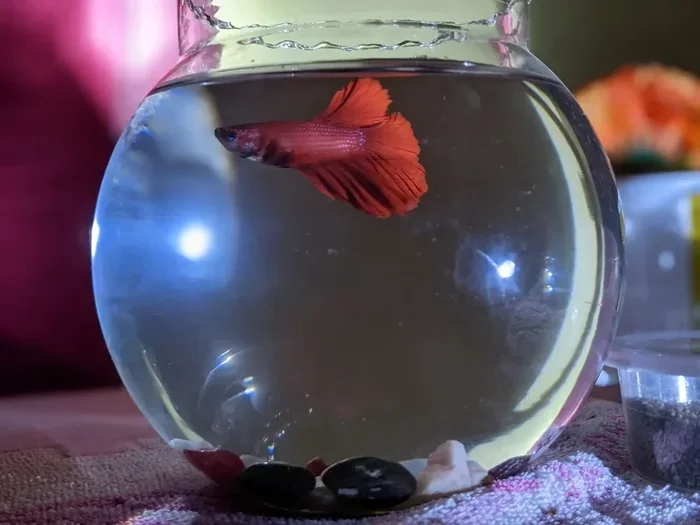
Feeding your betta fish the right way starts with knowing how often to feed betta fish. Most bettas do best with one to two small meals per day, but factors like age, size, and activity level can change that. This guide covers everything you need to build a simple, effective feeding routine that keeps your fish healthy and happy.
Keeping a betta fish healthy starts with one simple thing: food. But here is the thing most new fish owners get wrong. You cannot just throw a handful of flakes into the tank and call it a day. How often to feed betta fish plays a huge role in their overall health, color, and lifespan.
Betta fish are small but they have big dietary needs. Feed them too much and you risk dirty water, bloating, and serious health problems. Feed them too little and your fish loses energy and vibrancy. Finding the right balance is not as hard as it sounds. With a little knowledge and a consistent routine, you can keep your betta thriving for years.
This guide breaks down everything you need to know about your betta’s feeding schedule. We will cover how much food to give, what types of food work best, and how to handle tricky situations like vacation feeding or caring for baby bettas. By the end, you will feel confident and ready to feed your fish the right way every single day.
Key Takeaways
- Feed your betta 1-2 times daily: This is the sweet spot for most adult betta fish and mimics their natural eating patterns.
- Watch portion sizes carefully: Only give what your betta can eat in 2-3 minutes to avoid overfeeding and water pollution.
- Variety matters: Rotate between high-quality pellets, flakes, and occasional treats like bloodworms or brine shrimp for balanced betta fish nutrition.
- Adjust for special situations: Baby bettas, breeding fish, and fish on vacation all need different feeding approaches.
- Skip a day occasionally: A fasting day once a week helps prevent constipation and keeps your betta’s digestive system healthy.
- Signs of overfeeding are obvious: Cloudy water, bloated belly, and lethargy are red flags you should never ignore.
- Consistency beats perfection: A regular feeding schedule matters more than getting the exact amount perfect every single time.
📑 Table of Contents
- How Often Should You Feed Betta Fish?
- The Right Amount of Food for Your Betta
- Best Foods to Include in Your Betta’s Diet
- Signs You Are Feeding Your Betta Too Much or Too Little
- Special Feeding Situations
- Building the Perfect Feeding Routine
- Common Mistakes to Avoid
- Final Thoughts on Feeding Your Betta Fish
How Often Should You Feed Betta Fish?
The short answer is one to two times per day. Most experts agree that this frequency works best for adult betta fish. It matches their natural eating habits in the wild, where they snack on small meals throughout the day rather than gorging all at once.
But the answer is not always one-size-fits-all. Several factors can change how often you should feed your fish. Let us break them down.
Age Matters a Lot
Young betta fish, also called fry or juveniles, need more frequent meals than adults. Baby bettas should eat three to four times a day in tiny portions. Their stomachs are very small and they need constant fuel to grow properly. If you are raising baby bettas, check out our guide on how to feed betta fish fry for detailed tips.
Adult bettas over one year old do well with one to two meals daily. Senior fish, usually those over three years, may do better with one meal per day or even every other day. Always watch your fish and adjust based on their energy levels and appearance.
Activity Level and Tank Conditions
Bettas in warmer tanks with lots of plants and hiding spots tend to be more active. Active fish burn more calories and may need slightly more food. On the other hand, bettas in cooler or stressed environments may eat less. Keep your tank at the right temperature, between 78 and 80 degrees Fahrenheit, to support a healthy appetite.
If your fish seems disinterested in food, do not panic right away. Sometimes stress or water changes cause temporary appetite loss. Wait a day and try again before changing anything about the routine.
The Right Amount of Food for Your Betta
Now that you know how often to feed betta fish, let us talk about how much. This is where most people go wrong. The golden rule is simple: only give your betta what it can eat in two to three minutes.
For pellets, that usually means two to four pellets per meal. For flakes, a small pinch works well. The key is to start small and add more only if your fish finishes everything quickly.
Why Portion Control Is So Important
Betta fish have tiny stomachs. In fact, their stomach is roughly the size of their eye. That is pretty small when you think about it. Overfeeding fills up the stomach quickly and can cause serious problems.
When a betta eats too much, the extra food sinks to the bottom of the tank and rots. This releases ammonia and nitrates into the water. Dirty water leads to stressed fish, which leads to disease. The cycle starts fast and is hard to reverse.
Many owners also notice their betta becoming bloated or constipated from too much food. A bloated betta swims awkwardly and loses its vibrant colors. Preventing this is much easier than treating it.
How to Measure the Perfect Portion
Here is a simple trick that works for most betta owners. Use the eyeball test. Drop a few pellets into the tank and watch your fish eat. If there is any food left after three minutes, you gave too much. Remove the leftovers with a small net or siphon right away.
For a more precise approach, you can use a feeding ring. This keeps the food in one spot so your betta does not miss anything. It also makes it easier to see how much was actually eaten versus how much sank to the bottom.
Best Foods to Include in Your Betta’s Diet
Not all fish food is created equal. Bettas are carnivores by nature, which means they need protein-rich food to stay healthy. Cheap flake food full of fillers will not give your betta the nutrition it needs to thrive.
Let us look at the best food options and how they fit into your feeding routine.
| Food Type | Protein Content | Best For | Feeding Frequency |
|---|---|---|---|
| High-Quality Pellets | 35-45% | Daily staple | Every meal |
| Betta Flakes | 30-40% | Daily staple | Every meal |
| Frozen Bloodworms | High | Treat/supplement | 1-2 times per week |
| Brine Shrimp | High | Treat/supplement | 1-2 times per week |
| Daphnia | Medium-High | Digestive aid | Once per week |
| Live Mosquito Larvae | Very High | Special treat | Occasional |
High-quality pellets should make up the bulk of your betta’s diet. Look for brands that list whole fish or fish meal as the first ingredient. Avoid foods with lots of fillers like corn starch or wheat flour. These provide empty calories and can cause digestive issues.
Frozen and live foods make excellent treats. They mimic what bettas would eat in their natural habitat and add variety to their diet. Bloodworms and brine shrimp are fan favorites among betta keepers. Just remember that treats should only make up about 10-15% of the total diet.
If you ever run out of betta food and need alternatives, check out our article on what to feed betta fish besides fish food for safe and healthy options.
Signs You Are Feeding Your Betta Too Much or Too Little
Reading your betta’s body language is one of the best skills you can develop as a fish owner. Your fish will tell you a lot about whether the current feeding routine is working. Here are the key signs to watch for.
Signs of Overfeeding
- Cloudy or dirty water that smells bad shortly after feeding
- Uneaten food sinking to the bottom and decomposing
- Bloated or swollen belly that does not go away
- Lethargy and lack of interest in swimming or exploring
- Loss of vibrant colors and faded fins
- Constipation where the fish strains but produces little waste
If you notice any of these signs, the first step is to stop feeding for one to two days. This gives your betta’s digestive system time to clear out. Also check your water parameters immediately. Uneaten food can spike ammonia levels quickly and put your fish at risk.
Signs of Underfeeding
- Visible weight loss and a thin, pinched body shape
- Loss of energy and spending more time resting at the bottom
- Dull colors that fade over time
- Aggressive behavior or begging at the surface constantly
- Slow growth in young bettas
If your betta shows signs of underfeeding, gradually increase the portion size rather than adding extra meals right away. A sudden increase in food can shock the digestive system. Make small adjustments and watch how your fish responds over several days.
Special Feeding Situations
Life happens, and sometimes your normal routine gets disrupted. Whether you are going on vacation or caring for a baby betta, knowing how to adjust the feeding schedule makes all the difference.
Feeding While You Are Away
Going on vacation does not mean your betta goes hungry. Adult bettas can safely go without food for three to five days. For trips shorter than a week, you can simply skip feeding when you leave. When you return, offer a small meal and let your fish ease back into the routine.
For longer trips, consider using an automatic fish feeder or asking a trusted friend to feed your betta. If you use an automatic feeder, test it a few days before you leave to make sure it dispenses the right amount. Too much automated food can be worse than no food at all.
For more detailed vacation feeding tips, you can read our guide on how to feed your betta fish while on vacation.
Feeding Baby Betta Fish
Baby bettas need much more frequent meals than adults. Feed fry three to four times a day with very small portions of finely crushed pellets or specialized fry food. Their stomachs are tiny and they need a steady supply of nutrients to grow into healthy adults.
As your baby bettas grow, you can gradually reduce the feeding frequency and increase the portion size. By the time they reach about three months old, you can transition them to the standard adult feeding schedule of one to two meals per day.
The Fasting Day Approach
Many experienced betta keepers recommend fasting your fish one day per week. This means no food at all for 24 hours. Fasting helps clear the digestive system and prevents constipation, which is a common problem in bettas fed too frequently.
Pick a day that works for your schedule, like Sunday. Your betta will be perfectly fine without food for one day. In fact, many fish owners notice their bettas get more active and interested in food after a fasting day.
Building the Perfect Feeding Routine
Now that you understand the why and what of feeding, let us talk about the how. A solid routine makes everything easier and keeps your betta on a predictable schedule.
First, pick consistent feeding times. Morning and evening work well for most people. Feed your betta at the same times each day so it learns when to expect food. Bettas are smart fish and will start swimming to the surface when it is close to feeding time.
Second, always remove uneaten food after a few minutes. This keeps the tank clean and prevents water quality issues. A small turkey baster or siphon works great for this task.
Third, track what and how much you feed. A simple note on your phone or a small journal near the tank helps you spot patterns. If your betta suddenly stops eating, you will have a record to reference and can catch problems early.
Finally, do not stress over perfection. Some days you might feed a little too much or forget a meal entirely. Betta fish are resilient creatures. As long as the overall routine is consistent, your fish will do just fine.
Quick Tips for Feeding Success
- Soak pellets in tank water for a few minutes before feeding to prevent them from expanding in your betta’s stomach.
- Vary the food types throughout the week for the best nutrition.
- Never feed your betta bread, crackers, or human food scraps.
- Wash your hands before and after feeding to keep the tank water clean.
- Use a light feeding ring to keep food visible and prevent it from sinking into the substrate.
- Watch your betta eat and remove any leftover food within five minutes.
Common Mistakes to Avoid
Even experienced betta owners sometimes make feeding mistakes. Being aware of these common errors helps you avoid them and keep your fish healthy.
One of the biggest mistakes is overfeeding. It is so easy to do because bettas act very hungry every time you approach the tank. But remember, they are small fish with tiny stomachs. A few pellets are plenty.
Another mistake is relying on a single food type. Even the best pellets do not provide every nutrient your betta needs. Rotate between pellets, flakes, and frozen treats to ensure a balanced diet. Think of it like eating the same meal every day, you would miss out on important variety.
Skipping water changes because of overfeeding is also common. When you overfeed, more waste builds up in the tank. Some owners respond by doing water changes more often, but the real fix is simply feeding less. Prevention is always better than cure.
Feeding too close to lights-out is another mistake. Bettas need time to digest their food before resting. Feed your betta at least an hour before you turn off the tank lights. This gives the food time to move through the digestive system properly.
Final Thoughts on Feeding Your Betta Fish
Figuring out how often to feed betta fish does not have to be complicated. Stick to one or two meals per day, keep portions small, and watch your fish for cues. A healthy betta is an active, colorful, and curious fish that greets you at the surface when it is mealtime.
The feeding routine you build today sets the foundation for your betta’s long-term health. Feed consistently, offer variety, and never be afraid to adjust based on your fish’s individual needs. Every betta is different, and learning to read your specific fish is one of the most rewarding parts of fish keeping.
Remember, a little goes a long way with betta fish. When in doubt, feed less rather than more. Your fish will thank you with vibrant colors, energetic swimming, and a long, happy life by your side. You have got this, and your betta is lucky to have such a caring owner.
Frequently Asked Questions
How many times a day should I feed my betta fish?
Most adult bettas do best with one to two small meals per day. This feeding schedule mimics their natural eating habits and prevents overfeeding. Adjust to three or four small meals for baby bettas and reduce to one meal for senior fish.
What happens if I feed my betta too much?
Overfeeding causes bloating, constipation, and dirty water from uneaten food rotting in the tank. It can also lead to serious health issues and shortened lifespan. Always remove any food your betta does not eat within a few minutes.
Can I feed my betta fish once a day?
Yes, once a day is perfectly fine for most adult bettas. Some owners prefer one larger meal in the evening. Just make sure the portion is appropriate and your fish is getting enough nutrition from the food you choose.
How long can a betta fish go without eating?
A healthy adult betta can go three to five days without food without any problems. In fact, a fasting day once a week can be beneficial for digestion. Longer periods without food should only happen in special circumstances.
What is the best time of day to feed betta fish?
Morning and evening feedings work well for most betta owners. Pick times you can stick to consistently. Bettas learn their schedule quickly and will become more active and expectant around feeding time.
Should I skip feeding my betta if the water is cloudy?
Yes, if your tank water is cloudy or has high ammonia levels, skip feeding for a day or two. Uneaten food makes water quality worse. Fix the water issue first, then resume feeding with smaller portions until the water clears up.