How To.clean a Betta Fish Tank
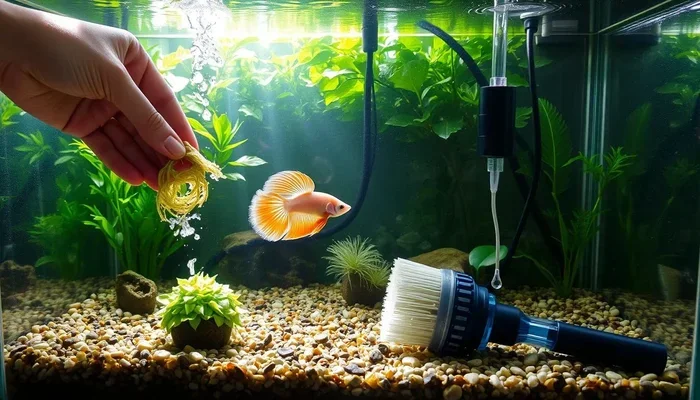
Cleaning a betta fish tank doesn’t have to be hard. This guide shows you exactly how to clean a betta fish tank safely, from partial water changes to gravel vacuuming and algae removal. Follow our simple steps to keep your betta’s home fresh, healthy, and stress-free.
A clean tank is the foundation of a healthy betta fish. If you own a betta, you already know how stunning these little fish are. Their flowing fins and vibrant colors make them a joy to watch. But keeping them happy starts with one essential task: tank cleaning. Many new fish owners wonder how to clean a betta fish tank without stressing their fish or messing up the water balance. The good news is that it’s simpler than most people think. With the right approach and a little consistency, you can keep your betta’s home sparkling clean all year long.
In this guide, we’ll walk you through every step of the cleaning process. You’ll learn what tools you need, how often to clean, and the common mistakes to avoid. Whether you have a 1-gallon bowl or a 10-gallon aquarium, this guide covers it all. Let’s dive in and make tank cleaning easy and stress-free for both you and your betta.
Key Takeaways
- Clean your tank regularly: Perform partial water changes every 1–2 weeks to maintain water quality and keep your betta healthy.
- Never use soap or chemicals: Only use warm water and aquarium-safe tools when cleaning your betta fish tank.
- Preserve beneficial bacteria: Avoid replacing all the water at once, as good bacteria are essential for a stable tank environment.
- Gather the right tools: A gravel vacuum, siphon, water conditioner, and algae scraper make tank cleaning much easier and faster.
- Monitor water parameters: Test ammonia, nitrite, and nitrate levels regularly to ensure your cleaning routine is effective.
- Clean tank décor gently: Rinse decorations in old tank water to protect the beneficial bacteria colonies living on them.
📑 Table of Contents
- Why Cleaning Your Betta Fish Tank Matters
- Tools You Need to Clean a Betta Fish Tank
- How Often Should You Clean a Betta Fish Tank?
- Step-by-Step Guide to Cleaning a Betta Fish Tank
- Common Mistakes to Avoid When Cleaning
- Quick Tips for a Sparkling Betta Tank
- Expert Insights on Betta Tank Maintenance
- Conclusion
Why Cleaning Your Betta Fish Tank Matters
Betta fish may be hardy, but they still need clean water to thrive. Dirty water leads to ammonia buildup, which can cause serious health problems. In fact, poor water quality is the number one killer of pet fish. When you learn how to clean a betta fish tank properly, you’re directly protecting your fish’s life and well-being.
Here’s why regular cleaning matters so much:
- Removes harmful toxins: Waste, uneaten food, and decaying plants release ammonia. This is toxic to bettas even in small amounts.
- Prevents disease: Clean water reduces the risk of infections, fin rot, and fungal outbreaks.
- Reduces stress: Bettas in dirty tanks become stressed, which weakens their immune system.
- Keeps your tank looking great: A clean tank lets your betta’s colors shine and makes your space more enjoyable.
Think of tank cleaning like brushing your teeth. You don’t wait until things feel terrible. A little regular maintenance goes a long way. If you want to go deeper into proper techniques, check out our article on how to clean a betta fish tank properly for advanced tips.
Tools You Need to Clean a Betta Fish Tank
Before you start, gather everything you need. Having the right tools makes the job faster and safer for your fish. You don’t need a lot of fancy equipment, but a few basics will get the job done right.
Essential Cleaning Tools
- Aquarium gravel vacuum or siphon: This is the most important tool. It removes debris from the substrate without disturbing your tank too much.
- Bucket dedicated to fish use: Never use a bucket that has held soap or chemicals. Buy one specifically for aquarium use.
- Water conditioner or dechlorinator: Tap water contains chlorine that harms bettas. A good conditioner neutralizes this instantly.
- Algae scraper or magnetic cleaner: This keeps the glass walls clean and clear so you can enjoy your fish.
- Soft sponge or cloth: Use this for wiping down the tank exterior and cleaning décor.
- Thermometer: Make sure your replacement water matches the tank temperature to avoid shocking your betta.
- Test kit: An ammonia, nitrite, and nitrate test kit helps you monitor water quality between cleanings.
Optional but Helpful Items
- Turkey baster: Great for removing food debris from tight spaces.
- Small brush: Useful for scrubbing filter media and hard-to-reach corners.
- Tank divider: If you need to temporarily separate your betta during a deep clean.
Having these tools ready before you start saves time and keeps the process smooth. You can find most of these items at your local pet store or online. For more on choosing the right setup, see our guide on how to set up a fish tank for betta.
How Often Should You Clean a Betta Fish Tank?
This is one of the most common questions new betta owners ask. The answer depends on your tank size, whether you have a filter, and how many fish you keep. A good rule of thumb is to do a partial water change every one to two weeks.
Cleaning Frequency by Tank Size
| Tank Size | Water Change Frequency | Water Change Amount |
|---|---|---|
| 1–2 gallons | Every 5–7 days | 50% |
| 3–5 gallons | Every 7–10 days | 25–30% |
| 5–10 gallons | Every 10–14 days | 20–25% |
| 10+ gallons | Every 14 days | 15–20% |
Smaller tanks need more frequent cleaning because toxins build up faster in less water. If you notice cloudy water or your betta acting strangely, don’t wait for your scheduled cleaning. Do a quick water change right away. For more details on cleaning frequency, read our article on how often to clean a betta fish tank.
Signs Your Tank Needs Cleaning Soon
- Water looks cloudy or yellowish
- You see algae growing on the glass or décor
- Your betta is staying near the surface more than usual
- There’s a strong or unpleasant smell coming from the tank
- Uneaten food is collecting on the substrate
- Your test kit shows rising ammonia or nitrite levels
Catching these signs early makes the cleaning process much easier. Regular maintenance also means you never have to do a deep, stressful clean.
Step-by-Step Guide to Cleaning a Betta Fish Tank
Now let’s get into the actual cleaning process. Follow these steps carefully, and your betta will stay safe and comfortable throughout.
Step 1: Prepare Your Replacement Water
Fill your clean bucket with water that matches the tank temperature. Use your thermometer to check. Room temperature water usually works, but it’s better to match it exactly. Add your water conditioner according to the product instructions. This removes chlorine and chloramine from tap water. Let the treated water sit for a few minutes while you work on the next steps.
Step 2: Remove Decorations and Check Them
Gently take out any decorations, plants, or accessories from the tank. Look for algae buildup or debris hiding underneath. Rinse these items in the old tank water you removed. Never use soap, detergent, or tap water directly on décor. The old tank water preserves the beneficial bacteria that live on these surfaces.
Step 3: Vacuum the Gravel
This is the most important step. Use your gravel vacuum or siphon to suck up debris from the substrate. Start at one end of the tank and work your way across. Pay special attention to corners and areas under decorations where waste collects. You only need to vacuum the top layer of gravel. Remove about 20–30% of the total water volume during this step.
Step 4: Clean the Glass Walls
Use your algae scraper or magnetic cleaner to wipe down the inside glass. Work from top to bottom. Algae tends to build up faster near the light source, so spend extra time there. For stubborn spots, a soft sponge works well. Avoid using anything abrasive that could scratch the glass.
Step 5: Rinse the Filter (If Applicable)
If your tank has a filter, rinse the filter media in the old tank water you removed. Never use tap water for this. Tap water kills the beneficial bacteria that live in your filter. These bacteria are crucial for breaking down ammonia and keeping your water safe. Replace filter media only when it’s falling apart, not on a regular schedule.
For more detailed filter cleaning instructions, check out our guide on how to clean a betta fish tank with filter.
Step 6: Add Fresh Water Slowly
Pour your treated replacement water back into the tank slowly. Use your hand or a plate to diffuse the flow and avoid disturbing the substrate too much. This prevents stirring up debris and stressing your betta. Make sure the new water temperature matches the existing tank water.
Step 7: Test the Water and Observe Your Betta
After refilling, test the water parameters with your kit. Check ammonia, nitrite, and nitrate levels. Then watch your betta for a few minutes. A healthy betta should swim normally and explore the tank. If your fish seems stressed or stays in one corner, check the temperature and water parameters again.
Common Mistakes to Avoid When Cleaning
Even experienced fish owners make mistakes. Here are the most common errors people make when cleaning a betta fish tank, and how to avoid them.
Mistake 1: Doing a Full Water Change
This is the biggest mistake new owners make. Replacing all the water at once destroys beneficial bacteria colonies and shocks your betta. Always stick to partial water changes of 20–30%. Your tank’s ecosystem needs those good bacteria to function properly.
Mistake 2: Using Soap or Household Cleaners
Soap residue is extremely toxic to fish. Even a tiny amount can be deadly. Never wash your tank, decorations, or tools with soap. If something needs deep cleaning, use hot water and scrub with a dedicated aquarium sponge only.
Mistake 3: Ignoring the Filter
Some owners clean the filter too aggressively or replace filter media too often. This strips your tank of beneficial bacteria. Rinse media gently in old tank water and only replace it when it physically falls apart.
Mistake 4: Forgetting to Treat New Water
Tap water contains chlorine and chloramine that are harmful to bettas. Always use a water conditioner before adding new water to your tank. This step takes just a few seconds but makes a huge difference.
Mistake 5: Cleaning Too Frequently or Too Aggressively
Over-cleaning can be just as bad as under-cleaning. It disrupts the nitrogen cycle and removes beneficial bacteria. Stick to your scheduled partial water changes and only do extra cleaning when you notice visible problems.
If you ever need to do a more thorough clean, such as after your betta has passed away, our article on how to clean fish tank after betta died provides gentle, respectful guidance.
Quick Tips for a Sparkling Betta Tank
Here are some bonus tips that will make your tank cleaning routine even easier and more effective:
- Clean during feeding time: Do a small water change right before feeding. This keeps your betta calm and gives them fresh food in a clean environment.
- Use a siphon with a pre-filter: This prevents small fish or gravel from getting sucked up during water changes.
- Keep a cleaning log: Write down when you do water changes and what parameters you measure. This helps you spot patterns and catch problems early.
- Add live plants: Plants naturally absorb nitrates and help keep your tank cleaner between water changes. Check out our guide on how to clean a betta fish tank with live plants for more details.
- Don’t forget the outside: Wipe down the tank exterior and light hood regularly. Dust and fingerprints build up fast and make your tank look dirty even when the water is clean.
- Match water parameters carefully: pH, temperature, and hardness of your new water should be close to your existing tank water. Sudden changes stress your betta.
These small habits add up to big results. Your betta will be healthier, more active, and more colorful when you keep up with a consistent routine.
Expert Insights on Betta Tank Maintenance
Experienced betta keepers know that maintenance is about consistency, not perfection. Here are some expert-backed insights to help you refine your approach.
Watch your betta’s behavior. Fish communicate through their actions. A betta that’s hiding, lethargic, or gasping at the surface is telling you something about the water quality. Regular observation helps you catch problems before they become serious.
Invest in a good test kit. Visual inspections alone aren’t enough. Ammonia and nitrite are invisible killers. A reliable test kit gives you peace of mind and helps you fine-tune your cleaning schedule. Many experts recommend testing weekly, even if you don’t do a water change every week.
Don’t overlook the nitrogen cycle. Understanding how the nitrogen cycle works in your tank makes cleaning much more effective. The cycle converts toxic ammonia into less harmful nitrite and then nitrate. Your partial water changes remove the nitrate that builds up over time. For a deeper understanding of this process, see our article on how to cycle a fish tank for betta.
Adapt your routine to your specific setup. A tank with live plants, a filter, and few fish needs less frequent cleaning than a bare-bones bowl with no filtration. Tailor your approach to your unique setup for the best results.
Conclusion
Learning how to clean a betta fish tank is one of the most important skills you’ll develop as a fish owner. With the right tools, a consistent schedule, and a gentle approach, you can keep your betta’s home clean and healthy for years to come. Remember to do partial water changes every one to two weeks, use a gravel vacuum, rinse décor in old tank water, and always treat new water with conditioner. Avoid the common mistakes like full water changes and using soap. Your betta fish will reward you with vibrant colors, active swimming, and a long, happy life.
Start implementing these steps today. Even a small improvement in your cleaning routine makes a big difference. Your betta deserves a clean, safe, and beautiful home. Happy fish keeping!