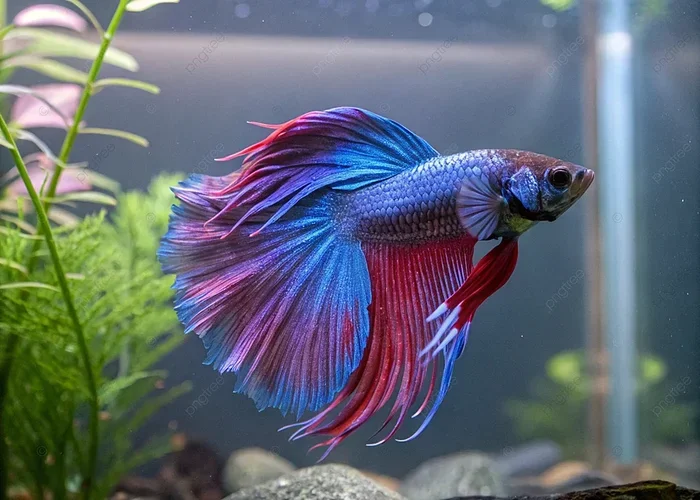
How to Warm Up a Betta Fish
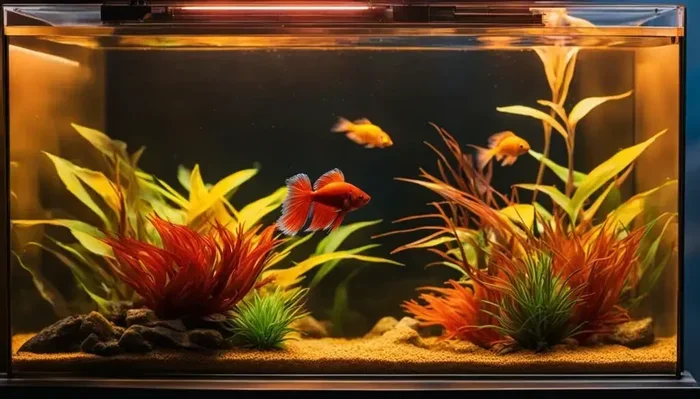
Warming up a betta fish starts with understanding their ideal temperature range of 76-82°F. A betta fish heater is the most reliable way to maintain steady warmth. You can also use warm water preparation and simple tank adjustments to keep your betta comfortable and thriving.
Keeping your betta fish warm is one of the most important parts of betta fish care. These beautiful tropical fish come from warm, slow-moving waters in Southeast Asia. Without the right warmth, a betta can become stressed, sick, or even die. If you have ever wondered how to warm up a betta fish the right way, you are in the right place.
This guide covers everything you need to know about betta fish temperature, heater options, and simple tricks to keep your fish cozy. Whether you are a beginner or a seasoned fish keeper, these tips will help you create a safe and comfortable home for your betta.
The truth is, betta fish are not cold-water fish. They need consistent warmth to thrive. Many new fish owners make the mistake of keeping their betta in a room-temperature tank. This can lead to serious health problems over time. Let us dive into the best ways to keep your betta warm and happy.
Key Takeaways
- Ideal Temperature: Betta fish need water between 76-82°F to stay healthy and active.
- Heater is Essential: An aquarium heater is the best long-term solution for maintaining warmth.
- Avoid Sudden Changes: Rapid temperature swings can cause stress and illness in bettas.
- Monitor Regularly: Use a thermometer to check water temperature daily.
- Warm Water Prep Works: Gradually adding warm water can help in emergencies.
- Winter Needs Extra Care: Cold months require extra attention to keep bettas warm.
📑 Table of Contents
- Why Temperature Matters for Betta Fish
- How to Warm Up a Betta Fish Using a Heater
- How to Warm Up a Betta Fish Without a Heater
- How to Prepare Water for a Warm Betta Tank
- Keeping Your Betta Warm During Winter
- Common Mistakes When Warming Up a Betta Fish
- Best Practices for Maintaining a Warm Betta Tank
- Conclusion
Why Temperature Matters for Betta Fish
Betta fish are tropical creatures. Their bodies depend on warm water to function properly. When the water gets too cold, their metabolism slows down. This can lead to a weakened immune system and a host of health issues.
Here is why maintaining the right water temperature for betta is so important:
- Digestion: Betta fish digest food better in warm water. Cold water slows their digestive system.
- Immune Health: Warm water helps bettas fight off infections and diseases.
- Energy Levels: A warm environment keeps bettas active and playful.
- Breeding: Proper warmth encourages healthy breeding behavior.
- Color Vibrancy: Warm water helps bettas maintain their bright, vivid colors.
The ideal betta fish temperature range is between 76°F and 82°F. Anything below 74°F is considered too cold. Even short dips below this range can put your fish at risk. On the other hand, water above 86°F can also be dangerous. This is why a reliable heater and thermometer are must-haves.
What Happens When a Betta Gets Too Cold?
Cold water is a silent killer for betta fish. When the temperature drops, bettas become lethargic. They may stop eating or hide in corners of the tank. Over time, prolonged cold exposure can lead to temperature shock, which is often fatal.
Some common signs of a cold betta include:
- Clamped fins close to the body
- Refusing to eat
- Staying at the bottom of the tank
- Slow or labored breathing
- Faded or dull colors
If you notice any of these signs, check your water temperature right away. Acting fast can save your betta’s life. For more information on treating a stressed betta, check out our guide on how to treat a stressed betta fish.
How to Warm Up a Betta Fish Using a Heater
The most effective and reliable way to warm up a betta fish tank is by using a betta fish heater. Aquarium heaters are designed to maintain a steady temperature without any effort on your part. They are affordable, easy to use, and essential for any betta setup.
Here is how to choose and use the right heater for your betta tank:
Types of Aquarium Heaters
Not all heaters are the same. Here are the most common types used for betta tanks:
- Submersible Heaters: These sit fully underwater and attach to the side of the tank. They are the most popular choice for betta tanks.
- Hang-On Heaters: These hang on the back rim of the tank. They work well but are less precise than submersible models.
- In-Line Heaters: These are installed outside the tank in the filter tubing. They are great for larger setups but may be overkill for a single betta.
How to Set Up Your Heater
Setting up a heater is simple. Follow these steps to get started:
- Choose a heater rated for your tank size. A 5-gallon betta tank usually needs a 25-watt heater.
- Place the heater near the water flow for even heat distribution.
- Set the thermostat to 78°F, which is the sweet spot for most bettas.
- Let the heater run for 24 hours before adding your betta.
- Use a separate aquarium thermometer to verify the temperature.
For a complete guide on setting up a proper home for your betta, visit our article on how to set up a fish tank for betta fish.
Quick Tips for Heater Use
- Never unplug your heater while it is underwater. This can damage the unit.
- Place the heater away from gravel to prevent uneven heating.
- Check your heater monthly to make sure it is working properly.
- Use a heater guard to prevent your betta from touching the hot glass.
How to Warm Up a Betta Fish Without a Heater
Sometimes you may not have access to a heater right away. Maybe you are waiting for one to arrive or dealing with a temporary situation. In these cases, there are a few ways to keep your betta fish warm without a heater.
These methods work best as short-term solutions. You should still invest in a proper heater as soon as possible.
Method 1: Gradually Add Warm Water
One of the simplest ways to raise the tank temperature is by adding small amounts of warm water. Here is how to do it safely:
- Boil a small amount of water and let it cool to room temperature.
- Add a cup or two of warm water to the tank at a time.
- Wait 15 minutes and check the temperature with a thermometer.
- Repeat until you reach the target range of 76-82°F.
Never add hot water directly to the tank. This can shock your betta. Always test the temperature before adding it. For a detailed guide on this method, see our article on can I add warm water to a betta fish tank.
Method 2: Move the Tank to a Warmer Spot
Placing your betta tank in a warmer area of your home can help. Consider these spots:
- Near a sunny window (but not in direct sunlight all day)
- In a room with a consistent warm temperature
- Away from drafty doors or windows
Keep in mind that sunlight can also cause algae growth. So this method works best as a temporary fix.
Method 3: Use a Warm Towel or Wrap
Wrapping the outside of the tank with a warm towel can help retain heat. This is especially useful during cold nights. Just make sure you do not cover the entire tank, as your betta still needs airflow and light.
How to Prepare Water for a Warm Betta Tank
How to prepare water for a betta fish is a key step in keeping the tank warm and safe. Tap water often contains chlorine and other chemicals that can harm your betta. Using the right water preparation methods ensures a clean and comfortable environment.
Steps to Prepare Betta Water
- Let tap water sit out for 24 hours to allow chlorine to evaporate.
- Use a water conditioner to neutralize harmful chemicals instantly.
- Match the temperature of new water to the tank water before adding it.
- Use a thermometer to verify both water temperatures are within the 76-82°F range.
For more details on this process, read our article on how to prepare water for a betta fish.
Water Changes and Temperature Stability
Regular water changes are important for betta health. But you must be careful about temperature. Adding cold water during a water change can drop the tank temperature suddenly. Always match the new water temperature to the existing tank water. A difference of even 2-3 degrees can stress your betta.
Keeping Your Betta Warm During Winter
Winter months bring cold indoor temperatures that can be dangerous for betta fish. Even if your home feels comfortable to you, the water in your betta tank can drop to unsafe levels. Keeping betta fish warm in winter requires extra attention and preparation.
Winter Betta Care Tips
- Insulate the tank: Wrap the back and sides of the tank with a foam board or aquarium insulation.
- Move the tank away from windows: Cold drafts near windows can lower the water temperature quickly.
- Use a heater with a thermostat: This ensures the heater turns on automatically when the temperature drops.
- Check the temperature twice a day: Cold weather can cause fluctuations. Monitor closely.
- Keep the room warm: If possible, maintain the room temperature above 75°F.
For more winter-specific advice, check out our guide on how to keep betta fish warm in winter.
Common Mistakes When Warming Up a Betta Fish
Even well-meaning fish owners can make mistakes when trying to keep their betta warm. Here are some common errors to avoid:
Mistake 1: Using a Heater That Is Too Small
A heater that is too small for your tank will struggle to maintain the right temperature. Always check the wattage recommendation for your tank size. A general rule is 2.5 to 5 watts per gallon of water.
Mistake 2: Placing the Tank Near Drafts
Air conditioning vents, open windows, and doors can create cold spots near the tank. These drafts can lower the water temperature quickly and unexpectedly.
Mistake 3: Overheating the Tank
While cold water is dangerous, overheating is just as harmful. Water above 86°F can reduce oxygen levels and stress your betta. Always use a thermometer and never rely solely on the heater’s built-in thermostat.
Mistake 4: Skipping the Thermometer
Many beginner fish keepers assume the heater is doing its job without checking. A separate aquarium thermometer is the only way to know the actual water temperature. Heaters can malfunction, and a thermometer gives you peace of mind.
Best Practices for Maintaining a Warm Betta Tank
Once you have your betta tank set up at the right temperature, maintenance is key. Here are the best practices to keep your betta warm and healthy long-term:
- Check the water temperature every day using a reliable thermometer.
- Clean your heater monthly to prevent buildup and ensure proper function.
- Replace your heater once a year or at the first sign of malfunction.
- Keep the tank lid slightly open for airflow, but not so much that heat escapes.
- Avoid placing the tank near electronics that generate heat or cold drafts.
- Use a tank that is at least 5 gallons for better temperature stability.
For more information on maintaining your betta’s environment, visit our guide on how to keep water warm for betta fish.
Comparison Table: Heater vs. Non-Heater Methods
| Method | Reliability | Cost | Best For |
|---|---|---|---|
| Submersible Heater | High | Low | Long-term use |
| Warm Water Addition | Medium | Free | Emergency use |
| Tank Placement | Low | Free | Temporary warmth |
| Towel Wrap | Low | Low | Cold nights only |
As you can see, a heater is by far the most reliable method. But having backup strategies is always a smart idea, especially during power outages or cold snaps.
Conclusion
Learning how to warm up a betta fish properly is one of the most valuable skills any betta owner can have. Your betta depends on you to provide a warm, safe, and stable environment. Whether you use a betta fish heater, gradually add warm water, or take extra winter precautions, the goal is the same: keep your betta in the ideal temperature range of 76-82°F.
Always monitor the water temperature, avoid sudden changes, and invest in quality equipment. A warm betta is a happy, healthy, and colorful betta. Follow the tips in this guide, and your fish will thrive for years to come.
Frequently Asked Questions
What is the best temperature for a betta fish?
The best temperature for a betta fish is between 76°F and 82°F. This range supports healthy digestion, strong immunity, and vibrant colors. Keeping the water within this range should be your top priority as a betta owner.
Can I use a regular household heater to warm my betta tank?
No, you should never use a household space heater for a fish tank. Aquarium heaters are specifically designed to be safe around water. They have built-in thermostats and safety features that regular heaters do not have.
How can I tell if my betta fish is too cold?
Signs of a cold betta include clamped fins, loss of appetite, staying at the bottom of the tank, slow breathing, and faded colors. If you notice any of these signs, check the water temperature immediately and take steps to warm it up.
Do betta fish need a heater in summer?
In most cases, yes. Room temperature in summer can still be too cool for bettas, especially in air-conditioned rooms. A heater set to the right temperature ensures consistent warmth year-round, regardless of the season.
How long does it take to warm up a betta fish tank?
It usually takes 24 to 48 hours for a tank to reach the target temperature after setting up a heater. The exact time depends on the tank size and the starting temperature. Always use a thermometer to confirm before adding your betta.
Can cold water kill a betta fish?
Yes, prolonged exposure to cold water can be fatal for betta fish. Cold water weakens their immune system and slows their metabolism, making them vulnerable to diseases. It is essential to maintain proper warmth at all times.