How to Warm Betta Fish Water Overnight
Warming your betta fish water overnight is essential for keeping your fish healthy and happy. Cold water can stress your betta and lead to serious health problems. This guide covers simple, safe methods like using heaters, insulation tricks, and warm water swaps to maintain the right temperature all night.
Keeping your betta fish warm overnight is one of the most important parts of betta fish care. Many fish owners forget that nighttime temperatures can drop fast, especially in colder rooms or during winter months. When the water gets too cool, your betta can become stressed, sick, or even develop life-threatening conditions.
If you have ever wondered how to warm betta fish water overnight, you are in the right place. This guide covers every safe and practical method you can use. Whether you have a small bowl or a full tank, there is a solution that fits your setup. Let us walk through everything you need to know to keep your betta fish water temperature stable all night long.
The good news is that warming your betta’s water overnight does not have to be complicated or expensive. With a few simple tools and some smart habits, you can create a warm and comfortable betta fish habitat around the clock. Your fish will thank you with bright colors, active swimming, and a long, healthy life.
Key Takeaways
- Betta fish need warm water between 76°F and 82°F to stay healthy, especially overnight when room temperatures drop.
- Using an adjustable aquarium heater is the most reliable way to keep betta water warm throughout the night.
- Insulating your tank with a cover or blanket can help retain heat without any extra equipment.
- Performing a warm water change before bedtime is a quick fix if you do not have a heater.
- Avoid sudden temperature swings, as they can shock your betta and cause serious harm.
- Watch for signs of cold stress like clamped fins, lethargy, and loss of appetite in your betta fish.
📑 Table of Contents
- Why Betta Fish Need Warm Water Overnight
- Safe Methods to Warm Betta Fish Water Overnight
- How to Prepare Water for Overnight Warming
- Common Mistakes to Avoid When Warming Betta Water Overnight
- Signs Your Betta Is Too Cold at Night
- Expert Tips for Maintaining Consistent Betta Water Temperature
- Final Thoughts on How to Warm Betta Fish Water Overnight
Why Betta Fish Need Warm Water Overnight
Betta fish come from the warm, tropical waters of Southeast Asia. They have evolved to live in consistently warm environments. This means their bodies simply do not work well in cold water. During the day, your home might feel comfortable, but at night, temperatures can drop significantly, especially if you do not have central heating.
Are betta fish supposed to be in warm water? Absolutely. The ideal betta fish temperature range is between 76°F and 82°F (24°C to 28°C). When the water dips below 74°F, your betta starts to feel the effects. Over time, cold water can weaken their immune system and make them vulnerable to diseases like fin rot and ich.
What Happens When Water Gets Too Cold Overnight
When the water temperature drops too low, your betta fish goes into a state of cold stress. Here is what can happen:
- Sluggish movement: Your betta may stop swimming around and stay still at the bottom of the tank.
- Loss of appetite: Cold water slows down your betta’s metabolism, making them not want to eat.
- Clamped fins: This is a clear sign of discomfort where your betta holds its fins close to its body.
- Weakened immune system: Cold stress makes it harder for your betta to fight off bacteria and parasites.
- Disease outbreaks: Illnesses like fin rot, velvet, and ich thrive in cold water conditions.
The best way to prevent all of these problems is to take action before the temperature drops. Learning how to warm betta fish water overnight gives you peace of mind and keeps your fish safe every single night.
Safe Methods to Warm Betta Fish Water Overnight
Now that you understand why warm water matters, let us look at the best ways to keep it warm overnight. There are several methods you can use, ranging from simple to more advanced. You can pick the one that works best for your setup and budget.
Method 1: Using an Aquarium Heater
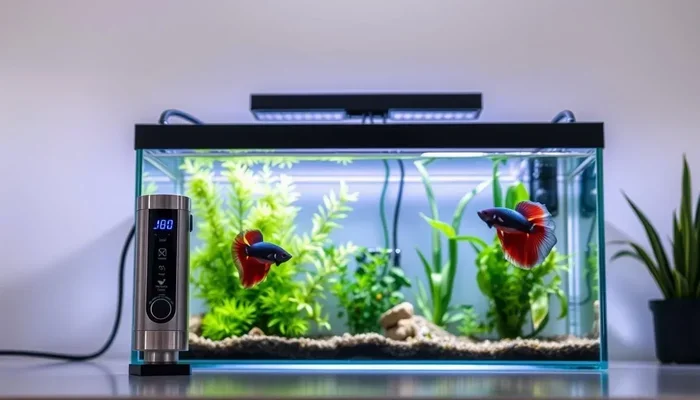
The most reliable way to maintain a steady betta fish water temperature overnight is by using an aquarium heater. A good heater will automatically turn on and off to keep the water within your set temperature range. This means you do not have to wake up and adjust anything.
Here is what to look for in a heater for your betta tank:
- Adjustable thermostat: This lets you set the exact temperature you want, usually between 76°F and 82°F.
- Right wattage: For small tanks under 5 gallons, a 25-watt heater works well. Larger tanks need 50 watts or more.
- Submersible design: A fully submersible heater stays safely underwater and heats evenly.
- Built-in temperature guard: Some heaters come with safety features that shut off if the water gets too hot.
When you use a heater, place it near the water flow area so the warm water spreads throughout the tank. Always let the heater run for at least 24 hours before adding your betta. This gives the heater time to calibrate and stabilize the temperature.
If you are looking for more ways to keep your betta warm without relying solely on a heater, check out our guide on how to keep my betta fish warm without a heater. It has great backup options you can use alongside a heater or on their own.
Method 2: The Warm Water Replacement Trick
If you do not have a heater or need a quick solution, the warm water replacement method works well. This involves replacing a portion of your betta tank water with warm, conditioned water before you go to bed. The idea is to raise the overall tank temperature just enough to stay safe overnight.
Here is how to do it step by step:
- First, prepare a small amount of clean water. Use how to prepare water for a betta fish guidelines to make sure the water is safe and free from chlorine.
- Let the water reach room temperature, then gently warm it using a microwave or by mixing in a small amount of warm (not hot) water.
- Test the temperature with a thermometer. You want it to be between 78°F and 80°F.
- Replace about 20% to 30% of the tank water with the warm water.
- Check the tank temperature after 15 minutes to make sure it stays within the safe range.
This method works best for small tanks and bowls. For larger tanks, it may not raise the temperature enough, and you should consider a heater instead. Also, be careful not to use water that is too warm, as sudden changes can stress your fish.
Method 3: Insulation Tricks for Small Tanks and Bowls
Insulation is a simple and cost-effective way to keep betta fish water warm overnight. The idea is to trap the heat already in the tank and prevent it from escaping into the cold air. This method works especially well for small bowls and tanks.
Try these insulation tips:
- Use a tank lid or cover: A tight-fitting lid reduces heat loss from the water surface. It also prevents evaporation, which can cool the water down.
- Wrap the tank with a towel or blanket: Place a small towel or fabric blanket around the sides of the tank. This creates a barrier against cold drafts.
- Move the tank away from windows: Windows let in cold air at night, which can lower the water temperature fast.
- Place the tank in a warm room: Choose a spot in your home that stays warm at night, like a bedroom or living room.
One thing to keep in mind is that insulation alone may not be enough in very cold rooms. It works best as a supplement to a heater or as a temporary solution. You can also read more about how to keep water warm for betta fish for additional insulation and heating strategies.
How to Prepare Water for Overnight Warming
Preparing the right water is just as important as choosing a warming method. Using the wrong type of water can harm your betta, even if the temperature is perfect. Always start with safe, clean water before you warm it up for your tank.
Follow these steps to prepare water the right way:
- Use dechlorinated tap water or bottled spring water. Tap water contains chlorine and chloramine, which are harmful to betta fish. Always treat the water with a conditioner first.
- Test the pH and temperature. Betta fish prefer slightly warm water with a pH between 6.5 and 7.5. Use a simple test kit to check these levels.
- Let the water sit for a few hours. This allows chlorine to dissipate and brings the water closer to room temperature.
- Warm the water gradually. If you need to raise the temperature, do it slowly. A sudden spike in heat can be just as dangerous as cold water.
For a detailed walkthrough on treating water properly, see our article on how to prepare water for a betta fish. It covers everything from dechlorination to temperature matching.
Testing and Matching Temperatures
Temperature matching is one of the most overlooked steps in betta care. When you add new water to the tank, it should be as close as possible to the current tank temperature. A difference of more than 2°F can shock your betta and cause stress.
Here is a quick comparison of what to look for:
- Tank water temperature: Use an aquarium thermometer to get an accurate reading. Place the thermometer near the water surface for the most relevant measurement.
- New water temperature: Warm or cool the replacement water to match the tank temperature within 1°F.
- Room temperature: If your room is cold at night, the water will cool down faster. Insulate the tank or use a heater to compensate.
For more on safely adjusting your betta’s water temperature, take a look at how to change betta fish water temperature. It has practical tips for making smooth, safe adjustments.
Common Mistakes to Avoid When Warming Betta Water Overnight
Even with the best intentions, many fish owners make mistakes when trying to warm their betta’s water. These errors can do more harm than good, so it is important to know what to avoid.
Mistake 1: Using Boiling or Very Hot Water
Never pour boiling or very hot water directly into your betta tank. This can raise the temperature too fast and scald your fish. Always warm water gradually and check the temperature with a thermometer before adding it to the tank.
Mistake 2: Forgetting to Condition the Water
Some people focus so much on temperature that they forget to treat the water. Unconditioned tap water contains chemicals that can damage your betta’s gills and fins. Always use a water conditioner before adding any new water to the tank.
Mistake 3: Over-Insulating the Tank
While insulation helps retain heat, wrapping the tank too tightly can block airflow and trap excess heat. This can cause the water temperature to rise too high. Use a light cover and leave some space for air circulation.
Mistake 4: Ignoring the Room Temperature
Your tank is affected by the room it sits in. If your bedroom or living room gets cold at night, your tank water will cool down too. Consider the room temperature when choosing your warming method, and adjust as needed.
Signs Your Betta Is Too Cold at Night
Even with the best precautions, sometimes the water still gets too cold. Knowing the signs of cold stress in your betta fish helps you act fast and fix the problem before it gets serious.
Watch for these warning signs:
- Lethargy: Your betta barely moves and stays at the bottom of the tank.
- Clamped fins: The fins stay folded close to the body instead of being spread out.
- Loss of color: A healthy betta has vibrant colors. Cold stress can cause fading and dullness.
- Refusing food: If your betta ignores food it normally eats eagerly, the water temperature may be too low.
- Rapid breathing: Cold water holds less oxygen, which can cause your betta to breathe faster than normal.
If you notice any of these signs, check the water temperature right away. Adjust your heating method and monitor your betta closely. With quick action, most betta fish recover fully from mild cold exposure.
Expert Tips for Maintaining Consistent Betta Water Temperature
Keeping the temperature stable overnight is about more than just warming the water once. It requires a consistent routine and a few smart habits. Here are some expert tips that experienced betta owners swear by.
1. Use a reliable aquarium thermometer. Cheap stick-on thermometers are not always accurate. A digital thermometer with a probe gives you the most precise reading and helps you catch small temperature changes early.
2. Set a nighttime routine. About 30 minutes before bed, check the tank temperature. If it is on the lower end, do a small warm water change or adjust the heater setting. This small habit makes a big difference over time.
3. Keep the tank away from drafts. Air conditioning vents, open windows, and doors can all create cold spots near the tank. Place your betta tank in a draft-free area to maintain a stable environment.
4. Consider a tank cover with a heater. Some aquarium hoods come with built-in heaters. These are a great all-in-one solution for betta tanks and help keep the water warm without extra equipment.
5. Monitor temperature changes during seasonal shifts. In winter, room temperatures drop, and your tank may need extra help staying warm. In summer, the opposite can happen, and you may need to cool the water slightly. Adjust your setup with the seasons.
For more detailed guidance on maintaining the right warmth for your betta, especially during colder months, check out our article on how to keep betta fish warm in winter. It has season-specific tips that work year-round.
Final Thoughts on How to Warm Betta Fish Water Overnight
Warming your betta fish water overnight does not have to be stressful or expensive. Whether you choose a heater, insulation, or the warm water replacement method, the most important thing is to keep the temperature stable and within the safe range. Your betta fish depends on you to create a comfortable environment, and a few simple steps can make all the difference.
Start by checking your current setup. Do you have a heater? Is the tank in a drafty spot? Do you perform regular water changes with properly conditioned water? Once you identify what needs improvement, take action. Your betta will show you the results through brighter colors, more energy, and a healthier appetite.
Remember, how to warm betta fish water overnight is not just about one trick. It is about building a routine that keeps your fish safe and comfortable 24 hours a day. With the tips and methods in this guide, you have everything you need to do exactly that. Start tonight, and your betta will thank you tomorrow morning.
Frequently Asked Questions
Can I use a regular household heater to warm my betta fish water overnight?
No, you should never use a regular household space heater near a fish tank. These heaters are not designed for aquarium use and can create hot spots or fire hazards. Always use a proper aquarium heater with an adjustable thermostat designed for fish tanks.
How long does it take for betta fish water to warm up overnight?
The time it takes depends on the method you use. A properly sized aquarium heater can raise and maintain the temperature within a few hours. The warm water replacement method works almost immediately but only raises the temperature temporarily. Insulation methods work slowly and are best used as a supplement.
What is the lowest safe temperature for betta fish water overnight?
The lowest safe temperature for betta fish water is around 74°F (23°C). Below this, your betta may start to experience cold stress. Ideally, you want to keep the water between 76°F and 82°F for optimal health and comfort.
Do betta fish need a heater at night?
Yes, betta fish benefit from a heater at night. Room temperatures often drop after sunset, and without a heater, the water can cool down to unsafe levels. A heater ensures your betta stays warm and comfortable throughout the night.
Can I use a microwave to warm water for my betta fish tank?
Yes, you can use a microwave to warm small amounts of water, but be very careful. Heat the water in short intervals and always test the temperature with a thermometer before adding it to the tank. Never add boiling water directly to the tank, as it can harm your betta.
Is it normal for betta fish water temperature to fluctuate at night?
Some fluctuation is normal, but it should stay within a 2°F range. Large swings in temperature can stress your betta. Using a heater and insulating the tank helps minimize nighttime fluctuations and keeps the environment stable.