How to Treat Betta Fish Fin Rot Aquarium Salt
Betta fish fin rot is a common but treatable condition that aquarium salt can help resolve naturally. This guide covers everything you need to know about using aquarium salt to treat fin rot, from proper dosing to recovery timelines. You will learn how to identify symptoms, apply salt baths correctly, and avoid common mistakes that slow healing.
Betta fish are beautiful, vibrant creatures that bring life to any aquarium. But when you notice their fins looking ragged, discolored, or frayed, it can be worrying. Fin rot is one of the most common diseases betta fish face, and the good news is that you can treat it effectively at home. One of the simplest and most trusted methods is using aquarium salt. This guide will walk you through everything you need to know about how to treat betta fish fin rot aquarium salt safely and confidently.
If you have ever wondered whether aquarium salt really works for fin rot, or how much to use without hurting your fish, you are in the right place. We will cover the symptoms to watch for, the science behind salt treatment, exact dosing instructions, and tips to prevent fin rot from coming back. Whether your betta is showing early signs or more advanced damage, this guide has you covered.
Before diving into the treatment steps, it helps to understand what fin rot actually is and why aquarium salt is such a popular remedy among betta keepers. Let us break it all down.
Key Takeaways
- 1. Aquarium salt is a safe, effective, and affordable treatment for mild to moderate betta fish fin rot when used correctly.
- 2. Proper dosing is critical — too much salt can harm your fish, while too little may not be effective.
- 3. Early detection of fin rot symptoms leads to faster and more complete recovery.
- 4. Combining aquarium salt treatment with clean water and proper tank maintenance speeds up healing.
- 5. Severe fin rot cases may require medication beyond salt alone, so knowing when to escalate treatment is essential.
- 6. Betta fish fins can regrow after fin rot if treated promptly and maintained in a healthy environment.
📑 Table of Contents
- What Is Betta Fish Fin Rot and What Causes It?
- Why Aquarium Salt Works for Treating Betta Fin Rot
- Step-by-Step Guide to Using Aquarium Salt for Fin Rot
- Correct Dosage and Treatment Duration
- Common Mistakes to Avoid When Using Aquarium Salt
- When to Move Beyond Aquarium Salt
- Preventing Fin Rot From Returning
- Final Thoughts on Treating Betta Fish Fin Rot with Aquarium Salt
What Is Betta Fish Fin Rot and What Causes It?
Fin rot is a bacterial or fungal infection that attacks the fins and tail of betta fish. It causes the fins to look torn, discolored, or ragged, and if left untreated, it can spread deeper into the body. The condition weakens the tissue and can lead to serious health problems or even death in severe cases.
Several factors can trigger fin rot in betta fish:
- Poor water quality — Dirty or unfiltered water builds up harmful bacteria that attack fins.
- High ammonia or nitrite levels — These toxins stress the fish and damage delicate fin tissue.
- Low water temperature — Cold water weakens the betta immune system and makes it vulnerable to infection.
- Overcrowded tanks — Too many fish increase stress and the spread of bacteria.
- Physical injury — Torn fins from sharp decorations or aggressive tank mates can become infected.
- Poor diet — A weak immune system from bad nutrition makes fish more susceptible to disease.
Understanding the root cause is important because treatment is only half the battle. You also need to fix the conditions that led to the infection in the first place. Otherwise, fin rot will keep coming back no matter how many treatments you try.
How to Spot Fin Rot Early
Early detection makes a huge difference in recovery time. Watch for these fin rot symptoms:
- Fins appearing white, brown, or black at the edges
- Fins looking ragged, torn, or frayed
- Fins slowly shrinking or receding
- Redness or inflammation at the base of the fins
- Fish clamping fins close to the body
- Lethargy or loss of appetite
If you notice any of these signs, act quickly. The earlier you start treatment, the better the outcome. Mild fin rot responds very well to aquarium salt, while advanced cases may need stronger intervention.
Why Aquarium Salt Works for Treating Betta Fin Rot
Aquarium salt, also known as sodium chloride, is a time-tested remedy for treating bacterial and fungal infections in freshwater fish. It works by creating a hostile environment for pathogens while helping the fish’s body fight off infection naturally.
Here is how aquarium salt helps treat betta fish fin rot:
- Draws out excess fluid — Salt helps reduce swelling and inflammation in damaged tissue.
- Creates a hostile environment for bacteria — Many bacteria that cause fin rot struggle to survive in salted water.
- Supports slime coat production — The betta’s natural slime coat acts as a barrier against infection, and salt helps strengthen it.
- Reduces stress — Salt helps regulate osmotic balance, which lowers stress during illness.
- Promotes healing — Improved gill function and oxygen exchange speed up the recovery process.
It is important to note that aquarium salt is different from table salt. Table salt contains additives like iodine and anti-caking agents that can harm fish. Always use pure aquarium salt or sodium chloride without any added chemicals.
Many experienced betta keepers use salt as a first line of defense before turning to stronger medications. It is gentle, affordable, and effective for mild to moderate cases. You can learn more about fixing fin rot on betta fish with salt and other methods in our detailed guide.
Step-by-Step Guide to Using Aquarium Salt for Fin Rot
Now that you understand why aquarium salt works, let us walk through the exact process of treating your betta fish. Follow these steps carefully for the best results.
Step 1: Prepare a Separate Treatment Tank
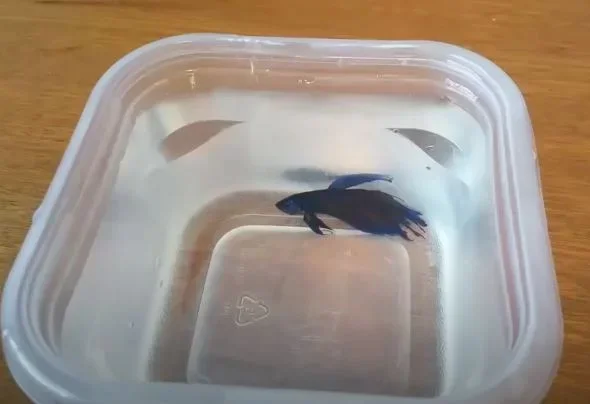
It is best to treat fin rot in a separate hospital tank rather than in your main aquarium. This allows you to control the salt concentration precisely and protects any plants, invertebrates, or sensitive fish in your main tank. A simple 1- to 2-gallon tank with a heater and sponge filter works perfectly.
Fill the treatment tank with dechlorinated water at the same temperature as your betta’s main tank — ideally between 78 and 80 degrees Fahrenheit. Make sure the water parameters are stable before introducing your fish.
Step 2: Determine the Correct Salt Dosage
The dosage depends on the severity of the fin rot. Here is a simple guide:
- Mild fin rot: 1 teaspoon of aquarium salt per gallon of water
- Moderate fin rot: 1 to 2 teaspoons per gallon
- Severe fin rot: Up to 3 teaspoons per gallon (use with caution)
Always dissolve the salt in a cup of tank water before adding it to the treatment tank. Never sprinkle salt directly onto your fish or into the tank dry. Mix it thoroughly so there are no concentrated pockets of salt.
Remember that every betta fish is different. Some are more sensitive to salt than others. If your fish shows signs of stress, reduce the concentration immediately.
Step 3: Perform Daily Water Changes
This is a critical step many people skip. Salt does not evaporate or get filtered out, so it builds up over time. Each day, remove 80 to 90 percent of the treatment tank water and replace it with fresh, dechlorinated water at the same temperature. Add the appropriate amount of salt to the new water each time.
Daily water changes ensure that the salt concentration stays consistent and that waste products do not accumulate. This keeps the treatment environment clean and effective throughout the healing process.
Step 4: Monitor Your Betta Closely
Watch your betta carefully during treatment. Look for signs of improvement such as:
- Fins looking less ragged or torn
- Color returning to the fin edges
- Increased appetite and energy
- Fins starting to regrow
If you do not see improvement after 5 to 7 days, you may need to adjust your approach. Mild cases often respond within 3 to 5 days of proper salt treatment. For more information on natural remedies, check out our guide on curing fin rot in betta fish.
Correct Dosage and Treatment Duration
Getting the dosage right is the most important part of using aquarium salt successfully. Too little salt will not treat the infection, and too much salt can cause osmotic stress, which damages the fish’s cells and organs.
Here is a clear breakdown of treatment duration based on severity:
| Severity Level | Salt Dosage | Treatment Duration | Water Changes |
|---|---|---|---|
| Mild | 1 tsp per gallon | 5 to 7 days | Daily, 80-90% |
| Moderate | 1-2 tsp per gallon | 7 to 10 days | Daily, 80-90% |
| Severe | 2-3 tsp per gallon | 10 to 14 days | Daily, 80-90% |
After completing the treatment, do a large water change (90 percent) to remove the salt from the tank. Gradually transition your betta back to its main tank over 24 hours. Sudden changes in water conditions can cause additional stress.
Some fish keepers wonder whether aquarium salt can harm your betta fish if used incorrectly. The answer is yes — overdosing or treating for too long can cause problems. Always follow the dosage guidelines and never leave salt in the tank indefinitely. For a deeper dive into salt safety, read our article on whether aquarium salt can harm your betta fish.
Common Mistakes to Avoid When Using Aquarium Salt
Even with good intentions, many betta keepers make mistakes that reduce the effectiveness of salt treatment or harm their fish. Here are the most common errors to avoid:
- Using table salt instead of aquarium salt — Table salt contains additives that are toxic to fish. Always use pure aquarium salt or sodium chloride.
- Skipping daily water changes — Salt accumulates and can reach toxic levels if you do not perform regular water changes.
- Using too much salt — More salt does not mean faster healing. Excessive salt causes dehydration and organ damage.
- Treating in the main tank with live plants — Most live plants are sensitive to salt and will suffer or die. Always use a separate treatment tank.
- Stopping treatment too early — Even if fins look better, finish the full treatment course to make sure the infection is completely gone.
- Ignoring water quality — Salt treats the symptom but does not fix the root cause. Clean water and proper filtration are essential for preventing recurrence.
Avoiding these mistakes will make your salt treatment much more effective and keep your betta safe throughout the process.
When to Move Beyond Aquarium Salt
Aquarium salt works wonderfully for mild to moderate fin rot. However, there are times when salt alone is not enough. You should consider escalating treatment if:
- The fin rot is spreading rapidly despite salt treatment
- The base of the fins is turning black or red with swelling
- Your betta stops eating or becomes lethargic
- There is no improvement after 7 days of consistent salt treatment
- The infection appears to have reached the body (not just the fins)
In these cases, you may need to use antibiotics or antifungal medications specifically designed for fish. Products containing tetracycline or melafix are popular choices for treating advanced fin rot. You can learn more about using medications like tetracycline in our guide on how to use tetracycline for betta fish.
After the infection clears up, focus on helping your betta’s fins regrow. Healthy fins can regenerate over time with proper care, clean water, and a nutritious diet. For tips on encouraging fin regrowth, check out our article on how to regrow betta fish fins.
Preventing Fin Rot From Returning
Treatment is only half the battle. Prevention is what keeps your betta healthy long-term. Here are the best practices to prevent fin rot from coming back:
- Maintain clean water — Test water parameters weekly and perform regular water changes of 20 to 30 percent.
- Keep the temperature stable — Use a reliable heater to maintain 78 to 80 degrees Fahrenheit consistently.
- Avoid overcrowding — Bettas do best in tanks of at least 5 gallons with minimal tank mates.
- Feed a balanced diet — Offer high-quality pellets and occasional frozen or live foods for variety.
- Remove sharp decorations — Check tank décor for rough edges that could tear fins and create entry points for bacteria.
- Quarantine new fish — Always isolate new additions for 2 to 4 weeks before introducing them to your main tank.
- Use a gentle filter — Strong filter currents can stress bettas and damage delicate fins over time.
By following these prevention tips, you create an environment where fin rot is far less likely to take hold. A healthy betta in a well-maintained tank rarely develops fin rot in the first place.
Final Thoughts on Treating Betta Fish Fin Rot with Aquarium Salt
Treating betta fish fin rot with aquarium salt is one of the most effective, affordable, and accessible methods available to fish keepers of all experience levels. When used correctly, aquarium salt tackles the infection, supports healing, and helps your betta recover without the need for harsh chemicals or expensive medications.
The key is to act quickly, dose correctly, and maintain clean water throughout the treatment process. Most mild to moderate cases of fin rot respond well within one to two weeks of consistent salt treatment. Remember to address the underlying causes — poor water quality, stress, or injury — so the infection does not return.
Your betta fish deserves a healthy, comfortable life, and fin rot does not have to be a scary diagnosis. With the right knowledge and a little patience, you can help your fish heal and thrive again. Start treatment early, follow the steps outlined in this guide, and watch your betta’s fins recover over time.
Stay proactive with tank maintenance and water quality checks. Prevention is always easier than treatment, and a clean, stable aquarium is the best defense against fin rot and other common fish diseases. Your betta will thank you with vibrant, flowing fins and active, joyful behavior for years to come.
Frequently Asked Questions
Can I use aquarium salt in my main betta tank for fin rot?
It is best to treat fin rot in a separate hospital tank. Aquarium salt can harm live plants, snails, and other sensitive inhabitants in your main tank. A dedicated treatment tank gives you full control over salt levels and makes daily water changes much easier.
How long does it take for betta fish fin rot to heal with aquarium salt?
Mild cases of fin rot typically show improvement within 3 to 5 days of proper salt treatment. Moderate cases may take 7 to 10 days, while severe cases can require 10 to 14 days or more. Consistent daily water changes and correct dosing are essential for a successful recovery.
What is the best aquarium salt brand for treating betta fin rot?
Look for pure sodium chloride aquarium salt with no added minerals, iodine, or anti-caking agents. Popular and reliable brands include API Aquarium Salt, Fluval Aquarium Salt, and Kent Marine Salt. Any of these will work effectively for treating mild to moderate fin rot.
Can betta fish fins grow back after fin rot is treated?
Yes, betta fish fins can regrow after fin rot if the infection is caught early and treated promptly. New fin growth may appear as small, translucent buds at the base of damaged fins. Full regrowth can take several weeks to a few months depending on the severity of the original damage. Learn more about fin regrowth in our guide on how to regrow betta fish fins.
Is aquarium salt the same as Epsom salt for treating betta fish?
No, aquarium salt (sodium chloride) and Epsom salt (magnesium sulfate) serve different purposes. Aquarium salt treats bacterial and fungal infections like fin rot, while Epsom salt is primarily used to relieve constipation and reduce swelling. Use the right salt for the right condition to get the best results.
Should I combine aquarium salt with medication for severe fin rot?
For severe fin rot, combining aquarium salt with antibiotics like tetracycline or medications like Melafix can improve recovery chances. However, always research interactions carefully and consult a fish veterinarian if you are unsure. Start with salt for mild cases and escalate to medication only if the infection does not improve.
=== CONCLUSION ===
Treating betta fish fin rot aquarium salt is a proven, effective approach that every betta keeper should know. With the right dosage, consistent daily water changes, and a clean treatment environment, most cases of fin rot respond well within one to two weeks. Act early, monitor your fish closely, and address the root causes of the infection to prevent it from returning. Your betta deserves healthy, beautiful fins, and aquarium salt gives you a simple, affordable way to make that happen.