How to Train Betta Fish to Fight in Tamil
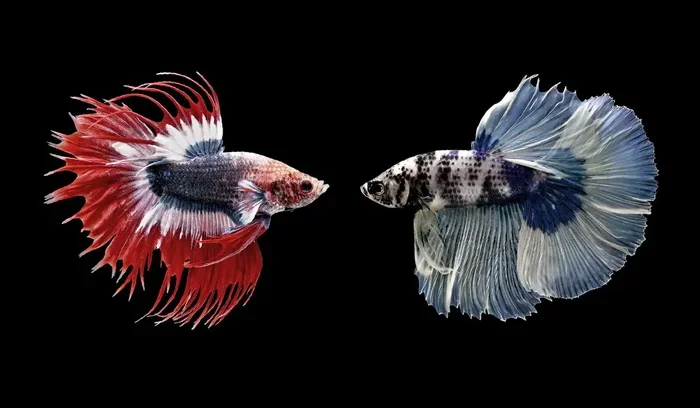
Training betta fish to fight in Tamil is a deep-rooted cultural tradition in Tamil Nadu. This guide covers the step-by-step training methods, the right diet and exercise routines, and how to condition your betta fish safely. Whether you are a beginner or an experienced fish keeper, you will find practical Tamil-style training tips that really work.
Betta fish fighting is more than just a hobby in Tamil Nadu. It is a centuries-old tradition that connects communities, families, and local culture. If you want to learn how to train betta fish to fight in Tamil, you are in the right place. This guide walks you through every step with simple, easy-to-follow advice.
The process is not just about making your fish aggressive. It is about building strength, stamina, and confidence in your betta. Proper training improves your fish’s natural abilities while keeping it healthy. You will learn about diet plans, exercise routines, and the cultural context that makes this practice so meaningful in Tamil communities.
Whether you live in Tamil Nadu or are simply curious about betta fish fighting techniques in Tamil, this article gives you real, actionable information. No fluff, no filler, just practical guidance you can use right away.
Key Takeaways
- Start with a healthy betta fish: A strong and active fish responds better to training and builds stamina over time.
- Use traditional Tamil training methods: Hand gestures, mirror exercises, and controlled sparring are time-tested techniques.
- Focus on diet and nutrition: High-protein foods like bloodworms and brine shrimp boost energy and aggression naturally.
- Maintain perfect water conditions: Clean, warm water keeps your betta fish healthy and ready for training sessions.
- Train gradually and patiently: Rushing the process can stress your fish and lead to injuries or illness.
- Know the legal and ethical side: Understanding local rules and treating your fish with care is essential for responsible training.
📑 Table of Contents
Understanding Betta Fish Fighting Culture in Tamil Nadu
Betta fish fighting has deep roots in South Indian culture. In Tamil Nadu, people have been raising and training fighting betta fish for generations. It is not just a sport, it is a way of life for many communities. The tradition brings families together and passes down knowledge from one generation to the next.
Why Tamil Nadu Loves Betta Fish Fighting
The culture of betta fish fighting in Tamil is tied to festivals, local gatherings, and community bonding. People take pride in raising strong, well-trained fish. The training process itself teaches patience, dedication, and respect for the fish. It is a skill that requires time and genuine care.
Many trainers in Tamil Nadu use traditional methods passed down through families. These methods focus on natural conditioning rather than harsh techniques. The goal is to develop a fish that is brave, agile, and healthy. This approach has kept the tradition alive for hundreds of years.
Choosing the Right Betta Fish for Training
Not every betta fish is suited for fighting training. You need to start with a healthy, young, and active fish. Look for fish with bright colors, flowing fins, and energetic movement. A fish that responds well to its environment will train much better.
Consider the betta fish breed carefully. Some breeds are naturally more aggressive and energetic. The Thai betta and local Tamil Nadu varieties are popular choices. If you are also interested in breeding, check out our guide on how to breed betta fish in Tamil for helpful tips on selecting the right fish.
Setting Up the Right Environment for Training
Before you start any training, your betta fish needs a clean and comfortable home. The training environment plays a big role in how well your fish responds. A stressed or sick fish will not train properly. You must get the basics right first.
Tank Size and Setup
A 5-gallon tank is the minimum size for a training betta fish. The water should be clean, warm, and well-cycled. Betta fish thrive in water temperatures between 78°F and 82°F. Use a gentle heater and a small filter to maintain these conditions.
Add some plants and hiding spots to make your fish feel safe. A stressed fish becomes an unhealthy fish. If you are new to betta care, read our article on how to care for betta fish in a bowl for essential setup tips that also apply to training tanks.
Water Quality and Maintenance
Clean water is non-negotiable. Change 20-30% of the water every week. Test the ammonia, nitrite, and nitrate levels regularly. Poor water quality leads to disease, which kills training progress fast.
Use a water conditioner to remove chlorine and heavy metals. Consistent water changes keep your betta fish in top shape. A healthy fish trains better, recovers faster, and lives longer.
Training Methods for Betta Fish in Tamil
This is the heart of the process. Training betta fish to fight in Tamil style involves a mix of physical conditioning, behavioral training, and gradual exposure to sparring. Let us break it down step by step.
Step 1: Mirror Training
Mirror training is one of the most common and effective methods. Place a small mirror near the tank for 5 to 10 minutes a day. Your betta will see its reflection and think it is a rival. This triggers natural aggression and flaring behavior.
Start with short sessions. Do not exceed 15 minutes per day. Too much mirror time exhausts your fish and causes stress. The goal is to build confidence, not fatigue.
Over time, your betta will become more alert and responsive. You will notice stronger fin movements and more vigorous flaring. This is exactly what you want for fight preparation.
Step 2: Hand Signal Training
In Tamil culture, many trainers use hand signals and movements around the tank. Your fish will learn to recognize your presence and respond to specific gestures. This builds a bond between you and your betta.
Try tapping the glass gently or moving your hand slowly near the tank. Your fish will start to flare and display at these signals. This is a simple yet powerful way to condition your betta fish for training sessions.
Step 3: Controlled Sparring
Once your fish is confident and strong, you can introduce controlled sparring sessions. Place two trained betta fish in a clear container with a divider. Let them see and flare at each other for short periods.
Always supervise sparring closely. Remove the fish immediately if one shows signs of injury. The goal is not to harm either fish. It is to build stamina, reflexes, and fighting instinct in a safe way.
If you want to learn more about whether training bettas to fight is possible, read our article on can you train a betta fish to fight for detailed insights.
Step 4: Stamina Building Through Exercise
A strong fighter needs endurance. You can build your betta fish’s stamina by encouraging active swimming. Use live food to motivate your fish to chase and move around the tank more.
Some trainers use slow water currents to make their fish swim harder. A small sponge filter creates gentle flow that exercises your betta without tiring it out. Regular exercise makes your fish faster and more agile in the ring.
Diet and Nutrition for Fighting Betta Fish
What you feed your betta fish directly affects its energy, aggression, and overall health. A proper diet is one of the most overlooked parts of training. Get the food right, and everything else falls into place.
Best Foods for Training Betta Fish
- Bloodworms: High in protein, they boost energy and aggression naturally.
- Brine shrimp: Great for conditioning and building muscle.
- Daphnia: Improves digestion and keeps your fish healthy.
- Betta pellets: Use as a staple food for balanced nutrition.
- Live mosquito larvae: A natural treat that encourages hunting behavior.
Feeding Schedule for Fighting Betta Fish
Feed your betta twice a day in small amounts. Overfeeding leads to bloating and health problems. A well-fed fish is an active fish, but an overfed fish becomes lazy and sick.
Increase protein-rich foods during the training and conditioning phase. This gives your fish the fuel it needs for intense training sessions. Always remove uneaten food within 5 minutes to keep the water clean.
Common Mistakes to Avoid When Training Betta Fish
Even the best intentions can lead to problems if you do not know what to avoid. Here are the most common mistakes that Tamil trainers see beginners make.
Training Too Much, Too Soon
New trainers often push their fish too hard. Long training sessions cause stress and exhaustion. Your betta fish needs rest between sessions. Keep each session short and increase the intensity gradually.
Ignoring Water Quality
Dirty water makes your fish sick and weak. No amount of training can compensate for poor water conditions. Stick to a regular water change schedule and test your water parameters often.
Using the Wrong Tank Mates
Never keep two male betta fish in the same tank without a divider. They will fight to the death. If you want to learn more about this serious risk, our article on do betta fish fight to death explains why proper separation is critical.
Skipping the Health Check
A sick fish cannot train. Watch for signs of ich, fin rot, or swim bladder disease. If you notice any symptoms, treat them immediately before resuming training. A healthy fish is a strong fighter.
Expert Tips for Success in Betta Fish Training
Here are some proven tips from experienced Tamil Nadu trainers that can take your training to the next level.
- Be consistent: Train at the same time every day. Routine helps your betta fish feel secure and ready.
- Watch your fish closely: Learn to read your betta’s body language. A relaxed fish trains better than a stressed one.
- Keep a training journal: Note down your sessions, feeding times, and any changes in behavior. This helps you track progress over time.
- Start with young fish: Juvenile bettas adapt to training faster than older fish. Start early for the best results.
- Stay patient: Training takes weeks and months. Do not expect overnight results. Patience is the greatest tool in betta fish training.
Training betta fish to fight in Tamil is a rewarding journey that connects you to a rich cultural tradition. It requires dedication, knowledge, and genuine love for your fish. Follow these steps, stay consistent, and you will see real progress.
Remember that the goal is not just to win a fight. The goal is to raise a healthy, strong, and well-conditioned betta fish that represents your care and skill. Treat your fish with respect, and it will reward you with its best performance.
If you are also thinking about breeding your trained fish, explore our guide on how to breed betta fish in Tamil for expert advice on raising the next generation of strong fighters.
Start today. Be patient. Stay consistent. And most importantly, enjoy the journey of training your betta fish in the traditional Tamil way. Your fish will thank you with strength, spirit, and beauty that truly stands out.
Frequently Asked Questions
Is it legal to train betta fish to fight in Tamil Nadu?
Betta fish fighting is a traditional practice in Tamil Nadu, but laws vary by region. Some areas have regulations against organized animal fighting. Always check local laws before participating in or organizing any fighting events. Train responsibly and prioritize your fish’s well-being above all else.
How long does it take to train a betta fish to fight?
Training typically takes 4 to 8 weeks for basic conditioning. More advanced training can take several months. The timeline depends on your fish’s age, health, breed, and how consistently you train. Patience and regular practice are the keys to success.
Can I train an older betta fish to fight?
Yes, but younger fish adapt faster and respond better to training. Older bettas can still learn, but you must be gentler and more patient with them. Always assess your fish’s health before starting any training program with an older fish.
What is the best age to start training a betta fish?
The ideal age to start training is between 3 to 6 months old. At this age, betta fish are energetic, adaptable, and strong enough to handle training routines. Avoid training very young or very old fish, as they may not respond well.
How do I know if my betta fish is healthy enough for training?
A healthy betta fish has bright colors, active movement, and a good appetite. Look for fins that are held open and vibrant. If your fish is lethargic, has clamped fins, or refuses food, it is not ready for training. Address any health issues first before starting.
What should I do if my betta fish gets injured during sparring?
Stop the session immediately and separate the injured fish. Check for torn fins, redness, or swelling. Treat injuries with appropriate medication and keep the water clean. Give your fish time to recover fully before resuming any training activities.
=== CONCLUSION ===
Training betta fish to fight in Tamil is a tradition that demands respect, patience, and proper knowledge. This guide has covered everything from setting up the right environment to advanced training techniques that work. You now have the tools to raise a strong, healthy, and well-trained betta fish.
Remember to focus on your fish’s health at every step. Proper diet, clean water, and gradual training are the foundations of success. Avoid common mistakes, stay consistent, and enjoy the process. Whether you train for cultural events or personal satisfaction, the skills you learn here will serve you well.
Start your betta fish training journey today and become part of a tradition that has thrived in Tamil Nadu for generations. Your fish deserves the best care, and you deserve the satisfaction of raising a champion.