How to Tell When a Betta Fish Is Happy
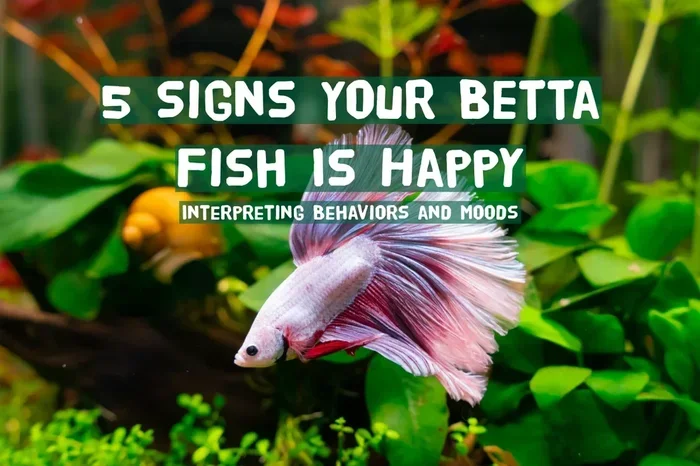
Knowing how to tell when a betta fish is happy helps you keep your fish healthy and thriving. A happy betta shows bright colors, active swimming, a good appetite, and interesting behaviors like bubble nests. This guide covers all the key signs so you can confidently read your fish’s mood.
Keeping a betta fish can be one of the most rewarding experiences for a pet owner. These colorful swimmers have personality, flair, and a way of making you feel like they know you are there. But how do you actually know if your betta is happy? It is not always obvious at first glance.
Learning how to tell when a betta fish is happy comes down to watching a few key areas: color, activity, appetite, and behavior. Once you know what to look for, you will start to read your fish like a book. In this guide, we break down every sign of a content, healthy betta so you can give your fish the best life possible.
Whether you are a new betta owner or have had your fish for years, understanding these happiness clues makes a huge difference. A happy betta lives longer, looks more stunning, and brings more joy to your home. Let us dive into the details.
Key Takeaways
- Vibrant colors and smooth fins: A happy betta fish displays rich, vivid colors and intact fins without clamping or tearing.
- Active swimming and curiosity: Happy bettas explore their tank, interact with decorations, and swim energetically around the aquarium.
- Healthy appetite: A strong feeding response and eagerness to eat are clear indicators of a content betta.
- Bubble nests and flaring: Building bubble nests and occasional fin flaring show natural, positive behavior in betta fish.
- Tank environment matters: Proper water quality, temperature, and tank setup directly impact your betta’s happiness and well-being.
- Know the contrast: Understanding sad or stressed betta behavior helps you spot problems early and respond quickly.
- Regular observation: Daily monitoring of your betta’s behavior, appearance, and eating habits is the best way to ensure long-term happiness.
📑 Table of Contents
Recognizing the Signs of a Happy Betta Fish
A happy betta fish sends clear signals every single day. You just need to know where to look. Most signs fall into three main categories: physical appearance, activity level, and daily habits. Let us walk through each one.
Color and Physical Appearance
The first thing you will notice about a happy betta is its color. A content betta displays vibrant, rich hues that look almost glowing. The scales shine evenly, and there are no dull patches or fading areas. If your betta’s colors look bright and saturated, that is a great sign.
Pay attention to the fins as well. A happy betta holds its fins open and flowing. The fins move gracefully when the fish swims, and you should not see any clamping. Clamped fins, where the fins stay pressed tightly against the body, often signal stress or illness. Smooth, unfrayed fins mean your fish is doing well.
Activity and Energy Levels
A happy betta is an active betta. You will notice your fish swimming around the tank with purpose. It explores every corner, investigates new decorations, and moves with a smooth, relaxed motion. Active swimming is one of the strongest happiness indicators you can observe.
Some bettas are naturally more energetic than others. Veiltail bettas might glide slowly, while crowntail bettas can be more playful. The key is consistency. If your fish has a regular pattern of movement and exploration, it is likely content. A betta that suddenly becomes lethargic or hides constantly may need attention.
Creating the Perfect Environment for a Happy Betta
Your betta’s tank setup plays a massive role in how it feels. A well-designed environment reduces stress and promotes natural behavior. Let us look at the essentials.
Water Quality and Temperature
Bettas are tropical fish, and they need warm, clean water to thrive. The ideal temperature range is between 76 and 82 degrees Fahrenheit. Water quality is equally important. Ammonia and nitrite levels should always read zero, and nitrate should stay below 20 ppm.
Regular water changes make a big difference. Aim to replace about 25 to 30 percent of the tank water every week. Use a gentle gravel vacuum to remove waste from the substrate. Clean water keeps your betta healthy and happy, and it prevents many common diseases.
Tank Setup and Decorations
Bettas love a well-decorated tank that gives them places to explore and hide. Live or silk plants are excellent choices because they mimic a natural habitat. Aquarium plants also provide hiding spots that help your betta feel safe.
Avoid sharp plastic decorations that can tear delicate fins. Caves, driftwood, and gentle substrate create a comfortable space. A tank of at least 5 gallons is recommended for a single betta. Larger tanks give your fish more room to swim and establish its territory. Betta fish tank setup is one of the most important factors in your fish’s overall happiness.
Eating Habits of a Happy Betta Fish
Food tells you a lot about how your betta is feeling. A happy betta has a strong appetite and shows excitement at feeding time. Let us break this down further.
Feeding Routines and Appetite
Most bettas do well with two small feedings per day. A consistent feeding schedule helps your fish feel secure and predictable. When you approach the tank at feeding time, a happy betta will often swim to the front eagerly. This anticipatory behavior is a clear sign of contentment.
Betta pellets form the staple of their diet. You can supplement with frozen or live foods like bloodworms and brine shrimp. Offer only what your fish can eat in two to three minutes. Overfeeding leads to obesity and poor water quality, both of which affect your betta’s mood and health.
Appetite as a Health Indicator
Watch for changes in eating behavior. If your betta suddenly refuses food or shows little interest, something may be wrong. A loss of appetite is one of the earliest warning signs of stress or illness. On the flip side, a betta that eats enthusiastically and maintains a healthy body shape is likely happy and comfortable.
Keep in mind that bettas can be picky eaters. Some may refuse certain brands of pellets or get bored with the same food. Offering variety within reason keeps mealtime interesting and supports a healthy appetite.
Behavioral Signs That Show Your Betta Is Happy
Beyond appearance and eating, bettas display specific behaviors that signal happiness. These natural actions tell you your fish feels safe and comfortable in its environment.
Bubble Nests and Flaring
One of the most fascinating signs of a happy betta is bubble nest building. Male bettas blow bubbles that stick together on the water surface, creating a floating nest. This behavior is instinctual and usually means your fish feels secure enough to engage in natural breeding activities.
Flaring is another common behavior. Your betta may flare its gills and fins when it sees its reflection or when you approach the tank. Occasional flaring is normal and shows your fish is alert and curious. However, constant flaring at a reflection can become stressful, so avoid placing mirrors near the tank.
Interaction with Owners
Many betta owners report that their fish recognize them over time. A happy betta may swim near the glass when you approach or follow your finger along the tank wall. This bonding behavior develops through regular, gentle interaction and shows your fish associates you with positive experiences.
Some bettas even learn to take food from your fingers. This level of trust develops over weeks or months of consistent, calm feeding routines. It is one of the most rewarding aspects of betta ownership.
How to Tell the Difference Between Happy and Stressed Behavior
Understanding what a happy betta looks like also means understanding what an unhappy one looks like. Stressed betta fish often show clamped fins, pale coloring, rapid breathing, or hiding behavior. If your fish stays at the bottom of the tank and refuses to move, it could be a sign of illness or discomfort.
Comparing these signs side by side makes it easier to spot problems. A happy betta explores, eats well, and displays bright colors. A stressed betta retreats, loses appetite, and may show physical deterioration. If you notice concerning changes, check your water parameters first, and consult resources on how to tell if my betta fish is sick for additional guidance.
Common Mistakes That Affect Betta Fish Happiness
Even well-meaning owners can make choices that reduce their betta’s quality of life. Knowing what to avoid is just as important as knowing what to do.
- Too small a tank: Bettas need at least 5 gallons. Tiny bowls restrict movement and make water quality hard to maintain.
- Cold water: Room temperature water is usually too cool for bettas. A heater keeps the temperature stable and comfortable.
- Harsh tank mates: Aggressive fish can stress your betta. Choose peaceful companions or keep your betta solo.
- Inconsistent feeding: Skipping feedings or overfeeding both cause problems. Stick to a regular schedule with appropriate portions.
- Poor water maintenance: Skipping water changes leads to toxin buildup. Regular maintenance keeps your betta healthy and stress-free.
- Bright, flashing lights: Bettas prefer gentle lighting. Harsh lights can cause stress and disrupt their sleep cycle.
Avoiding these common pitfalls sets the foundation for a happy, thriving betta. If you want to learn more about maintaining proper conditions, check out our guide on how to take care of a betta fish water for detailed water management tips.
When to Seek Help for Your Betta Fish
Even with the best care, bettas can sometimes become ill or stressed. Knowing when to act makes all the difference. Early intervention often leads to full recovery.
If your betta shows signs of fading color, loss of appetite, or unusual behavior that lasts more than a day or two, investigate further. Check your water parameters immediately. High ammonia or nitrite levels can cause sudden health decline. Regular testing of your tank water helps you catch problems before they affect your fish.
For guidance on identifying serious health issues, our article on how can you tell if a betta fish is dying covers critical warning signs in detail. Recognizing these signs early gives you the best chance to help your fish recover.
Sometimes a betta’s unhappiness stems from environmental factors. If you have recently changed the tank setup or added new fish, your betta may need time to adjust. Gradual introductions and stable water conditions help reduce transition stress.
Conclusion
Learning how to tell when a betta fish is happy is a skill that every betta owner should develop. By paying attention to color, activity, appetite, and behavior, you can quickly assess your fish’s well-being. A happy betta displays vibrant colors, swims actively, eats eagerly, and engages in natural behaviors like bubble nest building.
The environment you provide matters just as much as observation. Clean water, proper temperature, and a well-decorated tank create the foundation for a content betta. Avoid common mistakes like small bowls, cold water, and inconsistent feeding to keep your fish thriving.
Remember that every betta has its own personality. Some are bold and outgoing, while others are calm and reserved. What matters most is that your fish shows consistent signs of health and comfort. With the right care and attention, your betta will reward you with years of beauty and companionship.
Take what you have learned from this guide and apply it daily. Watch your fish closely, maintain excellent water quality, and enjoy the unique bond that comes with betta ownership. Your happy betta will thank you with every graceful swim.
Frequently Asked Questions
How can I tell if my betta fish is happy or sad?
A happy betta shows bright colors, active swimming, a good appetite, and interest in its surroundings. A sad or stressed betta may have dull coloring, clamped fins, reduced activity, and a lost appetite. Comparing these behaviors helps you assess your fish’s mood accurately.
What does a happy betta fish look like?
A happy betta has vibrant, saturated colors and smooth, flowing fins. It swims with energy and curiosity, exploring its tank regularly. The fish holds its fins open and moves gracefully through the water without signs of stiffness or hiding.
How often should I feed my betta fish to keep it happy?
Feeding your betta two small meals per day on a consistent schedule works best. Offer only what your fish can finish in two to three minutes. A predictable feeding routine helps your betta feel secure and maintains a healthy appetite.
Can a betta fish be happy in a small bowl?
While bettas can survive in small bowls, they thrive best in tanks of at least 5 gallons. Larger tanks provide more swimming space, better water stability, and room for enrichment. A well-maintained 5-gallon tank significantly improves your betta’s quality of life.
Why is my betta fish hiding and not eating?
Hiding and loss of appetite often signal stress or illness. Check your water parameters first, as poor water quality is a common cause. If conditions are stable, consider whether recent changes in the tank might be causing anxiety. For more help, refer to our guide on how to tell if my betta fish is sick.
Do betta fish recognize their owners?
Many bettas do begin to recognize their owners over time. They may swim to the front of the tank or follow your movements along the glass. This bonding behavior develops through regular, gentle interaction and consistent feeding routines. It is one of the most rewarding signs that your betta feels safe and happy.