How to Take Care of My New Betta Fish

Learning how to take care of my new betta fish is easier than you think. This guide covers everything from tank setup and water temperature to feeding schedules and common health issues. Follow these simple steps to give your new betta a happy, healthy home.
Key Takeaways
- Tank Size Matters: A minimum 5-gallon tank gives your betta room to thrive and stay active.
- Water Temperature Is Critical: Keep water between 76-82°F to prevent stress and illness.
- Feed Small Amounts Daily: Overfeeding is one of the most common mistakes new betta owners make.
- Regular Water Changes Keep Fish Healthy: Change 25-30% of the water weekly to maintain quality.
- Watch for Warning Signs: Knowing how to spot early signs of illness can save your betta’s life.
- Use a Gentle Filter: Strong currents stress bettas, so choose a low-flow filter or sponge filter.
📑 Table of Contents
- How to Take Care of My New Betta Fish: A Complete Beginner’s Guide
- Setting Up the Perfect Tank for Your New Betta
- Water Temperature and Quality: The Heart of Betta Care
- Feeding Your New Betta Fish the Right Way
- Common Health Issues and How to Prevent Them
- Daily and Weekly Care Routine
- Common Mistakes New Betta Owners Make
- Creating a Happy and Healthy Environment for Your Betta
- Conclusion
How to Take Care of My New Betta Fish: A Complete Beginner’s Guide
Bringing home a new betta fish is exciting. These colorful creatures are beautiful, lively, and full of personality. But many new fish owners quickly realize that betta fish care requires more than just dropping them in a bowl with some water. Your new friend needs the right environment, proper food, and regular attention to stay healthy.
If you are wondering how to give your betta the best start in life, you are in the right place. This guide walks you through every step of how to take care of my new betta fish. From setting up the perfect tank to feeding the right way, you will find practical tips that actually work. Whether you are a total beginner or have had fish before, this guide will help you create a happy home for your betta.
The good news? Betta fish are surprisingly hardy once their basic needs are met. They are not as fragile as many people think. With the right setup and a little knowledge, your betta can live a happy life for three to five years. Let us dive into everything you need to know.
Setting Up the Perfect Tank for Your New Betta
The first and most important step in betta fish care is getting the tank right. Many people buy tiny bowls or vases for bettas. While bettas can survive in small spaces, they thrive in larger ones. A proper tank makes a huge difference in your fish’s health and happiness.
Choose the Right Tank Size
A 5-gallon tank is the minimum recommended size for a single betta. This gives your fish enough room to swim and explore. Smaller tanks like 1 or 2 gallons are possible but require more frequent maintenance. They also cause stress, which can lead to health problems.
Here are some quick tank size guidelines:
- 1-2 gallons: Only for temporary housing or very young bettas. Requires daily water changes.
- 5 gallons: The ideal minimum for a single adult betta. Easy to maintain and stable.
- 10 gallons or more: Great for a single betta or a small community tank with careful planning.
Essential Tank Equipment
Your betta tank needs a few key pieces of equipment. First, a water conditioner is essential. Tap water contains chlorine and chloramine that harm fish. A good conditioner removes these chemicals instantly.
Next, you need a heater. Bettas are tropical fish and need warm water. I will cover water temperature in more detail below. A gentle filter is also important, but avoid strong ones. Bettas prefer slow-moving water because their long fins make them poor swimmers in strong currents.
A sponge filter works great for betta tanks. It provides mechanical and biological filtration without creating a harsh current. You can also add a thermometer to monitor the temperature easily.
Decorations and Plants
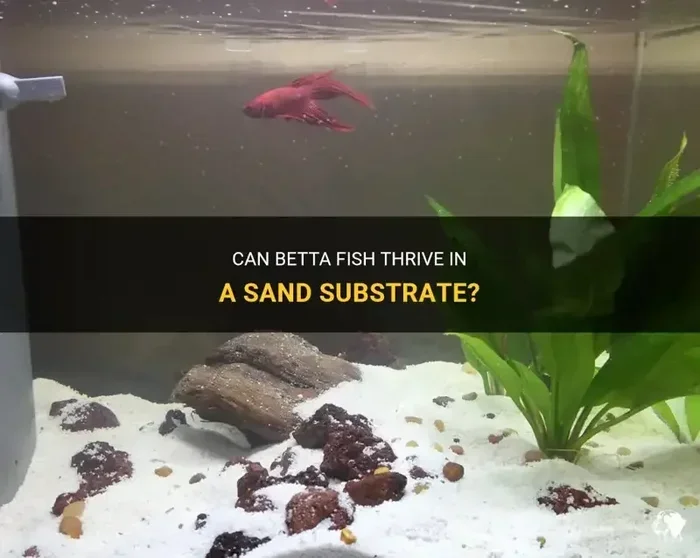
Bettas love places to hide and explore. Live plants like java fern or anubias are excellent choices. They also help keep the water clean. Silk plants work well too, but avoid sharp plastic decorations that can tear delicate fins.
Add some smooth rocks or driftwood for a natural look. Just make sure nothing in the tank has rough edges. Your betta’s flowing fins are beautiful but easily damaged.
Water Temperature and Quality: The Heart of Betta Care
How to take care of my new betta fish starts with understanding water conditions. Water quality directly affects your betta’s immune system, energy levels, and overall lifespan. Getting this right is the single most important thing you can do.
Ideal Water Temperature
Bettas need warm water to stay healthy. The ideal range is between 76 and 82 degrees Fahrenheit. Below 74°F, your betta becomes sluggish and more prone to illness. Above 86°F, the water holds less oxygen, which also stresses your fish.
A small aquarium heater with a thermostat makes this easy. Set it to 78°F and let it do the work. If you do not have a heater, consider natural ways to keep your betta warm. However, a heater is strongly recommended for consistent results.
Water Parameters to Monitor
Beyond temperature, there are a few water parameters you should keep an eye on:
- pH Level: Aim for a pH between 6.5 and 7.5. Bettas prefer slightly acidic to neutral water.
- Ammonia: Should be 0 ppm. Even small amounts are toxic to fish.
- Nitrite: Should be 0 ppm. This chemical builds up from waste and is harmful.
- Nitrate: Should be below 20 ppm. Regular water changes keep nitrates low.
You can test these parameters with a simple liquid test kit. Test strips work but are less accurate. Testing your water weekly helps you catch problems before they become serious.
How to Cycle Your Betta Tank
Cycling a tank means building beneficial bacteria that break down harmful waste. This process takes about four to six weeks. Never add your betta to an uncycled tank. The ammonia spike in a new tank can be fatal within hours.
If you need to set up a tank quickly, consider using bottled bacteria starter. These products add beneficial bacteria to speed up the cycling process. Always test your water before introducing your betta to a new environment.
Feeding Your New Betta Fish the Right Way
Feeding is one of the most enjoyable parts of betta fish care. But it is also where many new owners make mistakes. Bettas are carnivores and need a protein-rich diet. What you feed them and how often matters a lot.
Best Foods for Bettas
High-quality betta pellets should be the staple of your fish’s diet. Look for pellets where the first ingredient is whole fish or fish meal. These provide the protein bettas need to stay vibrant and active.
You can also offer variety with these foods:
- Frozen or live bloodworms: A tasty treat that bettas love. Feed sparingly as they are high in fat.
- Frozen or live brine shrimp: Great for conditioning and adding variety.
- Daphnia: A natural digestive aid and good occasional treat.
- Freeze-dried foods: Convenient and nutritious, but soak them before feeding.
Avoid feeding your betta flakes designed for tropical community fish. They lack the protein bettas need and can cause digestive issues.
Feeding Schedule and Portions
Feed your betta two small meals per day. A good rule is to offer only what your fish can eat in two minutes. Overfeeding is the number one killer of pet bettas. Excess food rots in the water and raises ammonia levels quickly.
For how to feed my betta fish properly, skip one day per week. This gives the digestive system a rest and helps prevent constipation. If your betta’s belly looks round and tight after feeding, you are giving too much food.
Common Health Issues and How to Prevent Them
Even with the best care, bettas can get sick sometimes. Knowing the warning signs early makes a huge difference. Most common betta health problems are preventable with proper tank maintenance.
Signs Your Betta Might Be Sick
Watch for these common symptoms that something is wrong:
- Clamped fins: Fins held close to the body instead of spread out.
- Loss of color: Fading or dull appearance can signal stress or illness.
- Not eating: Skipping more than one meal is a red flag.
- Lethargy: Hiding at the bottom or staying in one spot for long periods.
- Labored breathing: Gasping at the surface or rapid gill movement.
- White spots or patches: These often indicate ich or fungal infection.
Prevention Tips
The best medicine is prevention. Keep the tank clean, maintain stable water temperature, and avoid overfeeding. Stress is the biggest trigger for illness in bettas. Sudden temperature changes, loud noises, and aggressive tankmates all cause stress.
If you notice any warning signs, act quickly. Early treatment for a sick betta greatly improves the chances of recovery. Many common diseases like ich and fin rot respond well to prompt treatment with medication available at most pet stores.
Daily and Weekly Care Routine
Consistency is key when it comes to how to take care of my new betta fish. A regular routine keeps your tank stable and your fish healthy. Here is a simple schedule you can follow.
Daily Tasks
- Feed your betta two small meals, once in the morning and once in the evening.
- Watch your fish for any signs of unusual behavior or appearance.
- Check that the heater and filter are working properly.
- Remove any uneaten food after feeding time.
Weekly Tasks
- Perform a 25-30% water change using a gravel vacuum.
- Test water parameters with your liquid test kit.
- Wipe down the inside glass to remove algae buildup.
- Rinse filter media in old tank water (never tap water) to preserve beneficial bacteria.
Monthly Tasks
- Trim any dead or dying plant leaves.
- Replace filter media if it looks worn out.
- Clean the outside of the tank and equipment with a damp cloth.
- Review your setup and make any improvements needed.
Common Mistakes New Betta Owners Make
Learning from other people’s mistakes can save you a lot of trouble. Here are the most common errors new betta owners make and how to avoid them.
Mistake 1: Using Too Small a Tank
Many people start their betta in a tiny bowl or a 1-gallon tank. While a betta can survive in these conditions, it will not thrive. Small tanks fluctuate in temperature and water quality much faster. This causes chronic stress that shortens your fish’s lifespan.
Mistake 2: Skipping the Heater
Room temperature water is usually too cool for bettas. Even if your home feels warm, the water near a window or in an air-conditioned room can drop below safe levels. A reliable heater is not optional, it is essential.
Mistake 3: Overfeeding
It is tempting to give your beautiful betta lots of food. But their stomach is tiny, about the size of their eye. Overfeeding leads to bloating, constipation, and dirty water. Stick to small portions and skip one day per week.
Mistake 4: Not Doing Water Changes
Even with a filter, toxins build up over time. Regular water changes remove nitrates and replenish minerals. Skipping water changes is one of the fastest ways to make your betta sick.
Mistake 5: Adding the Wrong Tankmates
Bettas can be territorial. Never house two male bettas together. Even some peaceful community fish can nip at betta fins. If you want tankmates, research carefully and choose species that are gentle and prefer similar water conditions.
Creating a Happy and Healthy Environment for Your Betta
How to take care of my new betta fish comes down to one simple idea: create a stable, clean, and enriching environment. When the basics are right, your betta will reward you with vibrant colors, active swimming, and curious behavior.
Take time to observe your fish every day. You will learn its normal behavior and quickly notice when something changes. This daily connection is one of the best parts of owning a betta fish.
If you ever feel unsure about something, there is a wealth of information available. Whether you need advice on maintaining clean betta water or want to learn more about general betta care routines, the key is to keep learning and stay consistent.
Your new betta is lucky to have a caring owner. By following the tips in this guide, you are setting up both yourself and your fish for success. Enjoy the journey of watching your betta grow, explore, and show off its stunning colors every day.
Conclusion
How to take care of my new betta fish does not have to be complicated. Start with a proper tank setup, maintain clean water at the right temperature, feed a balanced diet, and watch for any signs of illness. These simple steps form the foundation of excellent betta fish care. Stay consistent with your routine, keep learning, and enjoy the rewarding experience of caring for your colorful companion. Your betta will thank you with years of beauty and joy.
Frequently Asked Questions
How big should my betta fish tank be?
A 5-gallon tank is the minimum recommended size for a single betta fish. This size provides enough space for swimming and helps maintain stable water conditions. Larger tanks are always better and make maintenance easier.
How often should I change my betta fish water?
Perform a 25-30% water change every week. This removes harmful nitrates and refreshes essential minerals. For smaller tanks under 5 gallons, you may need to do partial changes twice a week.
What is the best food for a betta fish?
High-quality betta pellets should be the main diet. Look for pellets with whole fish or fish meal as the first ingredient. You can supplement with frozen bloodworms, brine shrimp, or daphnia as occasional treats.
Can I keep my betta fish in a bowl without a filter?
While bettas can survive in unfiltered bowls, they thrive much better in filtered tanks. A sponge filter provides gentle filtration that suits bettas perfectly. It also helps maintain water quality between water changes.
Why is my betta fish not eating?
A betta that stops eating may be stressed, sick, or simply bored with its food. Try offering a different food type like frozen bloodworms. If the refusal continues for more than three days, check your water parameters and look for other symptoms of illness.
How can I tell if my betta fish is happy?
A happy betta will have vibrant colors, spread fins while swimming, and show curiosity about its surroundings. It will eat eagerly and explore the tank. A betta that hides constantly or has clamped fins may be stressed or unwell.
=== INTERNAL LINKS ===
For more detailed information, check out these helpful resources: