How to Take Care of Baby Betta Fish

Learning how to take care of baby betta fish is easier than most people think. With the right tank setup, proper feeding schedule, and clean water, your betta fry can grow into healthy, colorful adults. This guide covers everything you need to know from day one.
Key Takeaways
- Tiny tank setup matters: Baby bettas need a warm, clean, and safe environment to thrive from the start.
- Feeding is critical: Baby betta fish require frequent, small meals of specialized food for proper growth.
- Water quality is everything: Regular water changes and stable parameters prevent illness in fragile fry.
- Separate them early: Keeping baby bettas alone reduces stress and prevents aggression-related injuries.
- Watch for health signs: Catching diseases early makes treatment much easier and more effective.
- Patience pays off: Proper care during the baby stage sets up a long, healthy betta fish life.
📑 Table of Contents
- How to Take Care of Baby Betta Fish: A Complete Guide for New Owners
- Setting Up the Perfect Tank for Baby Betta Fish
- Feeding Your Baby Betta Fish Properly
- Water Quality and Maintenance
- Common Health Problems in Baby Betta Fish
- Growth Stages and What to Expect
- Common Mistakes to Avoid When Raising Baby Bettas
- Expert Tips for Raising Healthy Baby Betta Fish
- Conclusion
How to Take Care of Baby Betta Fish: A Complete Guide for New Owners
Welcoming a baby betta fish into your home is exciting. These tiny, colorful creatures are full of personality, even at a very young age. But how to take care of baby betta fish properly? That’s where many new fish owners get stuck.
The truth is, baby bettas need special attention. Their tiny bodies are fragile. Their water requirements are specific. And their feeding schedule is very different from adult bettas. If you get the basics right, your little fry will grow up strong and vibrant. This guide walks you through every step of the process in simple, easy-to-follow terms.
Are baby betta fish hard to take care of? Not if you know what you’re doing. With the right knowledge and a little consistency, you can raise healthy betta fry without any stress. Let’s dive into everything you need to know.
Setting Up the Perfect Tank for Baby Betta Fish
Choose the Right Tank Size
You might think a tiny bowl is fine for a baby betta. But that’s actually a common mistake. Baby bettas need at least a 5-gallon tank. A larger tank gives them room to swim and grow. It also makes it easier to keep the water stable. Small containers can cause sudden changes in water conditions, which stresses out young fish.
If you’re starting with multiple fry, consider a 10-gallon tank. This gives each baby betta enough space to claim its own territory. How to properly care for betta fish starts with the right environment, and that begins at the tank size.
Install a Gentle Filter
Baby bettas are very small and weak swimmers. A strong filter can push them around and exhaust them. Use a sponge filter set to the lowest flow rate. This keeps the water clean without creating a harsh current. The sponge filter also provides a gentle place for fry to rest.
Maintain the Right Water Temperature
Baby bettas need warm water to stay healthy. Keep the temperature between 78 and 80 degrees Fahrenheit. Use a small aquarium heater with a thermostat. Fluctuating temperatures can make your fry sick very quickly. A stable temperature supports their immune system and helps them grow at a normal rate.
Feeding Your Baby Betta Fish Properly
What to Feed Baby Betta Fish
Feeding is one of the most important parts of how to take care of baby betta fish. Baby bettas need very small, frequent meals. Their stomachs are tiny, about the size of their eye. Overfeeding can cause serious health problems, including bloating and swim bladder issues.
Start with crushed or powdered betta pellets. You can also feed them baby brine shrimp, which is packed with protein and perfect for tiny mouths. What to feed baby betta fish should always be high-quality and appropriately sized. Live or frozen foods work great too, but make sure you rinse them well first.
Feeding Schedule for Baby Bettas
Feed your baby betta fish 3 to 4 times a day. Give them only what they can eat in 2 to 3 minutes. Remove any uneaten food right away. Leftover food decays quickly and pollutes the water. A clean tank is just as important as good food.
As your betta grows, you can gradually increase the size of the food and reduce the feeding frequency. By the time they reach adulthood, twice-daily feeding is perfect. Watch your fish closely during feeding time. A healthy baby betta will have a good appetite and bright colors.
Water Quality and Maintenance
Why Clean Water Matters So Much
Baby bettas are much more sensitive to dirty water than adults. Their bodies are still developing, so they can’t handle toxins like ammonia or nitrite. Even small amounts of these chemicals can harm or kill your fry. This is why regular water maintenance is non-negotiable.
Test your water parameters every few days. You want ammonia and nitrite at zero, and nitrates below 20 ppm. How to take care of a betta fish water properly is the foundation of a healthy tank. Use a liquid test kit for the most accurate readings.
Water Change Routine
Do small water changes of about 20 to 25 percent every 2 to 3 days. Use a turkey baster or small siphon to remove debris from the substrate. Always match the temperature and pH of the new water to the existing tank water. Sudden changes in water conditions can shock and kill baby bettas.
Use a water conditioner every time you add fresh water. This removes chlorine and chloramine from tap water, which are harmful to fish. How to properly care for betta fish means making water quality your top priority from day one.
Common Health Problems in Baby Betta Fish
Spotting the Signs of Illness
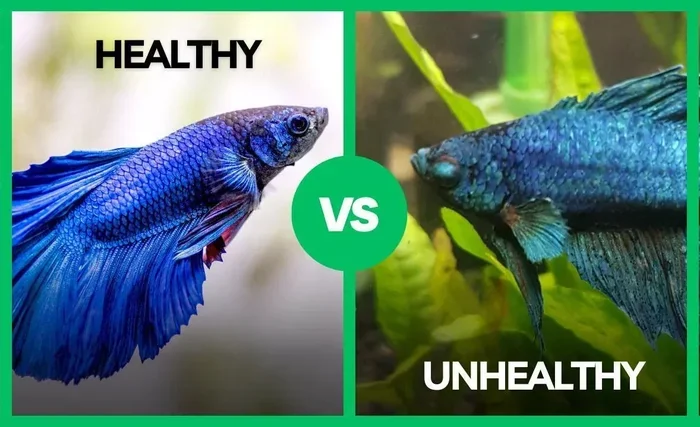
Baby bettas can get sick just like adult fish. The difference is that young fish deteriorate much faster. Watch for these warning signs:
- Clamped fins – fins held close to the body
- Loss of appetite – refusing food for more than a day
- White spots on the body – a sign of ich
- Labored breathing – gasping at the surface
- Lethargy – staying still at the bottom of the tank
- Curved spine – a sign of advanced illness or genetic issues
If you notice any of these symptoms, act fast. Isolate the sick fish if possible. Research the specific condition and start treatment immediately. How to care for sick betta fish is covered in many of our other guides if you need more detailed help.
Prevention Is Always Better Than Treatment
The best way to keep your baby bettas healthy is prevention. Maintain clean water, feed a balanced diet, and avoid sudden changes in their environment. A stress-free fish is a healthy fish. Keep the tank in a quiet area of your home, away from loud noises and direct sunlight.
Quarantine any new fish before adding them to the main tank. This prevents the spread of diseases that your baby bettas aren’t strong enough to fight yet. Prevention saves time, money, and most importantly, lives.
Growth Stages and What to Expect
Week 1 to Week 4: The Fry Stage
During the first month, your baby bettas will be extremely small. They may only be a few millimeters long. At this stage, they need infusoria or very fine powdered food. They will spend most of their time hiding and resting. This is completely normal. Don’t worry if they seem inactive.
By the end of week 4, you should start to see some color developing. Their fins may begin to grow longer. This is an exciting time for any betta fish keeper.
Week 4 to Week 12: The Juvenile Stage
Between weeks 4 and 12, your bettas will grow quickly. They’ll start eating larger foods and become more active. You can begin introducing baby brine shrimp and micro worms into their diet. Their personalities will start to show during this stage too.
Some males may start showing fin color and aggression around this time. This is a good reminder to keep them separated. Each baby betta needs its own space to thrive. How to take care of a veiltail betta fish or other varieties follows similar principles during the early stages.
Month 3 and Beyond: Growing Into Adults
By month 3, your baby bettas are essentially juveniles. They’ll be about an inch long and fully independent. Continue feeding them well and maintaining clean water. At this point, you can transition them to an adult feeding schedule and diet. By 6 months, most bettas reach their full size and color potential.
Common Mistakes to Avoid When Raising Baby Bettas
Overfeeding
This is the number one mistake new owners make. Baby bettas have tiny stomachs. Too much food leads to bloating, constipation, and dirty water. Stick to small portions and feed frequently rather than giving one large meal.
Using the Wrong Tank Setup
Some people keep baby bettas in tiny cups or bowls. This might work temporarily, but it’s not ideal. A proper tank with filtered, heated water gives your fry the best chance at a healthy life. How to care for betta fish in bowl setups can work for short periods, but a real aquarium is always better.
Ignoring Water Changes
Dirty water is the silent killer of baby bettas. Even if your fish look fine, poor water quality will eventually cause problems. Stay on top of your water change schedule. Your fry will thank you with healthy growth and bright colors.
Keeping Multiple Males Together
Male bettas are territorial by nature. This doesn’t change just because they’re babies. Keeping two males in the same tank will lead to fighting and injuries. Always give each male its own tank. How to take care of a betta male fish means providing individual space from the start.
Expert Tips for Raising Healthy Baby Betta Fish
Here are some extra tips from experienced betta keepers that make a real difference:
- Use a mirror sparingly. Showing a baby betta its reflection can stress them out. Limit mirror time to just a few minutes a day.
- Keep the tank covered. Baby bettas are curious jumpers. A tight-fitting lid prevents escapes and keeps the humidity up.
- Add live plants. Soft-leaved plants like java moss give fry places to hide and feel safe. They also help keep the water clean.
- Be patient with growth. Every betta grows at its own pace. Some take longer to develop color, and that’s perfectly normal.
- Record your observations. Keep a simple log of feeding times, water changes, and any health notes. This helps you spot patterns and catch problems early.
Raising baby betta fish is a rewarding experience. You get to watch them grow from tiny specks into beautiful, fully developed fish. The effort you put in during the early stages pays off with a healthy, happy betta that can live 3 to 5 years or even longer with proper care.
If you want to learn more about general betta fish care, check out our guide on how to care for a betta fish 101. It covers all the essentials in a beginner-friendly format. And if you’re curious about whether baby bettas are harder to raise than adult fish, we have a detailed article on are baby betta fish hard to take care of that addresses this question directly.
Conclusion
How to take care of baby betta fish comes down to three core things: a clean and warm tank, proper frequent feeding, and close attention to their health. It might seem like a lot at first, but once you get into a routine, it becomes second nature. The key is consistency and patience.
Your baby bettas are counting on you to give them a great start in life. With the tips and advice in this guide, you’re fully equipped to do just that. Set up their tank, stick to a feeding schedule, keep the water clean, and enjoy watching them grow. Raising baby bettas is one of the most satisfying experiences in the fish-keeping hobby. You’ll be glad you put in the effort.
Frequently Asked Questions
How often should I feed baby betta fish?
Feed your baby betta fish 3 to 4 times a day in very small amounts. Each feeding should be something they can finish in 2 to 3 minutes. Frequent small meals support their rapid growth without overwhelming their tiny digestive systems.
What size tank do baby betta fish need?
A 5-gallon tank is the minimum recommended size for baby bettas. This gives them enough room to swim and explore while making it easier to maintain stable water conditions. A 10-gallon tank is even better if you’re raising multiple fry.
When can baby betta fish eat regular betta food?
Baby bettas can start eating small pellets or flakes crushed into a fine powder from around 4 weeks old. Gradually increase the food size as they grow. By 3 months, they should be able to eat standard betta pellets without any issues.
How long do baby betta fish take to grow up?
Baby bettas reach juvenile size by about 3 months and are considered adults by 6 months. However, full color development can take up to 8 months or longer depending on the variety and care they receive.
Can baby betta fish live together?
It’s best to keep baby bettas separated, especially males. They become territorial quickly and may fight, causing injuries. Each baby betta should have its own tank to grow up healthy and stress-free.
What water temperature is best for baby betta fish?
Keep the water temperature between 78 and 80 degrees Fahrenheit. Use a reliable aquarium heater and thermometer to maintain stable conditions. Sudden temperature drops can weaken a baby betta’s immune system and lead to illness.