How to Take Care of a Betta Fish for Kids
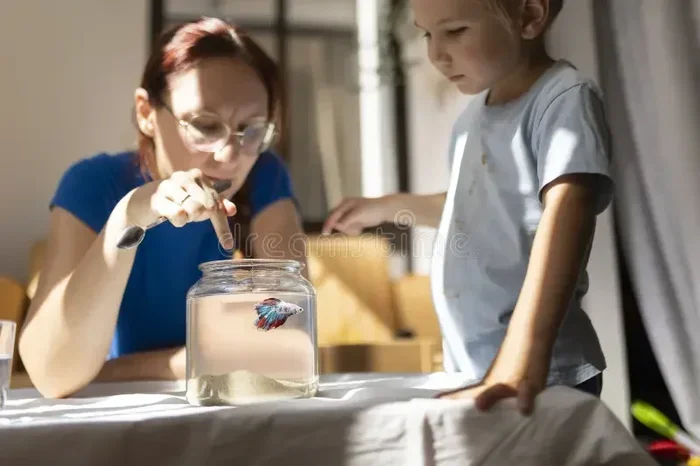
Taking care of a betta fish is a wonderful way to teach kids responsibility and compassion. This guide covers everything children need to know about how to take care of a betta fish for kids, from setting up the tank to feeding and cleaning. With simple steps and fun tips, your child will become a confident betta fish care expert in no time.
Are you thinking about getting a betta fish as a pet for your child? That is a fantastic idea! Betta fish are colorful, active, and fascinating to watch. They make pet fish for children because they do not need a huge setup or constant attention. Still, every pet needs proper care to stay healthy and happy.
This guide will walk you through everything your child needs to know about how to take care of a betta fish for kids. We will cover the tank, food, water, and daily habits. By the end, your little one will feel ready and excited to welcome their new finned friend home.
Betta fish care does not have to be complicated. With a few simple rules and a bit of consistency, any child can learn to keep their betta fish healthy. Let us dive right in and explore each part of caring for betta fish together.
Key Takeaways
- Start Small: A betta fish is the perfect first pet for kids because it is low-maintenance and easy to understand.
- Tank Setup Matters: A proper betta fish habitat with the right temperature and decorations keeps your fish happy and healthy.
- Feeding Is Simple: Kids can easily learn the right betta fish food amounts and feeding schedule.
- Clean Water Is Key: Regular fish tank cleaning and water changes prevent illness and keep your betta thriving.
- Watch for Warning Signs: Knowing what a healthy betta looks like helps kids spot problems early.
- Make It Fun: Turning pet care for kids into a daily routine builds lasting habits and confidence.
📑 Table of Contents
Why Betta Fish Make Great Pets for Kids
Before we get into the betta fish tank setup, let us talk about why bettas are such a good choice for young pet owners. Betta fish lifespan can reach two to five years with proper care. That means your child can enjoy their pet for a long time.
Bettas are also called Siamese fighting fish. They come in bright colors like red, blue, green, and purple. Their flowing fins make them look like little underwater dancers. Kids love watching them swim around their betta fish habitat.
Unlike dogs or cats, betta fish do not need walks or grooming. They are quiet and gentle. A child can learn pet care for kids basics without feeling overwhelmed. Are betta fishes easy to take care of? Yes, but they still need daily attention and a clean home.
What Makes Bettas Special
Betta fish are native to warm, shallow waters in Southeast Asia. They have a special organ called the labyrinth, which lets them breathe air from the surface. This is why they can live in smaller tanks compared to other fish.
However, small does not mean low-effort. Your child will still need to check on their betta every day. Teaching kids about betta fish maintenance early on builds empathy and routine. It also helps them understand that every living creature deserves care and respect.
Setting Up the Perfect Betta Fish Habitat
The first step in how to take care of a betta fish for kids is creating a safe and comfortable home. A proper betta fish tank setup makes a huge difference in your fish’s health and happiness.
Choosing the Right Tank Size
Many people think bettas can live in tiny bowls. That is a common betta fish bowl myth. In reality, a tank of at least 5 gallons is best. A larger tank gives your betta more room to swim and keeps the water stable.
Here are some tips for choosing the right tank:
- Start with 5 gallons or more. This gives your betta enough space to explore.
- Choose a tank with a lid. Bettas can jump, so a cover keeps them safe.
- Pick a tank with a filter. A gentle filter keeps the water clean without creating too much current.
- Add a heater. Betta fish water temperature should stay between 76 and 82 degrees Fahrenheit.
You can involve your child in picking out the tank and decorations. Let them choose small plants, caves, or colorful gravel. Making the betta fish environment fun encourages kids to take ownership of their pet’s home.
Decorations and Safe Plants
Decorations are not just for looks. They give your betta places to hide and explore. Live or silk plants are great choices. Avoid plastic plants with sharp edges, as they can tear your betta’s delicate fins.
Some easy plants for betta tanks include java fern, anubias, and live moss. These plants also help keep the water clean naturally. Your child will enjoy watching their betta swim through the greenery.
Feeding Your Betta Fish the Right Way
Feeding betta fish is one of the most exciting parts of betta fish care for kids. Bettas are carnivores, which means they eat meat-based foods. Their diet is simple but important.
What to Feed Your Betta
The best betta fish food options include:
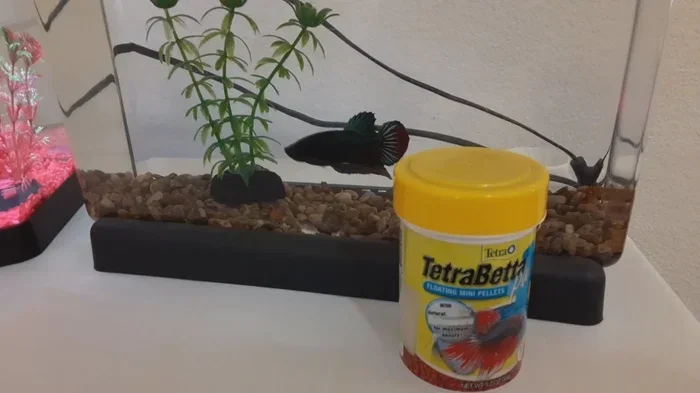
- Betta pellets. These are specially made for bettas and contain all the nutrients they need.
- Frozen or freeze-dried bloodworms. These are a tasty treat that most bettas love.
- Brine shrimp. Another great occasional treat that adds variety to their diet.
Feed your betta two to three small pellets once or twice a day. Kids should learn not to overfeed. Extra food sinks to the bottom and makes the water dirty. A good rule is to feed only what your betta can eat in two minutes.
Feeding Schedule for Kids
Creating a simple feeding schedule helps kids stay consistent. Here is an easy routine:
- Morning: Give 2-3 pellets after breakfast.
- Evening: Give 2-3 pellets before dinner.
- Treat day: Once a week, offer a bloodworm or brine shrimp treat.
Let your child be in charge of the feeding schedule. This builds betta fish maintenance habits and teaches them about responsibility. Just make sure an adult checks the amount to prevent overfeeding.
Keeping the Tank Clean and Safe
Clean water is one of the most important parts of how to take care of a betta fish for kids. A dirty tank can make your betta sick. The good news is that fish tank cleaning does not have to be hard.
Water Changes
You should change about 25 to 30 percent of the tank water every week. This removes waste and keeps the water fresh. Here is how to do it step by step:
- Prepare new water. Use how to prepare water for a betta fish methods. Always treat tap water with a water conditioner to remove chlorine and harmful chemicals.
- Siphon out old water. Use a small gravel vacuum to remove debris from the substrate.
- Add fresh water. Slowly pour the treated water into the tank. Make sure it is close to the same temperature as the tank water.
Involving your child in water changes teaches them about water quality and betta fish health. They will learn that clean water equals a happy fish.
Daily Checks Kids Can Do
Every day, your child can do a few simple checks:
- Look at the betta. Is it swimming normally? Are its colors bright?
- Check the temperature. Use a small thermometer to make sure the water is in the right range.
- Look at the filter. Is it running smoothly?
- Remove any leftover food. Uneaten food can pollute the water quickly.
These small daily habits go a long way in betta fish care. They also help kids feel like real pet owners.
Spotting Signs of a Healthy or Sick Betta Fish
Part of caring for betta fish is knowing what normal looks like. When your child can recognize a healthy betta, they can spot problems early.
Signs of a Healthy Betta
A healthy betta fish will show these signs:
- Bright, vibrant colors. The fins should be vivid and flowing.
- Active swimming. Your betta should move around the tank with energy.
- Good appetite. A healthy betta will eat eagerly at feeding time.
- Clean fins. There should be no tearing, fraying, or white spots.
- Normal breathing. The gills should move steadily, not rapidly.
Signs Your Betta Might Be Sick
Watch out for these warning signs:
- Clamped fins. Fins held close to the body can mean stress or illness.
- Loss of color. Fading colors often signal that something is wrong.
- Not eating. Skipping more than one or two feedings is a red flag.
- White spots on the body. This could be a common condition called ich.
- Staying at the bottom of the tank. Lethargy can indicate poor water quality or disease.
If you notice any of these signs, it is important to act quickly. You can learn more about how to care for sick betta fish to help your child understand what to do. Early action can save your betta’s life.
Fun Ways Kids Can Help with Betta Fish Care
Making betta fish care fun is the best way to keep kids engaged. When pet care feels like a game, children are more likely to stick with it.
Create a Care Chart
Sit down with your child and create a weekly betta fish maintenance chart. Write down daily, weekly, and monthly tasks. Let them place stickers or check marks each time they complete a task. This visual tracker makes pet care for kids feel rewarding and gives them a sense of accomplishment.
Name Your Betta Fish
Giving the betta a name helps kids form a bond with their pet. Let your child pick a creative name. Once named, they will feel more connected and motivated to take good care of their fish.
Observe and Journal
Encourage your child to keep a small betta fish behavior journal. They can draw pictures, write notes, or record what they observe each day. This builds observation skills and makes betta fish care an educational experience.
Teach Water Safety
Always supervise younger children around the tank. Teach them never to put their hands in the water. Soap residue on hands can harm the fish. Make sure older kids understand the importance of washing hands before and after tank maintenance.
Following how to properly care for betta fish guidelines ensures that both your child and their pet stay safe and healthy. The goal is to build a positive, long-lasting relationship between your kid and their fish.
Common Mistakes to Avoid
Even with the best intentions, mistakes can happen. Here are some common pitfalls to watch out for:
- Overfeeding. This is the number one mistake. Extra food clouds the water and can make your betta sick.
- Too small a tank. A tiny bowl may look cute, but it does not give your betta enough room or stable water conditions.
- Skipping water changes. Dirty water leads to stress and illness. Stick to your weekly schedule.
- Placing the tank in direct sunlight. This can cause the water temperature to spike and promote algae growth.
- Using tap water without conditioner. Chlorine and chloramine in tap water are harmful to bettas.
By knowing these mistakes, your child can avoid them and become a confident and caring pet owner.
Final Thoughts
How to take care of a betta fish for kids is a rewarding journey that teaches responsibility, empathy, and patience. From setting up the perfect betta fish habitat to feeding, cleaning, and watching for signs of illness, every step matters. Your child will gain confidence and joy from caring for their pet every single day.
Remember that betta fish care is a team effort. Start with simple tasks and gradually let your child take on more responsibility as they grow. Celebrate their progress and encourage them along the way. With the right guidance, your kid and their betta fish will share a wonderful friendship for years to come.
If you want to learn more about general how to care for a betta fish topics, check out our other guides for even more helpful tips. Happy fish keeping!
Frequently Asked Questions
What is the best tank size for a child’s betta fish?
A 5-gallon tank is the minimum recommended size for a betta fish. It gives your fish enough room to swim and helps keep the water stable. Larger tanks are even better and make betta fish care easier for both kids and parents.
How often should kids feed a betta fish?
Feed your betta fish two to three small pellets once or twice a day. Kids should learn to stick to a schedule and avoid overfeeding. A good rule is to feed only what the betta can finish in about two minutes.
Can a child clean a betta fish tank by themselves?
Older children can help with partial water changes under adult supervision. Younger kids should watch and learn first. Always have an adult handle the water conditioner and check the temperature. Teaching kids step by step builds their confidence in pet care for kids routines.
What temperature should a betta fish tank be kept at?
The ideal betta fish water temperature is between 76 and 82 degrees Fahrenheit. A small aquarium heater with a thermostat works well to maintain this range. Kids can learn to check the temperature daily as part of their betta fish maintenance routine.
How can kids tell if their betta fish is happy and healthy?
A healthy betta has bright colors, flows its fins gracefully, and swims actively. It eats well and has clean, unbroken fins. Teaching kids to observe these signs helps them understand betta fish behavior and take pride in their pet’s well-being.
Are betta fish easy pets for beginners and kids?
Yes, betta fish are among the easiest pet fish for children to care for. They do not need a large tank or complex equipment. However, they still need daily attention, clean water, and proper feeding. Starting with a simple routine makes caring for betta fish a fun and educational experience for kids.