How to Take Care Betta Fish
Learning how to take care betta fish is easier than most people think. With the right tank setup, proper feeding routine, and clean water, your betta can live a happy and healthy life for years. This guide covers everything you need to know, from choosing the perfect tank to keeping your fish safe from common diseases.
Bettas are some of the most beautiful and fascinating fish you can keep at home. Their flowing fins and vibrant colors make them stand out in any room. But many people don’t realize that how to take care betta fish properly requires more than just dropping them in a small bowl with a plastic plant. These fish need the right environment, a good feeding routine, and regular attention to stay healthy and happy.
If you’re new to keeping bettas or you’ve had one for a while but want to do better, this guide is for you. We’ll walk you through every important step. You’ll learn about tank setup, water care, feeding, health, and so much more. By the end, you’ll feel confident and ready to give your betta the best life possible.
The good news is that bettas are hardy fish. They can adapt to a range of conditions. But hardy doesn’t mean indestructible. With a little knowledge and effort, you can make a huge difference in your fish’s quality of life. Let’s dive in and explore everything you need to know about betta fish care.
Key Takeaways
- Right Tank Size Matters: A minimum 5-gallon tank gives your betta room to swim and stay healthy.
- Water Quality Is Critical: Keep the temperature between 76-82°F and use a water conditioner to remove harmful chemicals.
- Feed Smart: Feed your betta small amounts twice a day and avoid overfeeding to prevent health problems.
- Watch for Warning Signs: Learn to spot early signs of disease like clamped fins, loss of color, or lethargy.
- Enrichment Makes a Difference: Add plants, hiding spots, and gentle stimulation to keep your betta mentally active.
- Avoid Common Mistakes: Don’t keep bettas in tiny bowls, skip water changes, or house them with aggressive tank mates.
📑 Table of Contents
Setting Up the Perfect Tank for Your Betta Fish
The foundation of great betta fish care starts with the right tank. Many people buy those tiny bowls from the pet store, and that’s one of the biggest mistakes you can make. A small bowl limits your fish’s movement and makes it hard to maintain stable water conditions.
Choosing the Right Tank Size
A 5-gallon tank is the minimum recommended size for a single betta. This gives your fish enough space to swim around and explore. Larger tanks, like 10 gallons, are even better because they provide more stable water parameters. When you go bigger, you also have more room for decorations and plants that make your betta feel safe and comfortable.
Here’s a quick look at tank size options and what they offer:
- 1-2 gallons: Too small for long-term betta health. Avoid if possible.
- 5 gallons: The minimum. Good for a single betta with basic equipment.
- 10 gallons: Ideal. More stable water and room for plants and décor.
- 20 gallons or more: Great if you plan to add peaceful tank mates later.
Essential Equipment for a Betta Tank
Your betta’s tank needs a few key pieces of equipment to stay healthy. First, a heater is essential. Bettas are tropical fish and need warm water between 76 and 82 degrees Fahrenheit. Without a heater, the temperature can drop too low and make your fish stressed or sick.
Next, you need a filter. But not just any filter. Bettas don’t like strong currents because their long fins make them slow swimmers. Choose a filter with an adjustable flow or sponge filter that provides gentle filtration. This keeps the water clean without tiring your fish out.
For betta fish tank setup, add some live or silk plants. These give your betta places to hide and rest. Avoid sharp plastic plants that can tear their delicate fins. A soft substrate like sand or fine gravel also helps create a natural and comfortable environment.
Water Quality and Temperature: The Most Important Part
Water quality is the single most important factor in how to take care betta fish. Bettas are sensitive to changes in their environment. Poor water conditions can lead to stress, disease, and even death. Keeping your water clean and stable should be your top priority.
Testing Your Water Parameters
You should test your tank water regularly using a liquid test kit. The key parameters to watch are ammonia, nitrite, nitrate, and pH. Ammonia and nitrite should always read zero. Nitrate should stay below 20 parts per million. The ideal pH for bettas is between 6.5 and 7.5, which is slightly acidic to neutral.
Using tap water conditioner is a must. Tap water contains chlorine and chloramine that are harmful to fish. A good conditioner removes these chemicals and makes the water safe for your betta. Always treat new water before adding it to the tank.
How to Do Water Changes the Right Way
Regular water changes are crucial for maintaining a healthy environment. For a 5-gallon tank, change about 25 to 30 percent of the water every week. For larger tanks, a 20 percent weekly change works well. Use a gravel vacuum to remove debris from the substrate while you drain the old water.
Always match the temperature of the new water to the tank water. Sudden temperature drops can shock your betta and weaken its immune system. Prepare the new water in advance and let it sit with the conditioner for a few minutes before adding it slowly to the tank.
For more detailed guidance on maintaining clean and safe water for your betta, check out our guide on how to take care of betta fish water. It covers water testing, conditioning, and cycling in depth.
Feeding Your Betta Fish the Right Way
Feeding your betta might seem simple, but there’s more to it than just tossing in some flakes. What you feed and how often you feed directly impacts your fish’s health, color, and lifespan. A proper feeding routine is one of the easiest ways to keep your betta thriving.
What to Feed Your Betta
High-quality betta fish food should be the staple of your fish’s diet. Look for pellets or flakes that list fish or shrimp as the first ingredient. Avoid foods filled with fillers like cornmeal or wheat, which offer little nutritional value. Some great options include freeze-dried bloodworms, brine shrimp, and daphnia as occasional treats.
You can also feed your betta live or frozen foods. Live brine shrimp and bloodworms are excellent sources of protein and can really bring out your fish’s vibrant colors. Just make sure to buy from reputable sources to avoid introducing parasites or bacteria into the tank.
How Often and How Much to Feed
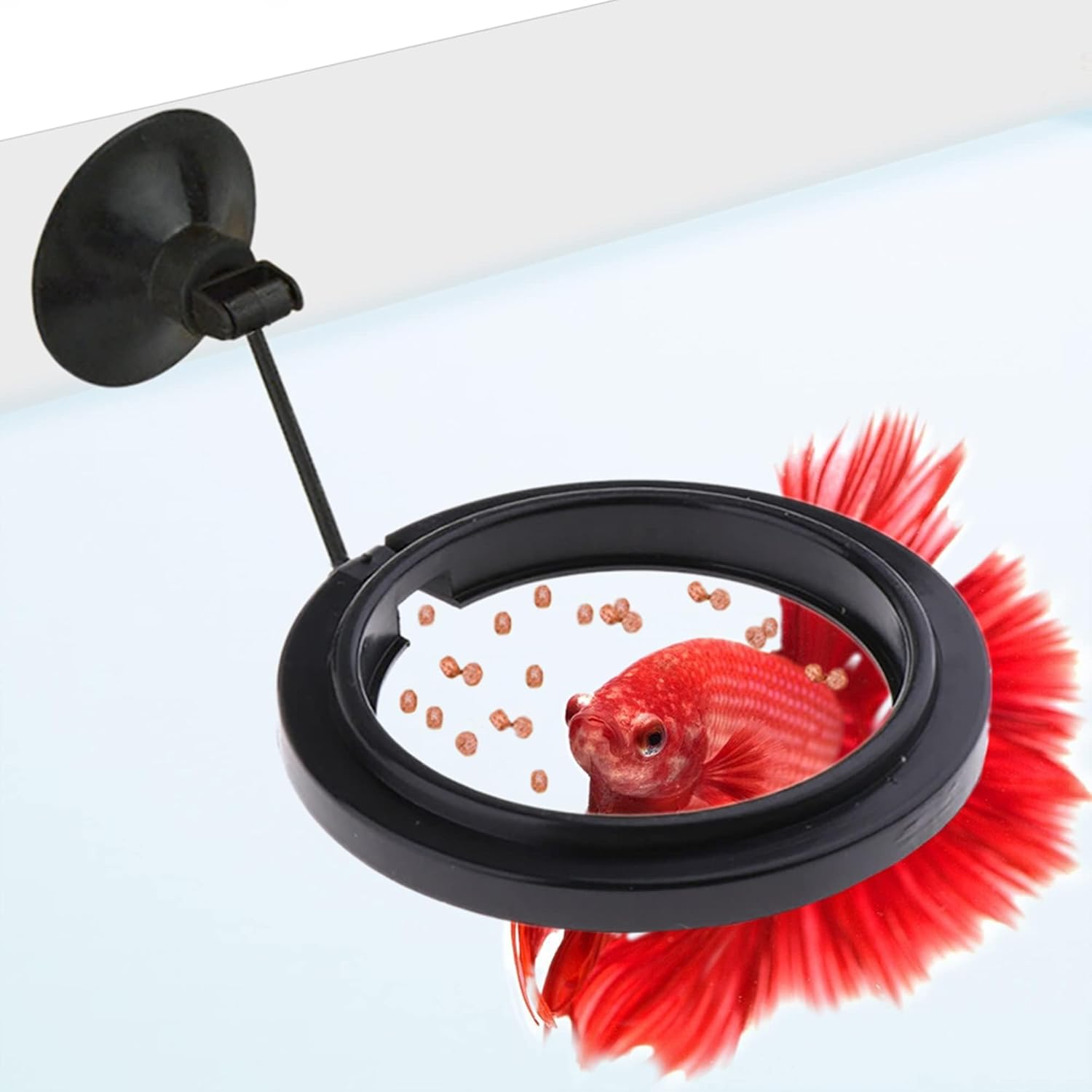
Feed your betta two to three small meals per day. Each meal should be about the size of your fish’s eye. This might seem tiny, but it’s the perfect portion. Overfeeding is one of the most common mistakes betta owners make. Uneaten food sinks to the bottom, decays, and pollutes the water. This spikes ammonia levels and can make your fish very sick.
Consider adding one fasting day per week where you don’t feed at all. This helps your betta’s digestive system process any remaining food and prevents constipation. Betta fish are prone to bloating, and a weekly fast can really help with that.
Keeping Your Betta Fish Healthy
Prevention is always better than cure when it comes to betta fish health. A well-maintained tank with stable conditions goes a long way in keeping diseases away. But even with the best care, illnesses can sometimes happen. Knowing what to look for and how to respond can save your fish’s life.
Common Diseases and How to Spot Them
Some of the most common health issues in bettas include ich, fin rot, and velvet disease. Ich shows up as white spots on the body and fins. Fin rot causes the edges of the fins to look ragged or discolored. Velvet disease appears as a fine gold or rust-colored dust on the fish’s scales.
Other warning signs to watch for include:
- Clamped fins: Fins held close to the body instead of spread out.
- Loss of color: Fading or dullness in the fish’s natural coloring.
- Lethargy: Spending most of the time at the bottom or hiding.
- Loss of appetite: Refusing food for more than a day or two.
- Labored breathing: Gasping at the surface or rapid gill movement.
If you notice any of these signs, act quickly. Early intervention makes a huge difference. For detailed guidance on treating common illnesses, our article on how to care for sick betta fish covers treatment options and quarantine procedures step by step.
Prevention Tips
The best way to keep your betta healthy is through prevention. Maintain clean water, feed a balanced diet, and avoid sudden changes in temperature or water chemistry. Quarantine any new fish before adding them to your main tank. This prevents the spread of diseases that new arrivals might carry.
Also, avoid placing the tank in direct sunlight or near drafts. Both can cause temperature swings that stress your fish. A stable environment is one of the most powerful tools you have for keeping your betta healthy and happy.
Betta Fish Behavior and Enrichment
Bettas are more intelligent and curious than many people realize. In the wild, they explore, hunt, and interact with their surroundings every day. Giving your pet betta plenty of enrichment keeps them mentally stimulated and brings out their natural behaviors.
Signs of a Happy Betta
A happy betta will be active and curious. You’ll see them exploring the tank, building bubble nests at the surface, and flaring their fins occasionally. Their colors should be vibrant and their fins should flow gracefully. A well-fed betta with a good appetite is usually a healthy betta.
Some bettas also enjoy interacting with their owners. You might notice your fish swimming to the front of the tank when you approach. This is a great sign that your fish feels comfortable and safe in its environment.
Adding Enrichment to the Tank
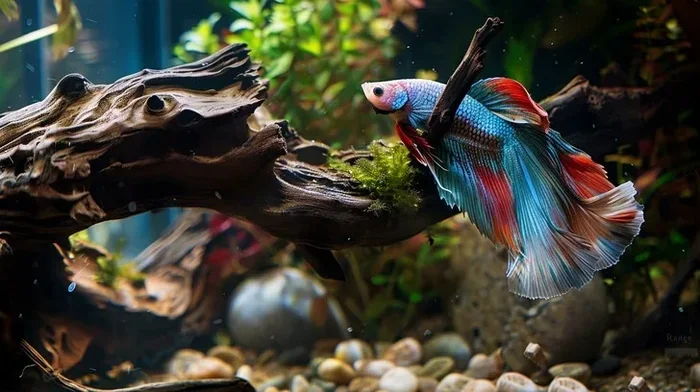
You can enrich your betta’s environment in several simple ways. Add live plants like java fern or anubias, which are soft and safe for betta fins. Place a few caves or hiding spots using driftwood or ceramic décor. These give your fish places to explore and rest.
Some betta owners even use mirror stimulation briefly to encourage natural flaring behavior. Just a few minutes a day is enough. You can also try floating plants like frogbit, which bettas love to peek at from below. These small additions make a big difference in your fish’s overall well-being.
Common Mistakes to Avoid in Betta Fish Care
Even well-meaning owners can make mistakes that harm their bettas. Knowing what to avoid is just as important as knowing what to do right. Here are the most common errors people make when caring for their betta fish.
- Keeping bettas in tiny bowls: A bowl under 2 gallons is not suitable for long-term health. Bettas need space to swim and stable water conditions.
- Skipping the heater: Room temperature water is usually too cold for bettas. A heater is non-negotiable for a healthy fish.
- Overfeeding: This leads to obesity, constipation, and dirty water. Stick to small portions and feed consistently.
- Using the wrong filter: Strong hang-on-back filters create currents that tire out bettas. Choose gentle sponge filters instead.
- Ignoring water changes: Even with a filter, waste builds up over time. Regular water changes are essential.
- Housing bettas with aggressive tank mates: Bettas have long fins that slow them down. Avoid fin-nipping or aggressive species.
Avoiding these mistakes puts you well ahead of most betta owners. Your fish will thank you with vibrant colors, active behavior, and a long, healthy life.
Final Thoughts on Betta Fish Care
Learning how to take care betta fish properly is a rewarding journey. Once you understand their needs, the daily routine becomes second nature. You’ll find joy in watching your fish explore their tank, build bubble nests, and show off their stunning colors. The bond that forms between a betta owner and their fish is truly special.
Start with the basics: a proper tank, clean water, a good heater, and a balanced diet. From there, you can refine your approach and try new enrichment ideas. The most important thing is that you care enough to learn and do better. Your betta fish is lucky to have an owner who wants to give them the best life possible.
Remember, every small effort counts. A clean tank, a consistent feeding schedule, and a watchful eye for changes in behavior all add up to a happy and thriving fish. Enjoy the process and celebrate the little wins along the way. Your betta is counting on you, and with the knowledge from this guide, you’re more than ready to give them exactly what they need.
Frequently Asked Questions
How often should I clean my betta fish tank?
For a 5-gallon tank, do a 25 to 30 percent water change every week. For larger tanks, a 20 percent weekly change works well. You should also vacuum the substrate during each water change to remove debris and waste buildup.
Can betta fish live in a bowl without a filter?
While bettas can survive in a bowl without a filter, it’s not ideal. Without filtration, water quality drops quickly and you’ll need to do much more frequent water changes. A sponge filter is a great, gentle option that keeps the water clean without creating strong currents.
What is the best food for betta fish?
High-quality betta pellets or flakes should form the base of their diet. Look for foods where fish or shrimp are the first ingredient. Supplement with freeze-dried or frozen bloodworms, brine shrimp, and daphnia as treats a few times a week for added nutrition and color.
Why is my betta fish not eating?
A loss of appetite can be caused by several factors including poor water quality, low water temperature, stress, or illness. Check your water parameters and temperature first. If those are stable, try offering different food types. If the refusal continues for more than a few days, look for other signs of illness.
How long do betta fish live on average?
With proper care, betta fish typically live between 3 and 5 years. Some well-cared-for bettas have been known to live even longer. The key factors that influence lifespan include water quality, diet, tank size, and overall stress levels in the environment.
Can I keep two betta fish together?
Generally, two male bettas should never be kept together. They will fight and can seriously injure or kill each other. Female bettas can sometimes be kept in small groups called sororities, but this requires a larger tank with plenty of hiding spots and careful monitoring. Always research thoroughly before attempting to house multiple bettas together.