How to Store and Keep a Betta Fish
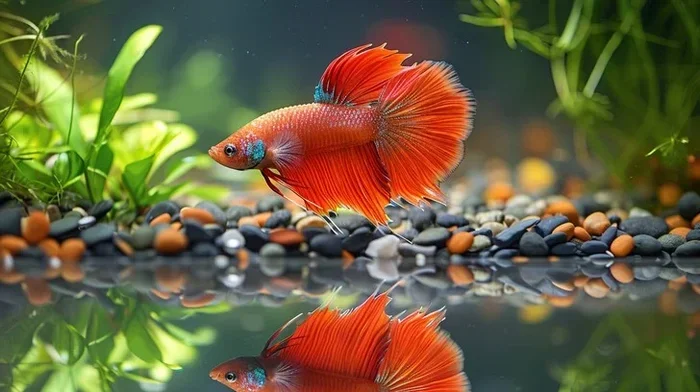
Knowing how to store and keep a betta fish properly is essential for every fish owner. Whether you need a temporary storage solution during travel or want to set up a long-term home, this guide covers everything you need. We walk you through tank setup, water quality, temperature control, feeding, and common mistakes to avoid. Follow our expert tips to keep your betta fish happy, healthy, and thriving for years to come.
Whether you are transporting your betta fish, moving them to a temporary container, or setting up their permanent home, understanding how to store and keep a betta fish correctly makes all the difference. A betta fish is a living creature that depends on you for its comfort, safety, and well-being. Poor storage or housing choices can lead to stress, disease, and even death. This guide gives you everything you need to know, from temporary containers to long-term tank setups. We break it all down into simple, actionable steps that any fish owner can follow.
Betta fish are popular pets because of their vibrant colors and flowing fins. But they are also more sensitive than many people realize. Temperature swings, dirty water, and improper handling can cause serious health problems fast. That is why learning the right way to store and keep a betta fish is so important. Whether you are a beginner or an experienced fish keeper, this article will help you provide the best care possible.
The good news is that keeping a betta fish healthy does not have to be complicated. With the right knowledge and a few simple tools, you can create a safe and comfortable environment. Let us dive into the details and make sure your betta thrives.
Key Takeaways
- Proper storage starts with a clean, cycled container that mimics your betta’s natural habitat and keeps water conditions stable.
- Temperature control is critical — betta fish need warm water between 76°F and 82°F to stay healthy and active.
- Water quality matters more than tank size — regular water changes and conditioning prevent illness and stress.
- Avoid common storage mistakes like using untreated tap water, overcrowding, or skipping filter cycling.
- Long-term care includes a proper tank setup with hiding spots, gentle filtration, and a consistent feeding routine.
- Watch for stress signals like clamped fins, lethargy, or loss of color, and act quickly to correct the issue.
📑 Table of Contents
Understanding Your Betta Fish’s Basic Needs
Before you learn how to store and keep a betta fish, you need to understand what they need to survive and thrive. Betta fish come from the warm, slow-moving waters of Southeast Asia. They are used to warm temperatures, gentle currents, and plenty of places to hide and explore. Replicating these conditions in your home is the foundation of good betta care.
Every betta fish needs five basic things to stay healthy:
- Warm water between 76°F and 82°F
- Clean, conditioned water free of chlorine and heavy metals
- A cycled tank or container with beneficial bacteria
- A gentle filter that does not create strong currents
- A consistent feeding routine with high-quality food
When any of these needs are not met, your betta fish will show signs of stress. These signs include clamped fins, loss of color, rapid breathing, and lethargy. Catching these early warning signals gives you a chance to fix the problem before it becomes serious. The better you understand your betta’s needs, the easier it is to store and keep them safely in any situation.
Why Water Quality Is the Foundation of Betta Health
Water quality is the single most important factor in betta fish care. Dirty or untreated water can cause diseases like ich, fin rot, and fungal infections. When storing a betta fish temporarily, you still need to maintain clean water conditions. This means using water conditioner to remove chlorine and chloramine from tap water. It also means avoiding sudden changes in water temperature or chemistry.
If you are setting up a permanent home, you should cycle the tank before adding your betta. Cycling builds up beneficial bacteria that break down harmful ammonia and nitrites. This process takes about four to six weeks but is well worth the effort. A well-cycled tank keeps your betta fish healthy and reduces the need for frequent water changes.
How to Store a Betta Fish Temporarily
There are many situations where you might need to store a betta fish temporarily. Maybe you are moving to a new home, traveling, or cleaning their main tank. Whatever the reason, temporary storage must be safe, clean, and stress-free for your fish.
Choosing the Right Container for Storage
The first step in temporary storage is picking the right container. A clean plastic bin, a sturdy storage tote, or even a large bucket can work well. The container should be big enough for your betta to swim around comfortably. A general rule is at least one gallon of water per betta fish, but bigger is always better.
Make sure the container is free of any chemicals or residues. Never use a container that previously held cleaning products or other chemicals. Rinse it thoroughly with clean water before adding any water or fish. If possible, use a container with a lid to prevent your betta from jumping out. Betta fish are known jumpers, and a secure lid can save your fish from a dangerous escape.
For longer storage periods, consider using a container similar to the one described in our guide on how to keep your betta fish warm. Maintaining warmth during storage is essential, especially in colder months.
Setting Up the Temporary Storage Environment
Once you have your container, you need to set it up properly. Start by adding conditioned water at the correct temperature. Use a thermometer to check that the water is between 76°F and 82°F. If the water is too cold, your betta fish can go into shock or develop illnesses like ich.
Here is a simple checklist for setting up temporary storage:
- Rinse the container with clean water only
- Add water conditioner to remove chlorine and chloramine
- Check the water temperature with a thermometer
- Add a small air stone or gentle filter if storage lasts more than a few hours
- Place the container in a quiet, dim area away from direct sunlight
- Cover the container to prevent jumping and temperature swings
Keep the storage container in a stable environment. Avoid placing it near windows, heaters, or air conditioning vents. Temperature fluctuations are one of the biggest risks during temporary storage.
How Long Can You Safely Store a Betta Fish?
Short-term storage of a few hours to a day is generally safe if the water is clean and warm. For storage lasting one to three days, you should add a small air stone or sponge filter to maintain oxygen levels. If you need to store your betta for longer than three days, consider transferring them to a properly cycled tank instead.
During storage, feed your betta lightly or skip feeding altogether. Uneaten food can dirty the water quickly in a small container. A fasting period of one to two days will not harm your betta fish and helps keep the storage water cleaner.
Long-Term Betta Fish Keeping Essentials
Temporary storage is different from long-term keeping. When you are ready to set up a permanent home for your betta, you need to think about tank size, equipment, decoration, and maintenance routines. A well-planned long-term setup reduces stress and keeps your betta fish healthy for years.
Choosing the Right Tank Size and Setup
Many people believe betta fish can live in tiny bowls, but this is a myth. While bettas can survive in small spaces, they thrive in larger tanks. A minimum tank size of five gallons is recommended for a single betta fish. A bigger tank gives your fish more room to swim, more stable water conditions, and a better overall quality of life.
When setting up the tank, start with a gentle filter. Betta fish do not like strong currents, so choose a filter with an adjustable flow rate or sponge filter. Add a heater to maintain a steady temperature between 76°F and 82°F. A thermometer is a must-have tool for any betta tank.
For decoration, include plants, caves, and other hiding spots. Live plants are excellent because they help filter the water naturally. But silk or plastic plants work well too, as long as they have soft leaves that will not tear your betta’s delicate fins.
If you are new to betta keeping, our article on how to set up a fish tank for betta fish provides step-by-step guidance on creating the perfect home.
Water Maintenance and Cleaning Routines
Keeping the water clean is the backbone of long-term betta care. You should perform partial water changes every one to two weeks. Replace about 25% to 30% of the tank water with fresh, conditioned water at the same temperature. This removes waste buildup and keeps the water quality high without disrupting the beneficial bacteria in your tank.
Here are some water maintenance tips:
- Always use water conditioner before adding new water to the tank
- Match the temperature of new water to the tank water
- Vacuum the substrate during water changes to remove debris
- Clean the glass with an algae scraper to keep visibility clear
- Test the water parameters regularly with an aquarium test kit
For more detailed information on water care, check out our guide on how to take care of a betta fish water. Proper water maintenance is one of the easiest ways to prevent illness and keep your betta fish looking and feeling their best.
Feeding Your Betta Fish for Optimal Health
Feeding is another critical part of keeping a betta fish healthy. Bettas are carnivorous and need a protein-rich diet. High-quality betta pellets should form the foundation of their diet. You can supplement with frozen or live foods like brine shrimp, bloodworms, and daphnia for variety and extra nutrition.
Feed your betta two to three small meals per day. Only give them as much food as they can eat in two to three minutes. Overfeeding is one of the most common mistakes betta owners make. Excess food decays in the water and raises ammonia levels, which can make your fish sick. If you are going on vacation or need a break from feeding, betta fish can safely fast for three to five days without any problems.
Common Mistakes That Harm Betta Fish
Even well-meaning fish owners can make mistakes that hurt their betta fish. Learning what not to do is just as important as learning what to do. Here are the most common mistakes to avoid when storing and keeping a betta fish.
- Using untreated tap water: Tap water contains chlorine and chloramine that are toxic to fish. Always use water conditioner before adding water to any tank or container.
- Skipping the tank cycle: Adding a betta fish to an uncycled tank exposes them to dangerous ammonia and nitrite levels. Always cycle your tank first.
- Keeping the water too cold: Betta fish need warm water. Cold water weakens their immune system and makes them vulnerable to disease.
- Overcrowding the tank: Bettas are territorial and do not do well with aggressive tank mates. Research compatibility before adding other fish.
- Feeding too much: Excess food pollutes the water and causes health problems. Stick to small, measured portions.
- Using a bowl without a filter or heater: While bettas can survive in bowls, they thrive in filtered and heated tanks. A proper setup makes a huge difference in their quality of life.
If you ever need to move your betta fish to a new container or tank, make sure to follow proper transfer procedures. Our guide on how to transfer a betta fish to a bowl covers the safe transfer process in detail.
Keeping Your Betta Fish Healthy and Happy
A healthy betta fish is an active, colorful, and curious fish. You can support your betta’s well-being by paying attention to their environment, behavior, and diet. Small adjustments to their care routine can have a big impact on their overall health.
Start by observing your betta fish every day. Look for changes in appetite, energy level, color, and fin position. A healthy betta will swim actively, eat eagerly, and display bright, flowing fins. If you notice any changes, test your water parameters and check the temperature first. Most health problems in betta fish are caused by poor water quality or temperature stress.
Consider adding enrichment to your betta’s environment. Betta fish are curious and benefit from plants, tunnels, and other objects to explore. You can also gently interact with your betta by feeding them by hand or placing your finger near the glass. Building a bond with your fish makes the experience more rewarding for both of you.
If you ever deal with a stressed or sick betta fish, act quickly. Our article on how to treat a stressed betta fish offers practical advice for identifying and addressing stress. Early intervention can make the difference between a quick recovery and a serious health crisis.
Temperature stability is especially important during seasonal changes. In winter, room temperatures can drop and affect your betta’s tank. Using a reliable aquarium heater and insulating the tank area can help maintain a stable environment. For more tips on keeping your betta warm during cold months, read our guide on how to keep betta fish warm in winter.
Finally, remember that every betta fish is an individual. Some bettas are more active and social, while others are shy and prefer to hide. Learning your specific betta’s personality and preferences will help you provide the best possible care. Patience, observation, and consistency are the keys to success.
Conclusion
Learning how to store and keep a betta fish properly is one of the most rewarding parts of fish ownership. Whether you are setting up a temporary container for a short move or building a permanent tank for your betta to call home, the principles are the same. Provide clean, warm water, a safe environment, and a consistent feeding routine. Avoid common mistakes like untreated water, cold temperatures, and overfeeding. Pay attention to your betta’s behavior and make adjustments as needed. With the right care and attention, your betta fish will thrive and bring you joy for years to come. Start applying these tips today and give your betta the healthy, happy life they deserve.
Frequently Asked Questions
Can I store my betta fish in a plastic bag temporarily?
Yes, a clean plastic bag can work for very short trips of less than an hour. Fill the bag with conditioned water and enough oxygen for your betta to breathe. Keep the bag warm and stable, and avoid jostling it during transport. For anything longer than an hour, use a proper container with a lid and air supply.
How often should I change the water in a betta storage container?
For short-term storage of a few hours, you do not need to change the water. If storage lasts more than a day, change 25% of the water every 12 hours to maintain quality. Always use water conditioner and match the temperature of replacement water to the container water.
Can betta fish survive without a heater during storage?
Betta fish can survive briefly without a heater if the room temperature stays between 76°F and 82°F. However, prolonged exposure to cold water is dangerous and can lead to illness. If you are storing your betta for more than a few hours, use a small heater or keep the container in a warm, stable location.
What is the best container for long-term betta fish keeping?
A five-gallon or larger aquarium with a filter and heater is the best option for long-term keeping. The tank should be cycled before adding your betta. Avoid bowls smaller than one gallon for permanent housing, as they make it very difficult to maintain stable water conditions.
How do I know if my betta fish is stressed during storage?
Signs of stress include clamped fins, rapid breathing, loss of color, and staying at the bottom of the container. If you notice these symptoms, check the water temperature and quality immediately. Perform a partial water change and add conditioner if needed. Moving the container to a quieter, darker area can also help reduce stress.
Is it safe to keep two betta fish in the same storage container?
No, you should never keep two male betta fish together in the same container. They are highly territorial and will fight, often with fatal results. Female bettas can sometimes be kept together in groups called sororities, but this requires a large tank with plenty of hiding spots and careful monitoring.