How to Set Up a New Betta Fish Tank
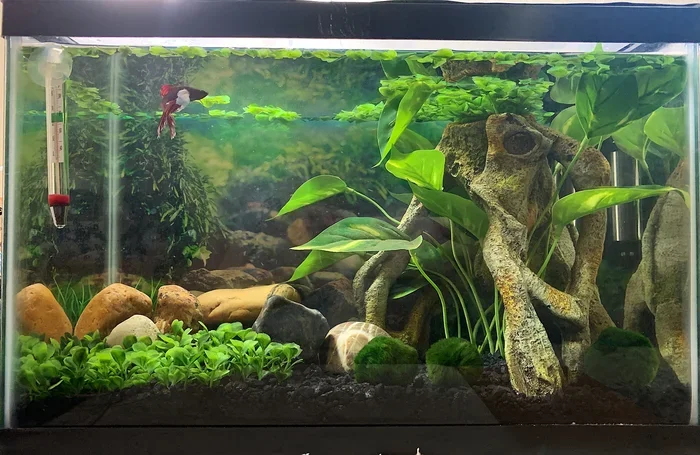
Setting up a new betta fish tank is easier than most people think. This guide walks you through every step, from choosing the right tank size to adding your betta safely. You will learn about essential equipment, water cycling, decorating ideas, and daily care routines. By the end, you will feel confident creating a healthy home for your betta fish.
Setting up a new betta fish tank can feel overwhelming at first. There are so many things to consider, from tank size to water temperature. But here is the good news, it does not have to be complicated. With the right guidance, you can create a beautiful and healthy home for your betta in just a few hours.
Bettas are often sold in tiny cups at pet stores, and that leads many people to think they need tiny tanks. The truth is, bettas thrive in larger, well-maintained environments. A properly set up tank makes a huge difference in your fish’s health, color, and lifespan. This guide covers everything you need to know, step by step.
Whether you are a complete beginner or just refreshing your setup, this article will give you practical, actionable advice. We will walk through each phase of the betta fish tank setup process, from planning to the final day you add your fish. Let us get started.
Key Takeaways
- Choose the right tank size: A minimum of 5 gallons gives your betta enough space to thrive.
- Cycle your tank first: Always cycle the tank before adding your betta to establish beneficial bacteria.
- Invest in key equipment: A heater, filter, and thermometer are non-negotiable for a healthy betta habitat.
- Decorate thoughtfully: Use soft substrates, live plants, and hiding spots to reduce stress.
- Maintain water quality: Regular water changes and testing keep your betta happy and healthy long-term.
- Acclimate your betta slowly: Gradual temperature and water parameter adjustments prevent shock.
📑 Table of Contents
Step 1: Choose the Right Tank Size
The first and most important decision is picking the right tank. Many beginners make the mistake of going too small. A betta fish tank needs enough space for your fish to swim, explore, and stay healthy. Here is what you need to know about sizing.
Why Tank Size Matters
Bettas may look small, but they need room to move around. A cramped tank causes stress, which leads to illness and a shorter lifespan. Larger tanks also make it easier to maintain stable water parameters. Fluctuations in temperature and chemistry happen faster in small tanks.
So, how big does a betta fish tank need to be? The minimum recommended size is 5 gallons. However, 10 gallons or more is even better. If you want to keep your betta in a smaller tank, you will need to test the water more frequently and perform more frequent water changes.
Recommended Tank Sizes for Bettas
- 5 gallons: The absolute minimum. Works well for a single betta with basic equipment.
- 10 gallons: The sweet spot. Gives your betta plenty of room and is easier to maintain.
- 20 gallons: Ideal if you plan to add peaceful tank mates or more plants.
Avoid tanks smaller than 3 gallons. They are too unstable for long-term betta health. Also, consider getting a tank with a longer horizontal footprint rather than a tall, narrow shape. Bettas are labyrinth fish that swim near the surface, so more surface area helps them breathe better.
Step 2: Gather Essential Equipment
Once you have your tank, it is time to gather the equipment you need. A proper betta aquarium setup requires a few key items. Do not skip any of these, because each one plays a vital role in keeping your fish healthy.
Heater
Bettas are tropical fish and need warm water. The ideal temperature range is between 76 and 82 degrees Fahrenheit. A submersible aquarium heater with a thermostat is essential. Look for one rated for your tank size. A 25-watt heater works well for 5 to 10 gallon tanks.
Filter
Your betta tank needs a filter to keep the water clean. However, bettas are weak swimmers and do not like strong currents. Choose a filter with an adjustable flow rate, or use a sponge filter. Sponge filters are gentle, effective, and also provide a home for beneficial bacteria.
Thermometer
A thermometer helps you monitor the water temperature every day. Stick-on thermometers are affordable and easy to read. Place it on the opposite side of the tank from the heater for an accurate reading.
Water Conditioner
Tap water contains chlorine and chloramine that are harmful to fish. A good water conditioner neutralizes these chemicals instantly. Always treat new water with conditioner before adding it to your tank. This is a small step that makes a big difference.
Substrate
The substrate is the material at the bottom of your tank. You have several options:
- Gravel: Affordable and comes in many colors. Choose small, smooth gravel so it does not trap debris.
- Sand: Looks natural and is gentle on betta fins. It is a popular choice for planted tanks.
- Specialty substrates: Nutrient-rich substrates support live plants but cost more.
Whatever you choose, rinse it thoroughly before adding it to the tank. Dirty substrate clouds the water and takes days to settle.
Step 3: Set Up and Cycle the Tank
This is the phase most people rush through, but it is arguably the most important. Cycling a tank means building up beneficial bacteria that break down harmful toxins like ammonia and nitrite. Skipping this step is the number one cause of new fish deaths.
What Is the Nitrogen Cycle?
The nitrogen cycle is a natural process where beneficial bacteria convert toxic waste into less harmful substances. First, fish waste produces ammonia. Then, ammonia-eating bacteria convert it to nitrite. Finally, nitrite-eating bacteria convert nitrite to nitrate. Nitrate is much less harmful and is removed through regular water changes.
How to Cycle Your Betta Tank
There are two main approaches to cycling. The fishless cycle is the safest and most recommended method. You add a source of ammonia (like fish food or pure ammonia) and let bacteria build up over 4 to 6 weeks. Test the water regularly with a liquid test kit. You know the cycle is complete when ammonia and nitrite read zero, and nitrate is present.
If you want to learn more about this process, check out our guide on how to cycle a fish tank for betta. It covers every detail you need to know.
Once your tank is fully cycled, you are ready to add your betta. But first, let us set up the tank properly.
Setting Up the Tank
Follow these steps in order:
- Place your tank on a sturdy, level surface away from direct sunlight and drafts.
- Rinse your substrate and add it to the bottom of the tank.
- Install your heater and thermometer according to the manufacturer’s instructions.
- Attach your filter and adjust the flow to a gentle setting.
- Fill the tank with treated water, leaving about an inch of space at the top.
- Let the tank run for at least 24 hours to check for leaks and stabilize the temperature.
After 24 hours, test the water parameters. Make sure the temperature is in the 76 to 82 degree range, and that ammonia and nitrite are both at zero. Once everything looks good, your tank is ready for your betta.
Step 4: Decorate the Tank
Decorating your betta fish tank is one of the most fun parts of the setup process. But decoration is not just about looks, it also affects your fish’s well-being. Bettas need places to hide, rest, and explore.
Live Plants
Live plants are the best choice for a betta tank. They produce oxygen, absorb nitrates, and create a natural, calming environment. Some great beginner-friendly plants include:
- Java fern: Easy to care for and grows well in low light.
- Anubias: Very hardy and grows slowly, so it stays manageable.
- Amazon sword: Makes a beautiful centerpiece plant for larger tanks.
- Floating plants: Bettas love resting near floating plants like frogbit or water lettuce.
Live plants also give your betta places to build bubble nests, which is a natural and healthy behavior. If you want detailed tips on keeping plants and fish together, read our article on how to clean a betta fish tank with live plants.
Decorations and Hiding Spots
Add caves, driftwood, or smooth rocks to give your betta places to hide. Bettas feel safer when they have hiding spots, and this reduces stress. Avoid decorations with sharp edges, as betta fins are delicate and can tear easily.
You can also add a betta hammock or resting leaf. Bettas often rest near the surface, and a hammock gives them a comfortable spot to lounge. Just make sure any decoration you add is aquarium-safe and does not leach chemicals into the water.
If you want to make your tank look amazing, check out our guide on how to decorate a betta fish tank for creative ideas and inspiration.
Step 5: Add Your Betta Fish
This is the exciting part, but it is important to do it the right way. Rushing this step can shock your betta and lead to health problems. Take your time and follow these steps carefully.
Acclimating Your Betta
When you bring your betta home, do not dump it straight into the new tank. Instead, float the bag or container in the tank for 15 to 20 minutes. This allows the temperature to equalize. Then, slowly add small amounts of your tank water to the bag over the next 15 to 30 minutes. This helps your betta adjust to the new water parameters.
After acclimation, use a net to gently transfer your betta into the tank. Do not pour the bag water into your tank, as it may contain contaminants from the store.
First Days and Weeks
During the first few days, watch your betta closely. A healthy betta will be alert, colorful, and curious. It should swim actively and explore the tank. If you notice clamped fins, lethargy, or loss of appetite, test the water parameters immediately.
Avoid feeding your betta for the first 12 to 24 hours. This gives the fish time to adjust without the stress of digestion. After that, feed small amounts twice a day. Only feed what your betta can eat in 2 to 3 minutes.
If you are unsure about the transfer process, our article on how to put a betta fish into a new tank provides a detailed walkthrough.
Step 6: Ongoing Maintenance and Care
Setting up the tank is only half the battle. Regular maintenance keeps your betta healthy and your tank looking great. The good news is that a well-established tank requires less work over time.
Water Changes
Perform a 25 to 30 percent water change every week. Use a gravel vacuum to remove debris from the substrate while you drain old water. Always treat the new water with conditioner before adding it to the tank. Consistent water changes are the single most important thing you can do for your betta’s health.
Feeding
Bettas are carnivores and need a protein-rich diet. High-quality betta pellets should form the staple of their diet. You can supplement with frozen or live foods like bloodworms and brine shrimp as an occasional treat. Overfeeding is a common mistake, so stick to small portions twice a day.
Testing Water Parameters
Invest in a liquid test kit and test your water weekly. You want to keep ammonia and nitrite at zero, and nitrate below 20 ppm. Regular testing catches problems early, before they become serious. It takes just a few minutes and gives you peace of mind.
If you ever need to deep clean your tank, our article on how to clean a betta fish tank covers the proper method without disrupting your beneficial bacteria.
Common Mistakes to Avoid
Even experienced fish keepers make mistakes sometimes. Here are the most common errors new betta owners make:
- Skipping the cycle: Never add your betta to an uncycled tank. Ammonia spikes can be fatal within hours.
- Using too small a tank: Tanks under 3 gallons are too unstable for long-term betta health.
- Overfeeding: Excess food rots in the tank and spikes ammonia levels. Feed sparingly.
- Using a strong filter: Too much current exhausts bettas. Always adjust flow to a gentle setting.
- Neglecting water changes: Even with a filter, regular water changes are essential.
- Adding incompatible tank mates: Not all fish get along with bettas. Research carefully before adding companions.
Avoiding these mistakes will save you a lot of frustration and keep your betta thriving for years to come.
Final Thoughts
Setting up a new betta fish tank is a rewarding experience that gives your fish the best possible life. From choosing the right tank size to cycling, decorating, and maintaining the tank, each step matters. Take your time, do your research, and enjoy the process.
A well-set-up betta tank is not just a home for your fish, it is a beautiful piece of living art. You will find peace and joy in watching your betta explore, build bubble nests, and show off its vibrant colors. The effort you put into the setup pays off in a happy, healthy fish that can live for 3 to 5 years or even longer.
Remember, every great aquarium starts with a solid foundation. Follow the steps in this guide, stay consistent with maintenance, and your betta will thrive. Happy fish keeping, and enjoy your new betta fish tank!
Frequently Asked Questions
How long does it take to cycle a betta fish tank?
It typically takes 4 to 6 weeks to fully cycle a betta tank. During this time, beneficial bacteria build up to convert toxic ammonia and nitrite into less harmful nitrate. You can speed up the process by using a bacterial starter culture, but patience is key to a healthy tank.
Can I keep a betta in a bowl without a filter?
While bettas can survive in bowls, they thrive much better in filtered tanks. A filter helps maintain stable water quality and reduces the frequency of water changes. If you do use a bowl, you will need to perform water changes every other day to keep ammonia levels safe.
What is the best temperature for a betta fish tank?
The ideal temperature range for a betta tank is 76 to 82 degrees Fahrenheit. Bettas are tropical fish and need warm, stable water to stay healthy. Use a reliable heater and thermometer to maintain consistent temperatures year-round.
How often should I feed my betta fish?
Feed your betta twice a day, giving only what it can eat in 2 to 3 minutes. Overfeeding is one of the most common mistakes betta owners make, and it can lead to constipation and poor water quality. Skip one feeding day per week to help your fish’s digestive system stay healthy.
Do bettas need a tank lid?
Yes, bettas need a tank lid because they are labyrinth fish that breathe air from the surface. A lid also prevents the fish from jumping out, which bettas are known to do. Make sure the lid has some ventilation to allow for air exchange while keeping your betta safely inside the tank.
Can I add tank mates to my betta’s tank?
Some peaceful species can coexist with bettas in a well-planted tank of 10 gallons or more. Good options include corydoras catfish, kuhli loaches, and certain species of tetras. Always research compatibility carefully, and monitor your betta closely when introducing new tank mates.
=== CONCLUSION ===
Setting up a new betta fish tank does not have to be intimidating. By following the steps in this guide, you create a safe, comfortable, and beautiful home for your betta. Remember to choose the right tank size, cycle your tank properly, invest in quality equipment, and maintain a consistent care routine.
Every element of your setup, from the substrate to the decorations, contributes to your betta’s overall well-being. Take the time to get things right from the start, and you will be rewarded with a vibrant, active fish that brings joy to your home for years to come.
Now that you know how to set up a new betta fish tank, you are ready to begin. Start with a solid plan, gather your equipment, and enjoy the journey of creating the perfect aquarium for your beloved betta.