How to Save Your Betta Fish
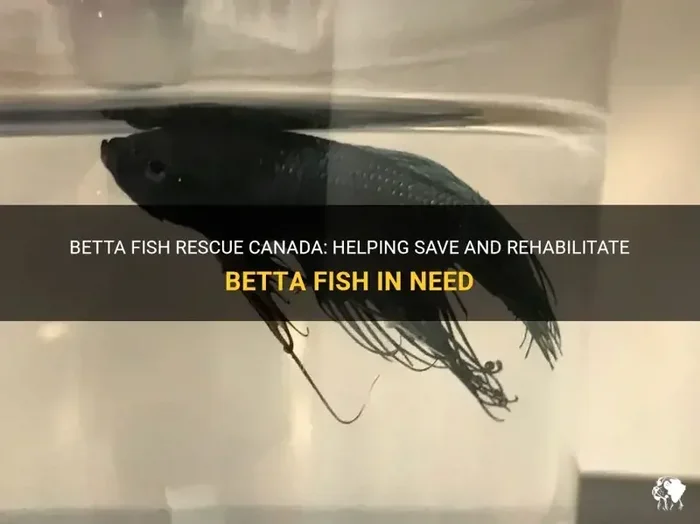
Saving your betta fish starts with knowing the warning signs and acting fast. This guide covers the most common emergencies, from poor water quality to disease outbreaks, and gives you simple, step-by-step fixes. You will learn how to create a safe recovery environment and spot problems before they become deadly.
Watching your betta fish struggle is one of the scariest things a fish owner can experience. Maybe your fish stopped eating, or you noticed torn fins, or the water suddenly looks cloudy. Whatever the sign, you probably landed here because you want to know how to save your betta fish right now.
The good news is that most betta fish emergencies are fixable if you act quickly and follow the right steps. This guide walks you through every stage of betta fish rescue, from identifying the problem to setting up a recovery tank. By the end, you will have a clear action plan to help your fish bounce back.
We will cover water quality fixes, common diseases, temperature emergencies, feeding issues, and long-term prevention. Whether your betta is showing early signs of stress or is in critical condition, these practical tips will give you the tools to help. Let us dive in and start saving your fish.
Key Takeaways
- Act fast: Catching warning signs early is the single most important factor in saving your betta fish.
- Fix the water first: Most betta fish problems start with bad water quality, so testing and changing water is always step one.
- Know the disease signs: Ich, fin rot, and stress are treatable if you identify them quickly and respond correctly.
- Keep the tank warm and stable: Temperature swings are a leading cause of betta fish illness and death.
- Prevention beats treatment: Regular maintenance, proper feeding, and a clean habitat stop most emergencies before they start.
- Quarantine sick fish: Isolating a sick betta protects other fish and makes treatment easier and more effective.
- Patience wins: Recovery takes time, so stick with your care routine even when results are slow to show.
📑 Table of Contents
Spot the Warning Signs Early
The faster you catch a problem, the better your chances of recovery. Betta fish are tough little creatures, but they cannot tell you when something is wrong. You need to watch for changes in behavior, appearance, and tank conditions.
Behavior Changes to Watch For
- Lethargy: Your betta stays at the bottom of the tank or hides in corners.
- Loss of appetite: Your fish ignores food for more than two days.
- Rapid breathing: Gills move fast even when the fish is resting.
- Clamped fins: Fins stay close to the body instead of flowing freely.
- Erratic swimming: Your betta darts around or rubs against objects.
Physical Signs of Trouble
Look closely at your fish every day. White spots on the body or fins often mean ich, a common parasite. Torn or frayed fins suggest fin rot or physical damage. Red streaks or bloating can signal serious internal issues. Cloudy eyes may point to infection or poor water quality.
If you notice any of these signs, do not wait. Start by checking your water parameters immediately. Bad water is the root cause of most betta fish problems. Use a liquid test kit to check ammonia, nitrite, and nitrate levels. Anything above zero for ammonia or nitrite is dangerous and needs immediate action.
Fix the Water First
Before you try any medicine or special treatment, fix the water. Dirty water stresses your fish and weakens its immune system. Most sick bettas recover just from a clean, stable environment.
How to Do a Proper Water Change
A partial water change is the fastest way to improve tank conditions. Follow these steps:
- Siphon out 25 to 50 percent of the tank water.
- Use a gravel vacuum to remove waste from the substrate.
- Replace the removed water with dechlorinated water at the same temperature.
- Add water conditioner to neutralize chlorine and chloramine.
- Test the water again to confirm parameters are safe.
If ammonia or nitrite levels are high, do a 50 percent water change right away. Repeat daily until the levels drop to zero. This alone can save a dying betta fish in many cases.
Why Water Quality Matters So Much
Betta fish are sensitive to changes in their environment. Even small spikes in ammonia can damage their gills and make breathing difficult. Over time, poor water leads to weakened immunity, which opens the door to infections and parasites. Keeping up with a regular water change schedule is the best prevention you can offer.
Also, make sure your filter is working properly. A clogged or broken filter lets toxins build up fast. Rinse filter media in old tank water, never tap water, to preserve beneficial bacteria.
Treat Common Diseases Quickly
If your water is clean and stable but your fish still looks sick, you likely have a disease on your hands. Here are the most common ones and how to handle them.
Ich (White Spot Disease)
Ich shows up as tiny white dots all over the body and fins. It spreads fast and is caused by stress or sudden temperature drops. To treat ich, raise the tank temperature slowly to 82 degrees Fahrenheit over two days. This speeds up the parasite life cycle. Then add a medicated treatment designed for ich. Continue treatment for at least ten days to kill all stages of the parasite.
You can also use a salt bath as a mild treatment. Add aquarium salt at the dosage recommended on the package. Never use table salt, as it contains additives that harm fish.
Fin Rot
Fin rot causes the edges of the fins to turn white, black, or ragged. It is usually bacterial and happens when water quality is poor or the fish is stressed. Start with a water change and clean the tank thoroughly. If the rot does not improve within a few days, use a bacterial treatment from your local fish store. In mild cases, clean water alone often reverses fin damage.
For severe fin rot, consider moving your betta to a quarantine tank during treatment. This protects other fish and lets you control medication doses more precisely.
Stress and Environmental Issues
Stress is the silent killer in betta fish care. It suppresses the immune system and makes your fish vulnerable to every disease out there. Common stressors include wrong water temperature, aggressive tank mates, bright lights, and loud noises near the tank.
To reduce stress, keep the tank in a quiet spot. Maintain a steady temperature between 78 and 80 degrees Fahrenheit. Use a gentle filter to avoid strong currents, since bettas prefer calm water. If you need to treat a stressed fish, dim the lights and add floating plants to create hiding spots. You can also learn more about how to treat a stressed betta fish for specific calming techniques.
Handle Temperature Emergencies
Temperature is critical for betta fish health. These tropical fish need warm, stable water to thrive. When the temperature drops too low, your betta becomes sluggish, its immune system crashes, and diseases take hold fast.
What to Do When the Tank Gets Too Cold
If your heater fails or the room temperature drops suddenly, act immediately. Wrap the tank in a towel or blanket to retain heat. Place a lamp near the tank (not touching it) to add warmth. You can also float a sealed bag of warm water in the tank to gently raise the temperature. Check it every hour until the water reaches 78 degrees Fahrenheit.
For long-term stability, invest in a reliable aquarium heater with a thermostat. This is one of the most important pieces of equipment in any betta tank. Learn more about how to keep your betta fish warm to find the best heater options and setup tips.
When the Water Gets Too Warm
Overheating is less common but still dangerous. High water holds less oxygen, which can suffocate your fish. If the temperature rises above 82 degrees, turn off any heaters, remove the tank lid slightly for evaporation cooling, and use a fan to blow across the water surface. Do a small water change with cooler water to bring the temperature down gradually.
Create a Recovery Tank for Sick Fish
When your betta fish is seriously ill, a dedicated recovery tank makes a huge difference. A quarantine setup lets you treat the fish without medicating your main display tank. It also reduces stress by giving your betta a calm, controlled space to heal.
Setting Up a Simple Hospital Tank
You do not need a fancy setup. A 5-gallon tank with a gentle sponge filter works perfectly. Add a small heater to maintain a steady temperature. Keep the tank bare-bottom for easy cleaning. Add a few hiding spots using smooth rocks or a single live plant.
Keep the water pristine with daily testing and regular small water changes. Medications are easier to dose in a smaller tank without gravel or decorations to absorb them. This setup also makes it simple to observe your fish and track improvements or worsening symptoms.
Feeding During Recovery
A sick betta often loses interest in food, but nutrition is vital for recovery. Offer small amounts of high-quality food, such as frozen bloodworms or brine shrimp. Soak dry pellets before feeding to make them easier to digest. If your fish refuses to eat, try a variety of live or frozen foods to spark its appetite. Never force-feed your fish, as this can cause more stress.
For tips on feeding routines and nutrition, check out our guide on how to properly take care of betta fish for detailed feeding advice and meal plans.
Prevent Future Emergencies
The best way to save your betta fish is to stop problems before they start. A solid prevention routine keeps your fish healthy and your tank balanced year-round.
Build a Simple Maintenance Routine
- Test water weekly: Check ammonia, nitrite, nitrate, and pH every seven days.
- Do partial water changes: Replace 20 to 30 percent of the water weekly.
- Clean the substrate: Vacuum the gravel during each water change.
- Check equipment: Inspect heaters, filters, and thermometers regularly.
- Feed properly: Offer small meals twice a day and remove uneaten food after five minutes.
Choose the Right Tank Setup
A bare-minimum tank for a betta fish is 5 gallons, but bigger is always better. A larger tank is more stable and forgiving of small mistakes. Add a gentle filter, a reliable heater, and a few silk plants or soft decorations. Avoid sharp objects that can tear fins. If you want to decorate, learn how to decorate your betta fish tank safely and beautifully.
Also, make sure your tank has a lid. Betta fish are jumpers, and a single escape attempt can be fatal. A tight-fitting lid also helps maintain humidity and keeps the water temperature more stable.
Know When to Seek Help
Sometimes home treatment is not enough. If your betta fish stops moving entirely, shows open sores, or has swollen eyes that do not improve after treatment, consult a fish veterinarian or an experienced aquarist. Online betta fish communities can also offer advice and support when you are unsure what to do next.
Remember, every minute counts in a fish emergency. The faster you respond, the better the outcome. Trust your instincts, stay calm, and follow the steps in this guide. You have the knowledge and the tools to make a real difference for your fish.
Final Thoughts on Saving Your Betta Fish
Saving your betta fish is entirely possible in most situations. The key is to stay calm, act quickly, and address the root cause. Whether it is a water quality issue, a disease outbreak, or a temperature emergency, you now have the knowledge to respond effectively. Keep your tank clean, your water warm and stable, and your fish well-fed, and you will give your betta the best chance at a long, healthy life.
Every betta fish deserves a fighting chance. With the right care and a little patience, you can pull your fish back from the brink and enjoy many more years of companionship. Start today, follow these steps, and watch your betta recover. You have got this.
Frequently Asked Questions
How do I know if my betta fish is dying?
A dying betta fish often shows extreme lethargy, loss of color, rapid breathing, and refusal to eat. The fish may float at the top or sink to the bottom and stay there. Check your water parameters immediately, as toxic ammonia or nitrite levels are the most common cause. Acting fast gives your fish the best chance of survival.
Can a betta fish recover from ich?
Yes, betta fish can fully recover from ich if you treat it early. Raise the water temperature to 82 degrees Fahrenheit and use an appropriate medication. Most fish show improvement within three to five days. Complete the full treatment course to prevent the parasite from returning.
What water temperature is best for a betta fish?
The ideal temperature range for a betta fish is 78 to 80 degrees Fahrenheit. Temperatures below 76 degrees can cause stress and illness. Use a reliable aquarium heater to maintain a steady temperature. Sudden temperature swings are more dangerous than being slightly off target.
How often should I change my betta fish water?
Perform a 20 to 30 percent water change every week. This keeps ammonia and nitrate levels low and removes waste buildup. In a quarantine or hospital tank, you may need to do smaller changes more frequently, around 15 to 20 percent every two days. Always use dechlorinated water at the same temperature as the tank.
Should I isolate a sick betta fish?
Yes, isolating a sick betta fish is one of the best things you can do. A quarantine tank prevents the spread of disease to other fish and makes it easier to monitor and treat your betta. Set up a simple hospital tank with a heater, sponge filter, and clean water before you need one.
Can poor water quality kill a betta fish instantly?
Yes, a sudden spike in ammonia or nitrite can kill a betta fish within hours. These toxins damage the gills and prevent oxygen exchange. Regular water testing and changes are essential to prevent this. If you suspect a water quality issue, do a large water change immediately and test again.