How to Raise the Happiest Healthiest Betta Fish
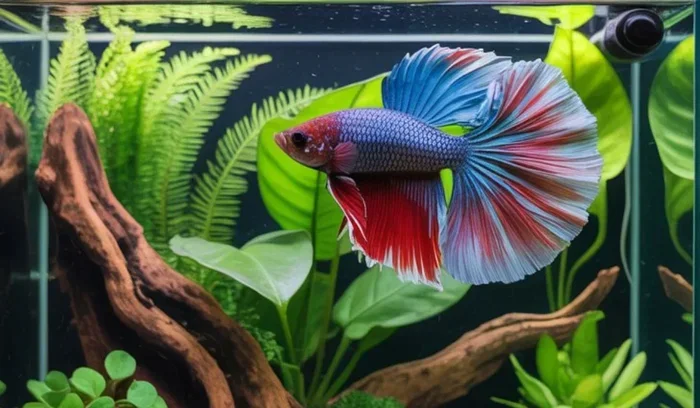
Raising the happiest healthiest betta fish starts with the right tank setup, balanced diet, and stress-free environment. This guide covers everything you need to know, from choosing the perfect aquarium size to keeping your betta active and colorful every single day. Follow these simple steps and watch your betta thrive like never before.
Raising a betta fish is one of the most rewarding experiences for any pet lover. These colorful creatures bring life and joy to any space. But did you know that a happy betta fish needs more than just a bowl of water? To truly raise the happiest healthiest betta fish, you need to understand their natural habits, habitat needs, and dietary preferences.
Many beginners make the mistake of thinking bettas are low-maintenance pets. They are not. While bettas are hardy and adaptable, they still need proper care to live their best life. A well-cared-for betta can live up to five years or even longer. The key is giving them the right environment from day one.
In this guide, we will walk you through every step of betta fish care. You will learn how to set up the perfect tank, choose the best food, and spot signs of stress early. Let us dive in and make your betta the happiest fish on the block.
Key Takeaways
- Tank Size Matters: A minimum 5-gallon tank gives your betta room to swim and stay happy.
- Water Quality Is Everything: Regular water changes and proper conditioning keep your betta healthy and stress-free.
- Diet Drives Happiness: A varied diet of high-quality pellets, frozen foods, and occasional treats keeps your betta vibrant and energetic.
- Enrichment Prevents Boredom: Plants, caves, and gentle current make your betta’s home stimulating and fun.
- Watch for Stress Signs: Recognizing early signs of stress helps you act fast and keep your fish thriving.
- Consistent Routine Wins: Regular feeding schedules and tank maintenance build a stable, healthy environment.
📑 Table of Contents
Understanding Your Betta Fish’s Needs
Before you set up a tank, it helps to understand what betta fish need in the wild. Bettas originate from the warm, slow-moving waters of Southeast Asia. They live in rice paddies, marshes, and shallow streams. This background shapes everything about how they behave in captivity.
A happy betta fish feels safe, well-fed, and mentally stimulated. When these needs are met, you will see vibrant colors, active swimming, and curious behavior. On the flip side, a stressed betta will hide, lose color, and stop eating. Knowing what drives betta fish happiness is the first step toward raising a healthy companion.
Why Environment Plays a Big Role
Your betta’s tank is its entire world. Unlike humans, fish cannot move to a different room if they are unhappy. Everything in their environment directly affects their mood and health. A cramped, dirty, or boring tank will quickly lead to problems. On the other hand, a well-designed aquarium can bring out the best in your betta.
Proper betta fish care starts with understanding that tanks are not just containers. They are living ecosystems. The water temperature, filtration, decorations, and space all work together to create either a thriving or a struggling environment. When you invest time in getting the setup right, everything else falls into place.
Setting Up the Perfect Tank
The foundation of a happy betta is a well-planned tank. Many people still believe bettas thrive in tiny cups or bowls. This is a myth. A small space limits movement, traps toxins, and causes stress. To give your fish the best life possible, you need to think bigger and smarter.
If you are new to fishkeeping, check out our guide on how to set up a fish tank for betta fish. It covers all the essentials in detail. Here are the key factors to consider when building the ideal home.
Choosing the Right Tank Size
A 5-gallon tank is the minimum recommended size for a single betta. This gives your fish enough room to swim freely and explore. Tanks smaller than 5 gallons are harder to keep stable. Temperature swings and ammonia spikes happen faster in small volumes of water.
Larger tanks, such as 10 or 20 gallons, offer even more benefits. They provide stable water parameters and room for enrichment. If you have the space, going bigger is always better. Your betta will thank you with brighter colors and more energy.
Heating and Temperature Control
Bettas are tropical fish. They need warm water to stay healthy. The ideal temperature range is between 78 and 80 degrees Fahrenheit. Cold water slows their metabolism and weakens their immune system.
Use a reliable fish tank heater with a thermostat. This keeps the temperature consistent day and night. Sudden temperature changes are just as dangerous as cold water. Always place the heater near the filter outflow to distribute warmth evenly throughout the tank.
Filtration Without Strong Current
Bettas prefer calm water in the wild. They are not strong swimmers and do not enjoy being pushed around by a powerful filter. Choose a gentle filter, such as a sponge filter or one with an adjustable flow rate.
If your filter creates too much current, you can baffle it with a sponge pre-filter. This reduces flow while still keeping the water clean. Proper filtration removes harmful toxins and keeps your betta swimming comfortably.
Feeding for Health and Happiness
Diet plays a huge role in how your betta looks and behaves. A well-fed betta is a vibrant, active betta. But feeding is not just about throwing pellets into the tank. It is about offering variety and meeting nutritional needs.
In the wild, bettas eat insects, larvae, and small crustaceans. Their digestive systems are designed for a protein-rich diet. Replicating this variety in captivity is the key to raising a truly healthy betta fish. Let us break down what to feed and how often.
Best Foods for Betta Fish
High-quality betta pellets should form the foundation of your fish’s diet. Look for pellets with fish meal as the first ingredient and minimal fillers. These provide the protein and nutrients your betta needs to stay strong.
In addition to pellets, offer variety with these options:
- Frozen or live brine shrimp — a favorite treat that mimics natural prey
- Bloodworms — rich in protein but should be given sparingly
- Daphnia — a natural laxative that aids digestion
- Freeze-dried tubifex worms — a convenient alternative to live foods
Feeding Schedule and Portions
Feed your betta two small meals per day. Overfeeding is one of the most common mistakes new owners make. Excess food decays in the tank and pollutes the water. A good rule of thumb is to offer only what your betta can eat in two minutes.
Skip one feeding day per week. This gives the digestive system a break and helps prevent constipation. If you want to learn more about strengthening your fish through nutrition, read our article on how to make your betta fish stronger.
Water Quality and Maintenance
Clean water is the single most important factor in betta fish health. Poor water quality leads to disease, stress, and a shortened lifespan. Keeping the water pristine does not have to be complicated, but it does require consistency.
For a complete guide on maintaining clean water, visit our article on how to take care of a betta fish water. Here are the essentials you need to know.
Water Changes and Parameters
Perform a 25 to 30 percent water change every week. This removes accumulated nitrates and keeps the tank fresh. Use a gravel vacuum to clean the substrate during each change. Debris buildup at the bottom of the tank can quickly foul the water.
Test your water parameters regularly. The key numbers to watch are:
- Ammonia: 0 ppm
- Nitrite: 0 ppm
- Nitrate: below 20 ppm
- pH: 6.5 to 7.5
Using Tap Water Safely
Tap water contains chlorine and chloramine that are harmful to fish. Always use a water conditioner before adding tap water to your tank. This neutralizes harmful chemicals and makes the water safe for your betta.
Let the treated water sit for a few minutes before adding it to the tank. Match the temperature of the new water to the tank water to avoid shocking your fish. For detailed instructions, check out our guide on how to use tap water conditioner for betta fish.
Creating a Stress-Free Environment
A stress-free tank is the secret to a happy betta. Stress weakens the immune system and makes fish vulnerable to disease. By minimizing stressors, you create a space where your betta can truly thrive.
Think about your betta’s perspective. In a small, bare tank with harsh lighting and loud noises, life is constant anxiety. In a well-planted, calmly decorated tank with gentle flow, life feels safe. The difference in behavior is remarkable.
Decorations and Enrichment
Add live or silk plants to your tank. Plants provide hiding spots and make your betta feel secure. Avoid sharp plastic plants that can tear delicate fins. Bettas love to explore and rest among greenery.
Include caves, driftwood, and gentle decorations. These create a natural, interesting environment. Your betta will spend hours investigating every nook and cranny. Mental stimulation is just as important as physical health when it comes to raising a happy betta.
Signs of Stress to Watch For
Know the warning signs that your betta is unhappy or unwell:
- Clamped fins — fins held close to the body
- Loss of color — fading or dull appearance
- Hiding constantly — refusing to come out
- Loss of appetite — ignoring food
- Rapid breathing — gasping at the surface
- Flaring excessively — stress-related aggression at reflections
If you notice any of these signs, test the water immediately and look for environmental causes. Sometimes a simple water change or temperature adjustment makes all the difference. For more help, our article on how to treat a stressed betta fish offers practical solutions.
Building a Daily Care Routine
Consistency is the backbone of great betta care. Fish thrive on routine. When you feed, clean, and monitor at the same times each day, your betta feels secure and predictable. This stability reduces stress and promotes long-term health.
A simple daily routine might look like this:
- Feed your betta in the morning and evening at the same times
- Check the tank temperature and heater function
- Observe your betta’s behavior and appetite
- Remove any uneaten food after feeding
- Spot-clean the glass if algae builds up
Once a week, perform a water change and test the parameters. Once a month, inspect equipment like filters and heaters. This routine keeps everything running smoothly and gives you early warning of any problems.
For a broader look at daily care practices, read our guide on how to properly take care of betta fish. It covers routines, common questions, and expert tips in greater detail.
Common Mistakes to Avoid
Even well-meaning owners can make mistakes that affect their betta’s quality of life. Learning from others’ errors saves you time, money, and heartache. Here are the most common pitfalls to watch out for.
- Keeping a betta in a bowl smaller than 5 gallons. This limits movement and makes water quality nearly impossible to maintain.
- Overfeeding. Excess food ruins water quality fast and causes digestive problems.
- Skipping water changes. Even with a filter, weekly water changes are essential.
- Using cold water without a heater. Bettas need tropical temperatures to stay healthy.
- Housing two male bettas together. Male bettas are highly territorial and will fight.
- Ignoring signs of illness. Early treatment prevents minor issues from becoming serious.
Avoiding these mistakes puts you ahead of most beginner fish keepers. Your betta will live longer, look brighter, and behave more naturally when you steer clear of these common errors.
Conclusion
Raising the happiest healthiest betta fish is entirely achievable with the right knowledge and a little dedication. From choosing the right tank size to maintaining clean water and offering a varied diet, every step matters. Your betta depends on you for everything, and the rewards of good care are incredible.
When you see your betta swimming actively, displaying brilliant colors, and interacting with its environment, you know you have done something right. A thriving betta is a testament to thoughtful, consistent care. Start applying these tips today and enjoy the journey of being a great betta fish owner.
Frequently Asked Questions
How often should I feed my betta fish?
Feed your betta two small meals per day, once in the morning and once in the evening. Offer only what your fish can eat within two minutes. Skipping one feeding day per week helps prevent overfeeding and supports healthy digestion.
What is the best tank size for a betta fish?
A 5-gallon tank is the minimum recommended size for a single betta. Larger tanks, such as 10 or 20 gallons, provide more stable water conditions and room for enrichment. Avoid keeping bettas in bowls or containers smaller than 5 gallons.
How can I tell if my betta fish is happy?
A happy betta displays vibrant colors, active swimming, and a healthy appetite. It explores the tank, interacts with decorations, and builds bubble nests. Clamped fins, loss of color, and hiding are signs of stress or unhappiness.
Do betta fish need a heater?
Yes, bettas are tropical fish and need warm water between 78 and 80 degrees Fahrenheit. A heater with a thermostat maintains a stable temperature. Without proper heating, bettas become sluggish and vulnerable to illness.
Can betta fish live with other fish?
Male bettas should not be housed with other male bettas. They can sometimes live peacefully with peaceful, non-fin-nipping community fish in larger tanks. Always research compatibility carefully before adding tank mates.
How often should I change my betta’s water?
Perform a 25 to 30 percent water change every week. This removes harmful nitrates and keeps the environment clean. Always treat new water with a conditioner and match the temperature before adding it to the tank.