How to Put a Betta Fish in a Fish Tank
Putting a betta fish into a new tank requires careful preparation and patience. You need to set up the tank properly, cycle the water, and acclimate your fish slowly to avoid stress and health problems. This guide walks you through every step so your betta settles in smoothly and thrives in its new home.
Bringing home a new betta fish is exciting. But the way you introduce your fish to its new tank matters more than most people realize. A rushed introduction can cause stress, illness, or even death. That is why learning the right process is so important.
Whether you are setting up a brand new tank or transferring your betta from a cup at the pet store, the steps you follow make all the difference. This guide covers everything you need to know about how to put a betta fish in a fish tank the right way. You will learn how to prepare the tank, acclimate your fish, and keep your betta healthy after the move.
A betta fish tank setup is not just about dropping your fish into water. It involves water chemistry, temperature control, and a gentle transition process. By the end of this article, you will feel confident and ready to give your betta the best start in its new environment.
Key Takeaways
- Preparation is everything: A clean, cycled tank with stable water parameters keeps your betta safe.
- Acclimate slowly: Drip acclimation over 20 to 30 minutes helps your betta adjust to new water conditions.
- Wait before adding: Let the tank run for at least 24 hours before introducing your betta fish.
- Watch for stress signs: Clamped fins, hiding, and loss of appetite mean something needs attention.
- Maintain water quality: Regular water changes and proper filtration keep your betta healthy long-term.
- Avoid common mistakes: Skipping the cycling process and using untreated tap water are top errors to avoid.
📑 Table of Contents
Why Proper Introduction Matters
Many beginners think putting a betta fish in a tank is as simple as pouring the fish into the water. But that is far from the truth. Betta fish are sensitive creatures. They react strongly to changes in their environment, especially water temperature and chemistry.
When you introduce a betta fish to a new tank too quickly, you shock its system. This shock can lead to a condition called osmotic stress. It affects how the fish balances salts and water in its body. In serious cases, it can be fatal within hours.
Proper introduction also reduces behavioral stress. A stressed betta may stop eating, hide constantly, or develop fin rot. Taking your time during the transition protects both the physical and mental health of your fish. A calm start leads to a happier, more active betta.
The Role of Water Parameters
Before you add any fish, you need to understand your water parameters. These include temperature, pH, ammonia, nitrite, and nitrate levels. Betta fish thrive in warm water between 76 and 82 degrees Fahrenheit. The pH should stay between 6.5 and 7.5.
Ammonia and nitrite levels must be at zero. Even small amounts of these chemicals can damage your betta’s gills and fins. Nitrate should stay below 20 parts per million. Testing your water with a reliable kit before introduction is a must.
Preparing Your Fish Tank
Preparation is the most important step in the entire process. A well-prepared tank gives your betta the best chance to settle in without problems. Skipping this stage is the number one mistake new fish owners make.
Step 1: Set Up and Cycle Your Tank
Before your betta ever enters the tank, the tank needs to be fully cycled. Cycling a fish tank means building beneficial bacteria that break down harmful waste. These bacteria convert toxic ammonia into less harmful nitrate.
You can cycle your tank using the fish-in method or the fishless method. The fishless method is safer and recommended for beginners. It takes about four to six weeks but protects your fish from exposure to toxic chemicals. You can learn more about how to do a fish in cycle with betta if you need guidance.
During cycling, add a source of ammonia to feed the bacteria. Test the water regularly until you see ammonia and nitrite readings drop to zero, with nitrate rising. Only then is your tank ready for a betta.
Step 2: Install the Right Equipment
Your tank needs the right equipment to keep your betta comfortable. A submersible aquarium heater maintains stable temperature. Bettas are tropical fish and need consistent warmth. A filter is also essential, but choose one with a gentle flow. Betta fish do not like strong currents.
Add a thermometer to monitor temperature daily. A sponge filter works great for betta tanks because it provides biological filtration without creating too much flow. You should also add a tank lid. Bettas are jumpers and can leap out of open tanks.
Step 3: Decorate and Add Plants
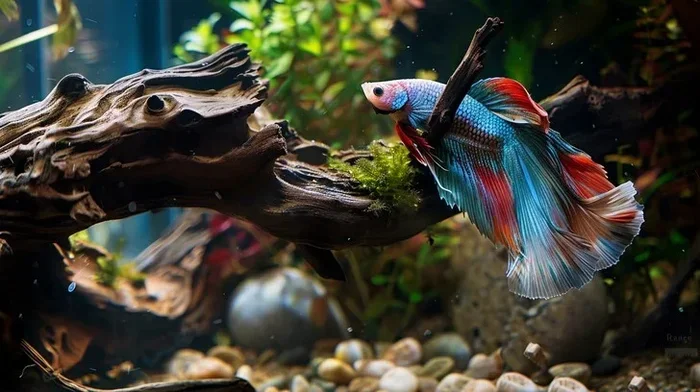
Bettas love hiding spots and places to explore. Live plants like java fern and anubias create a natural feel and help maintain water quality. You can also add caves, driftwood, and smooth rocks for enrichment.
If you want to add plants or decorations, check out our guide on how to decorate a betta fish tank. Avoid sharp or rough decorations that can tear your betta’s delicate fins. Soft silk plants are a great alternative to live ones if you prefer low maintenance.
The Step-by-Step Process to Add Your Betta
Now that your tank is ready, it is time to introduce your betta. This process should be slow and deliberate. Rushing it is the fastest way to cause problems.
Step 1: Let the Tank Run First
Let your tank run for at least 24 hours before adding your betta. This allows the temperature to stabilize and the filter to establish beneficial bacteria. It also gives you time to test the water and confirm everything is within safe ranges.
Many people ask, why wait 24 hours to put betta fish in tank. The answer is simple. A freshly set up tank can have temperature swings, chlorine traces, and unstable chemistry. Waiting ensures a safer environment for your fish. You can read more about this in our detailed article on why wait 24 hours to put betta fish in tank.
Step 2: Prepare the Transport Water
When you bring your betta home, keep the transport bag sealed and undisturbed. Float the unopened bag on the tank surface for about 15 minutes. This helps the water temperature inside the bag match the tank temperature.
Do not open the bag yet. The bag water may contain contaminants or stress hormones from the store. Temperature matching is the first layer of protection for your fish.
Step 3: Perform Drip Acclimation
Drip acclimation is the gold standard for introducing betta fish to a new tank. After the temperature match, open the bag and gently pour some of the bag water into a clean bucket. Then, use an airline tube to create a slow drip from the tank into the bucket.
Set the drip rate to about two to four drops per second. Let this process run for 20 to 30 minutes. During this time, the tank water slowly mixes with the bag water. Your betta adjusts to the new water chemistry gradually.
After the drip, use a net to gently transfer your betta into the tank. Do not pour the bag water into your tank. That water may contain bacteria or chemicals from the store that could harm your established tank.
Step 4: Observe Your Betta Closely
Once your betta is in the tank, watch it closely for the first few hours. A healthy betta will explore the tank, flare its fins occasionally, and show interest in food. Some hiding in the first day is normal and not a cause for concern.
Turn off the tank lights for the first few hours to reduce stress. Bright lights can overwhelm a fish that is already adjusting to a new environment. Gradually introduce light over the next day.
Common Mistakes to Avoid
Even experienced fish keepers make mistakes during the introduction process. Here are the most common errors and how to avoid them.
- Skipping the cycling process: Adding a betta to an uncycled tank exposes it to toxic ammonia. Always cycle first.
- Using untreated tap water: Tap water contains chlorine and chloramine that are harmful to fish. Always use a water conditioner.
- Dumping the bag water into the tank: This introduces store bacteria and potential contaminants into your clean tank.
- Overfeeding after introduction: A stressed betta may refuse food. Wait 24 hours before offering its first meal.
- Adding the betta to a tank with aggressive tank mates: Bettas are solitary fish and can be bullied by faster or nippy species.
- Ignoring temperature swings: Even small temperature changes can stress your betta. Monitor the heater and thermometer daily.
Quick Tips for a Smooth Transition
Here are some quick tips to make the process easier and safer:
- Always quarantine new fish for two weeks if possible. This helps you spot illness before introducing them to your main tank.
- Use a high-quality water conditioner every time you add or change water.
- Keep the tank lights dim for the first 24 hours after introduction.
- Feed small amounts and observe whether your betta eats within the first day.
- Test your water parameters every other day for the first week after adding your betta.
Post-Introduction Care for Your Betta
The introduction process does not end once your betta is in the tank. Ongoing care during the first week is critical for long-term health.
Monitor Water Quality Daily
Test your water parameters every day for the first week. Look for any spikes in ammonia or nitrite. These spikes are common in new tanks and can be dangerous. If you notice any changes, perform a small water change of 10 to 15 percent.
Regular water changes in a betta fish tank are essential for maintaining good water quality. You can learn more about proper water changes in our guide on how to change the water in a betta fish tank. Aim for weekly 25 percent water changes once your tank is fully established.
Watch for Signs of Stress or Illness
During the first week, watch for signs that your betta is struggling. Clamped fins, pale coloration, loss of appetite, and staying at the bottom of the tank are all warning signs. If you notice these symptoms, test your water immediately and check the temperature.
Sometimes the issue is simple, like a temperature drop. Other times it may be a bacterial infection picked up during transport. Acting quickly gives your betta the best chance of recovery.
Feeding After Introduction
Wait at least 12 to 24 hours before feeding your betta after introduction. This gives the fish time to settle and explore the tank. When you do feed, offer a small amount of high-quality betta pellets or frozen bloodworms.
Feed only what your betta can consume in two minutes, once or twice a day. Overfeeding leads to poor water quality and digestive problems. A clean tank and a consistent feeding schedule go a long way in keeping your betta healthy.
Long-Term Tank Maintenance
Once your betta has settled in, continue with a regular maintenance routine. This includes weekly water changes, filter cleaning, and temperature checks. A stable environment is the foundation of a healthy betta fish.
Keep the tank between 76 and 82 degrees Fahrenheit at all times. Use a reliable heater with a thermostat. Clean your filter media in tank water (not tap water) to preserve beneficial bacteria. These simple habits will keep your betta thriving for years.
How Long Does It Take for a Betta to Settle In?
Most bettas take about three to seven days to fully adjust to a new tank. During this time, you may notice your betta hiding more than usual or not eating much. This is completely normal. Give your fish space and avoid disturbing it too much.
By the end of the first week, your betta should be exploring the tank, showing interest in food, and displaying its natural colors. If your betta is still hiding or refusing food after two weeks, check your water parameters and look for signs of illness.
Frequently Asked Questions
Can I put my betta fish directly into a new tank without acclimating?
No, you should never skip acclimation. Directly placing your betta into a new tank exposes it to sudden changes in temperature, pH, and water hardness. This shock can cause serious health problems or death. Always take at least 20 to 30 minutes to drip acclimate your fish properly.
How long should I wait before putting a betta in a new tank?
You should wait at least 24 hours after setting up your tank before adding your betta. This waiting period allows the water temperature to stabilize, the filter to start working, and any chlorine in the water to dissipate. It also gives you time to test the water and confirm safe parameters.
Do I need a filter for a betta fish tank?
Yes, a filter is essential for a betta tank. It removes harmful waste and houses beneficial bacteria that keep the water safe. Choose a filter with adjustable flow or a sponge filter, since bettas do not like strong currents. A gentle filter keeps the water clean without stressing your fish.
Can I use bottled water instead of tap water for my betta tank?
Bottled water can work if it is free of chlorine and minerals. However, most bottled spring water contains minerals that may alter your water parameters. It is safer and more cost-effective to use tap water treated with a quality water conditioner. Always test the water before adding it to your tank.
What temperature should my betta fish tank be?
Betta fish need warm water between 76 and 82 degrees Fahrenheit. Temperatures below 74 degrees can cause lethargy and illness. Use a submersible aquarium heater with a thermostat to maintain a stable temperature. Check the thermometer daily, especially during the first week after introduction.
Is it safe to put two betta fish in the same tank?
Generally, no. Male bettas are highly territorial and will fight other males. Female bettas can sometimes live together in groups called sororities, but this requires a large tank and careful setup. For most hobbyists, keeping one betta per tank is the safest and simplest approach.