How to Painlessly Kill a Betta Fish
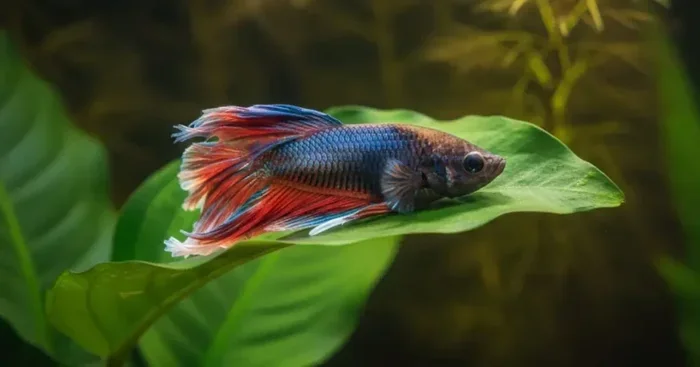
Knowing how to painlessly kill a betta fish is one of the hardest but most compassionate decisions a fish owner can make. This guide covers safe, humane euthanasia methods including clove oil, baking soda, and other vet-approved approaches. You will learn when the time is right, how to reduce stress, and how to ensure a peaceful passing for your beloved pet.
Losing a pet fish is never easy. But sometimes, the most loving thing you can do is help your betta fish pass on peacefully. If you are facing this heartbreaking moment, you are not alone. Many fish owners struggle with the same difficult decision. This guide will walk you through how to painlessly kill a betta fish with safe and humane methods.
We will cover every method in detail. You will learn about clove oil euthanasia, baking soda solutions, and other gentle approaches. We will also talk about when the time is right. And we will discuss how to handle the process with care and compassion. Our goal is to give you clear, honest, and helpful guidance during a tough time.
Euthanasia is a word that sounds scary. But it simply means a painless, peaceful death. When a betta fish is dying from illness or old age, suffering can be real. Choosing a humane method removes that suffering. It is an act of love, not cruelty. Understanding your options helps you make the best decision for your fish.
Key Takeaways
- Humane euthanasia is a responsible choice: When a betta fish is suffering, a painless method is the kindest option available.
- Clove oil is the most recommended method: It sedates the fish gently before leading to a peaceful death.
- Baking soda is a widely accessible alternative: It works quickly and is available in most homes.
- Know the signs of suffering: Recognizing when your fish is in pain helps you make the right decision at the right time.
- Preparation matters: Having your supplies ready reduces stress for both you and your fish during this difficult moment.
- Disposal should be respectful: Handling the remains with care honors the bond you shared with your fish.
📑 Table of Contents
When Is the Right Time to Say Goodbye?
One of the hardest parts of fish ownership is knowing when enough is enough. A sick or aging betta fish may show clear signs of suffering. Recognizing these signs early helps you act before unnecessary pain sets in.
Signs Your Betta Fish May Be Suffering
- Loss of appetite: Your fish refuses food for several days straight.
- Labored breathing: Gills move rapidly even at rest.
- Loss of color: Fading or whitening of the body and fins.
- Inability to swim: The fish floats at the top or sinks to the bottom without control.
- Visible sores or swelling: Open wounds, bloating, or inflamed areas on the body.
- Lethargy: The fish stays in one spot and does not respond to stimulation.
- Repeated failed treatments: Medications and salt baths no longer improve the condition.
If you notice several of these signs together, it may be time to consider betta fish euthanasia. Talk to a vet if possible. They can confirm whether your fish is experiencing pain that cannot be managed. Sometimes, palliative care can help for a short time. But when quality of life drops significantly, a gentle passing is the most compassionate choice.
Many owners also wonder about how to humanely kill a betta fish without clove oil. The good news is there are several methods available. We will cover them all below so you can choose what feels right for your situation.
Method 1: Clove Oil Euthanasia
Clove oil is widely considered the gold standard for humane fish euthanasia. It is affordable, easy to find, and works gently. Veterinary organizations often recommend this method for home use.
What You Will Need
- 100% pure clove oil (not fragrance oil)
- A small cup or bowl
- Tank water from your betta’s aquarium
- A second container for mixing
Step-by-Step Process
- Fill a container with water from your betta’s tank. Use about 1 to 2 cups. This keeps the environment familiar and reduces stress.
- Mix the clove oil. Add 3 to 4 drops of clove oil into the water. Stir gently to help it dissolve.
- Transfer your betta fish. Use a net to move your fish into the clove oil mixture. Handle it as calmly as possible.
- Watch for signs of sedation. Within 5 to 10 minutes, your fish will become drowsy. Its gill movement will slow down.
- Add more clove oil if needed. If the fish is still responsive after 10 minutes, add 2 to 3 more drops. Stir the mixture gently.
- Wait for the heart to stop. Within 20 to 30 minutes, the fish will pass away peacefully. You will notice the gills stop moving completely.
- Confirm death. Check for no gill movement and no response to light touch for at least 10 minutes.
This method works because clove oil contains a natural sedative called eugenol. It gently slows down the nervous system. Your betta fish does not feel pain during this process. It simply drifts into a deep sleep and passes away naturally. If you want more details on this specific approach, check out our guide on how to put a betta fish down with clove oil.
Quick Tip: Always use pure clove oil from a health or pet store. Fragrance oils contain chemicals that can harm your fish and cause unnecessary distress. Read the label carefully before purchasing.
Method 2: Baking Soda Euthanasia
Baking soda euthanasia is another popular and effective method. It is especially useful if you cannot find clove oil. Baking soda raises the pH of the water rapidly, which causes a peaceful loss of consciousness.
What You Will Need
- Baking soda (sodium bicarbonate)
- Clean water from the tank
- A small container or cup
- A spoon for mixing
Step-by-Step Process
- Prepare the solution. Mix 1 tablespoon of baking soda with about 1 cup of tank water. Stir until fully dissolved.
- Transfer your betta fish. Gently place your fish into the baking soda solution using a net.
- Observe your fish. Within 15 to 20 minutes, your betta will become very drowsy. Its fins may stop moving.
- Wait for the final stage. The fish will slip into a deep sleep and its breathing will slow until it stops completely.
- Confirm passing. Wait at least 10 minutes after all movement stops. Check for any gill movement before proceeding.
The baking soda method works by altering the water chemistry quickly. This creates a peaceful, painless experience for your fish. It is one of the most recommended methods on forums like Reddit. You can read more about community experiences with this method in our article on how to euthanize a betta fish Reddit.
Quick Tip: Some fish owners prefer the baking soda method because it requires no special oils or supplies. It is a great backup option if you need something fast and accessible.
Method 3: Other Humane Approaches
Beyond clove oil and baking soda, there are a few other methods worth knowing about. Each has its own advantages and considerations.
Freezing Method
Some sources suggest placing the fish in a small container of water and gradually lowering the temperature. The fish slowly enters a state of hibernation-like sleep. However, this method is less recommended by veterinarians because it can cause stress if not done carefully. The temperature must drop very slowly over several hours.
Vet-Assisted Euthanasia
If you have access to an exotic pet veterinarian, this is the most reliable option. A vet can administer a safe injection that ensures a painless passing. This method costs more but provides the highest level of professional care. It also removes any doubt about whether the process was done correctly.
What NOT to Do
Certain methods should always be avoided. These include:
- Flushing the fish down the toilet. This is inhumane and can harm plumbing and water systems.
- Using alcohol directly. It causes burning and significant distress.
- Freezing instantly. Rapid temperature changes cause shock and pain.
- Leaving the fish out of water. This causes suffocation, which is not a peaceful death.
Avoiding these harmful methods is just as important as choosing a gentle one. Responsible fish keeping means ensuring a peaceful end when the time comes.
How to Reduce Stress During the Process
Even with a humane method, the experience can feel overwhelming. Taking steps to reduce stress helps both you and your fish during this difficult moment.
For Your Fish
- Use familiar water. Always use water from the betta’s own tank. Familiar scents and conditions help keep the fish calm.
- Work in a quiet space. Turn off loud music and minimize distractions. A calm environment helps the process go smoothly.
- Handle gently. Avoid sudden movements or rough handling. Your betta fish is already vulnerable and needs care.
- Keep the room dimly lit. Bright lights can cause additional stress for a fish that is already unwell.
For You
Losing a pet is emotionally difficult. Give yourself permission to feel sad. Have a trusted friend nearby if you need support. Some owners find it helpful to talk softly to their fish during the process. Your calm energy can actually help keep your fish relaxed during its final moments.
If your fish has been showing signs of stress for a while, you might want to review our article on how to treat a stressed betta fish. Understanding stress signals can help you make better decisions about your fish’s overall well-being.
What to Do After Your Betta Fish Passes
After your fish has passed away, there are a few important steps to take. These steps help you honor your pet and maintain a healthy aquarium environment.
Confirming Death
Wait at least 10 minutes after all movement stops. Check the gills for any movement. Gently touch the body to see if there is any response. A truly passed fish will be completely limp and unresponsive.
Disposal Options
- Burial: Bury your fish in a small container or in the ground. This is a personal and respectful option.
- Trash disposal: Place the fish in a sealed bag and dispose of it with your regular trash. Wrap it respectfully.
- Keepsake: Some owners choose to keep a small portion as a memento. This is a personal choice and completely valid.
Never flush a deceased fish down the toilet. This can introduce harmful pathogens into the water system. Always handle the remains with the same dignity you showed your pet while it was alive.
Cleaning the Tank
After losing a fish, it is important to clean the tank properly. Remove any remaining food and waste. Check the water parameters to make sure the tank is healthy for any remaining inhabitants. You can learn more about maintaining a clean environment in our guide on how to clean a betta fish tank.
Common Mistakes to Avoid
Even with good intentions, mistakes can happen during this sensitive process. Here are the most common errors fish owners make:
- Waiting too long. Delaying euthanasia when your fish is clearly suffering only prolongs its pain. Make the decision with compassion and clarity.
- Using the wrong type of oil. Fragrance oils or essential oils other than clove oil can be toxic in different ways. Always use pure clove oil.
- Not using tank water. Using tap water or unfamiliar water adds unnecessary stress to an already weakened fish.
- Rushing the confirmation. Declaring death too early can lead to the fish being placed in a new tank prematurely. Always wait and confirm.
- Feeling guilty. Choosing euthanasia is not a failure. It is one of the most loving decisions you can make for a suffering pet.
Remember, responsible pet ownership includes knowing when to let go. It takes courage to make this choice. But your betta fish will not suffer, and that is what matters most.
Expert Insights on Betta Fish End of Life
Veterinarians who specialize in fish health emphasize one key point: quality of life matters more than length of life. A betta fish that is constantly suffering deserves a peaceful release. Dr. Richmond Loh, a fish veterinarian, has shared that clove oil remains the most recommended method for home euthanasia due to its safety and effectiveness.
Many experienced fish keepers also recommend having a plan in place before you need one. Knowing your supplies and your method ahead of time means you can act quickly when the moment comes. This preparation reduces stress and ensures a smoother process for everyone involved.
If you are currently caring for a sick or aging betta fish, you may want to review our article on how to take care of betta fish water. Maintaining excellent water quality can sometimes improve comfort levels in a fish’s final days. It is also a good reminder of how important water care is throughout your fish’s entire life.
Conclusion
Learning how to painlessly kill a betta fish is never a topic anyone wants to explore. But having this knowledge prepares you for one of the most difficult moments in fish ownership. Whether you choose clove oil, baking soda, or vet-assisted euthanasia, the most important thing is that your fish passes peacefully and without pain.
Humane euthanasia is an act of love. It shows your betta fish that even in its final moments, you are committed to its comfort and dignity. Use the methods described in this guide with care and confidence. You are doing the right thing.
Take your time with the process. Be gentle with yourself as well as your fish. Grief after losing a pet is natural and valid. Honor your feelings and remember the joy your betta fish brought to your life. The love you showed your fish, right up to the very end, is what truly matters.
Frequently Asked Questions
What is the most painless way to euthanize a betta fish?
Clove oil is widely considered the most painless and humane method. It naturally sedates the fish before leading to a peaceful passing. Many veterinarians recommend it for home use because it is gentle and effective.
Can I use regular essential oils instead of clove oil?
No. Only pure clove oil should be used. Other essential oils can be toxic and may cause pain or distress. Always check the label to ensure it is 100% pure clove oil without any additives or fragrances.
How do I know if my betta fish is suffering?
Signs of suffering include loss of appetite, labored breathing, fading color, inability to swim, visible sores, and extreme lethargy. If these signs persist despite treatment, your fish may be experiencing chronic pain that cannot be managed.
Is baking soda safe for euthanizing a betta fish?
Yes. Baking soda is a widely accepted and accessible method. It works by quickly altering the water chemistry, which leads to a peaceful loss of consciousness. Always use the correct ratio to ensure a gentle process.
Should I be present during the euthanasia process?
Yes, if you feel emotionally able. Being present allows you to comfort your fish and ensure the process goes smoothly. Many owners talk softly to their fish during this time. It can also help with closure and grieving.
What should I do with my betta fish after it passes away?
You can bury your fish in a small container or in the ground. Alternatively, place it in a sealed bag and dispose of it with household trash. Never flush a fish down the toilet, as this can harm water systems and spread disease.