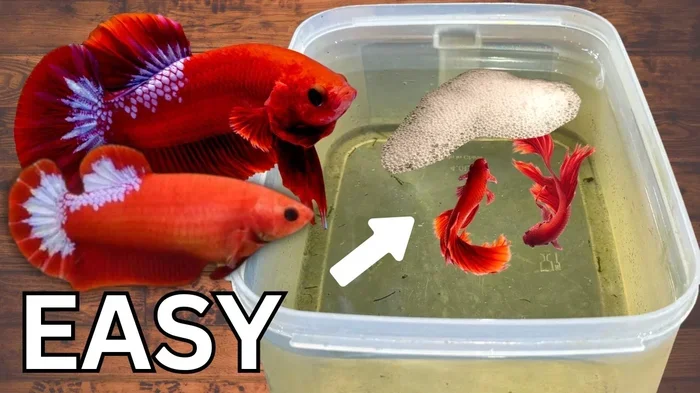
How to Make Your Male Betta Fish Feel at Home
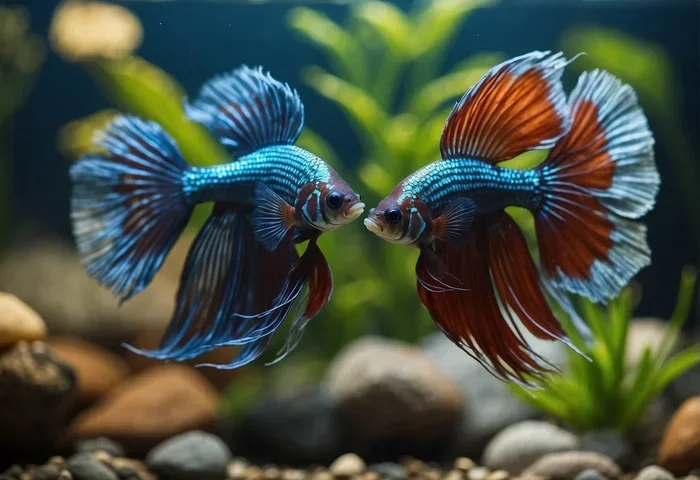
Making your male betta fish feel at home starts with the right tank setup, warm water, and a stress-free environment. Male bettas need proper space, gentle filtration, hiding spots, and a consistent routine to truly thrive. When you create a comfortable habitat, your betta will show vibrant colors, active swimming, and a healthy appetite.
Your male betta fish deserves a place he can truly call home. These stunning creatures are more than just pretty fins and vivid colors. They are intelligent, curious fish that need a comfortable environment to live their best life. When you learn how to make your male betta fish feel at home, you unlock a happier, healthier pet who will reward you with active behavior and brilliant hues.
Many new betta owners make the mistake of keeping their fish in tiny bowls or cold water. This might seem convenient, but it causes stress, illness, and a shortened lifespan. A well-designed tank setup changes everything. Your betta will explore, play, and even build bubble nests when he feels safe. Let us walk you through the steps to create the perfect home for your male betta.
## Why Your Male Betta Fish Needs a Comfortable Home
Betta fish, also known as Siamese fighting fish, come from the warm, slow-moving waters of Southeast Asia. In the wild, they live among rice paddies, shallow ponds, and quiet streams. These environments offer plenty of cover, gentle currents, and warm temperatures year-round.
When you bring a betta into your home, you are recreating that natural habitat. The better you match his wild conditions, the more comfortable he will feel. A stressed betta fish is more likely to get sick, lose his color, and become withdrawn. On the other hand, a comfortable betta will display bold colors, build bubble nests, and show curiosity about his surroundings.
Making your betta feel at home is not just about aesthetics. It directly impacts his physical health and mental well-being. Think of it like setting up a cozy bedroom for a friend. Every detail matters.
### The Stress Factor in Betta Fish
Stress is the silent killer for betta fish. When a betta feels threatened or uncomfortable, his body releases cortisol. Over time, this weakens his immune system and opens the door to diseases like ich and fin rot. Common stressors include cold water, small tanks, bright lights, and aggressive tank mates.
By reducing stress through proper setup and care, you give your betta the best chance at a long, vibrant life. A comfortable environment also encourages natural behaviors like exploring, resting, and building nests. These are all signs that your fish is truly happy.
## Setting Up the Perfect Tank Environment
The foundation of a comfortable home is the tank itself. Many people still believe bettas thrive in tiny cups or bowls. This is a myth. Male bettas need adequate space to swim, explore, and establish their territory.
### Choosing the Right Tank Size
A minimum of 5 gallons is recommended for a single male betta. This gives him enough room to swim freely without feeling cramped. Larger tanks, such as 10 gallons, are even better because they provide more stable water conditions.
Here is a quick comparison of tank sizes and their benefits:
- 3 Gallons: Too small for long-term comfort. Hard to maintain stable water parameters.
- 5 Gallons: The minimum recommended size. Good balance of space and manageability.
- 10 Gallons: Ideal for a single betta. Offers more swimming room and stable water quality.
- 20 Gallons: Great if you plan to add peaceful tank mates or more plants.
When you set up a betta fish aquarium, think about length and surface area too. Bettas are labyrinth fish, meaning they breathe air from the surface. A longer tank gives them more access to the surface, which makes them feel more at ease.
### Filtration Without Strong Currents
Betta fish come from calm waters. A powerful filter with a strong current will stress them out. Choose a gentle sponge filter or adjust the flow of your filter so it creates a soft, barely noticeable current. This keeps the water clean without making your betta feel like he is fighting a river.
### Gentle Lighting
In the wild, bettas live under overhanging plants and tree canopies that create dappled shade. Bright, direct lighting can make them anxious. Use a soft LED light on a timer set to 8-10 hours per day. This mimics their natural day-night cycle and helps them feel secure.
## Temperature and Water Quality Essentials
Water conditions are the backbone of a comfortable betta home. Getting these right makes all the difference in how your fish feels and behaves.
### Maintaining the Right Temperature
Betta fish are tropical creatures. They need warm water to stay healthy and active. The ideal temperature range is between 78 and 80 degrees Fahrenheit. If the water drops below 76°F, your betta may become sluggish and prone to illness.
Using a submersible aquarium heater is the best way to maintain a consistent temperature. Pair it with a small thermometer so you can monitor the water daily. Avoid placing the tank near windows, drafts, or heating vents, as these cause temperature fluctuations.
### Water Parameters to Monitor
Clean, chemical-free water is essential for your betta’s comfort. Here are the key parameters to keep in check:
- pH Level: Aim for 6.5 to 7.5. Stable pH is more important than hitting a perfect number.
- Ammonia: Should be 0 ppm. Even trace amounts are toxic to bettas.
- Nitrite: Should be 0 ppm. This harmful compound builds up from waste and uneaten food.
- Nitrate: Keep below 20 ppm. Regular water changes prevent nitrate buildup.
Always use tap water conditioner before adding water to the tank. This removes chlorine and chloramine, which can harm your betta’s sensitive gills and skin. Treating water takes only a few minutes but protects your fish from serious health issues.
### The Importance of Water Changes
Perform a 25-30% water change every week. This removes waste, excess nutrients, and pollutants before they build up to harmful levels. Use a gravel vacuum during water changes to clean debris from the substrate. Clean water is one of the simplest and most effective ways to keep your betta feeling at home.
## Adding Decorations and Hiding Spots
A bare tank is stressful for any fish. Betta fish need visual barriers and hiding places to feel safe. Adding the right decorations transforms a plain tank into a comfortable, natural-looking habitat.
### Live Plants for Comfort
Live plants are one of the best additions to a betta tank. They provide hiding spots, reduce stress, and improve water quality by absorbing nitrates. Bettas love plants with broad leaves where they can rest and explore.
Great plant options for betta tanks include:
- Java Fern: Easy to care for and thrives in low light. Attach it to driftwood or rocks.
- Anubias: Hardy and slow-growing. Its broad leaves make excellent resting spots.
- Amazon Sword: Adds a lush, natural look and provides plenty of cover.
- Floating Plants: Water lettuce and frogbit create shade and make bettas feel secure.
If live plants are not an option, silk plants work well too. Avoid plastic plants with sharp edges, as these can tear your betta’s delicate fins.
### Caves and Hiding Spots
Betta fish are solitary by nature. They appreciate having a private retreat where they can rest away from the view of others. Small caves, coconut shells, or terracotta pots turned on their side make excellent hiding spots.
Place decorations along the edges and back of the tank. This leaves open swimming space in the center while giving your betta plenty of places to explore and hide. A well-decorated tank helps your fish feel territorial and confident.
### Substrate and Background
Choose a soft, fine-grained substrate like sand or smooth gravel. Rough substrates can damage your betta’s fins as he swims. A dark-colored substrate often brings out the vibrant colors of male bettas, making them look even more stunning.
A plain background on the back and sides of the tank reduces outside distractions. This helps your betta feel less exposed and more at ease in his environment.
## Feeding and Enrichment for a Happy Betta
A comfortable home is not just about the tank setup. How you feed and interact with your betta also plays a huge role in his overall well-being.
### A Balanced Diet
Feed your betta a high-quality pellet diet as the staple food. Look for pellets specifically formulated for bettas that are high in protein and low in fillers. Supplement his diet with frozen or live foods like bloodworms, brine shrimp, and daphnia a few times per week.
Avoid overfeeding. Betta fish have small stomachs, and excess food pollutes the water. Feed small amounts twice a day, only as much as he can eat in two minutes. A well-fed betta is a healthy betta.
### Enrichment Activities
Bettas are curious fish that benefit from mental stimulation. You can enrich their environment in several simple ways:
- Floating Objects: A betta leaf hammock or floating log gives your fish a place to rest near the surface.
- Mirror Sessions: Briefly showing a mirror can trigger natural flaring behavior and provide stimulation. Limit this to 5 minutes, a few times per week.
- Target Training: You can teach your betta to follow your finger or a small stick. This builds trust and provides mental exercise.
Enrichment keeps your betta mentally sharp and prevents boredom. A stimulated fish is a happy fish who feels content in his surroundings.
## Signs Your Betta Fish Is Comfortable
Knowing whether your betta feels at home is important. You can observe his behavior and appearance for clear comfort indicators.
### Physical Signs of a Happy Betta
A comfortable male betta will display bright, vivid colors. His fins will be open and flowing, not clamped against his body. He will have a healthy appetite and produce regular waste. His colors may even intensify when he feels safe and content.
### Behavioral Signs of Comfort
Watch for these positive behaviors that indicate your betta is thriving:
- Active Swimming: He moves freely around the tank without appearing lethargic or erratic.
- Bubble Nest Building: Male bettas build bubble nests when they feel secure and happy.
- Exploration: He investigates new decorations and swims to the surface to greet you.
- Relaxed Fins: His fins hang naturally rather than being pressed tightly against his body.
- Interest in Food: He eagerly swims to the surface during feeding time.
If you notice any of these signs, you are doing a great job. Your male betta fish feels at home in his environment.
### When Something Is Wrong
Conversely, watch for signs of discomfort. Clamped fins, loss of color, hiding constantly, refusing food, or rapid breathing all signal stress. If you see these signs, check your water parameters, temperature, and tank setup. Making adjustments quickly can prevent serious health problems.
## Common Mistakes to Avoid
Even well-meaning betta owners sometimes make mistakes that make their fish feel uncomfortable. Here are the most common ones to watch out for.
### Keeping Your Betta in a Tiny Bowl
A bowl under 3 gallons is far too small for a betta to thrive. It limits swimming space, makes water quality hard to maintain, and causes chronic stress. Upgrade to at least a 5-gallon tank as soon as possible.
### Skipping the Heater
Room temperature water is almost always too cold for bettas. Without a heater, your fish may become sluggish and vulnerable to disease. A reliable heater is a non-negotiable part of betta care.
### Overcrowding the Tank
While bettas are solitary, some owners add aggressive tank mates or too many fish. This creates constant stress and territorial conflict. Stick to peaceful, non-fin-nipping companions if you want to add other fish, or keep your betta solo in a well-planted tank.
### Neglecting Water Changes
Even with good filtration, waste builds up over time. Skipping regular water changes leads to ammonia spikes and poor water quality. Your betta may seem fine for a while, but the long-term effects are damaging.
## Final Thoughts
Creating a comfortable home for your male betta fish is one of the most rewarding parts of fish keeping. When you focus on the right tank size, warm water, clean conditions, thoughtful decorations, and proper enrichment, you set the stage for a happy, healthy fish. Your betta will reward you with vibrant colors, active behavior, and a peaceful presence in your home.
Remember, every betta is an individual. Pay attention to his unique preferences and adjust his environment accordingly. The effort you put into making your male betta fish feel at home will be repaid with years of beauty and companionship. Start with one change today, and build from there. Your betta will thank you with every shimmering fin.
Key Takeaways
- Right Tank Size Matters: A minimum 5-gallon tank gives your male betta room to explore and feel secure.
- Warm Water Is Essential: Keep the temperature between 78-80°F to mimic your betta’s natural habitat.
- Decorations Reduce Stress: Plants, caves, and hiding spots help your betta feel safe and relaxed.
- Water Quality Is Non-Negotiable: Regular water changes and gentle filtration keep your fish healthy and comfortable.
- Enrichment Boosts Happiness: Floating plants, gentle lighting, and occasional enrichment activities make a big difference.
- Watch for Comfort Signs: Bright colors, active swimming, and a good appetite mean your betta feels at home.
Frequently Asked Questions
What size tank does a male betta fish need to feel at home?
A minimum 5-gallon tank is recommended for a male betta fish. This size provides enough swimming space and makes it easier to maintain stable water conditions. Larger tanks, such as 10 gallons, offer even more comfort and stability for your betta.
What is the ideal water temperature for a male betta fish?
The ideal water temperature for a male betta fish is between 78 and 80 degrees Fahrenheit. Keeping the water consistently warm mimics his natural tropical habitat and helps him stay active and healthy. Use a submersible aquarium heater and a thermometer to maintain the right temperature.
Do male betta fish need live plants in their tank?
Live plants are highly beneficial for male betta fish because they provide hiding spots, reduce stress, and improve water quality. However, silk plants are a good alternative if live plants are not an option. Just avoid plastic plants with sharp edges that can damage your betta’s fins.
How often should I feed my male betta fish?
Feed your male betta fish small amounts twice a day. Only give him as much food as he can eat within two minutes to prevent overfeeding and water pollution. A varied diet of high-quality pellets supplemented with frozen or live foods keeps him healthy and vibrant.
How can I tell if my male betta fish is stressed?
Signs of a stressed male betta fish include clamped fins, loss of color, constant hiding, refusal to eat, and rapid breathing. If you notice these behaviors, check your water parameters, temperature, and tank setup right away. Making quick adjustments can help your betta feel safe and comfortable again.
Can male betta fish live with other fish?
Male betta fish are best kept alone due to their territorial nature. However, some peaceful, non-fin-nicking species can coexist in a well-planted tank of 10 gallons or more. Always monitor interactions closely and be prepared to separate fish if aggression occurs. A calm, well-decorated environment makes cohabitation more successful.