How to Make Your Betta Fish Have Babies
Breeding betta fish is a rewarding process that requires the right setup, healthy fish, and patience. You will learn how to prepare your betta fish for breeding, create the ideal breeding tank environment, and care for betta fish fry from birth. This guide covers every step from betta fish mating to raising healthy baby fish.
Breeding betta fish at home is one of the most exciting things a fish keeper can experience. Watching a male build a bubble nest, seeing a pair mate, and then caring for tiny fry is truly magical. But making betta fish have babies is not as simple as putting a male and female together and hoping for the best.
You need the right environment, healthy fish, and a solid plan. This guide walks you through every step of the betta fish breeding process. Whether you are a beginner or have kept bettas for years, you will find practical tips that actually work.
Before you start, understand that healthy betta fish breed more successfully. If your fish are not in great shape, breeding can fail or harm them. Always prioritize the well-being of your fish over everything else. You can read more about keeping your fish in top shape in our guide on how to make your betta fish stronger.
Key Takeaways
- Healthy parent fish are essential: A strong male and female betta are the foundation of successful breeding.
- A dedicated breeding tank makes all the difference: Proper water conditions and warmth encourage natural spawning behavior.
- The bubble nest is a key sign: A male building a bubble nest means your betta is ready to mate.
- Fry care requires special attention: Baby bettas need tiny food and clean water to survive and grow.
- Patience is critical: The full breeding cycle takes time, and not every attempt will succeed.
- Separate the parents after breeding: The male may harm the female once eggs are released.
- Conditioning with quality food boosts success: Feeding live or frozen foods prepares fish for spawning.
📑 Table of Contents
Understanding Betta Fish Breeding Basics
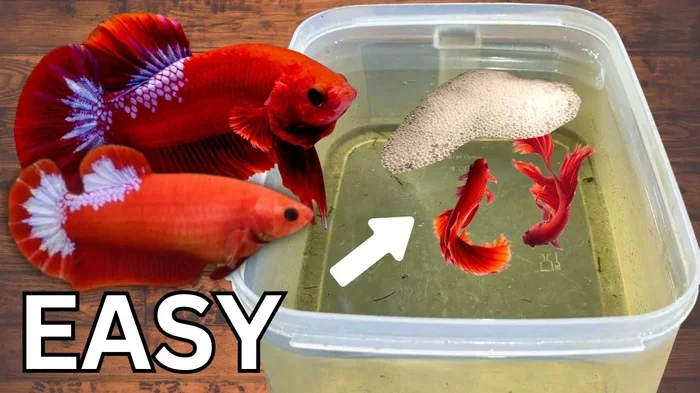
Betta fish breeding involves a natural process called spawning. The male betta builds a bubble nest on the water surface. This nest holds the eggs after the female releases them. The male then fertilizes the eggs and places them gently into the nest. This whole process is fascinating to watch.
Not all bettas are ready to breed at the same age. Males and females should be at least four to six months old. Young fish may not be mature enough, and very old fish may have trouble breeding. Look for signs that your fish are ready. A healthy male will start building bubble nests regularly. A healthy female will develop a visible egg spot on her underside.
Know the Signs Your Fish Are Ready to Breed
You cannot just throw any two bettas together and expect babies. Both fish need to show clear signs of readiness. Here is what to look for:
- The male builds bubble nests: This is the biggest sign. A bubble nest means the male is ready to mate.
- The female has a white egg spot: This small dot on her belly means she is carrying eggs.
- Both fish show vibrant colors: Dull colors can mean stress or poor health.
- The female’s body looks fuller: A rounder belly often means she is carrying eggs.
- The male flares and shows interest: He will display his fins and chase the female gently.
If you want to better understand your fish’s behavior and happiness levels, check out our article on how to know if your betta fish is happy. Happy fish are more likely to breed successfully.
Preparing Your Betta Fish for Breeding
Preparation is the most important part of making betta fish have babies. You cannot skip this step. Both the male and female need to be in peak condition before you introduce them. Think of it like athletes preparing for a big event. They need the right fuel and environment.
Conditioning Your Betta Fish
Conditioning means feeding your fish high-quality food for two to four weeks before breeding. This builds up their energy and gets their bodies ready for spawning. Here is what to do:
- Feed live or frozen foods: Bloodworms, brine shrimp, and daphnia are excellent choices. These foods are rich in protein and nutrients.
- Feed small amounts twice a day: Do not overfeed. Offer only what your fish can eat in two minutes.
- Keep the water clean: Perform small water changes every other day during conditioning.
- Maintain stable temperatures: Keep the water around 78 to 80 degrees Fahrenheit.
Proper conditioning dramatically increases your chances of success. If you want to learn more about making the best food at home, read our guide on how to make betta fish food at home.
Choosing the Right Pair
Not every male and female will work well together. Choose fish that are healthy, active, and around the same size. Avoid pairing fish that show aggression toward each other during the introduction phase. A stressed female will not release eggs, and a stressed male may not build a proper bubble nest.
Also, never breed fish that show signs of disease or poor health. Healthy betta fish produce stronger, more vibrant fry. If you need help getting your fish to optimal health first, our article on how to make your betta fish healthy again can help.
Setting Up the Breeding Tank
The breeding tank is where the magic happens. You need a separate tank just for this purpose. A 10-gallon tank works well for most setups. The breeding environment must be calm, warm, and clean.
Water Conditions for Breeding
The water in your breeding tank plays a huge role in whether your fish will actually spawn. Here are the ideal conditions:
- Temperature: Keep it between 78 and 82 degrees Fahrenheit. Warm water encourages breeding behavior.
- pH Level: Aim for a pH between 6.5 and 7.0. Slightly acidic to neutral water is best.
- Water hardness: Soft to moderately hard water works well.
- Water depth: Keep the water shallow, about five to six inches deep. This helps the male build a bubble nest near the surface.
- No strong current: Bettas prefer calm water. Avoid powerful filters or air stones.
Getting the water right is essential. If you want detailed advice on preparing the perfect water, our guide on how to make water for betta fish covers everything you need to know.
Tank Setup Essentials
Your breeding tank needs a few specific items to create the right atmosphere:
- A heater: A small adjustable heater keeps the water at the right temperature.
- A sponge filter: This provides gentle filtration without creating too much current.
- Floating plants: These give the male materials to build his bubble nest. Java moss and floating fern work great.
- A hiding spot for the female: Use a small plant or breeding trap so the female can retreat if the male becomes aggressive.
- A bare bottom or soft substrate: This makes it easier to clean the tank and spot eggs.
Keep the tank in a quiet area of your home. Loud noises and vibrations can stress the fish and disrupt the breeding process. The goal is to create a peaceful space that mimics their natural habitat.
The Breeding Process Step by Step
Once your fish are conditioned and the breeding tank is ready, you can introduce the pair. This is an exciting but delicate phase. Watch your fish closely and be prepared to act quickly if needed.
Introducing the Male and Female
Place the female in the breeding tank first. Let her adjust to the new environment for a few hours. Then introduce the male. You may see the male start building or adding to his bubble nest right away. This is a great sign.
Watch their interactions carefully. Some chasing is normal. The male will wrap his body around the female to trigger egg release. This process may happen several times. Each time, the female releases a small group of eggs.
What Happens After Spawning
After the female releases her eggs, the male fertilizes them and places them into the bubble nest. The female will look pale and tired after spawning. Here is what you need to do immediately:
- Remove the female from the tank: The male may become aggressive toward the female after breeding. Leaving her in the tank can lead to injury.
- Leave the male in the tank: He will guard the eggs and the bubble nest carefully.
- Turn off any strong lights: Dim lighting helps the male feel secure and protect the nest.
- Do not disturb the tank: Avoid moving the tank or making loud noises near it.
The male will tend the nest for about 24 to 48 hours. During this time, he may repair the nest and catch any eggs that fall. Once the fry hatch, the male will lose interest in the nest. At this point, you should remove the male gently and place him back in his original tank.
Raising Betta Fish Fry
Once the fry hatch, they are incredibly tiny. They will not swim right away. For the first two to three days, they live off their yolk sac. After that, they need food. This is where many new breeders face challenges.
You need to feed the fry very small foods. Infusoria, baby brine shrimp, and finely crushed flakes work well. Feed them several times a day in tiny amounts. Clean water is just as important as food for growing fry.
If you want to help your fry grow strong and fast, check out our guide on how to make betta fish grow faster. It has tips that work great for young fish.
Common Breeding Problems and How to Fix Them
Even with the best preparation, breeding can come with challenges. Here are some common issues and how to handle them.
Male Does Not Build a Bubble Nest
This is one of the most common problems. If your male is not building a nest, try these fixes:
- Check the water temperature: It may be too cool. Raise it slightly to around 80 degrees.
- Add floating plants: These give the male something to build the nest on.
- Reduce stress: Keep the tank in a quiet area away from loud noises.
- Try a different female: Sometimes the pair simply does not work well together.
Female Does Not Release Eggs
A female that refuses to release eggs may be stressed or not fully mature. Make sure she is well-conditioned with high-quality food. Also, ensure the tank environment feels safe. Give her plenty of hiding spots and avoid aggressive behavior from the male.
Fry Are Not Surviving
Fry mortality is common, especially in the first week. The main causes are poor water quality and lack of proper food. Do small water changes daily using aged water at the same temperature. Feed the fry tiny amounts multiple times a day. Over time, as you gain experience, your survival rates will improve.
Expert Tips for Successful Betta Fish Breeding
Here are some extra tips from experienced breeders that can make a big difference:
- Always use a separate breeding tank: Never breed fish in your main display tank. Eggs and fry need a safe, controlled environment.
- Watch the water parameters daily: Even small changes in pH or temperature can affect breeding success.
- Be patient: Not every breeding attempt will work. Sometimes you need to try again with a different pair or after more conditioning time.
- Keep records: Note the breeding dates, water conditions, and any observations. This helps you learn and improve over time.
- Start with healthy fish: Visit our guide on how to make your betta fish happy for tips on keeping your fish in the best possible condition before breeding.
Betta fish breeding is a journey that requires patience, observation, and care. Every successful spawn teaches you something new. Do not get discouraged if your first attempt does not go perfectly. Each experience makes you a better breeder.
The reward of watching tiny fry grow into beautiful, healthy bettas is unlike anything else in the hobby. With the right setup, healthy parent fish, and consistent care, you can successfully raise the next generation of betta fish. Start with the basics, follow the steps in this guide, and enjoy the process.
Remember that making betta fish have babies is about more than just getting fry. It is about giving your fish the best possible care throughout their lives. From conditioning to spawning to raising fry, every step matters. Take your time, enjoy the journey, and celebrate every small success along the way.
Frequently Asked Questions
How long does it take for betta fish eggs to hatch?
Betta fish eggs typically hatch within 24 to 48 hours after the male fertilizes them. The male will keep the eggs in the bubble nest during this time. Once hatched, the fry will absorb their yolk sac for the first two to three days before needing external food.
How many babies do betta fish have at once?
A female betta can release anywhere from 30 to 100 eggs in a single spawning session. Not all of these will survive, but under good conditions, you can expect around 50 to 70 healthy fry. The exact number depends on the age and health of the parent fish.
Can I breed betta fish in my main aquarium?
It is not recommended. Breeding in a main tank puts the eggs and fry at risk from other fish. The male may also become aggressive and harm other tankmates. A separate breeding tank gives the best chance of success and keeps all your fish safe.
What should I feed betta fish fry?
Newly hatched brine shrimp, infusoria, and finely crushed high-quality flakes are ideal for betta fry. Feed them small amounts four to five times a day. As they grow, you can gradually introduce larger foods like micro worms and baby brine shrimp.
Why is my male betta not building a bubble nest?
A male may not build a bubble nest if the water is too cool, if he is stressed, or if he is not mature enough. Try raising the temperature slightly, reducing noise and light, and making sure he is well-fed with protein-rich foods. Sometimes it simply takes time and patience.
Do I need to separate the female after breeding?
Yes, absolutely. The male can become very aggressive toward the female after the eggs are released. Remove the female carefully and place her back in her own tank. The male will take care of the eggs and fry on his own until they hatch and become free-swimming.
=== CONCLUSION ===
Making your betta fish have babies is a fulfilling experience that starts with preparation. From conditioning your fish and setting up the right breeding tank to carefully managing the spawning process and raising fry, every step counts. The key is patience and attention to detail. Healthy, happy parent fish are your greatest asset in this journey. Follow the tips in this guide, stay consistent with care, and you will give your betta fish the best possible chance to breed successfully. Start today, and enjoy the incredible process of bringing new life into your aquarium.