How to Make Food for Betta Fish Fry
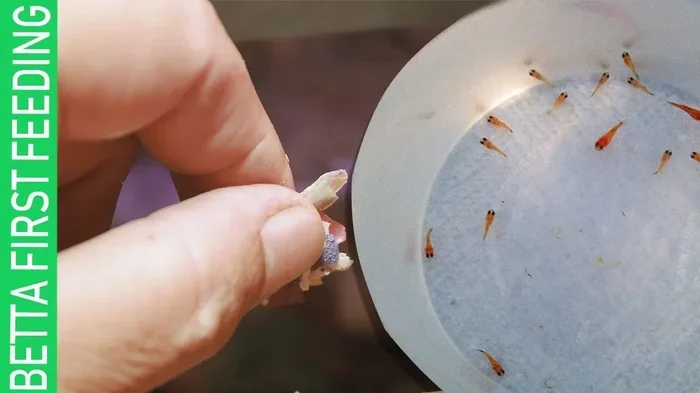
Making food for betta fish fry at home is simple, affordable, and essential for healthy growth. This guide covers easy recipes using infusoria, baby brine shrimp, and microworms that mimic what betta fry eat in the wild. You will learn feeding schedules, portion sizes, and nutrition tips to raise strong, vibrant fry.
Raising betta fish fry can be one of the most rewarding experiences in the aquarium hobby. But here is the thing — baby bettas need the right food from day one. Their tiny mouths cannot handle regular flakes or pellets. So what do you do? You make your own food. Learning how to make food for betta fish fry is easier than most people think, and it saves you money too.
In this guide, we will walk you through every step. From the very first feeding to transitioning fry onto solid foods, you will have everything you need. We will share proven recipes, feeding tips, and common mistakes to avoid. Whether you are a beginner or a seasoned breeder, this article will help you raise healthy, vibrant betta fry with confidence.
Key Takeaways
- Homemade fry food is cheaper and healthier than store-bought alternatives for baby bettas.
- Infusoria and baby brine shrimp are the best first foods for newly hatched betta fry.
- Feeding small amounts multiple times a day keeps fry growing steadily without fouling the water.
- Microworms and vinegar eels make excellent intermediate foods as fry grow.
- Proper nutrition prevents stunting and disease in young betta fish.
- Live food cultures are easy to maintain at home with minimal equipment.
- Gradually transition fry to larger foods as their mouths grow over the first few weeks.
📑 Table of Contents
Why Homemade Food Matters for Betta Fry
Store-bought fish foods often contain fillers and preservatives. For adult bettas, this is manageable. But for tiny betta fish fry, every bite counts. Homemade food lets you control exactly what goes into their diet. You can tailor the nutrition to match their developmental stage perfectly.
Baby bettas grow incredibly fast in the first few weeks. They need protein-rich, easily digestible foods to support this rapid growth. Commercial fry foods can be hit or miss. When you make food at home, you know the quality is top-notch. This approach also reduces the risk of water contamination because fresh food decomposes more predictably than processed alternatives.
The Nutritional Needs of Betta Fry
Betta fry need a diet that is extremely high in protein. In the wild, they eat tiny organisms like infusoria and newly hatched brine shrimp. Their bodies are designed to digest live and freshly prepared foods. Here is what a proper fry diet should include:
- High protein content — at least 40% to 50% protein in early stages
- Small particle size — foods must be smaller than the fry’s mouth
- Live or freshly prepared ingredients — mimics natural feeding behavior
- Balanced fats and nutrients — supports healthy development and color
- Easy digestibility — prevents bloating and digestive issues in young fish
Understanding these needs is the foundation of successful betta fry care. When you feed the right things at the right time, your fry will thrive.
Best Homemade Foods for Betta Fish Fry
Not all homemade foods work for every stage of fry development. The key is matching the food size and nutrition to the fry’s age. Here are the best options you can prepare at home.
Infusoria — The Perfect First Food
Infusoria is the gold standard for brand-new betta fry. These microscopic organisms are the first thing baby bettas would encounter in nature. You can culture infusoria at home using just a jar, some lettuce, and aquarium water. Place a few pieces of boiled lettuce in a jar of aged aquarium water and wait. Within a few days, the water will turn cloudy with tiny organisms that are perfect for newborn fry.
Feeding infusoria is simple. Use a dropper to add a few drops to the fry tank several times a day. The fry will eagerly consume them. Infusoria cultures are incredibly easy to maintain and cost almost nothing. This is the single best way to start feeding betta fry properly.
Baby Brine Shrimp — The Growth Powerhouse
Once your fry are a few days old, it is time to introduce baby brine shrimp. These tiny crustaceans are packed with protein and healthy fats. They are one of the most nutritious foods you can offer to growing betta fry. You can hatch brine shrimp eggs at home using a simple hatchery or even a plastic bottle with an air pump.
The process is straightforward. Add brine shrimp eggs to saltwater, aerate the solution, and wait 24 to 48 hours. The newly hatched nauplii will float to the surface. Use a light to attract them to one side of the container, then siphon them into the fry tank. Baby brine shrimp are incredibly easy to hatch and feed, making them a staple for any betta breeder.
Microworms for Growing Fry
As your betta fry grow past the first week, their mouths get bigger. This is when microworms become an excellent food source. Microworms are tiny nematodes that you can culture in a small container of oatmeal and yeast. They are large enough for medium-sized fry but still small enough for newly developing mouths.
Setting up a microworm culture takes about five minutes. Mix equal parts oatmeal and water, add a pinch of yeast, and introduce a starter culture. Within a week, the culture will be teeming with worms. Use a small paintbrush to collect them and feed your fry. Microworms are a great bridge food between infusoria and brine shrimp for growing betta fry.
Vinegar Eels as an Alternative
Vinegar eels are another excellent option for betta fry. These tiny nematodes live in vinegar and apple cider mixtures. They are slightly smaller than microworms, making them ideal for the smallest fry. To culture vinegar eels, pour apple cider vinegar into a bottle with a piece of raw potato and add a starter culture. Within two weeks, you will have a thriving population of eels ready to feed.
Vinegar eels are particularly useful because they stay suspended in water longer than microworms. This gives the fry more time to find and eat them. Many experienced breeders keep both microworm and vinegar eel cultures running simultaneously to have a steady supply of food at all times.
How to Make Food for Betta Fish Fry — Step by Step Recipes
Now that you know the best food options, let us get into the practical side. Here are easy recipes you can prepare at home with basic kitchen ingredients.
Recipe 1: Egg Yolk Paste
Hard-boiled egg yolk makes an excellent paste for betta fry. It is rich in protein and nutrients that promote rapid growth. Here is how to prepare it:
- Boil an egg for 10 minutes
- Separate the yolk from the white
- Place the yolk in a small container
- Add a few drops of tank water and mash it into a fine paste
- Use a dropper to feed tiny amounts to the fry
Feed only what the fry can consume in a few minutes. Uneaten egg yolk will quickly foul the water. This recipe works best for fry that are one week old or older.
Recipe 2: Beef Heart Blend
For slightly older fry, a beef heart blend provides dense nutrition. You will need lean beef heart and a blender. Blend the raw heart with a small amount of tank water until it forms a smooth paste. Strain the mixture through a fine mesh to remove any chunks. The resulting liquid can be frozen in ice cube trays for later use.
Thaw a cube as needed and feed small amounts. This recipe is protein-dense and perfect for fry aged two weeks and up. Always remove any uneaten portions after feeding to keep the water clean.
Recipe 3: Spinach and Spirulina Mix
Adding plant-based nutrients to your fry diet creates a balanced meal. Blend steamed spinach with a spirulina powder supplement and a little tank water. The resulting green paste is rich in vitamins and minerals. Feed this mix two to three times per week alongside protein-rich foods for a well-rounded diet.
This recipe helps boost color and immunity in growing betta fry. The spirulina adds natural pigments that enhance the fry’s developing colors over time.
Feeding Schedule and Best Practices
Getting the feeding schedule right is just as important as the food itself. Betta fry have tiny stomachs and high metabolisms. They need frequent, small meals throughout the day. Here is a recommended feeding schedule based on fry age.
Feeding Schedule by Fry Age
- Days 1 to 5: Infusoria only, fed 4 to 6 times per day in tiny amounts
- Days 6 to 14: Infusoria and baby brine shrimp, fed 4 times per day
- Weeks 3 to 4: Baby brine shrimp and microworms, fed 3 times per day
- Weeks 5 and beyond: Microworms, crushed flakes, and brine shrimp, fed 2 to 3 times per day
Overfeeding is the number one mistake new breeders make. Excess food decomposes rapidly and spikes ammonia levels in the fry tank. This can be deadly for young fish. Always err on the side of underfeeding. The fry will let you know when they are hungry by becoming more active and swimming to the surface.
Water Quality and Feeding
Feeding fry is closely tied to water quality. Because fry produce a lot of waste relative to their size, regular water changes are essential. Perform small water changes of 10 to 20 percent every other day. This keeps the water clean without disturbing the fry too much. Clean water equals healthy fry, and healthy fry grow into strong adult bettas.
Before adding fresh water to the tank, make sure it is treated and at the right temperature. Using a tap water conditioner removes chlorine and chloramine that can harm delicate fry. Keeping the water temperature stable between 78 and 80 degrees Fahrenheit supports optimal digestion and growth.
Common Mistakes to Avoid When Feeding Betta Fry
Even experienced hobbyists make mistakes with fry feeding. Here are the most common errors and how to avoid them.
Overfeeding
This is the biggest killer of betta fry. It is tempting to feed them often because they seem hungry, but excess food destroys water quality fast. Feed only what disappears within two to three minutes. If food sits on the bottom, you have given too much.
Using the Wrong Food Size
Newly hatched fry cannot eat anything larger than infusoria. If you feed them crushed flakes too early, they will not be able to digest it. Always match the food particle size to the fry’s mouth width. When in doubt, go smaller.
Skipping Food Cultures
Many beginners rely only on store-bought foods. While these can work, live cultures like infusoria and microworms are far superior for fry development. Start a culture or two before your fry hatch so you have a steady supply ready.
Neglecting Water Changes
Fry tanks get dirty quickly because of frequent feeding. Skipping water changes leads to ammonia buildup, which stunts growth and causes disease. Keep up with a consistent water change routine to give your fry the best chance at survival.
Expert Tips for Raising Healthy Betta Fry
Here are some insider tips from experienced betta breeders that will give your fry the best start in life.
- Start cultures early. Have your infusoria and microworm cultures running before the fry hatch. This ensures you have live food ready from day one.
- Use a air-powered sponge filter. It provides gentle filtration without sucking up tiny fry. The air current also delivers infusoria to the fry naturally.
- Keep the lights dim. Bright lights stress young fry. Use low-wattage LED lights or ambient room lighting instead.
- Separate fry by size. Larger fry may eat smaller ones if food is scarce. Culling by size ensures everyone gets enough to eat.
- Observe your fry daily. Watch for signs of lethargy, bloating, or color loss. Catching problems early gives you time to adjust the diet or water parameters.
Feeding frequency matters more than portion size for very young fry. It is better to give five tiny meals than two large ones. This keeps their metabolism active and supports continuous growth throughout the day.
Remember that how to make food for betta fish fry is a learning process. Every batch of fry is slightly different. Pay attention to how they respond to each food type and adjust accordingly. Over time, you will develop a feeding routine that produces the strongest, most colorful fry possible.
Conclusion
Making food for betta fish fry at home is one of the most impactful things you can do for their health and development. From infusoria and baby brine shrimp to microworms and homemade egg yolk paste, you have everything you need to raise thriving fry without relying on expensive commercial products. The key is consistency — feed the right foods at the right stages, keep the water clean, and watch your fry grow into beautiful adult bettas. With the knowledge from this guide, you are fully equipped to start your fry-raising journey with confidence.
Start small, stay patient, and enjoy the process. Raising betta fry from tiny eggs to healthy juveniles is deeply rewarding, and proper nutrition is the foundation of success. Your fry will thank you with vibrant colors and energetic behavior as they grow.
Frequently Asked Questions
What is the best first food for betta fish fry?
Infusoria is the best first food for newly hatched betta fry. These microscopic organisms are small enough for newborns to eat and are rich in nutrients. You can culture infusoria at home using boiled lettuce and aged aquarium water.
How often should I feed betta fish fry?
Feed betta fry 4 to 6 times per day during the first week, then gradually reduce to 3 to 4 times as they grow. Frequent small meals match their high metabolism and tiny stomach capacity. Always remove any uneaten food after a few minutes.
Can I feed betta fry regular fish flakes?
No, regular flakes are too large for betta fry to eat or digest properly. Crush flakes very finely and only offer them once the fry are at least three weeks old. Until then, stick to live or freshly prepared foods like infusoria and baby brine shrimp.
How do I culture microworms for betta fry?
Mix equal parts rolled oats and water in a small container, add a pinch of yeast, and introduce a microworm starter culture. Keep the container at room temperature and feed the worms a small amount of oats every few days. Use a paintbrush to collect worms and feed them to your fry.
Is it necessary to use live food for betta fry?
While not strictly necessary, live foods are highly recommended because they are the most natural and nutritious option for young bettas. If you cannot maintain live cultures, frozen baby brine shrimp are a good alternative. Avoid dry commercial foods for fry under two weeks old.
How long does it take for betta fry to grow large enough to eat regular food?
Betta fry can typically eat crushed flakes and small pellets by 4 to 6 weeks of age. Their mouths grow rapidly during the first month, allowing them to handle progressively larger foods. Transition gradually to avoid digestive issues as they develop.