How to Make Food for Betta Fish

Making food for betta fish at home is simple, affordable, and great for your fish health. You can prepare nutritious meals using common ingredients like shrimp, peas, and eggs. This guide covers easy recipes, feeding tips, and how to keep your betta fish thriving with homemade meals.
Feeding your betta fish the right food is one of the most important parts of betta fish care. Many fish owners want to know how to make food for betta fish at home. The good news is that it is easier than you think. With a few simple ingredients, you can prepare meals that are healthier and more natural than most store-bought options.
Your betta fish needs a betta fish diet rich in protein and nutrients. In the wild, bettas eat insects, larvae, and small creatures. Replicating this diet at home helps your fish stay vibrant, active, and colorful. This guide will walk you through everything you need to know about homemade betta food.
Whether you are a beginner or an experienced fish keeper, making your own food gives you full control over what goes into your fish tank. You will learn easy recipes, feeding tips, and common mistakes to avoid. Let us dive right in!
Key Takeaways
- Homemade food gives your betta fish better nutrition than many store-bought options.
- Simple ingredients like shrimp, peas, and eggs make excellent betta fish meals.
- Preparing food in advance saves time and keeps your betta fish healthy.
- Feeding the right amount matters for digestion and overall betta fish care.
- Variety in diet improves betta fish color and boosts their immune system.
- Avoid harmful ingredients like raw meat and processed foods.
- Consistency in feeding schedule helps your betta fish stay active and strong.
📑 Table of Contents
- Why Homemade Food Is Great for Betta Fish
- Easy Homemade Betta Fish Food Recipes
- How to Prepare and Store Homemade Betta Food
- Feeding Schedule and Best Practices
- Common Mistakes to Avoid When Making Betta Fish Food
- Where to Source Ingredients for Betta Fish Food
- How Homemade Food Improves Betta Fish Health and Color
Why Homemade Food Is Great for Betta Fish
Many people wonder if homemade food is really better than commercial pellets. The answer is yes, in most cases. Store-bought fish food often contains fillers and preservatives that are not ideal for betta fish nutrition. When you make food at home, you know exactly what your fish are eating.
Here are some key benefits of preparing homemade betta food:
- Fresh ingredients mean higher nutritional value for your betta fish.
- No artificial additives or preservatives that could harm your fish.
- Customizable recipes let you target specific health needs.
- Better color enhancement because natural ingredients like shrimp contain carotenoids.
- Improved digestion since homemade food is closer to what bettas eat in nature.
- Cost savings over time compared to buying premium fish food.
Understanding Betta Fish Nutritional Needs
Bettas are carnivorous fish. They need a diet high in protein and low in fillers. A good betta fish diet should contain at least 30 to 40 percent protein. They also need fats for energy and small amounts of vitamins and minerals.
The best betta fish ingredients include:
- Protein sources: shrimp, bloodworms, brine shrimp, and small fish
- Fiber sources: peas (shelled) to aid digestion
- Healthy fats: from fish oils and egg yolks
- Vitamins: from leafy greens and spirulina
When you make food for betta fish, aim for a balanced mix of these components. This ensures your fish gets complete nutrition every meal.
Easy Homemade Betta Fish Food Recipes
Now let us get to the fun part! Here are some simple and effective recipes you can try right away. Each recipe uses common ingredients you can find at home or at a local store.
Recipe 1: Shrimp and Pea Mix
This is one of the best betta fish recipes for beginners. Shrimp provides high-quality protein, and peas add fiber for healthy digestion.
Ingredients:
- One small cooked shrimp (no shell)
- One small green pea (cooked and mashed)
- A drop of fish oil
Steps:
- Cook the shrimp by boiling it for two to three minutes.
- Peel and mash the cooked pea until smooth.
- Mix the shrimp and pea together in a small bowl.
- Add one drop of fish oil for healthy fats.
- Blend everything into a smooth paste.
- Form tiny portions and freeze them in an ice cube tray.
Feed small pieces to your betta fish two to three times a week. This recipe supports betta fish growth and keeps their energy levels high.
Recipe 2: Egg Yolk and Spinach Blend
Egg yolks are packed with nutrients that boost betta fish health. Spinach adds vitamins and minerals that help with color and immunity.
Ingredients:
- One hard-boiled egg yolk
- A small handful of fresh spinach
- A pinch of garlic powder (optional)
Steps:
- Boil an egg and remove the yolk only.
- Blanch the spinach for one minute, then chop it finely.
- Mash the egg yolk and mix it with the spinach.
- Add a tiny pinch of garlic powder if desired.
- Blend into a smooth mixture.
- Portion into small pieces and store in the freezer.
Garlic can help stimulate your betta fish appetite and boost their immune system. This is an excellent betta fish meal prep option for the week ahead.
Recipe 3: Bloodworm and Fish Flake Blend
Bloodworms are a favorite among betta fish. Combining them with fish flakes creates a well-rounded meal that most bettas love.
Ingredients:
- Dried bloodworms (soaked in water for 10 minutes)
- A small pinch of high-quality fish flakes
- Water from the tank (to blend)
Steps:
- Soak dried bloodworms until they are soft.
- Blend them with fish flakes and a little tank water.
- Create a thick paste-like consistency.
- Form small portions and freeze them.
This recipe is perfect for betta fish food that mimics their natural diet. It is especially good for picky eaters who refuse pellets.
How to Prepare and Store Homemade Betta Food
Preparing homemade betta food ahead of time saves you effort during busy weeks. The key is proper storage to keep the food fresh and safe for your fish.
Freezing Tips for Betta Fish Food
Freezing is the best way to store homemade betta fish recipes. Here is how to do it right:
- Use a clean ice cube tray to portion the food.
- Freeze the tray until the cubes are solid.
- Transfer the cubes into a sealed freezer bag.
- Label the bag with the date and recipe name.
- Use frozen food within two to three months for best quality.
Always thaw one cube before feeding. Drop it into the tank and let it soften. Your betta fish will love the fresh taste.
Portion Control for Betta Fish
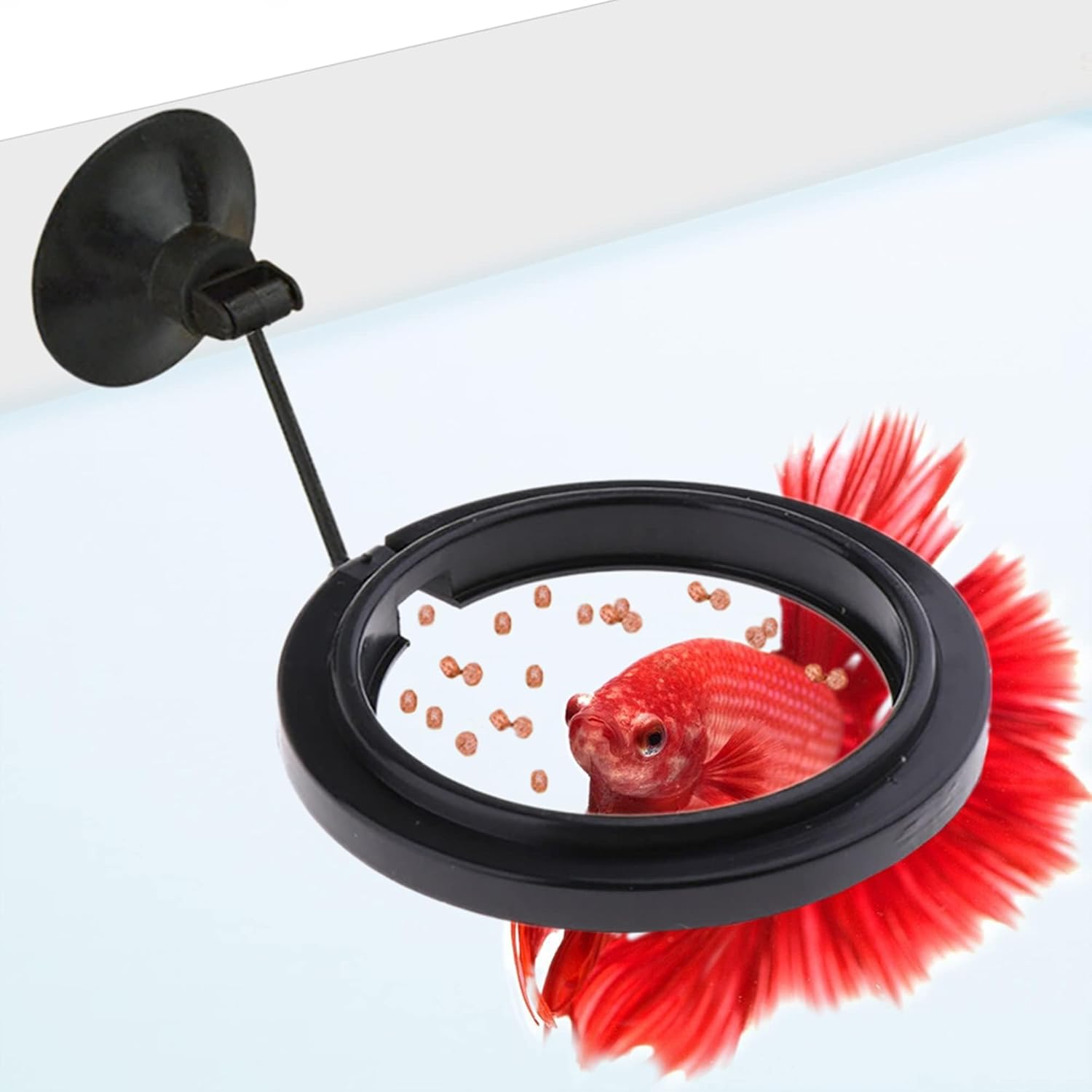
Getting portions right is crucial for betta fish care. Overfeeding can lead to bloating and poor water quality in your fish tank. Underfeeding can cause malnutrition and slow growth.
As a general rule, feed your betta fish an amount equal to the size of their eyeball. Two to three small portions per day is ideal. If you use frozen food, one small cube per feeding works well for most bettas.
For more details on feeding amounts, check out our guide on how much food to feed betta fish. It covers portion sizes in depth.
Feeding Schedule and Best Practices
Consistency matters when it comes to betta fish feeding schedule and overall health. Bettas do best with a regular routine. Feeding them at the same times each day helps regulate their digestion and appetite.
Daily Feeding Routine
Here is a simple routine you can follow:
- Morning feeding: Offer a small portion of homemade food or pellets around 8 to 9 AM.
- Evening feeding: Provide another small portion around 5 to 6 PM.
- Fasting day: Skip one feeding per week to help with digestion and prevent bloating.
This routine works well for most betta fish. If you notice your betta fish not eating, it could be a sign of stress or illness. Check your water parameters and tank conditions first.
Signs Your Betta Fish Is Eating Well
A healthy betta fish shows clear signs of good nutrition:
- Bright, vivid colors that show the fish is getting proper nutrients.
- Active swimming and alert behavior throughout the day.
- Healthy appetite that eagerly accepts food at feeding time.
- Solid waste that sinks to the bottom of the tank.
- Smooth fins without clamping or deterioration.
If your fish shows any of these signs, your homemade betta food plan is working well. Keep it up!
Common Mistakes to Avoid When Making Betta Fish Food
Even with the best intentions, mistakes can happen. Here are some common errors fish owners make when preparing homemade betta food and how to avoid them.
Using the Wrong Ingredients
Not all human foods are safe for betta fish. Avoid feeding your fish bread, crackers, or processed foods. These contain fillers and sodium that can harm your fish. Also, never feed raw meat directly, as it can introduce harmful bacteria into the tank.
Stick to the recipes and ingredients mentioned above. They are safe and nutritious for your betta fish.
Overfeeding Your Betta Fish
Overfeeding is the most common mistake new fish owners make. Excess food decomposes in the water, raising ammonia levels and polluting the tank. This can make your betta fish sick and weaken their immune system.
Feed small amounts and remove any uneaten food after five minutes. Clean water is just as important as good food for betta fish health.
Skipping Variety in the Diet
Feeding the same recipe every day can lead to nutritional gaps. Just like humans, betta fish benefit from a varied betta fish diet. Rotate between different recipes to provide a broad range of nutrients.
For more information on keeping your betta fish healthy through proper nutrition, visit our article on how to properly care for betta fish. It covers all aspects of daily care including diet and tank maintenance.
Where to Source Ingredients for Betta Fish Food
Finding the right ingredients is an important part of making quality homemade betta food. You do not need exotic supplies. Most ingredients are available at your local grocery store or online.
For live and frozen food options like bloodworms and brine shrimp, check out our guide on where to buy live food for betta fish. It lists trusted sources that deliver quality products right to your door.
Here are some reliable places to find ingredients:
- Local grocery stores: for shrimp, peas, spinach, and eggs
- Pet stores: for dried bloodworms, brine shrimp, and fish flakes
- Online retailers: for bulk frozen foods and specialty fish ingredients
- Fish clubs and forums: where hobbyists share tips and source recommendations
Buying in small quantities ensures freshness. Always check expiration dates on packaged products before using them in your betta fish recipes.
How Homemade Food Improves Betta Fish Health and Color
One of the most rewarding outcomes of making your own betta fish food is the visible improvement in your fish. Over time, you will notice brighter colors, stronger fins, and more energetic behavior.
Natural ingredients like shrimp and spirulina contain pigments called carotenoids. These pigments enhance red, blue, and green colors in betta fish. Commercial foods often lose these pigments during processing. Homemade food preserves them, giving your fish their best natural glow.
Proper nutrition also strengthens the immune system. A well-fed betta fish is better equipped to fight off diseases and recover from stress. This means fewer visits to the medicine cabinet and a happier, healthier fish in your tank.
Making food for betta fish at home is a rewarding practice that benefits both you and your fish. You save money, avoid harmful additives, and give your betta the best possible nutrition. Start with one simple recipe and build from there.
Remember, consistency and variety are the keys to success. Feed on a regular schedule, rotate recipes, and always watch your fish for signs of good health. Your betta fish will reward you with vibrant colors and lively behavior for years to come.
For more tips on keeping your betta fish in top condition, explore our full collection of guides on betta fish care and betta fish tank maintenance. Happy feeding!
Frequently Asked Questions
Can I feed my betta fish human food?
Yes, but only certain human foods are safe. Cooked shrimp, peas, and egg yolks are excellent options. Avoid bread, processed foods, and anything high in salt or sugar.
How often should I feed homemade food to my betta fish?
Feed homemade food two to three times per week alongside regular pellets. This provides variety without overloading your fish with too much of one food type.
Is homemade betta food better than store-bought pellets?
Homemade food can be more nutritious because it uses fresh ingredients with no fillers. However, high-quality pellets still serve as a good staple food for daily feeding.
Can I freeze homemade betta fish food?
Absolutely. Freezing in ice cube trays is the best way to store homemade food. It keeps the ingredients fresh and makes portioning easy for daily feeding.
What ingredients should I avoid in betta fish food?
Avoid raw meat, bread, processed snacks, and foods high in fillers or artificial preservatives. These can harm your fish and pollute the tank water.
How long can I store homemade betta fish food in the freezer?
Homemade betta food stays good in the freezer for two to three months. Always use clean containers and label them with the preparation date for best results.