How to Make Fishing Drag Noise Better
Fishing drag noise can ruin a peaceful day on the water and even stress out your betta fish. This guide shows you how to make fishing drag noise better through simple adjustments, proper maintenance, and smart equipment choices. You will learn quick fixes, expert tips, and common mistakes to avoid for a quieter, smoother drag system.
Fishing is supposed to be peaceful. The calm water, the gentle breeze, and the quiet splash of a lure hitting the surface. But then your reel drags start making awful grinding noises. That sound ruins everything. If you have ever asked yourself how to make fishing drag noise better, you are in the right place.
Whether you fish for fun or you keep betta fish at home and want a quieter environment around your tank, fixing drag noise matters. A smooth, silent drag system improves your fishing experience and keeps your surroundings calm. In this guide, we will walk you through every step to reduce reel noise and get that perfect, silky drag feel.
Key Takeaways
- Adjust Your Drag System: Proper drag knob tuning reduces noise and gives you smoother line pull.
- Use Quality Drag Washers: Upgrading washers eliminates grinding sounds and extends reel life.
- Keep Your Reel Clean: Regular maintenance removes grit that causes friction and unwanted sounds.
- Choose the Right Line: Braided and monofilament lines affect drag noise levels differently.
- Protect Your Betta Fish: Reducing fishing noise near tanks keeps your betta calm and healthy.
- Lubricate Moving Parts: Grease and oil on drag components ensure silent, smooth operation.
📑 Table of Contents
- Why Fishing Drag Noise Happens
- How to Adjust Your Drag System for Quieter Operation
- Upgrading Drag Washers for Silent Performance
- Maintenance Habits That Reduce Drag Noise
- Choosing the Right Fishing Line to Reduce Noise
- Protecting Your Betta Fish From Fishing Noise
- Expert Tips for a Perfectly Silent Drag
- Common Mistakes That Increase Drag Noise
- Conclusion
Why Fishing Drag Noise Happens
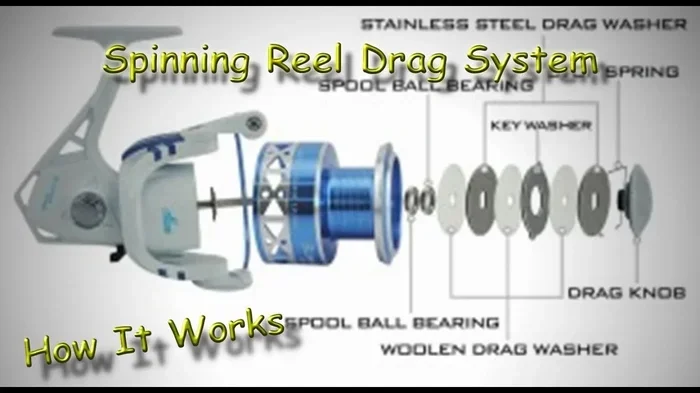
Drag noise usually comes from friction inside your reel. The drag system uses washers, springs, and knobs to control how much resistance the line feels when a fish pulls. When any of these parts wear out or get dirty, they start making sounds. Understanding the cause is the first step to fixing it.
Common Causes of Drag Noise
- Dirty drag washers: Dirt and old grease build up over time. This creates grinding and squeaking sounds.
- Worn out washers: Carbon fiber and felt washers wear down after heavy use. They lose their smooth surface.
- Over-tightened drag: Cranking the drag knob too hard puts extra pressure on the system. This causes clicking and popping noises.
- Dry moving parts: Lack of lubrication makes metal parts rub against each other loudly.
- Line issues: Old or tangled line creates extra friction against the spool.
Each of these problems has a simple fix. You do not need to be a mechanic to solve them. A little time and the right supplies go a long way.
How to Adjust Your Drag System for Quieter Operation
The drag knob controls how much resistance your reel provides. When set correctly, it should feel smooth and silent. If your drag makes noise when you turn it, the adjustment is likely off. Start by loosening the drag knob slightly. Turn it clockwise to increase resistance, but stop as soon as you feel the line pull smoothly.
Test the drag by pulling line off the spool slowly. It should come out evenly without any clicking or grinding. If you hear sounds, back off the tension a little. Many anglers over-tighten their drag, which not only creates noise but also risks snapping the line when a fish strikes.
Quick Drag Adjustment Tips
- Pull line with steady pressure, not sudden jerks.
- Listen for any squeaking or grinding as you adjust.
- Find the sweet spot where the line flows silently.
- Mark your ideal drag setting with a small piece of tape on the knob.
- Check the setting before every fishing trip.
Making these small changes can dramatically reduce drag noise. Your reel will feel brand new, and your fishing sessions will be much more enjoyable.
Upgrading Drag Washers for Silent Performance
Drag washers are the small discs inside your reel that create friction. Over time, they get worn, dirty, or compressed. Cheap washers especially tend to make a lot of noise. Upgrading to better washers is one of the most effective ways to make fishing drag noise better.
Carbon fiber washers are a popular choice. They are smooth, quiet, and handle high heat well. Felt washers work great for lighter fishing setups. If you fish for bigger species, consider ceramic or Teflon washers. They last longer and stay silent even under heavy pressure.
Washer Material Comparison
| Material | Noise Level | Durability | Best For |
|---|---|---|---|
| Felt | Low | Moderate | Light freshwater fishing |
| Carbon Fiber | Very Low | High | All-around fishing |
| Ceramic | Very Low | Very High | Heavy-duty and saltwater |
| Teflon | Minimal | High | Smooth, quiet operation |
Replacing washers is easy. Open your reel, remove the old washers, clean the area, and slide in the new ones. Apply a tiny drop of reel oil to keep them gliding silently. This simple upgrade can transform your entire fishing experience.
Maintenance Habits That Reduce Drag Noise
Regular maintenance keeps your reel running quietly for years. Dirt, salt, and grime are the enemies of a silent drag system. A quick cleaning routine after every trip makes a huge difference.
Step-by-Step Reel Cleaning
- Rinse the reel with fresh water after each use. This removes salt and sand.
- Disassemble gently. Remove the spool and drag knob if possible.
- Wipe down all parts with a clean cloth. Pay special attention to the drag washers.
- Apply reel oil to moving parts. A small drop on the drag washers helps them glide.
- Let it dry completely before reassembling. Moisture causes rust and noise.
- Store your reel in a cool, dry place when not in use.
Following this routine every time you finish fishing prevents buildup that causes noise. It also extends the life of your reel significantly. Think of it as basic care, similar to how you would maintain a betta fish tank to keep your fish healthy and happy.
How Often Should You Clean Your Reel?
After every saltwater trip, rinse it thoroughly. For freshwater fishing, a cleaning once a month is usually enough. If you fish frequently, give your reel a deep clean at least once per season. These simple habits keep drag noise at bay.
Choosing the Right Fishing Line to Reduce Noise
The type of fishing line you use affects drag noise more than most people realize. Different lines create different levels of friction against the spool and drag washers. Choosing the right line can make your reel run much more quietly.
Braided line is popular for its strength and sensitivity. However, braided line can create more noise against cheap spool coatings. Look for braided lines with a smooth braided sheath to minimize friction sounds.
Monofilament line tends to be quieter on the drag. It stretches slightly, which absorbs vibrations that would otherwise create noise. If silence is your goal, monofilament is a solid choice for most freshwater situations.
Fluorocarbon line offers a middle ground. It is nearly invisible underwater and relatively quiet on the drag. Many anglers who fish for wary species prefer fluorocarbon because it combines stealth with low noise.
Line Maintenance Tips
- Replace old line every few months to prevent rough spots.
- Spool your reel evenly to avoid line twists that increase drag noise.
- Check for frayed ends that can catch on the drag washers.
- Use a line conditioner to keep it smooth and supple.
Taking care of your line pays off in quieter drag performance. It also helps you catch fish better because smooth line flow means better casts and more sensitive bites.
Protecting Your Betta Fish From Fishing Noise
If you keep betta fish at home, noise near their tank matters more than you might think. Betta fish are sensitive to vibrations and loud sounds. A noisy fishing reel stored near a tank or the sound of drag noise during a fishing trip can stress your fish.
Betta fish thrive in calm, quiet environments. Their labyrinth organ makes them responsive to vibrations in the water. Constant noise can cause stress, which leads to faded colors, loss of appetite, and even illness. Keeping your fishing gear stored away from the tank helps protect your betta.
Simple Steps to Reduce Noise Around Your Betta Tank
- Store fishing reels in a closed tackle box, not on open shelves.
- Place your betta tank in a quiet room away from windows and doors.
- Avoid slamming tackle boxes or dropping fishing rods near the tank.
- Use a tank mat to absorb vibrations from the surface below.
- Keep the tank water clean and at the right temperature for a calm, healthy fish.
Just like you want a smooth drag system, you want a peaceful home for your betta. If you are setting up or improving your tank, check out our guide on how to make a betta fish aquarium for tips on creating the perfect calm environment.
Expert Tips for a Perfectly Silent Drag
Experienced anglers have refined their drag systems over years of fishing. Here are some pro tips that help achieve the quietest possible drag performance.
1. Use Drag Grease, Not Oil, on the Washers
Drag grease is thicker than reel oil. It stays in place on the washers and provides consistent, silent friction. Apply a thin layer to each washer before reassembling your reel. Avoid using too much, as excess grease can cause drag to feel sticky.
2. Tighten the Drag Knob Gradually
Do not crank the knob down all at once. Adjust in small increments. After each turn, test the drag by pulling line. This gradual approach helps you find the perfect tension without over-stressing the system.
3. Replace Old Drag Springs
The spring inside the drag system loses tension over time. A weak spring causes inconsistent drag pressure, which leads to noise. Replacing the spring is cheap and takes just a few minutes. Your reel will feel responsive and silent again.
4. Keep Spare Parts on Hand
Carry extra washers, springs, and knobs in your tackle box. If noise appears mid-trip, you can fix it on the spot. This is especially useful when fishing in remote spots where you cannot get replacements easily.
5. Break In New Reels Properly
New reels sometimes make noise during the first few uses. This is normal. Use the reel for several light fishing sessions before expecting silent performance. The parts will settle and smooth out over time.
Common Mistakes That Increase Drag Noise
Avoiding common mistakes saves you from unnecessary noise and reel damage. Here are the errors most anglers make when dealing with drag systems.
- Using WD-40 on drag parts: WD-40 is a solvent, not a lubricant. It strips away grease and dries out washers, making noise worse.
- Ignoring small sounds: A slight squeak today becomes a loud grind tomorrow. Address small noises immediately.
- Over-tightening the drag: This wears out washers faster and creates constant friction noise.
- Storing reels in damp areas: Moisture causes rust on metal parts, leading to grinding sounds.
- Using the wrong line for your reel: Thick lines on thin spools create uneven drag pressure and noise.
Steering clear of these mistakes keeps your drag system running quietly for years. It also means fewer trips to the repair shop and more time enjoying your time on the water.
Conclusion
Making fishing drag noise better is easier than most people think. With a few simple adjustments, the right upgrades, and consistent maintenance, you can transform a noisy, grinding reel into a smooth, silent machine. Start by checking your drag washer condition, adjusting your tension properly, and keeping all moving parts lubricated.
Remember that noise reduction also benefits your betta fish if you keep them at home. A quieter fishing setup means a calmer environment for your pets and a more enjoyable experience for you. Apply the tips in this guide, and you will notice the difference on your very next fishing trip.
The best fishing happens when everything feels right. A silent drag system lets you focus on the bite, the fight, and the thrill of landing a fish. Take care of your reel, and it will take care of you.
Frequently Asked Questions
What causes fishing drag noise?
Drag noise is usually caused by dirty or worn drag washers, over-tightened drag settings, dry moving parts, or old fishing line. Dirt and lack of lubrication create friction that produces grinding, squeaking, or clicking sounds inside the reel.
Can I use regular grease on my drag washers?
No, regular grease is not ideal for drag washers. Use specialized drag grease or reel oil designed for fishing equipment. Regular grease can be too thick or contain particles that increase friction and noise over time.
How often should I replace my drag washers?
Drag washers should be replaced every 6 to 12 months depending on how often you fish. Heavy use or saltwater fishing wears them out faster. If you notice grinding or inconsistent drag pressure, it is time for new washers.
Does line type affect drag noise?
Yes, the type of fishing line you use affects drag noise. Braided lines can create more friction on cheap spools, while monofilament and fluorocarbon lines tend to run quieter. Using a smooth, high-quality line reduces noise significantly.
How do I make my betta fish tank quieter?
Store fishing gear in closed tackle boxes away from the tank. Place the tank in a quiet room, use a tank mat to absorb vibrations, and keep the water clean and at the right temperature. A calm environment keeps your betta fish happy and healthy.
Is a noisy drag bad for my reel?
Yes, a noisy drag usually means the internal parts are under excessive stress. Over time, this wears down washers, damages the drag system, and can lead to costly repairs. Fixing noise early prevents long-term damage to your reel.