How to Make Fish Bone Broth Taste Better
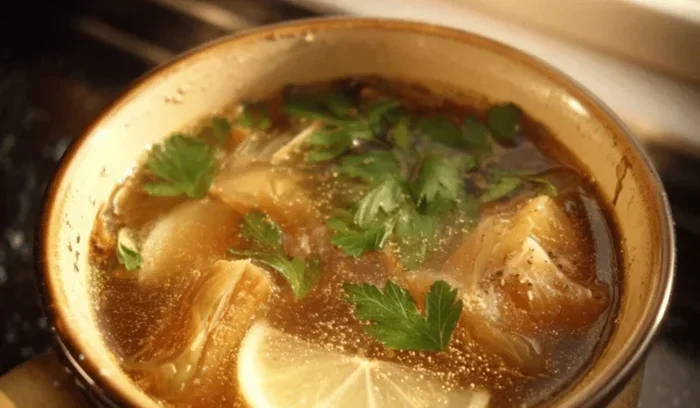
Making fish bone broth taste better is easier than you think. With the right prep, aromatics, and simmering technique, you can turn leftover fish bones into a rich, flavorful broth. This guide covers every step from cleaning bones to serving your perfect fish bone broth.
Fish bone broth is one of the most underrated liquids in the kitchen. If you have ever wondered how to make fish bone broth taste better, you are in the right place. This guide walks you through every simple step to get a rich, clean, and deeply flavorful broth from scratch.
Many people throw away fish bones after filleting a fish. That is a huge mistake. Those bones hold tons of flavor, collagen, and nutrients. With just a little effort, you can turn them into something truly special. Whether you want a light broth for soup or a rich base for sauces, this guide has you covered.
Key Takeaways
- Clean your bones first: Removing gills and bloodlines cuts any fishy taste dramatically.
- Roast before simmering: A quick roast adds deep, savory flavor to your broth.
- Add the right aromatics: Lemon, bay leaves, and ginger brighten up any fish broth.
- Simmer low and slow: A gentle 3 to 4 hour simmer extracts the best flavor without bitterness.
- Strain and season at the end: Proper straining and final seasoning make all the difference.
- Use fresh bones for best results: Fresh fish bones produce a cleaner, more pleasant taste than frozen ones.
- Try the milk soak trick: Soaking bones in milk removes strong odors before cooking.
📑 Table of Contents
What Is Fish Bone Broth?
Fish bone broth is a liquid made by simmering fish bones, joints, and connective tissues in water for several hours. The slow cooking process pulls out gelatin, minerals, and deep savory flavor. The result is a nutritious and tasty base you can use in many recipes.
Unlike regular stock, fish bone broth has a lighter body. It carries a delicate ocean flavor that works beautifully in Asian soups, French sauces, and comfort food dishes. The key to a great broth lies in how you handle the bones before and during cooking.
If you want to learn more about improving the overall taste of fish dishes, check out our guide on how to make fish taste better. The principles overlap a lot with broth making.
Why Bother Making It at Home?
Store-bought broth often contains additives, excess sodium, and artificial flavors. Homemade fish bone broth gives you full control over what goes in. You can adjust salt, add your favorite herbs, and skip any preservatives. Plus, it costs almost nothing if you save bones from meals you already cook.
How to Prepare Fish Bones for Broth
Proper preparation is the single most important step. Skip this, and your broth may taste too fishy or bitter. Take your time here, and everything else falls into place.
Choose the Right Bones
Start with fresh fish bones whenever possible. Heads, frames, spines, and tails all work well. White fish bones like cod, snapper, or tilapia make a clean, mild broth. Oily fish bones like salmon add a richer flavor profile. You can mix bones from different fish for a complex taste.
Avoid using bones from fish that have been sitting in the fridge for more than two days. Fresh bones give you a much better result. If you must freeze them, do so right after cleaning and use them within a month.
Clean the Bones Thoroughly
Rinse the bones under cold running water. Use your fingers to remove any leftover flesh, gills, or bloodlines. These parts are the main culprits behind a strong fishy smell. The cleaner the bones, the better your broth will taste.
For an extra step that works wonders, try soaking the bones in milk for one to two hours. This is a well-known trick that soaking fish in milk helps neutralize strong odors. The milk proteins bind to the compounds that cause fishiness. Just drain and rinse the bones after soaking.
Remove Bloodlines and Gills
Take a close look at each bone. You will often see dark red or dark brown lines running along the spine. These are bloodlines, and they add a bitter, metallic taste to your broth. Use a small knife or your fingernail to scrape them off completely.
The gills are another source of bitterness. If the head is still attached, remove the gills entirely. This one simple step can transform the taste of your broth from muddy to clean and bright.
Some cooks also bleed the fish before cooking to improve the final flavor. This practice removes residual blood that can cause off-tastes. It is especially helpful if you are working with whole fresh fish.
Best Ingredients to Boost Flavor
The bones alone will give you a decent broth, but the real magic happens when you add the right ingredients. Think of these as your flavor team. Each one plays a specific role in making the broth taste balanced and delicious.
Aromatics You Should Always Use
Start with a classic aromatic base. Thinly slice a few inches of fresh ginger. Add two to three slices of lemon, including the peel. Toss in a couple of scallion whites and a small piece of kombu seaweed if you can find it. These ingredients add brightness and depth without overpowering the fish flavor.
For a more Western-style broth, use a bay leaf, a few peppercorns, and a small bunch of fresh thyme. These herbs complement the fish without competing with it. Keep it simple. Too many aromatics will muddle the broth.
Seasoning at the Right Time
Do not add salt at the beginning. Salt drawn out early can make the broth taste flat. Instead, wait until the last 30 minutes of simmering to season. Taste frequently and add small pinches of salt until the flavor feels balanced.
A splash of white wine or dry sherry added in the first 10 minutes of simmering also works well. The alcohol cooks off and leaves behind a subtle richness. Just use a small amount, about a quarter cup.
For those who enjoy Asian-style broths, a dash of soy sauce or a spoonful of miso paste adds a wonderful umami layer. These ingredients pair beautifully with fish bones and create a deeply satisfying taste.
The Simmering Process
This is where the transformation happens. Low and slow is the golden rule. A gentle simmer extracts flavor and gelatin without making the broth cloudy or bitter.
Bring to a Gentle Boil First
Place your cleaned bones in a large pot and cover them with cold water. Bring the pot to a boil over medium-high heat. Once it reaches a rolling boil, reduce the heat immediately. You want small bubbles barely breaking the surface, not a vigorous boil.
A hard boil will emulsify the fats and create a cloudy, greasy broth. It can also release bitter compounds from the bones. A gentle simmer keeps everything clean and clear.
How Long to Simmer
Fish bone broth needs less time than beef or chicken bone broth. A simmer of three to four hours is ideal. Going longer than six hours can start to break down the flavors and create a slightly bitter taste.
Here is a simple timeline to follow:
- First 30 minutes: Skim off any foam or impurities that rise to the surface.
- Hours 1 to 3: Maintain a gentle simmer and let the bones release their flavor.
- Final 30 minutes: Add salt and any final seasonings. Taste and adjust.
- End of cook: Remove from heat and strain the broth through a fine mesh sieve.
If you are short on time, a pressure cooker can cut the process down to about one hour. The results are still good, though the flavor is slightly less nuanced than a long simmer on the stove.
Strain and Store Properly
When the broth is done, strain it through a fine-mesh strainer lined with cheesecloth. This removes every tiny bone fragment and gives you a crystal-clear liquid. Let the broth cool to room temperature before transferring it to containers.
You can store fish bone broth in the fridge for up to five days or freeze it for up to three months. Freeze it in ice cube trays for easy portioning. Pop out a few cubes whenever a recipe calls for a quick flavor boost.
Common Mistakes That Ruin the Taste
Even with great bones and the right technique, a few simple mistakes can wreck your broth. Here are the ones to watch out for.
Using Bones from Spoiled Fish
This is the biggest no-no. If the fish smelled even slightly off before you cooked it, the bones will carry that smell into the broth. Always start with fresh, high-quality fish. When in doubt, throw it out.
Overcrowding the Pot
Too many bones in too little water dilutes the flavor. Give each bone enough room and enough water to circulate. A good rule is to cover the bones by about two inches of water.
Adding Vinegar Too Early
Some recipes call for adding a splash of vinegar to help extract minerals from the bones. While this works for beef broth, it can make fish broth taste sharp and acidic. If you must use vinegar, add it only in the last 15 minutes and use a very small amount.
Skipping the Roasting Step
Roasting the bones at 400°F for 15 to 20 minutes before simmering adds a beautiful depth of flavor. It caramelizes the natural sugars in the bones and creates a richer, more complex taste. Do not skip this step if you want restaurant-quality broth at home.
For more tips on preparing fish for the best results, you can also explore how to make jar gefilte fish taste better. Many of the same principles apply to getting the cleanest, most flavorful fish dishes.
Creative Ways to Use Your Fish Bone Broth
Once you have made a batch of delicious broth, the fun really begins. There are countless ways to use it in your everyday cooking.
- Soups and stews: Use it as a base for fish chowder, miso soup, or bouillabaisse.
- Cooking grains: Substitute broth for water when cooking rice, quinoa, or couscous.
- Sauces and glazes: Reduce the broth on the stove for a flavorful pan sauce.
- Steaming liquid: Use it to steam vegetables or seafood for extra flavor.
- Sipping broth: Drink it warm with a pinch of salt and a squeeze of lemon as a healthy treat.
The versatility of homemade fish bone broth is one of its biggest advantages. A single batch can enhance many different meals throughout the week.
Final Thoughts
Making fish bone broth taste better comes down to three things: clean bones, smart ingredients, and patient simmering. Follow these steps and you will have a broth that is light, flavorful, and packed with nutrition. It is one of the easiest ways to get more value out of every fish you cook.
Start with fresh bones. Clean them well. Add aromatics that complement the fish. Simmer gently and never rush the process. Your taste buds will thank you. Once you make your first batch of homemade fish bone broth, you will never go back to store-bought again.
The beauty of this process is that it costs almost nothing and delivers incredible results. Save those bones next time you fillet a fish. Your future self will be grateful for the delicious broth waiting in your kitchen.
Frequently Asked Questions
Can I use frozen fish bones for broth?
Yes, you can use frozen fish bones, but fresh bones give the best flavor. If you must use frozen bones, thaw them completely before cooking and try to use them within a few weeks of freezing. Rinse them well under cold water before adding them to the pot.
How long can I store homemade fish bone broth?
You can store fish bone broth in the refrigerator for up to five days. For longer storage, freeze it in airtight containers or ice cube trays for up to three months. Always reheat the broth thoroughly before using it in any recipe.
Why does my fish bone broth taste fishy?
A strong fishy taste usually comes from bones that were not cleaned properly. Make sure to remove all gills, bloodlines, and leftover flesh before simmering. Soaking the bones in milk for an hour before cooking also helps neutralize strong odors and improve the taste.
Can I add vegetables to fish bone broth?
Yes, but keep it light. Root vegetables like carrots and onions can add a subtle sweetness. Avoid strong-flavored vegetables like broccoli or cabbage, which can overpower the delicate fish flavor. Add vegetables in the last hour of simmering for the best results.
Is fish bone broth healthy?
Fish bone broth is rich in collagen, calcium, magnesium, and other minerals. It supports joint health, skin elasticity, and gut health. Because it is made from fish bones, it also contains omega-3 fatty acids that are beneficial for heart and brain health.
Can I make fish bone broth in a slow cooker?
Absolutely. A slow cooker works well for fish bone broth. Add the cleaned bones, aromatics, and water, then cook on low for six to eight hours. The slow cooker method produces a very clean broth with minimal effort. Just be careful not to overcook it beyond eight hours, as the flavor can turn bitter.