How to Make Betta Fish Grow Tail Faster
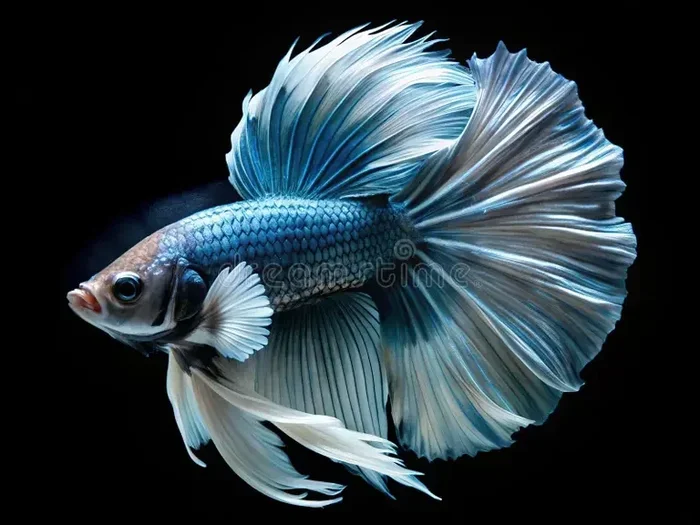
Want to know how to make betta fish grow tail faster? The secret lies in a combination of proper nutrition, clean water, the right tank environment, and consistent care. This guide covers actionable steps you can start using today to promote healthy and rapid tail growth in your betta fish.
Key Takeaways
- High-quality protein diet: Feeding your betta the right foods directly fuels tail growth and fin development.
- Clean water is essential: Maintaining pristine water conditions prevents stress and supports healthy fin regeneration.
- Tank setup matters: The right tank size, temperature, and environment encourage natural growth and vibrant tail extension.
- Stress reduction promotes growth: A calm, safe habitat allows your betta to focus energy on growing its tail.
- Patience and consistency: Tail growth takes time, and steady care routines yield the best long-term results.
📑 Table of Contents
- How to Make Betta Fish Grow Tail Faster
- Understanding Betta Fish Tail Growth
- Feeding Your Betta for Faster Tail Growth
- Water Quality and Its Role in Tail Growth
- Creating the Perfect Tank Environment
- Exercise and Activity for Tail Development
- Health Monitoring and Common Issues
- Common Mistakes to Avoid
- Expert Insights on Boosting Betta Tail Growth
- Conclusion
How to Make Betta Fish Grow Tail Faster
If you own a betta fish, you have probably stared at its beautiful tail and wondered how to make it even more impressive. How to make betta fish grow tail faster is a question many fish keepers ask, and the good news is that there are real, proven steps you can take. Whether your betta is a young fry or a full-grown adult, the right approach can make a noticeable difference.
Growing a betta fish tail faster is not about magic tricks. It comes down to diet, water quality, tank conditions, and overall care. When you get these basics right, your betta will reward you with longer, fuller, and more colorful fins. Let us dive into exactly what you need to do.
Many people underestimate how much impact daily habits have on betta fish tail growth. Small changes in feeding routines or water maintenance can speed up the process significantly. In this guide, we break everything down into simple, easy-to-follow steps that anyone can use.
Understanding Betta Fish Tail Growth
Before you start making changes, it helps to understand how betta fish tails actually grow. Unlike humans, bettas can regenerate damaged fins and tails. This natural ability is called fin regeneration, and it plays a big role in tail growth. But regeneration only works well when the fish is healthy and living in good conditions.
Several factors control how fast a betta tail grows. Age is one of them. Younger bettas tend to grow faster than older ones. Genetics also matter. Some betta breeds naturally grow longer tails than others. But the most important factor you can control is the care you provide.
When you learn how to make betta fish grow tail faster, you are really learning how to optimize every variable that affects growth. That means food, water, space, and stress levels all come into play. Think of it like building a strong foundation for a house. Without a solid base, nothing else works as well.
It is also worth noting that tail growth does not happen overnight. You need patience. Most visible changes show up over several weeks to a few months. Staying consistent with your care routine is the key to long-term success.
Feeding Your Betta for Faster Tail Growth
Diet is the single most powerful tool you have when you want how to make betta fish grow tail faster. The food your betta eats provides the building blocks for new fin tissue. Without proper nutrition, the tail simply cannot grow as fast or as full as it should.
The Best Foods for Tail Growth
Betta fish are carnivores by nature. They need protein-rich foods to thrive. Here are the best options to include in their diet:
- Brine shrimp: A natural protein source that bettas love and that promotes healthy fin growth.
- Bloodworms: Rich in nutrients and great for boosting tail development.
- High-quality betta pellets: Look for pellets with real fish meal as the first ingredient.
- Daphnia: A small crustacean that aids digestion and provides essential nutrients.
- Homemade betta fish food: You can prepare nutritious meals at home using simple ingredients.
Feeding a varied diet is important. Do not rely on just one type of food. Mix it up to give your betta a balanced intake of proteins, fats, and vitamins. If you want to take it a step further, check out how to make betta fish food at home for DIY recipes that work great.
Feeding Schedule and Portions
Overfeeding is one of the fastest ways to slow down tail growth. Uneaten food rots in the water and creates toxins that harm your fish. Feed your betta small amounts twice a day. Only give what it can eat in two to three minutes. This keeps the tank clean and ensures your betta gets the right nutrients without waste.
Some owners also like to fast their bettas one day a week. Fasting helps clear the digestive system and can actually boost appetite and nutrient absorption when feeding resumes. Just make sure the fasting day does not turn into a pattern of skipping too many meals.
Water Quality and Its Role in Tail Growth
Clean water is the backbone of healthy betta fish. If the water in your tank is dirty or unstable, your betta will struggle to grow its tail. How to make betta fish grow tail faster starts with understanding how water quality affects every part of your fish’s body, including fin development.
Ideal Water Parameters
Betta fish need specific water conditions to thrive. Here is what you should aim for:
- Temperature: Keep the water between 78 and 80 degrees Fahrenheit. Use a heater to maintain a stable temperature. Cold water slows down metabolism and growth.
- pH level: Aim for a pH between 6.5 and 7.5. Stable pH prevents stress and supports healthy tissue growth.
- Ammonia and nitrite: Both should be at zero. Even small amounts can damage fins and slow tail growth.
- Nitrate: Keep nitrates below 20 parts per million. Regular water changes help control nitrate levels.
Using a water conditioner for betta fish is a smart habit. Tap water contains chlorine and chloramine that can harm your fish. Treating the water before adding it to the tank protects your betta and supports steady tail growth.
Water Changes and Maintenance
You should perform partial water changes at least once a week. Replace about 25 to 30 percent of the tank water with fresh, treated water. This removes toxins and keeps the environment clean. If you notice your betta’s tail looking dull or damaged, check your water parameters first. Poor water quality is often the hidden cause.
Also, make sure your filter is gentle. Bettas are weak swimmers and do not like strong currents. A sponge filter works well because it provides mechanical and biological filtration without creating too much flow. If you need help choosing the right setup, look into how to set up a fish tank for betta fish for detailed guidance.
Creating the Perfect Tank Environment
The tank your betta lives in directly affects how fast its tail grows. A stressed betta in a cramped or uncomfortable environment will not grow well. On the other hand, a well-designed tank gives your fish the space and comfort it needs to focus energy on tail development.
Tank Size and Layout
Many people keep bettas in tiny bowls, but this limits growth. A tank of at least 5 gallons is recommended. Larger tanks provide more stable water conditions and more swimming space. Here is a quick comparison:
| Tank Size | Pros | Cons |
|---|---|---|
| 2.5 gallons | Easy to manage, good for beginners | Limited space, less stable water parameters |
| 5 gallons | Stable environment, room to swim | Requires basic equipment like a filter and heater |
| 10 gallons or more | Best for growth, very stable water | Needs more space and equipment |
If you are working with a smaller setup, you can still make it work. Just be extra diligent about water changes. Adding live plants to the tank also helps. Plants absorb nitrates, produce oxygen, and create a natural feel that reduces stress. You can learn more about setting up a planted environment in how to setup a betta fish bowl with a plant.
Reducing Stress for Better Growth
Stress is the enemy of tail growth. A stressed betta diverts energy away from fin development and toward survival. Here is how to keep stress levels low:
- Avoid placing the tank near loud noises or high-traffic areas.
- Do not keep aggressive tank mates with your betta.
- Provide hiding spots using plants or decorations.
- Keep the lighting moderate. Bettas prefer soft, natural light.
- Avoid tapping on the glass or sudden movements near the tank.
A calm betta is a growing betta. When your fish feels safe, it spends more energy on things like growing a beautiful, flowing tail. If you want to strengthen your bond and keep your fish happy, check out how to grow a bond with your betta fish for helpful bonding tips.
Exercise and Activity for Tail Development
You might be surprised to learn that exercise plays a role in how to make betta fish grow tail faster. Active bettas develop stronger fins and tails because movement stimulates blood flow to the fin tissues. Better blood flow means better nutrient delivery, which directly supports growth.
You can encourage your betta to be more active in simple ways. Place a mirror near the tank for a few minutes each day. The reflection triggers your betta’s natural flaring behavior, which exercises the fins and tail. Just do not leave the mirror in too long. Five to ten minutes is enough. Too much flaring can actually stress the fish out.
Another great option is to add gentle current to the tank using a small air stone or a sponge filter. Some bettas enjoy swimming against a mild current, which gives them a low-impact workout. You can also try placing food in different spots around the tank to encourage your betta to swim and explore more.
For more ideas on keeping your betta active and healthy, you might want to read how to make your betta fish stronger. That article covers exercise and enrichment techniques that complement tail growth efforts.
Health Monitoring and Common Issues
Even with the best care, betta fish can face health issues that slow or stop tail growth. Knowing what to look for helps you catch problems early and get your fish back on track.
Fin Rot and Tail Damage
Fin rot is one of the most common issues that affects betta tails. It causes the fins to look ragged, discolored, or to melt away. Poor water quality is usually the main cause. If you notice signs of fin rot, here is what you should do:
- Test the water parameters immediately.
- Perform a 50 percent water change with treated water.
- Add aquarium salt to help fight infection.
- Keep the water temperature slightly elevated (around 80 degrees) to boost the immune system.
- If the condition does not improve, consider using medication like tetracycline for betta fish.
You can learn more about treating fin damage in our guide on how to treat betta fish fin loss. Quick action makes a big difference in recovery time.
When to Be Patient
Sometimes a betta’s tail growth just slows down, and that is normal. Older bettas naturally grow more slowly than younger ones. If your fish is healthy and eating well, give it time. Growth is not always linear. There will be periods of fast progress and periods of slow or no visible change. Trust the process and keep up with your care routine.
Common Mistakes to Avoid
When trying to make betta fish grow tail faster, certain mistakes can hold you back. Here are the most common ones and how to avoid them:
- Overfeeding: Too much food pollutes the water and causes health problems. Stick to small, measured portions.
- Ignoring water changes: Even with a filter, regular water changes are non-negotiable for healthy growth.
- Keeping the tank too cold: Cold water slows metabolism and stops tail growth in its tracks.
- Using the wrong tank mates: Aggressive fish can nip at betta tails, causing damage and stress.
- Skipping water conditioner: Untreated tap water contains chemicals that harm your betta and slow growth.
- Not providing enough space: A tiny bowl limits movement and raises stress, both of which hurt tail development.
Avoiding these mistakes puts you ahead of most betta owners. Consistency in care is what separates a thriving betta from a struggling one.
Expert Insights on Boosting Betta Tail Growth
Experienced betta keepers and aquarists agree on a few key principles that go beyond the basics. First, they emphasize the importance of live foods. Live brine shrimp and bloodworms trigger natural feeding instincts and provide nutrients that processed foods sometimes lack. If you want to try growing your own food, check out how to make betta fish food at home for simple methods.
Second, experts recommend monitoring your betta’s color as an indicator of overall health. A vibrant, colorful betta is usually a healthy betta. If the colors fade, it may be a sign of stress or poor water quality. For tips on enhancing your betta’s natural colors, read how to make betta fish colorful.
Finally, many experienced keepers suggest adding enrichment to the tank. Floating decorations, gentle current, and occasional mirrors all keep your betta mentally stimulated. A mentally healthy fish grows better physically. It is all connected.
Remember that every betta is different. What works quickly for one fish might take longer with another. The key is to stay consistent, observe your fish closely, and adjust your care as needed. For more information on helping your betta recover from health issues, visit how to make your betta fish healthy again.
Conclusion
Learning how to make betta fish grow tail faster is a rewarding journey that combines simple care habits with a genuine love for your fish. By focusing on the right diet, clean water, a proper tank setup, and a low-stress environment, you give your betta the best possible chance to develop a long, beautiful tail. Every step you take, from feeding high-quality protein to performing regular water changes, adds up over time.
Be patient and stay consistent. Tail growth is not instant, but with dedication, you will see results. Your betta fish will thank you with vibrant, flowing fins that make your aquarium truly stunning. Start applying these tips today and enjoy watching your betta thrive.
Frequently Asked Questions
How long does it take for a betta fish tail to grow back?
Tail regrowth depends on the severity of the damage and the care conditions. Minor nips can heal in two to four weeks, while larger tail injuries may take two to three months. Keeping water clean and feeding a protein-rich diet speeds up the healing process significantly.
Can I use aquarium salt to help my betta’s tail grow faster?
Aquarium salt can help prevent infections and support fin healing, but it should be used in moderation. A mild salt bath or a small amount in the tank can create a better environment for tail growth. Always research the correct dosage for bettas before adding salt.
Does water temperature really affect betta tail growth?
Yes, water temperature plays a big role. Bettas are tropical fish and need warm water between 78 and 80 degrees Fahrenheit. Cold water slows down their metabolism, which directly impacts growth rates, including tail development.
What is the best food for making betta tails grow longer?
Protein-rich foods like brine shrimp, bloodworms, and high-quality betta pellets are the best choices. These foods provide the amino acids and nutrients needed for fin tissue regeneration and sustained tail growth. A varied diet always works better than relying on just one food type.
Should I use a filter in my betta fish tank for tail growth?
Yes, a filter is important for maintaining clean water, which is essential for tail growth. However, choose a gentle filter like a sponge filter. Strong filter currents can stress bettas and actually slow down their growth and fin development.
Can stress stop a betta’s tail from growing?
Absolutely. Stress diverts energy away from growth and toward survival. A stressed betta may stop growing its tail altogether. Reducing stressors like aggressive tank mates, loud noises, and poor water quality is crucial for promoting healthy tail growth.