How to Care for Your Betta Fish Tips
Learning how to care for your betta fish tips is the fastest way to give your colorful companion a long, healthy life. Betta fish are beautiful and hardy, but they still need proper tank conditions, a balanced diet, and regular maintenance to thrive. This guide covers everything from tank setup and water quality to feeding schedules and common health issues, so you can confidently keep your betta happy and vibrant for years to come.
Betta fish are some of the most stunning creatures you can keep at home. Their flowing fins and bright colors make them a favorite among fish keepers of all levels. But here is the truth many beginners overlook: how to care for your betta fish tips go way beyond just dropping them in a bowl with some water.
A betta fish might look tough, but they are living creatures with specific needs. When you meet those needs, you unlock a pet that is active, colorful, and full of personality. Whether you just brought home your first betta or you have had one for years, this guide gives you practical, easy-to-follow steps that really work.
We will walk through every important topic, from choosing the right tank to spotting early signs of illness. You will find quick tips, common mistakes to avoid, and honest advice that you can put to use today. Let us dive in and make sure your betta has the best life possible.
Key Takeaways
- Proper Tank Setup: A minimum 5-gallon tank with a heater and gentle filter creates the ideal habitat for your betta.
- Water Quality Matters: Keep temperature between 76-82°F and perform regular water changes to prevent illness.
- Feed Smart: Offer small portions 1-2 times daily with a varied diet of pellets, frozen foods, and occasional treats.
- Watch for Warning Signs: Recognizing early symptoms of common betta diseases helps you act fast and save your fish.
- Enrichment Counts: Plants, caves, and gentle interaction keep your betta mentally stimulated and stress-free.
- Consistency Is Key: Stick to a routine for feeding, cleaning, and monitoring to maintain a stable environment.
📑 Table of Contents
Understanding Your Betta Fish Needs
Before you set up a tank or buy food, it helps to understand what betta fish actually need to stay healthy. These fish come from warm, slow-moving waters in Southeast Asia. That natural background shapes everything about how they live in captivity.
Betta fish care starts with knowing their basic requirements. They need warm water, clean conditions, and enough space to swim. Many people think bettas can live in tiny cups, but that is a myth that shortens their lifespan. A well-setup tank makes all the difference.
Betta Fish Behavior and Personality
Betta fish are curious and interactive. They explore their surroundings, watch movement outside the tank, and even recognize their owners over time. A happy betta will swim actively, flare its fins now and then, and respond to feeding time with excitement.
On the other hand, a stressed or sick betta may hide, stop eating, or sit at the bottom of the tank. Knowing your betta fish behavior is one of the most valuable skills you can develop. It helps you catch problems early before they become serious.
How Long Do Betta Fish Live?
With proper care, a betta fish can live between 3 and 5 years. Some dedicated owners report their bettas reaching 7 years or more. The key factors that influence betta fish lifespan include water quality, diet, tank size, and stress levels.
Here is a quick look at what affects how long your betta lives:
- Tank Size: Larger tanks provide more stable water conditions.
- Water Quality: Clean, dechlorinated water reduces disease risk.
- Diet: A varied, balanced diet supports overall health.
- Stress: A calm environment with hiding spots keeps your fish relaxed.
Setting Up the Perfect Betta Tank
The foundation of great betta fish care is the tank itself. A proper setup gives your fish room to thrive, not just survive. Many beginners make the mistake of starting too small, which creates problems down the road.
Tank Size and Shape
Go for at least a 5-gallon tank. This gives your betta enough space to swim and explore. A longer tank works better than a tall, narrow one because bettas like to swim horizontally. How to set up a fish tank for betta fish properly means thinking about swimming space, not just fitting the fish in a tiny container.
Here are the basic setup requirements:
- Tank: Minimum 5 gallons, ideally 10 gallons for more stability.
- Heater: A small aquarium heater set to 76-82°F is essential.
- Filter: Use a gentle sponge filter to avoid strong currents.
- Thermometer: Monitor water temperature daily.
- Lighting: Standard LED aquarium lights work well.
Tank Decorations and Plants
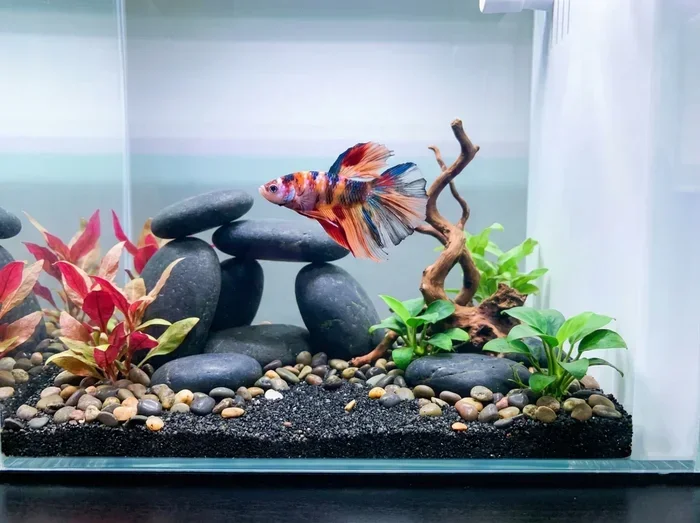
Betta fish love places to hide and explore. Live or silk plants, caves, and driftwood create a natural feel and reduce stress. Avoid sharp plastic decorations that can tear their delicate fins.
How to decorate your betta fish tank is simpler than you might think. Add a few plants on the sides and back, leave open swimming space in the front, and include at least one hiding spot. This balance of open space and cover keeps your betta comfortable and active.
Cycling Your Tank
Cycling your tank means building beneficial bacteria that break down harmful toxins. This process is crucial before you add your betta. How to cycle a fish tank for betta involves adding a source of ammonia and letting beneficial bacteria grow over 2-4 weeks.
Skipping this step is one of the most common mistakes new fish keepers make. An uncycled tank can cause ammonia spikes that harm or even kill your fish. Be patient and test your water regularly during the cycling process.
Water Quality and Maintenance
Clean water is the single most important factor in how to care for your betta fish tips. Poor water quality leads to stress, illness, and a shortened lifespan. Keeping on top of water maintenance is not complicated, but it does require consistency.
Water Parameters for Betta Fish
Betta fish thrive in specific water conditions. Here is what you should aim for:
| Parameter | Ideal Range |
|---|---|
| Temperature | 76-82°F (24-28°C) |
| pH Level | 6.5-7.5 |
| Ammonia | 0 ppm |
| Nitrite | 0 ppm |
| Nitrate | Under 20 ppm |
| Water Hardness | 3-4 dGH |
How Often to Change Water
Regular water changes remove built-up toxins and keep your tank fresh. For a 5-gallon tank, do a 25-30% water change every week. For larger tanks, you can stretch this to every 1-2 weeks.
Always use water that has been treated with a conditioner. How to condition tap water for betta fish is simple: add a water conditioner that removes chlorine and chloramine before adding water to the tank. Never use untreated tap water directly.
How to Do a Water Change for Betta Fish
How to do a water change for betta fish properly involves a few straightforward steps:
- Siphon out 25-30% of the tank water using a gravel vacuum.
- Remove debris and waste from the substrate while you siphon.
- Prepare fresh water that matches the tank temperature.
- Add water conditioner to the new water and let it sit for a few minutes.
- Slowly add the new water to the tank.
- Check the temperature and parameters after the change.
This routine keeps your betta in a clean, stable environment. It is one of the simplest yet most impactful things you can do for your fish.
Feeding Your Betta Fish the Right Way
Feeding seems simple, but it is one of the areas where most betta mistakes happen. Overfeeding is extremely common and can cause serious health problems. Understanding what and how much to feed makes a huge difference.
Best Foods for Betta Fish
A healthy betta diet includes variety. High-quality betta pellets should be the staple. Supplement with frozen or live foods like brine shrimp, bloodworms, and daphnia for added nutrition.
Here is a simple weekly feeding plan:
- Monday, Wednesday, Friday: High-quality betta pellets.
- Tuesday, Thursday: Frozen brine shrimp or bloodworms.
- Saturday: A mix of pellets and frozen food.
- Sunday: A light feeding or a fasting day.
Fasting one day a week helps your betta’s digestive system stay healthy. It prevents constipation and bloating, which are common issues in bettas that eat too much.
How Much and How Often to Feed
Feed your betta 2-3 pellets or a small pinch of food twice a day. The portion should be small enough to eat within 2 minutes. If there is leftover food in the tank, you are giving too much.
Remove any uneaten food after feeding to keep the water clean. Excess food decays quickly and raises ammonia levels, which can make your betta sick.
Keeping Your Betta Fish Healthy
Prevention is always better than cure when it comes to betta fish health. A clean tank, proper diet, and low-stress environment go a long way. But knowing the signs of common problems helps you act fast when something goes wrong.
Common Betta Fish Illnesses
Betta fish can suffer from a few common health issues. The most frequent ones include:
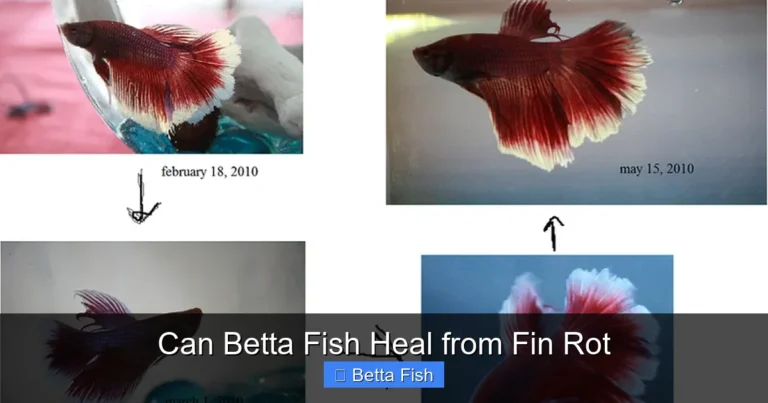
- Fin Rot: Frayed or discolored fins caused by bacterial infection. Often linked to poor water quality.
- Swim Bladder Disease: Difficulty swimming or floating upside down, usually caused by overfeeding or constipation.
- Ich (White Spot Disease): Small white spots on the body and fins, caused by a parasite.
- Fungal Infections: White cotton-like growths on the body or fins.
How to Care for Sick Betta Fish
If you notice any signs of illness, the first step is to check your water parameters. Many health problems start with poor water quality. How to care for sick betta fish involves isolating the fish in a quarantine tank, testing the water, and treating the specific condition.
For minor issues, a salt bath can work wonders. How to do a salt bath for betta fish involves adding aquarium salt to a separate container and letting the fish soak for 10-15 minutes. Always research the specific illness before choosing a treatment.
How to Make Your Betta Fish Stronger
A strong betta is a resilient betta. You can build your fish’s health through proper nutrition, clean water, and mental stimulation. How to make your betta fish stronger comes down to consistent care and attention to detail.
Avoid sudden temperature changes, keep the tank in a quiet location, and handle your betta gently. These small efforts add up to a healthier, happier fish.
Enrichment and Bonding with Your Betta
Betta fish are smarter than most people realize. They benefit from mental stimulation and can even form bonds with their owners. Adding enrichment to their environment keeps them active and engaged.
Can You Play Games with Your Betta Fish?
Yes, you can! Many bettas learn to follow your finger, swim through hoops, or even recognize feeding times. How to play games with your betta fish is a fun way to interact and provide enrichment. Try floating a small ball or training your betta to follow a target stick.
How to Grow a Bond with Your Betta Fish
How to grow a bond with your betta fish takes patience and consistency. Feed your betta at the same times each day so it learns your routine. Sit near the tank and talk softly. Over time, your betta will become more curious and responsive toward you.
Some bettas even flare their fins when they see their owner, which is a sign of recognition and excitement. It is a small thing, but it shows how capable these fish are of forming connections.
Common Mistakes to Avoid
Even well-meaning betta owners can make mistakes that affect their fish’s health. Here are the most common ones to watch out for:
- Keeping your betta in too small a tank. Bowls and cups restrict movement and make water quality hard to maintain.
- Skipping water changes. Even with a filter, toxins build up over time and need to be diluted with fresh water.
- Overfeeding. This causes bloating, constipation, and dirty water. Less is more when it comes to betta feeding.
- Using untreated tap water. Chlorine and chloramine in tap water harm your fish. Always condition water before adding it.
- Ignoring temperature. Cold water slows down your betta’s metabolism and weakens its immune system.
- Housing two male bettas together. Male bettas are aggressive toward each other and should never share a tank.
Avoiding these mistakes puts you ahead of most beginner fish keepers. A little knowledge goes a long way toward keeping your betta healthy and happy.
Final Thoughts on How to Care for Your Betta Fish Tips
How to care for your betta fish tips all come down to one simple idea: create a stable, clean, and enriching environment. When you get the tank setup right, keep up with water changes, feed a balanced diet, and watch for early signs of trouble, your betta will thrive.
Remember that every betta is an individual. Some are bold and playful, while others are shy and quiet. Observing your fish and adjusting your care routine accordingly is what separates a good fish keeper from a great one.
Start with the basics, stay consistent, and enjoy the process. The reward of watching a healthy, vibrant betta swim gracefully through a well-maintained tank is something truly special. Your betta depends on you for everything, and the effort you put in comes back tenfold in color, energy, and personality.
Take what you have learned from this guide and apply it today. Your betta fish will thank you with years of beauty and companionship.
Frequently Asked Questions
What is the minimum tank size for a betta fish?
The minimum tank size for a betta fish is 5 gallons. While bettas can survive in smaller containers, a 5-gallon tank provides enough space for swimming and helps maintain stable water quality. Larger tanks are even better because they dilute toxins more effectively and give your fish room to explore.
How often should I change my betta fish tank water?
For a 5-gallon tank, perform a 25-30% water change every week. For tanks larger than 10 gallons, you can stretch this to every 1-2 weeks. Always treat new water with a conditioner before adding it to the tank to remove harmful chemicals.
Can betta fish live in a bowl without a filter?
Betta fish can technically live in a bowl without a filter, but it is not ideal. Bowls are small, which means water quality drops quickly. Without a filter, you will need to do water changes much more frequently. A filtered 5-gallon tank is a far better setup for long-term betta health.
What temperature should my betta fish tank be?
The ideal temperature for a betta fish tank is between 76°F and 82°F. Use an aquarium heater and a thermometer to maintain a steady temperature. Cold water weakens your betta’s immune system and can lead to illness over time.
How do I know if my betta fish is happy?
A happy betta fish will be active, have bright colors, and swim around the tank with curiosity. If your betta flares its fins when it sees you or follows your finger, that is a great sign. How to know if your betta fish is happy comes down to observing its energy levels, appetite, and overall appearance on a regular basis.
What should I feed my betta fish?
A high-quality betta pellet should be the staple of your fish’s diet. Supplement with frozen or live foods like brine shrimp and bloodworms for variety. Feed small portions twice a day and include one fasting day per week to support healthy digestion.