How to Care for Fin Rot Betta Fish
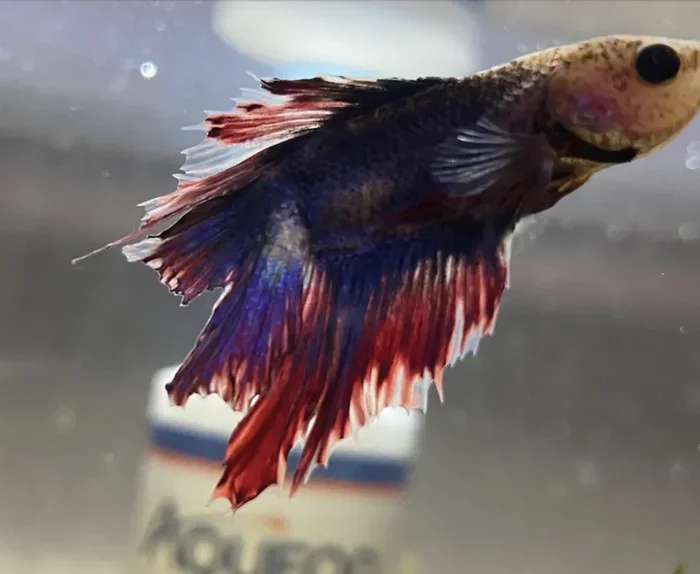
Fin rot is a common but treatable condition in betta fish caused by bacterial or fungal infections. With the right care, clean water, and proper treatment, your betta can fully recover. This guide walks you through identifying fin rot, treating it effectively, and preventing it from coming back.
Watching your betta fish develop torn, discolored fins can be worrying. Fin rot betta fish is one of the most common health problems aquarium owners face. The good news? It is highly treatable when you catch it early and act quickly.
In this guide, you will learn everything you need to know about betta fish fin rot treatment. We will cover the symptoms to watch for, what causes it, how to treat it at home, and how to stop it from coming back. Whether your betta is in the early stages or dealing with a severe case, this betta fish care guide has you covered.
Let us dive in and get your colorful friend on the road to recovery.
Key Takeaways
- Early Detection Matters: Catching fin rot symptoms early makes treatment much easier and faster.
- Water Quality Is Key: Poor water conditions are the leading cause of fin rot in betta fish.
- Multiple Treatment Options: You can use aquarium salt, antibiotics, or natural remedies depending on severity.
- Prevention Works: Regular tank maintenance and proper feeding keep fin rot away.
- Quarantine New Fish: Isolating new additions prevents the spread of bacterial infections.
- Patience Is Essential: Fin rot recovery takes time, typically 1 to 4 weeks with consistent care.
📑 Table of Contents
- What Is Fin Rot in Betta Fish?
- Recognizing Fin Rot Symptoms Early
- What Causes Fin Rot in Betta Fish?
- How to Treat Fin Rot in Betta Fish
- Preventing Fin Rot From Coming Back
- When to See a Vet
- Comparison: Mild vs. Severe Fin Rot Treatment
- Quick Tips for Faster Healing
- Common Mistakes to Avoid
- Final Thoughts
What Is Fin Rot in Betta Fish?
Fin rot is a bacterial or fungal infection that eats away at your betta’s fins and tail. It starts small but can spread quickly if you do not address the root cause. Think of it like a wound that won’t heal because the environment around it is not clean.
Betta fish are especially prone to fin rot because their long, flowing fins are delicate. Any tear or damage creates an opening for bacteria to invade. When water conditions are poor, your betta’s immune system weakens, making it an easy target for bacterial infection fish problems.
The two main types of fin rot are:
- Bacterial fin rot: Caused by bacteria like Aeromonas or Pseudomonas. Fins appear ragged, white, or red.
- Fungal fin rot: Caused by fungi, often appearing as white, fluffy growths on the fins.
Knowing which type your betta has helps you choose the right treatment. Most cases are bacterial, but fungal infections can happen too.
Recognizing Fin Rot Symptoms Early
The earlier you spot fin rot symptoms, the better your betta’s chances of a full recovery. Here is what to look for:
Stage 1: Early Signs
- Fin edges turning white, brown, or black
- Fins looking slightly ragged or frayed
- Your betta seems less active than usual
- Fins may appear slightly clamped close to the body
Stage 2: Moderate Signs
- Fins are visibly receding or shortening
- Redness or inflammation at the fin base
- Small pieces of fin falling off
- Your betta stops eating or eats less
Stage 3: Severe Signs
- Fins are almost completely eaten away
- Body starts showing red sores or patches
- Your betta stays at the bottom of the tank
- Fins may have a fuzzy or cotton-like appearance
If you notice any of these signs, do not wait. The faster you start treatment, the better the outcome. For more details on identifying and treating this condition, check out our article on how to fix fin rot on betta fish.
What Causes Fin Rot in Betta Fish?
Understanding the root cause is essential. Fin rot does not just appear out of nowhere. Something in the environment or care routine triggers it.
Poor Water Quality
This is the number one cause. When ammonia, nitrite, or nitrate levels spike, your betta’s immune system takes a hit. Dirty water also harbors the bacteria that cause fin rot. Regular fish tank maintenance and water changes keep these levels in check.
Overcrowded Tank
Too many fish in a small space creates stress and spreads bacteria fast. Bettas need at least 5 gallons of space to thrive. Overcrowding also leads to more waste, which degrades water quality fast.
Physical Injury
Sharp decorations, rough filter outflows, or fin nipping from tank mates can damage fins. Once the skin is broken, bacteria move in. Always check your tank decorations for anything that could tear delicate fins.
Stress and Poor Diet
Stressed fish get sick. Cold water, sudden temperature changes, and lack of proper nutrition all weaken your betta’s defenses. A betta fish health routine that includes quality food and stable water parameters goes a long way.
New Fish or Plants
Adding new fish or plants without quarantining them can introduce bacteria into your tank. Always isolate new arrivals for at least two weeks before adding them to your main tank.
How to Treat Fin Rot in Betta Fish
Treating fin rot depends on how far it has progressed. Mild cases can often be handled at home, while severe cases may need stronger medication. Here is a step-by-step approach to betta fish fin rot treatment.
Step 1: Improve Water Conditions
Before you do anything else, test your water. You want ammonia and nitrite at zero, and nitrates below 20 ppm. Do a 25 to 50 percent water change immediately. Use a water conditioner for betta fish to remove chlorine and chloramine from tap water.
Here is a quick checklist for water prep:
- Test ammonia, nitrite, and nitrate levels
- Perform a partial water change
- Use a dechlorinator or water conditioner
- Ensure the temperature stays between 78 and 80 degrees Fahrenheit
- Check your filter is working properly
Step 2: Add Aquarium Salt
aquarium salt is a gentle, effective treatment for mild fin rot. It helps your betta’s fins heal by drawing out excess fluid and creating a less hospitable environment for bacteria.
Use aquarium salt specifically made for fish tanks. Never use table salt, as it contains additives that harm fish. For detailed instructions on how to safely use salt, read our guide on how to do a salt bath for betta fish.
Typical dosing is 1 tablespoon of aquarium salt per 5 gallons of water. Leave it in the tank for 5 to 7 days, then do a water change to remove the salt.
Step 3: Use Medication if Needed
If the salt treatment does not work within 5 to 7 days, or if the fin rot is severe, you may need medication. Antibiotics like tetracycline or erythromycin are effective against bacterial fin rot.
For more information on using antibiotics safely, check out our article on how to use tetracycline for betta fish. Always follow the dosage instructions carefully and remove carbon from your filter before adding medication.
Step 4: Support Your Betta’s Recovery
While treating fin rot, give your betta the best chance to heal. Here is what helps:
- Feed high-quality food like bloodworms or brine shrimp
- Keep the tank stress-free with low light
- Maintain stable water temperature
- Avoid handling or disturbing your betta
- Do not add new fish or plants during treatment
Most bettas start showing improvement within 3 to 5 days. Full fin regrowth can take 2 to 4 weeks depending on the severity. For severe cases, you may want to consult our article on how to care for sick betta fish for additional guidance.
Preventing Fin Rot From Coming Back
Treatment is only half the battle. The real goal is keeping fin rot from returning. Prevention is much easier than cure, and it all comes down to good habits.
Maintain Consistent Water Changes
Do partial water changes of 20 to 30 percent every week. This keeps waste and toxin levels low. If you are unsure how often to change water, our guide on how often to change water for betta fish has everything you need.
Keep Your Tank Cycled
A fully cycled tank has beneficial bacteria that break down harmful waste. Cycling your tank before adding fish prevents ammonia spikes. Learn how to cycle your tank properly in our article on how to cycle a fish tank for betta.
Feed Properly
Overfeeding creates excess waste in the tank. Feed your betta 2 to 3 pellets twice a day, and skip one feeding day per week. This keeps their digestive system healthy and the water cleaner.
Choose Tank Mates Carefully
Bettas are territorial. Avoid keeping them with aggressive or fin-nipping fish. Good tank mates include snails, shrimp, and peaceful community fish that stay in the upper levels of the tank.
Clean Decorations and Equipment
Rinse gravel, decorations, and filter media in old tank water during water changes. Never use soap or tap water directly on anything in your tank, as this kills beneficial bacteria.
When to See a Vet
Most cases of fin rot can be treated at home. But sometimes, professional help is needed. Contact a fish veterinarian if:
- The fin rot does not improve after 7 days of treatment
- Your betta stops eating entirely for more than 3 days
- Body lesions or open sores appear
- The infection seems to spread to the body
- You are unsure whether it is fin rot or another condition
A vet can prescribe stronger medications and rule out other betta fish disease issues. Do not hesitate to seek help if your betta is not responding to home treatment.
Comparison: Mild vs. Severe Fin Rot Treatment
| Factor | Mild Fin Rot | Severe Fin Rot |
|---|---|---|
| Fin Damage | Slight discoloration, minor fraying | Significant fin loss, body sores |
| Treatment | Aquarium salt and water changes | Antibiotics or prescription medication |
| Recovery Time | 1 to 2 weeks | 3 to 6 weeks |
| Water Changes | 25 to 50 percent twice weekly | 25 percent daily until improvement |
| Salt Dosage | 1 tablespoon per 5 gallons | May need higher dose, consult vet |
| Medication Needed | Usually no | Yes, antibiotics required |
This comparison shows why catching fin rot early is so important. Mild cases respond well to simple treatments, while severe cases require more intensive care and longer recovery times.
Quick Tips for Faster Healing
- Keep the tank clean: Clean water is the foundation of healing.
- Lower the water level: A shallower tank makes it easier for your betta to reach the surface for air.
- Remove carbon filters: Carbon removes medication from the water, so take it out during treatment.
- Add Indian almond leaves: These release natural compounds that boost healing and reduce stress.
- Watch for improvement daily: Take photos to track progress and adjust treatment if needed.
Common Mistakes to Avoid
Even well-meaning fish owners make mistakes when treating fin rot. Here are the most common ones:
- Using table salt instead of aquarium salt: Table salt contains iodine and anti-caking agents that harm fish.
- Skipping water changes during treatment: Dirty water slows healing and can undo your progress.
- Overmedicating: More medicine does not mean faster healing. Follow dosage instructions exactly.
- Ignoring the root cause: Treating the symptoms without fixing the water quality means fin rot will return.
- Moving the betta to a tiny bowl: Bettas need at least 5 gallons, even during treatment. Small bowls stress fish out.
Avoiding these mistakes will save you time and give your betta the best chance at a full recovery.
Final Thoughts
Fin rot betta fish is a treatable condition, and most bettas recover fully with proper care. The secret is catching it early, improving water quality, and staying consistent with treatment. Your betta depends on you to keep its environment clean and stress-free.
Remember that preventing fin rot is always easier than treating it. Regular water changes, a cycled tank, good nutrition, and a watchful eye will keep your betta healthy for years to come. Treat your betta’s fin rot with patience and care, and you will see those beautiful fins grow back even stronger.
Now that you know how to handle fin rot, you are better equipped to give your betta the happy, healthy life it deserves. Start with a water test today, and take the first step toward a full recovery.
Frequently Asked Questions
Can fin rot heal on its own?
Mild cases of fin rot can sometimes heal on their own if you improve water quality immediately. However, most cases need some form of treatment, even if it is just aquarium salt and regular water changes. Without intervention, fin rot usually gets worse over time.
How long does it take for betta fin rot to heal?
Healing time depends on the severity. Mild cases show improvement in 3 to 5 days and fully recover in 1 to 2 weeks. Severe cases can take 3 to 6 weeks. Consistent treatment and clean water are the keys to faster healing.
Is fin rot contagious to other fish?
Yes, fin rot can spread to other fish, especially in shared tanks with poor water quality. Bacteria that cause fin rot are present in most aquariums, but they only cause infection when fish are stressed or injured. Quarantining affected fish is a smart precaution.
Can I use Epsom salt instead of aquarium salt for fin rot?
No, you should not use Epsom salt for fin rot treatment. Epsom salt contains magnesium sulfate, which is different from aquarium salt (sodium chloride). Aquarium salt is specifically formulated for fish and helps with fin rot recovery. Always use products made for aquarium use.
What is the best antibiotic for betta fin rot?
Tetracycline and erythromycin are two of the most effective antibiotics for bacterial fin rot in bettas. Melafix and Pimafix are popular natural alternatives. For severe cases, a veterinarian can prescribe stronger prescription medications tailored to the specific bacteria involved.
Does fin rot affect betta fish forever?
No, fin rot does not have to be permanent. With proper treatment and good water maintenance, your betta’s fins will regrow. Even in severe cases, new fin tissue grows back over several weeks. The key is to address the underlying cause and maintain excellent water quality going forward.