How to Care for a Pet Betta Fish
Learning how to care for a pet betta fish is easier than most people think. This guide covers everything you need to know, from setting up the right tank to feeding, water quality, and keeping your betta healthy. Follow these simple steps, and your betta fish will thrive for years to come.
Caring for a pet betta fish is one of the most rewarding experiences you can have as a fish keeper. These colorful little creatures have personality, charm, and a surprisingly long lifespan when given the right care. If you are new to betta keeping or looking to improve your current setup, this guide has everything you need.
The truth is, betta fish are often misunderstood. Many people think they can survive in tiny bowls with no filter or heater. That is simply not true. A betta fish care routine that includes proper tank size, clean water, and a balanced diet will help your fish live a long and vibrant life. In this article, we walk you through every step of the process in plain, easy-to-follow language.
Whether you just brought home your first betta or you have had one for years, there is always something new to learn. Let us dive into the essentials of betta fish care so you can give your pet the best life possible.
Key Takeaways
- Right Tank Size Matters: A minimum 5-gallon tank gives your betta room to swim and stay healthy.
- Water Quality Is Critical: Regular water changes and proper cycling keep ammonia and nitrite levels safe.
- Feed Wisely: Small amounts of high-quality food twice a day prevent overfeeding and health issues.
- Watch for Warning Signs: Early detection of stress or illness leads to faster treatment and better outcomes.
- Avoid Common Mistakes: Small bowls, cold water, and overcrowding are the top causes of betta health problems.
📑 Table of Contents
Understanding Your Betta Fish
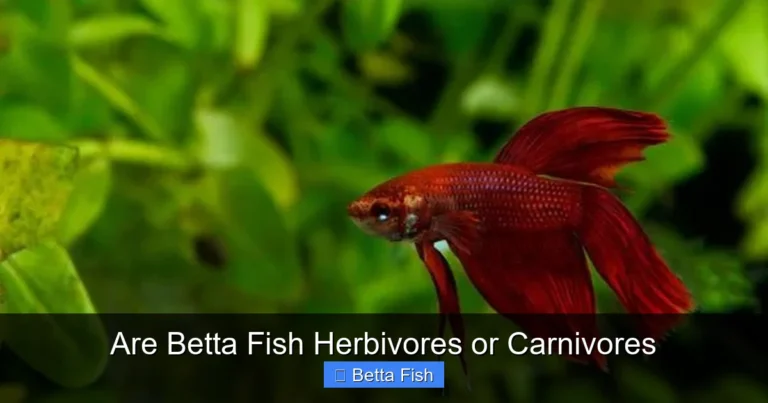
Before you set up a tank, it helps to understand what makes bettas tick. Betta fish, also known as Siamese fighting fish, originate from the warm, slow-moving waters of Southeast Asia. They are labyrinth fish, which means they can breathe air from the surface. This is why you will often see your betta gulping at the top of the tank.
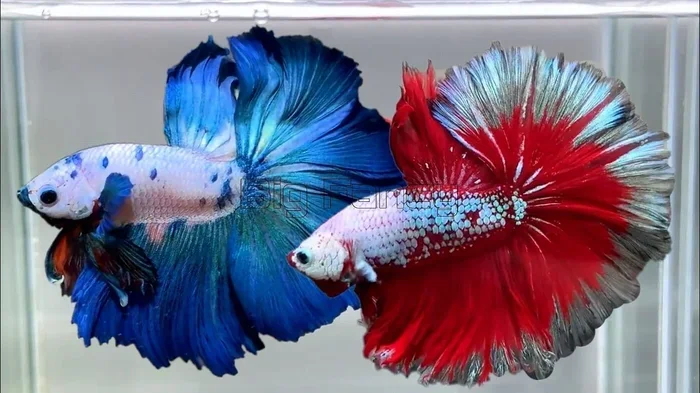
Bettas are known for their flowing fins and brilliant colors. Male bettas have long, dramatic fins, while females have shorter fins and a more compact body. Both sexes can be territorial, especially males. This is why you should never house two male bettas together. They will fight, and the results can be fatal.
A well-cared-for betta fish can live between three and five years, sometimes even longer. The key is providing a stable, clean environment that mimics their natural habitat. Understanding your fish’s needs is the first step toward becoming a great betta owner.
What Makes Bettas Unique
Bettas are different from most tropical fish in a few important ways. Their labyrinth organ allows them to take in atmospheric air, so they can survive in low-oxygen water better than many other species. However, this does not mean they thrive in dirty water. Clean, warm water is still essential for their health and happiness.
Bettas also have a curious and interactive nature. They will watch you move around the room, recognize feeding times, and even respond to your presence. Many betta owners say their fish seem like little personalities in the tank. This is part of what makes caring for them so enjoyable.
Setting Up the Perfect Tank
The foundation of good betta fish care starts with the right tank setup. A proper environment reduces stress, prevents illness, and gives your fish room to explore. Many beginners make the mistake of using a tiny bowl or vase, but bettas need space to swim and stay healthy.
A betta fish tank should be at least 5 gallons for a single fish. This size is large enough to maintain stable water parameters and small enough to manage easily. If you want to keep your betta in a smaller container, you will need to perform water changes much more frequently, which is not ideal for long-term health.
Essential Equipment for Your Betta Tank
Here is a simple list of what you need to set up a proper betta fish tank:
- Filter: A gentle sponge filter works best. Bettas do not like strong currents, so avoid powerful hang-on-back filters without baffles.
- Heater: Bettas need warm water between 76 and 82 degrees Fahrenheit. A small adjustable heater keeps the temperature stable.
- Thermometer: A simple stick-on thermometer lets you monitor the water temperature daily.
- Substrate: Smooth gravel or sand is safe and looks great. Avoid rough gravel that can damage delicate fins.
- Decorations: Live or silk plants provide hiding spots and make your betta feel secure. Avoid sharp plastic decorations.
- Lighting: A standard LED aquarium light works fine. Bettas do not need intense lighting, and too much brightness can stress them out.
If you are new to all of this, check out our guide on how to set up a fish tank for betta fish for a step-by-step walkthrough. It covers everything from choosing the right tank to cycling your system before adding your fish.
Cycling Your Tank
Cycling is the process of building beneficial bacteria in your tank that break down harmful ammonia and nitrite. This is one of the most important steps in betta fish care, and skipping it is a common mistake. A cycled tank has a stable nitrogen cycle that keeps the water safe for your fish.
To cycle your tank, you add a source of ammonia (such as fish food or a bottled bacteria starter) and let it build up over two to four weeks. Test the water regularly until you see ammonia and nitrite spike and then drop to zero, with nitrates present. Only then is your tank ready for a betta.
Feeding Your Betta Fish
Feeding your betta the right food in the right amounts is a big part of betta fish care. Bettas are carnivorous, which means they need a protein-rich diet. In the wild, they eat small insects, larvae, and tiny crustaceans. Replicating this diet in captivity keeps them healthy and colorful.
High-quality betta pellets should be the staple of their diet. Look for pellets where the first ingredient is a named protein source, such as fish meal or shrimp meal. You can also offer frozen or live foods like bloodworms, brine shrimp, and daphnia as treats. These add variety and nutrition to their diet.
How Much and How Often to Feed
Feed your betta two to three small meals per day. Each meal should be about the size of their eyeball. Bettas have small stomachs, and overfeeding is one of the most common problems new owners face. Uneaten food sinks to the bottom and decays, which pollutes the water and can make your fish sick.
Here are some simple feeding tips to keep in mind:
- Stick to a schedule: Feed at the same times each day so your betta knows when to expect food.
- Remove uneaten food: Use a small net or turkey baster to pick up any food your betta ignores within a few minutes.
- Fast one day a week: Skipping one feeding per week helps prevent constipation and keeps the digestive system healthy.
- Variety is good: Rotate between pellets, frozen foods, and live foods for a balanced diet.
Overfeeding leads to bloating, constipation, and poor water quality. If your betta’s belly looks round and hard, you may be feeding too much. Cut back and offer smaller portions until you find the right balance.
Maintaining Water Quality
If there is one thing that matters most in betta fish care, it is water quality. Bettas are sensitive to changes in their environment, and dirty water is the number one cause of illness and early death. Keeping the water clean and stable is not complicated, but it does require consistency.
A betta fish water change schedule is the backbone of a healthy tank. For a 5-gallon tank with a filter, you should change 25 to 30 percent of the water every week. This removes excess nitrates and other waste products without disturbing the beneficial bacteria in your filter and substrate.
How to Do a Water Change
Here is a simple process for performing a weekly water change:
- Siphon out 25 to 30 percent of the tank water using a gravel vacuum.
- Remove any debris or uneaten food from the substrate while vacuuming.
- Prepare fresh water that matches the tank temperature (around 78 degrees Fahrenheit).
- Add a water conditioner to remove chlorine and chloramine from tap water.
- Slowly add the new water to the tank.
- Check the temperature and parameters to make sure everything is stable.
If you want a detailed walkthrough of this process, our article on how to do a water change for betta fish covers every step in detail. It also explains how to use a betta fish water conditioner properly and what parameters to test for.
Water Parameters to Monitor
Keep these key water parameters in check for the best results:
| Parameter | Ideal Range |
|---|---|
| Temperature | 76 – 82 degrees Fahrenheit |
| pH | 6.5 – 7.5 |
| Ammonia | 0 ppm |
| Nitrite | 0 ppm |
| Nitrate | Below 20 ppm |
| Hardness (GH) | 3 – 4 dGH |
Testing your water once a week with a liquid test kit helps you catch problems early. API Master Test Kits are affordable and reliable. You should never let ammonia or nitrite levels rise above zero, as even small amounts can harm your betta.
Keeping Your Betta Healthy
Even with the best care, bettas can sometimes get sick. Knowing the signs of common health problems and acting quickly makes a huge difference. Prevention is always easier than treatment, but having a basic understanding of betta fish health helps you respond when issues arise.
Most betta illnesses are caused by poor water quality, stress, or sudden temperature changes. A clean, stable environment is your best defense against disease. However, it is also smart to know what to look for and how to treat common problems.
Common Betta Illnesses
Here are the most common health issues you may encounter:
- Fin Rot: Frayed or discolored fins caused by bacterial infection. Usually treated with antibiotics and improved water quality.
- Ich (White Spot Disease): Small white spots on the body and fins caused by a parasite. Treatable with medication and a gradual temperature increase.
- Bloating: A swollen abdomen often caused by overfeeding or constipation. Fasting and feeding peeled peas can help.
- Stress: Clamped fins, lethargy, and loss of color are signs of stress. Check water parameters and reduce disturbances.
If your betta shows signs of illness, the first step is always to test the water. Poor water quality is the root cause of most health problems. If you are unsure how to treat a specific condition, check out our guide on how to care for sick betta fish for practical treatment advice.
Prevention Tips
Keeping your betta healthy is mostly about maintaining a clean and stable environment. Here are some simple prevention tips:
- Perform regular water changes on schedule.
- Do not overfeed your fish.
- Keep the tank away from drafts, direct sunlight, and heat sources.
- Avoid tapping on the glass or startling your fish.
- Quarantine new plants or decorations before adding them to the tank.
- Watch your betta daily for any changes in behavior or appearance.
A healthy betta fish is an active, curious fish with vibrant colors and flowing fins. If your betta seems sluggish or dull, take it as a sign to check the water and environment first before jumping to treatments.
Common Mistakes to Avoid
Every betta owner makes mistakes at some point. The good news is that most of these errors are easy to avoid once you know what they are. Learning from common pitfalls saves your fish a lot of stress and discomfort.
The biggest mistake people make is keeping a betta in a bowl or vase with no filter or heater. While bettas can survive in small containers short-term, they thrive in a properly set up tank with stable conditions. Another common error is skipping the nitrogen cycle, which leads to toxic ammonia buildup.
Overfeeding is also extremely common. It is tempting to give your colorful fish lots of food, but bettas need small, measured portions. And finally, many owners forget to acclimate their fish properly when bringing them home. Sudden changes in temperature and water chemistry can shock your betta and lead to serious health issues.
Quick Tips for Success
Here are some quick tips to keep in mind as you care for your betta:
- Always let tap water sit with conditioner for 24 hours before adding it to the tank.
- Use a gentle filter to avoid strong currents that tire your betta out.
- Keep the tank lid on. Bettas are jumpers and can escape if given the chance.
- Do not keep the tank in direct sunlight, as it promotes algae growth and temperature swings.
- Be patient during the cycling process. Rushing it puts your fish at risk.
Following these simple guidelines puts you on the path to being a confident and successful betta owner. The more you learn about betta fish care, the more enjoyable the experience becomes.
Conclusion
Caring for a pet betta fish does not have to be complicated. With the right tank setup, proper feeding, clean water, and a watchful eye, you can give your betta a happy and healthy life. The key is consistency. Small daily actions, like feeding the right amount and checking the temperature, add up to big results over time.
Remember that every betta is different, and part of the joy of keeping them is learning your individual fish’s personality and preferences. Start with the basics covered in this guide, and continue to educate yourself as you go. Your betta will reward you with vibrant colors, playful behavior, and years of companionship.
Now that you have a solid foundation in how to care for a pet betta fish, you are ready to create the best possible home for your fish. Enjoy the journey, and happy fish keeping!
Frequently Asked Questions
How long do betta fish live with proper care?
With proper care, a betta fish can live between three and five years on average. Some well-cared-for bettas have even been reported to live longer. The key factors are clean water, a proper diet, and a stable tank environment that meets their basic needs.
Can betta fish live in a bowl without a filter?
Betta fish can survive in a bowl without a filter for short periods, but it is not ideal for long-term health. Without filtration, waste builds up quickly, and water quality drops fast. A filtered 5-gallon tank is the minimum recommended setup for a healthy and happy betta.
How often should I feed my betta fish?
Feed your betta fish two to three small meals per day. Each meal should be roughly the size of their eyeball. Overfeeding is one of the most common mistakes, so stick to small portions and consider fasting one day per week to support digestion.
What temperature should a betta fish tank be?
The ideal temperature for a betta fish tank is between 76 and 82 degrees Fahrenheit. Use a small aquarium heater and a thermometer to maintain a stable temperature. Sudden temperature drops or fluctuations can stress your betta and make them susceptible to illness.
Why is my betta fish staying at the top of the tank?
Betta fish often swim to the surface to breathe air through their labyrinth organ. However, if your betta is gasping frequently or staying at the top more than usual, it could indicate poor water quality, low oxygen, or a health issue. Test your water parameters and check the temperature to identify the cause.
Can betta fish live with other fish?
Male bettas should not be housed with other bettas or aggressive fish. Female bettas can sometimes live in small groups called sororities, but this requires a larger tank and careful setup. Peaceful bottom-dwelling fish like corydoras or kuhli loaches can sometimes be compatible tank mates in a properly sized tank.