How to Care for a Koi Betta Fish

Caring for a koi betta fish means providing a warm, clean tank with gentle filtration, stable water parameters, and a varied diet. These beautiful fish thrive when you mimic their natural habitat and watch for signs of stress. With the right setup and routine, your koi betta can live a long, healthy life.
How to care for a koi betta fish starts with understanding their unique needs. Koi bettas are a stunning variety of the classic Siamese fighting fish, known for their bright, patchy colors and flowing fins. They are hardy but sensitive to poor water quality, so a consistent routine makes all the difference. This guide walks you through every step, from choosing the right tank to keeping your fish healthy and happy.
Many people think bettas are simple pets that can survive in a small bowl. That is a myth. Koi bettas need clean, warm water, a proper filter, and a place to rest. They also benefit from a varied diet and a stress-free environment. Whether you are a beginner or a seasoned hobbyist, this article will give you practical tips you can use right away. Let us dive in and explore what makes koi bettas thrive.
### What Is a Koi Betta Fish?
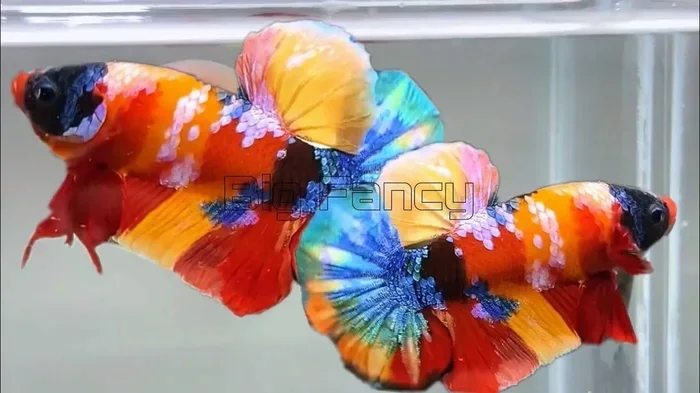
Koi bettas are a color variant of the Betta splendens species. They display a mix of white, orange, red, and black patches, much like koi carp. Their scales often have a metallic or nacreous sheen that shimmers under light. These fish are also called butterfly koi bettas or koi patterned bettas.
Koi betta care follows the same core principles as caring for any betta, but their coloration can be more sensitive to water quality. A clean, stable environment helps them maintain their vivid patterns. Here are some key traits of koi bettas:
- Size: They grow to about 2 to 3 inches long, including fins.
- Lifespan: With proper care, they live 3 to 5 years, sometimes longer.
- Temperament: Males are territorial and should be kept alone. Females can sometimes be housed in small groups called sororities.
- Labyrinth organ: Bettas can breathe atmospheric air, so they need access to the water surface.
### Setting Up the Perfect Tank for Your Koi Betta
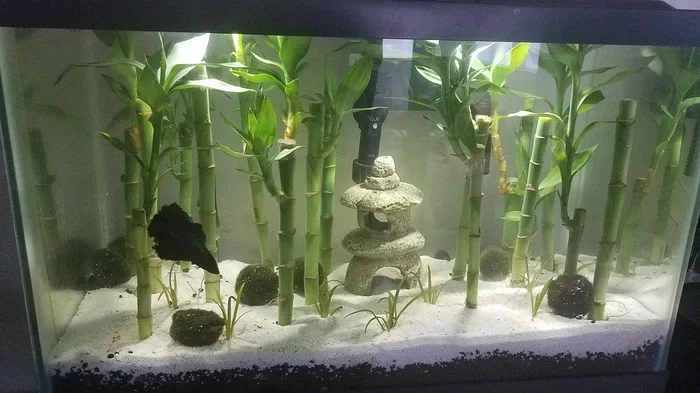
Getting the tank right is the foundation of koi betta fish care. A well-planned tank reduces stress and prevents illness. You want a setup that mimics the slow-moving waters of Southeast Asia.
#### Tank Size and Filtration
A 5-gallon tank is the minimum for a single koi betta. Larger tanks, like 10 or 20 gallons, are even better because they dilute waste more effectively. Choose a sponge filter or a gentle hang-on-back filter. Strong currents stress bettas and make it hard for them to swim. The filter should provide biological filtration without creating a torrent.
If you are new to tanks, check out this guide on how to set up a fish tank for betta fish for a step-by-step walkthrough.
#### Heater and Temperature
Koi bettas are tropical fish. They need a steady temperature between 78°F and 80°F. Use an adjustable aquarium heater with a thermostat. Avoid placing the tank near windows, vents, or drafts. Temperature swings can weaken their immune system.
#### Substrate and Decor
Use a soft, fine-grained substrate like sand or smooth gravel. Avoid sharp rocks or rough surfaces that can tear their delicate fins. Add live or silk plants for hiding spots. Java moss, Amazon sword, and anubias are great choices. Leave some open swimming space too. A betta hammock or leaf near the surface gives them a place to rest.
#### Quick Tips for Tank Setup
- Rinse all decorations before adding them to remove dust.
- Place the heater near the filter output for even heat distribution.
- Use a dimmable LED light; bright lights can stress koi bettas.
- Cycle the tank for at least 2 to 4 weeks before adding your fish.
### Water Quality and Maintenance
Clean water is the most important part of how to care for a koi betta fish. Koi bettas are sensitive to ammonia and nitrite. Even small amounts can harm them. Regular maintenance keeps the water safe.
#### Ideal Water Parameters
Koi bettas prefer slightly acidic to neutral water. Here is a quick comparison of ideal vs. poor parameters.
| Parameter | Ideal Range | Poor Range |
|---|---|---|
| Temperature | 78-80°F | Below 75°F or above 82°F |
| pH | 6.5-7.5 | Below 6.0 or above 8.0 |
| Ammonia | 0 ppm | Any detectable level |
| Nitrite | 0 ppm | Any detectable level |
| Nitrate | Below 20 ppm | Above 40 ppm |
#### Water Changes and Conditioners
Perform a 25-30% water change every week. Use a gravel vacuum to remove debris from the substrate. Always treat new water with a water conditioner to neutralize chlorine and chloramine. This step is non-negotiable. For more on preparing water, see this guide on how to prepare water for a betta fish.
#### Common Water Mistakes
- Using untreated tap water directly from the faucet.
- Changing more than 50% of the water at once, which shocks the fish.
- Ignoring the filter and letting it clog with debris.
- Placing the tank in direct sunlight, which promotes algae blooms.
### Feeding and Nutrition
A balanced diet keeps your koi betta’s colors vibrant and its immune system strong. In the wild, bettas eat small insects, larvae, and crustaceans. Replicate that variety at home.
#### Best Foods for Koi Bettas
High-quality betta pellets should be the staple food. Look for pellets with a protein content of 30-40%. Supplement with frozen or live foods like bloodworms, brine shrimp, and daphnia. You can also offer blanched spinach or peas as a treat.
#### Feeding Schedule
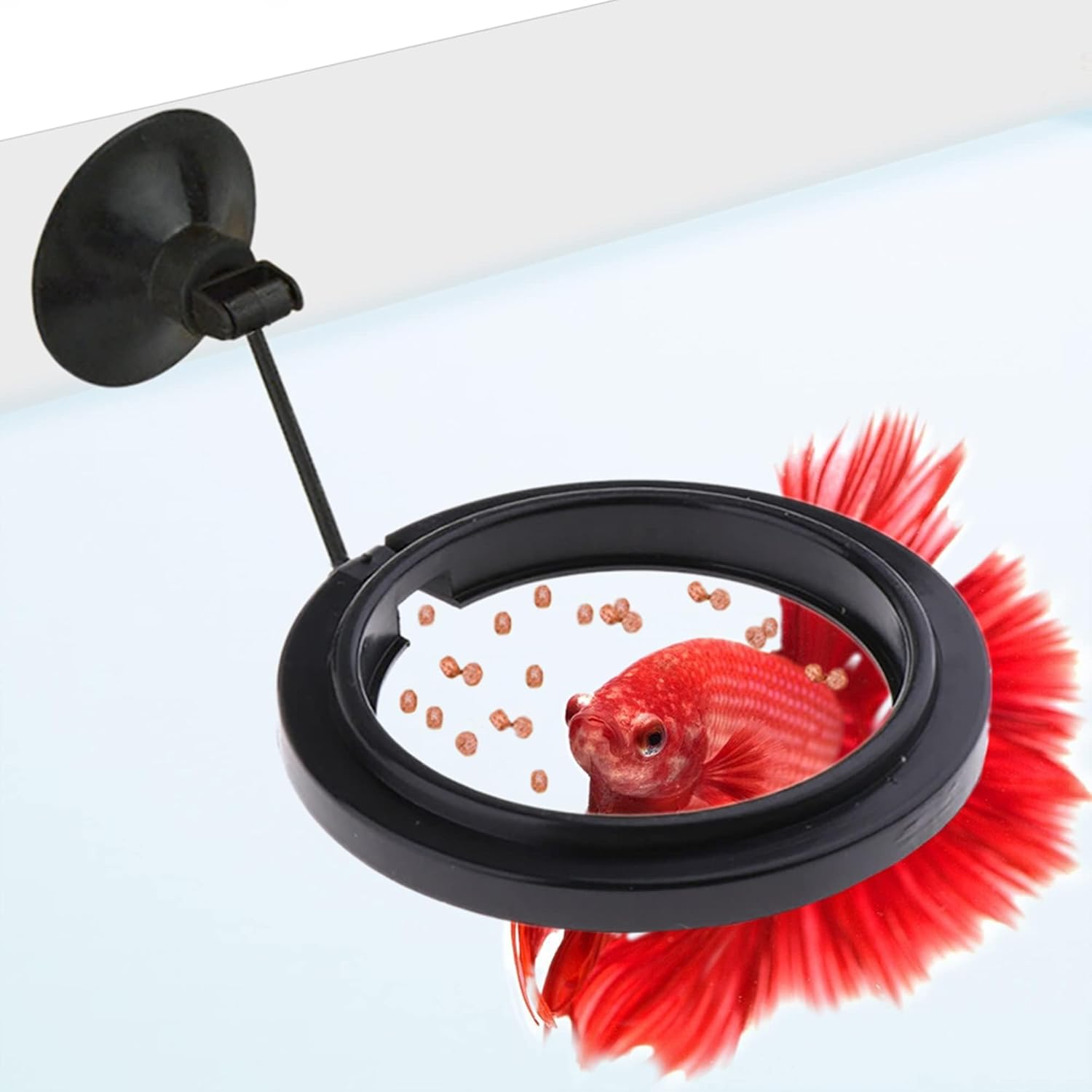
Feed your koi betta 2 to 3 small meals per day. Only give what they can eat in 2 to 3 minutes. Overfeeding is a common mistake that leads to constipation and poor water quality. If you are going on vacation, use an automatic feeder or ask a friend to feed small amounts.
#### Expert Insight: Color Enhancement
Many hobbyists notice that koi bettas show brighter colors when fed a diet rich in carotenoids. Foods with spirulina or astaxanthin can enhance the red and orange patches. However, do not rely on color-enhancing foods alone; a varied diet is key.
### Common Health Issues and Prevention
Even with the best care, koi bettas can fall ill. Early detection and quick action make a big difference. Most health problems come from poor water quality or stress.
#### Recognizing Stress and Illness
Watch for these signs:
- Faded or dull colors
- Clamped fins held close to the body
- Rapid breathing or gasping at the surface
- Loss of appetite
- White spots (ich) or cottony growths
- Lethargy or hiding at the bottom
If you notice any of these, test your water parameters first. Often, a water change and a slight temperature raise can help. For more serious issues, isolate the fish in a hospital tank. Learn more about treating a stressed betta in this article on how to care for sick betta fish.
#### Common Mistakes to Avoid
- Keeping the tank in a high-traffic area with constant vibrations.
- Using tanks smaller than 5 gallons with no filter.
- Feeding only flakes instead of sinking pellets.
- Ignoring the nitrogen cycle and adding fish too soon.
- Housing two male koi bettas together.
### Lifespan and Long-Term Care
A well-cared-for koi betta can live 4 to 5 years, and some even reach 7. Your commitment to routine care is what determines their longevity.
#### How Long Do Koi Bettas Live?
Genetics play a role, but environment matters more. A koi betta in a clean, 10-gallon tank with stable parameters will outlive one in a tiny bowl. As they age, they may become less active and their colors might soften slightly. That is natural.
#### Breeding Considerations
Breeding koi bettas is possible but requires experience. You need a separate breeding tank, warm water, and plenty of live food to condition the pair. Male bettas build bubble nests, and the female releases eggs that the male fertilizes. After spawning, remove the female to prevent aggression. Raising fry is a whole new challenge that demands patience and meticulous water care.
#### Key Takeaways for Long-Term Success
- Consistency is everything: Stick to a weekly water change and feeding schedule.
- Observe daily: Spend a few minutes watching your fish for any changes.
- Keep learning: Read up on betta biology and new care methods.
- Avoid overhandling: Limit netting and tank moves to reduce stress.
### Conclusion
Caring for a koi betta fish is a rewarding journey that blends simple routines with a genuine love for these colorful creatures. You now know how to set up a proper tank, maintain water quality, feed a balanced diet, and spot early signs of trouble. The secret is to stay consistent and observe your fish every day. A koi betta will reward you with dazzling colors and peaceful companionship for years to come. Start with the basics, keep learning, and enjoy the process.
Key Takeaways
- Spacious Tank: A 5-gallon tank or larger gives your koi betta room to swim and stay healthy.
- Stable Water: Keep temperature between 78-80°F and use a water conditioner to remove chlorine.
- Balanced Diet: Feed high-quality pellets and occasional treats like bloodworms or brine shrimp.
- Regular Maintenance: Perform weekly water changes and clean the filter regularly.
- Watch for Stress: Look for faded colors, clamped fins, or rapid breathing as early warning signs.
- Gentle Housing: Avoid sharp decorations and keep tank mates peaceful or skip them entirely.
Frequently Asked Questions
Can koi betta fish live with other fish?
Koi bettas are best kept alone because males are highly territorial. If you want tank mates, choose peaceful, small fish like corydoras or kuhli loaches that stay in the lower levels. Avoid fish with bright colors or long fins that might trigger aggression.
How often should I clean my koi betta’s tank?
Do a 25-30% water change every week. Use a gravel vacuum to remove waste from the substrate. Clean the filter media in old tank water once a month to preserve beneficial bacteria. Never use soap or tap water directly on any tank equipment.
What is the best water temperature for a koi betta?
Keep the water between 78°F and 80°F. Use an adjustable aquarium heater and a thermometer to monitor the temperature. Sudden drops or spikes can stress your fish and make it susceptible to illness.
Why are my koi betta’s colors fading?
Faded colors can signal stress, poor water quality, or inadequate diet. Check your parameters, perform a water change, and offer high-quality foods with color-enhancing nutrients. If the fish is also showing other symptoms like clamped fins, investigate further for illness.
Can I keep a koi betta in a bowl without a filter?
It is not recommended. A bowl without a filter makes it very hard to maintain stable water quality. Koi bettas produce waste that builds up quickly. A filtered 5-gallon tank is the minimum for a healthy, long-lived pet.
How do I know if my koi betta is happy?
A happy koi betta will have bright, vibrant colors, a healthy appetite, and steady swimming. It will explore the tank, build or inspect a bubble nest, and rest on a leaf or hammock. Regular, active behavior is a good sign that your care routine is working.