How to Buy Betta Fish
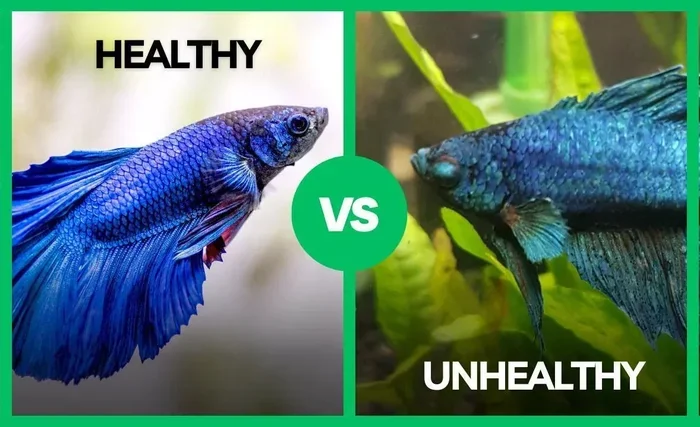
Buying a betta fish is exciting, but choosing the right one matters more than most people think. This guide covers everything you need to know about how to buy betta fish — from picking a healthy fish at a store to finding the best betta fish for sale online. You will learn how to spot warning signs, compare betta fish types, and set up the perfect home before your new fish arrives.
So, you have decided to buy a betta fish. Great choice! Betta fish are some of the most colorful and fascinating freshwater fish you can keep at home. But here is the thing — buying a betta fish is not as simple as picking the prettiest one off the shelf. A lot goes into making a smart purchase. The fish you choose today will be your companion for three to five years, sometimes longer.
This guide walks you through every step of the how to buy betta fish process. We will cover what to look for, where to buy, how to choose the right betta fish types, and how to prepare your home before the fish arrives. By the end, you will feel confident and ready to make the best choice.
Whether you are a complete beginner or someone who has kept fish before, this guide has something for you. Let us get started.
Key Takeaways
- Know what to look for: A healthy betta has bright colors, flowing fins, and active behavior.
- Choose the right source: Whether you buy from a local store or online, always research the seller first.
- Prepare the tank before buying: A proper betta fish tank setup reduces stress and helps your fish thrive.
- Avoid common mistakes: Don’t buy a betta on impulse or skip the water preparation step.
- Understand betta fish types: Different breeds have different needs and price ranges.
- Ask the right questions: Always check water conditions and the fish’s health history before purchasing.
📑 Table of Contents
Why Choosing the Right Betta Fish Matters
Many people walk into a pet store and grab the first betta they see. That is the biggest mistake you can make. A healthy betta fish will live a long, happy life. A sick one might die within weeks, no matter how good your care is afterward.
When you know how to pick a healthy fish, you save money, time, and heartbreak. You also set yourself up for a rewarding experience. Betta fish, also known as siamese fighting fish, are hardy creatures. But they still need the right start in life.
Think of it like buying a puppy. You would not pick the first one you see without checking its health, temperament, and background. The same logic applies to buying betta fish. A little extra effort upfront makes a huge difference.
Signs of a Healthy Betta Fish
So, what does a healthy betta look like? Here are the key signs to watch for:
- Bright, vibrant colors: The fish should have vivid reds, blues, greens, or purples. Faded colors can signal stress or illness.
- Intact fins: Look for fins that are whole and flowing. Tattered or torn fins may indicate fin rot or physical damage.
- Active swimming: A healthy betta moves around with purpose. It should not be lethargic or hovering at the bottom.
- Good appetite: If the fish is eating eagerly, that is a great sign.
- Clear eyes: Cloudy or bulging eyes can indicate infection or disease.
- No white spots: White dots on the body or fins often mean ich, a common parasitic disease.
Red Flags to Watch Out For
Just as important as knowing what a healthy fish looks like is knowing what a sick one looks like. Avoid any fish showing these warning signs:
- Clamped fins: When a fish keeps its fins pressed against its body, it is often stressed or sick.
- Bulging eyes: This can be a sign of dropsy, a serious bacterial infection.
- Red streaks on the body: These indicate inflammation or infection.
- Labored breathing: Rapid gill movement suggests poor water quality or respiratory issues.
- Loss of color: A fish that looks pale or washed out is not in good shape.
Where to Buy Betta Fish
Not all places sell the same quality of betta fish. Where you buy matters just as much as which fish you pick. Let us explore the main options available to you.
Local Pet Stores
Your neighborhood pet store is the most common place to buy a betta fish. The advantage is that you can see the fish in person before you buy. You can check its colors, fins, and behavior up close.
However, the quality varies widely. Some local stores keep their fish in excellent conditions. Others overcrowd their tanks and neglect the animals. Before you buy, take a look around the store. Are the tanks clean? Do the other fish look healthy? These details tell you a lot.
Online Retailers
Buying betta fish online has become increasingly popular. You gain access to a much wider variety of betta fish breeds and colors. Many online breeders specialize in high-quality siamese fighting fish with stunning fin shapes and vibrant hues.
The downside is that you cannot see the fish before it arrives. To reduce risk, always buy from reputable sellers with strong reviews. Look for sellers who ship with live arrival guarantees and proper packaging.
If you want to explore online options, check out our guide on how to buy a betta fish online for detailed tips on finding trustworthy sellers.
Breeders and Specialty Shops
For the best quality fish, consider buying from a dedicated breeder or specialty fish shop. Breeders often raise their fish in optimal conditions and can tell you the fish’s lineage, age, and health history.
These sellers tend to charge more, but you are paying for quality and peace of mind. A betta fish from a breeder is more likely to be healthy, well-socialized, and true to its breed standards.
Types of Betta Fish You Can Buy
One of the most exciting parts of buying a betta fish is choosing the type. Bettas come in a wide range of colors, fin shapes, and patterns. Here is a closer look at the most popular options.
By Fin Type
The fin type is one of the first things people notice. Different fin types give each betta a unique look:
- Veiltail: The most common type. Long, flowing tail fin that droops downward. Great for beginners.
- Crowntail: Spiky, crown-like fin rays. Very popular among hobbyists.
- Plakat: Shorter fins, closer to the wild type. Active and hardy.
- Halfmoon: Tail fin spreads into a perfect half-circle. Stunning to look at.
- Double Tail: Two distinct tail fins. Rare and highly sought after.
By Color and Pattern
Betta fish come in almost every color imaginable. Some of the most sought-after colors include deep blue, bright red, emerald green, and pure white. Patterns like marble, butterfly, and koi add even more variety.
If you are curious about how to bring out the best colors in your fish, we have a guide on how to make your betta fish colorful that you will find helpful.
How to Choose the Right Type for You
When selecting a type, consider your experience level and tank setup. If you are a beginner, a veiltail or plakat is a forgiving choice. If you are experienced and want a showpiece, a halfmoon or crowntail may be more your style.
Also, think about the tank size. Some types with large fins do better in longer tanks with gentle water flow. Keep these factors in mind when you make your decision.
How to Choose a Healthy Betta Fish at the Store
Now that you know where to buy and what type to look for, let us talk about the actual selection process. This is the moment that matters most.
Observe the Fish First
Before you reach into the tank, spend a few minutes watching. How does the fish move? Does it explore the tank or sit in one corner? A curious, active fish is a good sign. A fish that stays still or hides may be unwell.
Ask the Store Staff Questions
Do not be afraid to ask questions. Here are some that matter:
- How long has this fish been in the store?
- What are the water conditions in the tank?
- Has this fish been eating well?
- Are there any signs of disease in the tank?
The answers will help you make a more informed decision. A good store staff member will be happy to answer.
Check the Water Conditions
This is something many people forget. The water quality in the display tank directly affects the fish’s health. If the water looks cloudy or smells bad, walk away. Even if the fish looks fine, poor water conditions can cause hidden health problems.
For tips on preparing the best water for your new fish, read our article on how to prepare water for a betta fish.
Preparing Your Home Before Buying
One of the biggest mistakes new fish owners make is buying the fish first and setting up the tank later. Always prepare the home before you bring your fish back.
Set Up the Tank in Advance
Your betta needs at least a 5-gallon tank with a gentle filter and a heater. The water temperature should stay between 76 and 82 degrees Fahrenheit. Set up the tank, let it cycle for at least 24 to 48 hours, and test the water parameters before introducing your fish.
If you need help getting started, our guide on how to set up a fish tank for betta fish covers everything you need to know.
Gather Supplies
Before your fish comes home, make sure you have these essentials ready:
- A cycled tank with a heater and filter
- Water conditioner to remove chlorine and chloramine
- Thermometer to monitor temperature
- Net for gentle handling
- High-quality betta pellets or frozen food
- A lid or cover (bettas are jumpers)
Acclimate Your New Fish Properly
When you bring your fish home, do not dump it straight into the tank. Float the bag in the tank for 15 to 20 minutes to equalize the temperature. Then, slowly add small amounts of your tank water to the bag over 20 to 30 minutes. This process helps your fish adjust to the new water parameters without shock.
Common Mistakes to Avoid When Buying Betta Fish
Learning from other people’s mistakes is one of the fastest ways to become a better fish owner. Here are the most common errors to avoid.
Buying on Impulse
It is tempting to grab a beautiful betta the moment you see it. Resist that urge. Take your time, observe the fish, and make a thoughtful decision. Impulse purchases often lead to buying fish that are sick or not suited to your setup.
Skipping the Research
Every betta fish type has different needs. A halfmoon needs a different tank setup than a plakat. Do your homework before you buy so you can provide the right environment from day one.
Ignoring Water Quality
Even the healthiest fish can get sick in poor water. Always test your water before and after bringing a new fish home. A water test kit is a small investment that pays off big time.
Overcrowding the Tank
Bettas are solitary fish. They do not need tank mates and often do best alone. Adding too many fish to a small tank creates stress, aggression, and poor water quality.
Final Thoughts on Buying Betta Fish
Buying a betta fish is a rewarding experience that starts with making informed choices. From picking the right betta fish types to finding a trustworthy seller, every step counts. The more prepared you are, the smoother the transition will be for both you and your new fish.
Remember to always check for signs of health, ask questions, and set up the tank before your fish arrives. A little planning goes a long way. Your betta fish can live a long, vibrant life when you start on the right foot.
For more information on caring for your new fish after purchase, explore our other guides on betta fish care. And if you are wondering about the next steps after bringing your fish home, check out our article on how to transfer your betta fish to a new tank for a smooth introduction.
Happy fish shopping, and enjoy the journey of becoming a betta fish owner!
Frequently Asked Questions
What should I look for when buying a betta fish?
Look for bright colors, intact fins, active swimming, clear eyes, and a healthy appetite. Avoid fish with clamped fins, white spots, red streaks, or lethargic behavior. These signs help you pick a healthy betta fish that will thrive in your care.
Is it better to buy a betta fish online or in-store?
Both options have advantages. Buying in-store lets you see the fish before purchasing. Buying online gives you access to a wider variety of betta fish breeds and colors. Choose a reputable seller either way, and always check reviews and shipping policies.
How much does a betta fish cost?
Most betta fish cost between $5 and $25 at local pet stores. Premium or show-quality fish from breeders can range from $30 to $100 or more. The price depends on the betta fish type, color, fin shape, and the seller’s reputation.
Can I buy a betta fish if I am a complete beginner?
Absolutely. Bettas are one of the most beginner-friendly freshwater fish. They are hardy and tolerate a range of conditions. Just make sure you set up the tank properly and learn the basics of betta fish care before bringing one home.
How do I know if a betta fish is stressed at the store?
Stressed bettas often have clamped fins, faded colors, and stay in one corner. They may also breathe rapidly or refuse food. If you notice any of these signs, choose a different fish from the same tank or look elsewhere.
What age betta fish should I buy?
Young adult bettas, typically around 4 to 6 months old, are the best choice. They are old enough to show their true colors and fin development but young enough to adapt well to a new home. Avoid very young fry or older fish with signs of aging.