How to Balance Ph in Fish Tank Betta
Balancing pH in a betta fish tank is one of the most important steps you can take for your fish’s health. The ideal pH range for bettas falls between 6.5 and 7.5, and keeping it stable prevents stress, disease, and early death. This guide covers tested methods to raise, lower, and maintain a steady pH level in your aquarium.
Keeping your betta fish healthy starts with something simple but powerful: balanced water. One of the most overlooked parts of betta fish care is managing the pH level in the tank. If the water becomes too acidic or too alkaline, your fish can become stressed, lose color, or even fall ill.
How to balance pH in fish tank betta setups does not have to be complicated. With the right tools and a little know-how, any aquarium owner can keep the water in the safe zone. This guide walks you through everything you need to know, from testing your water to making gentle adjustments that last.
Whether you are a complete beginner or have kept bettas for years, understanding pH balance gives you confidence. You will learn what the numbers mean, why they matter, and exactly what to do when things go off track. Let us dive in and make your betta tank the best it can be.
Key Takeaways
- Target pH Range: Bettas thrive best when pH stays between 6.5 and 7.5, mimicking their natural habitat.
- Test Regularly: Use a reliable pH testing kit at least once a week to catch imbalances early.
- Avoid Drastic Changes: Never adjust pH by more than 0.3 in a single day, as sudden shifts shock betta fish.
- Natural Methods Work Best: Driftwood, peat moss, and crushed coral offer safe, gradual pH adjustments.
- Water Changes Matter: Regular partial water changes prevent pH crashes and keep the tank stable.
- Cycling Is Essential: A properly cycled tank maintains healthy pH levels naturally through beneficial bacteria.
- Prevention Over Cure: Consistent monitoring and maintenance stop pH problems before they start.
📑 Table of Contents
- Understanding pH and Why It Matters for Betta Fish
- How to Test Your Betta Tank pH Accurately
- Methods to Lower pH in a Betta Fish Tank
- Methods to Raise pH in a Betta Fish Tank
- How to Maintain Stable pH Long Term
- Quick Tips and Common Mistakes to Avoid
- Expert Insight: The Connection Between pH and Betta Health
- Comparison Table: pH Adjustment Methods
- Conclusion
Understanding pH and Why It Matters for Betta Fish
pH measures how acidic or alkaline your water is. The scale runs from 0 to 14, with 7 being neutral. Anything below 7 is acidic, and anything above 7 is alkaline. Bettas come from warm, slow-moving waters in Southeast Asia, where the pH naturally sits in a specific range.
When the pH in a betta tank drifts too far from the ideal zone, it causes stress. Stressed fish have weaker immune systems. That makes them more vulnerable to common diseases like fin rot and ich. Keeping pH stable is one of the simplest ways to protect your betta’s health.
What Is the Ideal pH for Betta Fish?
The sweet spot for betta fish is between 6.5 and 7.5. Most experts agree that a pH of around 7.0 is perfect. This range closely matches the gentle, slightly acidic to neutral waters bettas live in naturally. Some breeders keep their tanks at 6.8 for best results.
What matters even more than the exact number is consistency. A stable pH of 6.8 is far better than a fluctuating pH that bounces between 6.5 and 7.5. Bettas do not like sudden changes. Even small swings can cause discomfort and behavioral issues.
Common Causes of pH Imbalance in Betta Tanks
Several things can throw your tank’s pH off balance. Understanding these causes helps you prevent problems before they start.
- Tap water changes: Municipal water supplies vary in pH. If you top off your tank with tap water, the pH can shift unexpectedly.
- Decaying organic matter: Uneaten food, dead plant leaves, and fish waste release acids that lower pH over time.
- Decorations and substrate: Certain rocks and woods leach minerals into the water, raising or lowering pH depending on the material.
- Poor filtration: Without proper fish tank cycling, waste builds up and acids accumulate, crashing the pH.
- CO2 buildup: In heavily planted tanks, CO2 dissolves into the water and can drop pH levels significantly.
- Evaporation: As water evaporates, minerals concentrate, which can slowly push pH upward.
How to Test Your Betta Tank pH Accurately
You cannot fix what you cannot measure. Testing your water regularly is the foundation of good betta care. Without testing, you are essentially guessing whether your tank is safe.
Types of pH Testing Kits
There are three main ways to test your aquarium water. Each has its pros and cons, and choosing the right one depends on your budget and experience level.
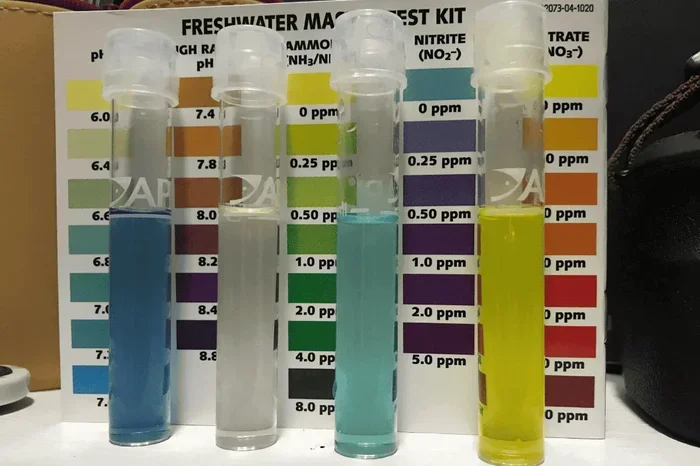
- Liquid test kits: These are the gold standard. Brands like the API Freshwater Master Test Kit give accurate readings for pH, ammonia, nitrite, and nitrate. They cost around $15 to $25 and last for months.
- Test strips: Convenient and fast, but less precise. Strips work well for quick checks but are not ideal for tracking small changes.
- Digital meters: These give instant digital readings and are very accurate. However, they can be expensive, ranging from $50 to $150.
For most betta keepers, a liquid test kit is the best choice. It is affordable, reliable, and gives you a complete picture of your water quality. Test your water at least once a week, and always test at the same time of day for consistent results.
When to Test Your Water
Make it a habit to test your water on a set day each week. You should also test after any of these events:
- After a water change
- After adding new decorations or substrate
- If your betta shows signs of stress or illness
- After treating the tank with medication
- If the tank has been sitting unused for several days
Methods to Lower pH in a Betta Fish Tank
Sometimes your tank pH runs too high, above 7.5. This is common in areas with hard tap water. Lowering pH safely requires patience and gradual steps.
Natural Ways to Reduce pH
Natural methods are the safest approach for betta tanks. They make slow, gentle changes that your fish can adjust to without stress.
- Driftwood: Adding a piece of driftwood releases tannins into the water. These tannins naturally lower pH over time. They also give your tank a beautiful, natural look.
- Peat moss: Placing peat moss in your filter media gently softens the water and reduces pH. It is one of the most effective natural methods available.
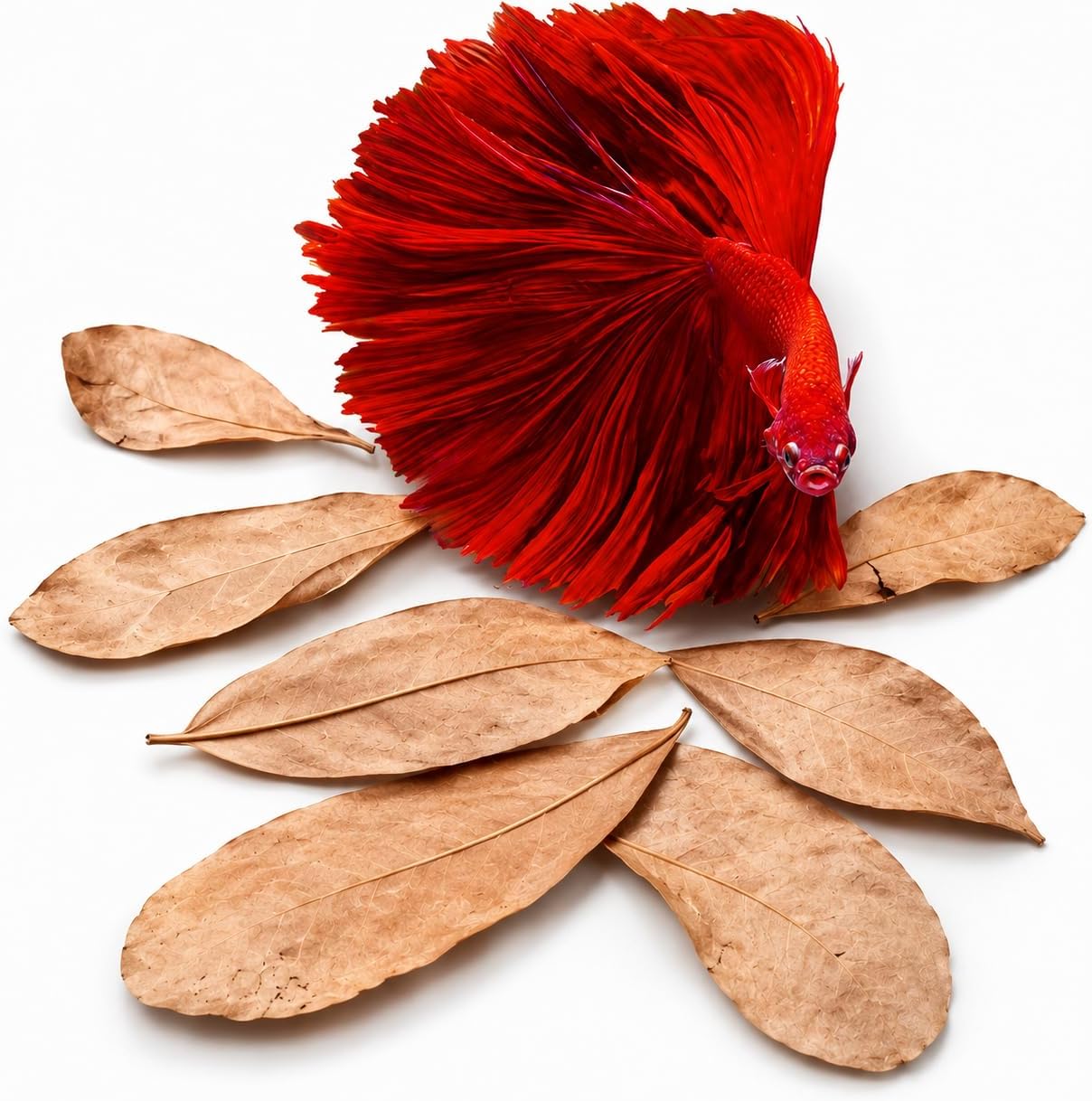
- Catappa leaves: Also known as Indian almond leaves, these release mild acids that lower pH slowly. Many betta breeders use them regularly.
- CO2 injection: For planted tanks, a CO2 system can drop pH effectively. However, this method requires careful monitoring.
Chemical pH Lowerers
If natural methods are not enough, you can use commercial pH adjusters. Products like pH Down or pH Minus lower aquarium pH quickly. Always dose according to the manufacturer’s instructions and test the water after each addition.
Never use pH adjusters to make large changes at once. A sudden pH drop is just as dangerous as a high pH. Reduce pH by no more than 0.3 per day. This gives your betta time to adjust without going into shock.
Methods to Raise pH in a Betta Fish Tank
If your tank pH falls below 6.5, you need to bring it back up. Low pH often happens in tanks with lots of decomposing organic matter or soft water sources.
Natural Ways to Increase pH
- Crushed coral: This is a popular method for raising and buffering pH. Place crushed coral in a mesh bag inside your filter or directly on the substrate. It releases calcium carbonate slowly, which raises pH over time.
- Limestone or dolomite rock: These natural rocks dissolve minerals into the water, gently increasing pH. Make sure the rock is aquarium-safe before adding it.
- Aerate the water: Increasing water movement and surface agitation raises pH by promoting gas exchange. A simple air stone can make a noticeable difference.
- Water changes with higher-pH water: If your tap water has a higher pH, regular water changes can gradually raise the tank’s pH.
Chemical pH Raisers
Products like pH Up or pH Plus can raise aquarium pH fast. Use these sparingly and always test the water afterward. A good rule of thumb is to raise pH by no more than 0.3 per day. This keeps your betta safe and gives the tank time to stabilize.
How to Maintain Stable pH Long Term
Getting your pH into the right range is only half the battle. The real challenge is keeping it stable day after day. Stability matters more than perfection when it comes to betta health.
The Role of Water Changes
Regular water changes are the single most effective way to maintain stable pH. A 25% water change every week removes built-up acids and replenishes minerals. This simple habit prevents most pH problems before they start.
When you do a water change, always treat the new water with a conditioner to remove chlorine and chloramine. These chemicals not only harm your fish but can also alter your water’s pH. If you want a step-by-step guide on water changes, check out our article on how to change water in betta fish tank for detailed instructions.
Setting Up Your Tank for pH Stability
Your tank setup plays a huge role in maintaining balanced pH. A well-planned aquarium requires less constant adjustment. If you are setting up a new tank, consider these factors from the start.
Choose a substrate that does not drastically alter your water chemistry. Sand and gravel are generally neutral and safe. Avoid crushed shells or limestone unless you specifically want to raise pH. If you are not sure where to begin, our guide on how to set up a fish tank for betta fish covers all the essentials for a stable setup.
Also, make sure your filter is running properly. A good filter removes waste before it breaks down and produces acids. The biological filtration media in your filter houses beneficial bacteria that convert harmful compounds. These bacteria are essential for a healthy, balanced tank environment.
Monitor, Monitor, Monitor
The best way to maintain stable pH is to stay on top of testing. Keep a log of your pH readings each week. Over time, you will notice patterns. Maybe your pH drops slightly right before a water change, or it rises after adding new decorations. Tracking these trends helps you stay ahead of problems.
Set reminders on your phone to test your water. It takes only a few minutes once a week, but it pays off in a healthier, happier betta.
Quick Tips and Common Mistakes to Avoid
Quick Tips for Balancing pH
- Always test water before and after making any pH adjustment.
- Use a quarantine tank when treating pH issues to protect your main tank’s balance.
- Never mix pH up and pH down products at the same time.
- Keep your tank away from direct sunlight, which can cause pH swings.
- Clean your tank regularly to prevent waste buildup that lowers pH.
- If you are unsure about your tap water pH, use a water conditioner and let it sit for 24 hours before adding it to the tank.
Common Mistakes Betta Keepers Make
- Changing pH too fast: This is the number one mistake. Rapid pH swings cause osmotic shock, which can be fatal.
- Ignoring other water parameters: pH does not exist in a vacuum. Ammonia, nitrite, and nitrate levels all interact with pH. A comprehensive test kit is essential.
- Overusing chemical adjusters: Relying on pH Up or pH Down every day creates an unstable environment. Natural methods are safer and more sustainable.
- Skipping water changes: Even if your pH looks fine, skipping water changes allows waste to build up and eventually crashes your water chemistry.
- Not cycling the tank first: Adding a betta to an uncycled tank leads to ammonia spikes that destroy pH balance. Always cycle your tank before introducing fish.
Expert Insight: The Connection Between pH and Betta Health
Experienced betta keepers know that pH balance is deeply connected to overall fish health. When pH is stable and within range, bettas display vibrant colors, active behavior, and strong appetites. When pH swings or drifts outside the safe zone, the effects show up quickly.
Signs that your betta is struggling with pH include gasping at the surface, clamped fins, loss of appetite, and faded colors. If you notice any of these symptoms, test your water immediately. Often, a simple water change or pH adjustment resolves the issue fast.
One important thing to remember is that a properly cycled tank handles pH much better than an uncycled one. Beneficial bacteria break down ammonia and nitrite, which are acidic compounds. Without these bacteria, pH can crash quickly. If you are new to fish keeping, make sure you understand the nitrogen cycle. Our article on how to do a fish in cycle with betta explains the process in simple, easy-to-follow steps.
Also, keep in mind that algae growth can affect your tank’s pH. Algae consume CO2 during the day, which can raise pH during daylight hours. Keeping algae under control through regular cleaning and proper lighting helps maintain more consistent pH levels. If you need help with algae removal, our guide on how to clean algae from betta fish tank offers practical solutions.
Finally, do not stress too much over small fluctuations. A pH reading of 6.7 today and 6.9 tomorrow is perfectly normal. As long as the overall trend stays within the 6.5 to 7.5 range and your betta is acting healthy, you are doing a great job.
Comparison Table: pH Adjustment Methods
| Method | Speed | Safety | Cost | Best For |
|---|---|---|---|---|
| Driftwood | Slow (weeks) | Very Safe | Low | Gentle, natural lowering |
| Peat Moss | Slow (weeks) | Very Safe | Low | Long-term pH buffering |
| Crushed Coral | Slow (weeks) | Very Safe | Low | Gradual pH raising |
| pH Down (liquid) | Fast (hours) | Moderate | Medium | Quick correction of high pH |
| pH Up (liquid) | Fast (hours) | Moderate | Medium | Quick correction of low pH |
| Catappa Leaves | Slow (days) | Very Safe | Low | Natural lowering + stress relief |
| Aeration | Moderate (hours) | Very Safe | Low | Slight pH raising + oxygen boost |
Each method has its place. The best approach combines natural methods for long-term stability with chemical adjusters only for emergency corrections. Always make changes gradually and test your water frequently.
Conclusion
How to balance pH in fish tank betta setups is one of the most important skills you will develop as a fish keeper. The key is simple: test regularly, make changes slowly, and keep your tank clean. A stable pH between 6.5 and 7.5 gives your betta the best chance at a long, healthy, and vibrant life.
Remember that consistency beats perfection. A tank with a steady pH of 6.9 is far better than one that swings between 6.0 and 7.8 every few days. Use natural methods whenever possible, rely on chemical adjusters only when necessary, and always prioritize your fish’s comfort.
Start by testing your water this week. Note your current pH and compare it to the ideal range. From there, you can make small, targeted adjustments that move your tank in the right direction. Your betta will thank you with bright colors, energetic swimming, and a long, happy life.
Frequently Asked Questions
What happens if pH is too high for betta fish?
High pH above 8.0 can burn your betta’s skin, gills, and fins. It also makes ammonia more toxic, which is extremely dangerous. Signs include gasping, flashing against decorations, and loss of color. Lower pH gradually using driftwood or peat moss to avoid shocking your fish.
Can I use vinegar to lower pH in my betta tank?
While vinegar can lower pH, it is not recommended for betta tanks. It drops pH too quickly and unpredictably, which can stress or kill your fish. Stick to natural methods like driftwood or commercial pH adjusters designed for aquariums.
How often should I test my betta tank pH?
Test your pH at least once a week. You should also test after any water change, medication treatment, or when you notice your betta acting differently. Consistent testing helps you catch problems before they become serious.
Does pH affect betta fish behavior?
Yes, pH changes can make bettas lethargic, hide more, or lose their appetite. Sudden swings cause stress, which weakens their immune system. Keeping pH stable helps your betta stay active, colorful, and engaged with its environment.
Is it better to raise or lower pH for bettas?
Most bettas do best at a neutral pH of around 7.0. Whether you need to raise or lower depends on your tap water and tank conditions. The goal is always to move toward that range slowly and steadily without making big jumps.
Can a filter help balance pH in a betta tank?
A good filter helps maintain pH stability by removing waste and promoting beneficial bacteria growth. However, a filter alone cannot adjust pH. You still need to test your water regularly and make adjustments using the natural or chemical methods described in this guide.
=== CONCLUSION ===
Balancing pH in your betta fish tank is a straightforward process once you understand the basics. Test your water weekly, make adjustments slowly, and lean on natural methods for long-term stability. Your betta will thrive in clean, balanced water, and you will enjoy a healthier, more beautiful aquarium. Start today, and your fish will reward you with years of companionship.