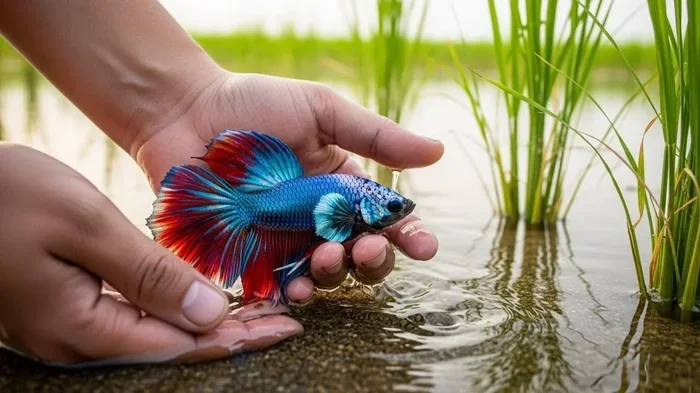
How to Age Betta Fish

Want to know how to age betta fish? This guide covers the top signs and methods to determine your betta’s age accurately. You will learn to spot changes in color, fin development, and body shape that reveal a betta fish age. By the end, you will feel confident identifying how old your betta really is.
Knowing how to age betta fish is one of the most useful skills any fish owner can learn. Whether you just brought home a new betta or have had one for years, understanding their age helps you provide better care. Age affects everything from diet to tank setup and even how active your fish will be.
Many new betta owners wonder how old their fish really is. The good news is that you do not need a lab or special tools. You can figure out your betta fish age by watching a few simple signs. This guide walks you through each one step by step.
We will cover color changes, fin growth, body shape, and behavior patterns. By the end, you will know exactly what to look for. Let us dive right in and explore the world of betta fish age determination.
Key Takeaways
- Color Fading: Look for color changes and fading as a primary betta fish age indicator.
- Fin Development: Fin length and shape shift as bettas mature and grow older.
- Body Shape Changes: Body size and shape provide reliable clues about betta fish age.
- Behavior Shifts: Activity levels and energy change as bettas get older.
- Growth Stages Matter: Understanding betta fish growth stages helps you provide better care at every life stage.
- Avoid Common Mistakes: Don’t rely on just one sign or confuse stress with aging.
- Ask the Seller: The most accurate way to know betta fish age is to ask the breeder or seller at purchase.
📑 Table of Contents
Why Understanding How to Age Betta Fish Matters
Understanding betta fish age is not just a fun fact. It directly impacts how you care for your fish. Different age groups have different needs. A young betta needs more protein and space to grow. An older betta may need softer food and a calmer environment.
Age also helps you predict behavior. Young bettas are usually more active and curious. Older bettas tend to be calmer and may sleep more. If you know your fish is getting up there in years, you can adjust the tank setup to make life more comfortable.
Another big reason is health monitoring. Certain diseases and conditions are more common at specific ages. For example, older bettas are more prone to fin rot and swim bladder issues. Catching these early starts with knowing how old your fish actually is. This is why betta fish age indicators matter so much for daily care.
Diet also shifts with age. Young bettas need protein-rich food to support fast growth. Older bettas do better with easier-to-digest meals. When you know your betta fish age, you can tailor nutrition perfectly. This simple step can add years to your fish’s life.
Signs of Age in Betta Fish
Color Changes Over Time
One of the most visible ways to judge betta fish age is through color. Young bettas often have very vivid, bright colors. Their scales shimmer and pop with intensity. This is especially true for males, who use bold colors to attract mates.
As bettas get older, their colors may start to fade. You might notice whites turning yellow or blues looking duller. This is a completely natural process. It does not mean your fish is sick. It simply means your betta is aging.
Some bettas also develop a matte or faded look around the edges of their fins. This is a common betta fish age indicator. If you notice this happening, your fish is likely in its second year or beyond.
Keep in mind that stress can also cause color fading. Make sure you are not confusing stress-related fading with natural aging. A healthy environment keeps colors vibrant for longer. Regular water changes and proper tank conditions make a big difference.
Fin Development and Length
Fin growth is another reliable way to determine betta fish age. Baby bettas have very short, stubby fins. As they grow, the fins lengthen and flow more beautifully. By around six months, most bettas have developed their full fin length.
Older bettas may start to show signs of fin wear. The edges might look ragged or slightly torn. This is different from fin rot, which is a health issue. Normal fin aging looks like gentle wearing down over time.
If your betta has long, flowing fins and vibrant color, it is likely a young adult. Short fins and a smaller body usually point to a younger fish. You can also look at how betta fins regrow to understand more about fin health at different ages.
Body Shape and Size
Body shape changes a lot as bettas mature. Juvenile bettas have a sleek, compact body. They look almost like small torpedoes gliding through the water. As they age, their bodies become slightly rounder and fuller.
Size is another clue. Most bettas reach their full size by about six to eight months. A fully grown betta is typically around two to three inches long. If your fish is still very small, it is probably under three months old.
Female bettas tend to stay smaller than males. If you are trying to figure out how to tell the age of a female betta fish, pay extra attention to body shape. Females develop a white egg spot as they reach maturity, which is a clear age marker. This spot is located on the underside near the belly area.
How to Age Betta Fish by Behavior
Behavior is a surprisingly accurate way to estimate betta fish age. Young bettas are energetic and curious. They explore every corner of the tank and respond quickly to movement. They may even flare at their own reflection with impressive confidence.
As bettas age, they become less active. You might notice your fish spending more time resting near plants or decorations. Older bettas also eat more slowly and may not rush to the surface at feeding time. These behavior changes happen gradually over weeks and months.
Activity levels are one of the best betta fish behavior changes to watch for. A young betta will dart around the tank constantly. An older betta prefers slow, leisurely swimming. Both are normal. The key is knowing what is typical for your fish’s age group.
Keep in mind that behavior changes can also signal illness. Always rule out health problems first. Check water quality and look for other symptoms before assuming age is the cause. Poor betta fish tank conditions can mimic aging signs like lethargy and loss of appetite.
Betta Fish Growth Stages
Understanding the betta fish growth stages makes aging much easier. Each stage has clear physical and behavioral markers. Let us break them down so you can pinpoint where your fish falls.
Stage 1: Fry (0 to 1 Month)
Newly hatched bettas are tiny and translucent. They have no real color yet and their fins are barely visible. During this stage, they stay near the surface and feed on infusoria or liquid fry food. At this point, you are not really trying to age them. You are just keeping them alive and well-fed. This is the most fragile stage of betta fish development.
Stage 2: Juvenile (1 to 3 Months)
Juvenile bettas start developing their signature colors. Fins grow longer and begin to show their unique shape. Behavior becomes more playful and exploratory. This is also when you can start to tell males from females based on fin length and body shape. Betta fish maturity begins to show during this stage.
Stage 3: Young Adult (3 to 6 Months)
This is when bettas reach their full color intensity. Fins are fully developed and flowing. Your fish is at its most vibrant and active. This is the prime age for a betta. Colors are bold, fins are long, and energy levels are high. Most bettas are sold at pet stores during this stage.
Stage 4: Adult (6 to 12 Months)
Adult bettas start to show subtle signs of maturity. Colors may begin to soften slightly. The body becomes rounder. Males may display more nesting behavior if kept with females. This is a stable and healthy phase for your fish. Betta fish care by age becomes especially important during this period.
Stage 5: Senior (12 Months and Beyond)
Senior bettas are generally calm and less active. Colors may fade more noticeably. Fins might show minor wear. Your fish may prefer quieter areas of the tank and eat at a slower pace. With proper care, bettas can live up to five years, so senior stages can last a while. Betta fish health by age requires extra attention during these later years.
Common Mistakes When Guessing Betta Fish Age
Many fish owners make the same mistakes when trying to guess betta fish age. Avoiding these errors will help you get much more accurate results.
Mistake 1: Relying on Only One Sign
Color alone is not enough. Fin length alone is not enough. You need to look at the full picture. Combine multiple indicators for the most accurate guess. Using just one betta fish age indicator can lead to wrong conclusions.
Mistake 2: Ignoring Genetics
Some betta breeds naturally have shorter fins or duller colors. Crowntail and plakat bettas, for example, always look more compact. Do not mistake breed traits for age signs. Research your specific breed to understand what is normal for its genetics.
Mistake 3: Confusing Stress with Aging
A stressed betta will lose color and become less active. Before you assume your fish is old, check the water parameters. Ammonia spikes, temperature swings, and poor water quality all cause stress symptoms that mimic aging. Always test your water first.
Mistake 4: Assuming All Betta Fish Age the Same Way
Every fish is different. Diet, tank conditions, and genetics all play a role. Some bettas stay vibrant well into their second year. Others may show aging signs earlier. Use age estimation as a guide, not an exact science. The betta fish coloring age varies widely between individuals.
Tips for Accurate Age Determination
If you want to get better at figuring out your betta fish age, follow these practical tips.
Tip 1: Keep a Growth Journal
Take photos of your betta every week. Over time, you will see changes in color, fin length, and body shape. A journal helps you track progress and spot patterns you might otherwise miss. This is one of the simplest yet most effective betta fish age determination methods.
Tip 2: Compare Against Known Age Fish
If you know the age of another betta, use it as a reference point. Compare your fish side by side. This works especially well if both fish are the same breed. Seeing different age groups together builds your eye for age-related changes.
Tip 3: Ask the Seller or Breeder
When you buy a betta, always ask how old it is. Reputable sellers keep records. If you got your fish from a breeder, they can often give you an exact hatch date. This is the most accurate way to know your betta fish age from the start. Never skip this simple question.
Tip 4: Monitor Water Conditions
Proper water care keeps your betta healthy at every age. Use a water preparation guide to ensure your tank conditions are always optimal. Clean water reduces stress and helps you observe your fish more clearly. Check out how to prepare water for a betta fish to set up the best routine.
Tip 5: Learn from Other Fish
If you have multiple bettas, compare them. Watching different age groups side by side teaches you what to expect at each stage. This hands-on experience is one of the best ways to sharpen your age-guessing skills. Over time, you will become remarkably accurate.
For more details on caring for bettas at different life stages, check out this guide on how to properly take care of betta fish across all ages.
Conclusion
Learning how to age betta fish is a rewarding skill that improves your fish care. You now know the key signs to look for. Color changes, fin development, body shape, and behavior all tell a story about your betta fish age. Each sign alone gives you a clue, but together they paint a clear picture.
Remember that every fish is unique. Use these guidelines as a starting point, not an exact science. With practice, you will become more confident in your estimates. Your betta will benefit from the better care that comes with understanding its age.
Start paying attention to the small details today. Take photos, keep notes, and enjoy watching your betta grow. The more you know about your fish, the better your bond will be. Your betta will thank you with vibrant colors and lively behavior for years to come.
Frequently Asked Questions
How long do betta fish typically live?
Betta fish typically live between three and five years with proper care. Some well-cared-for bettas even reach five and a half years. Diet, water quality, and tank conditions all play a role in lifespan. Regular monitoring and a clean environment help your betta live a long, healthy life.
Can you tell a betta fish age from its color alone?
Color is one of the best betta fish age indicators, but it should not be used alone. Young bettas have vivid colors that fade as they age. However, stress, illness, and poor diet can also cause color changes. Combine color observations with fin length, body shape, and behavior for the most accurate estimate.
What age is a betta fish considered fully grown?
Most bettas reach full size by six to eight months old. At this point, their fins are fully developed and their body shape is mature. Colors are also at their peak intensity during this young adult stage. After this, your betta will gradually enter adulthood and eventually senior years.
Do female bettas show different aging signs than males?
Yes, female bettas do show some different aging signs. Females tend to stay smaller and develop a white egg spot when mature. Their colors may also fade at a slightly different rate. For more specific guidance on aging female bettas, you can explore how to tell the age of a female betta fish in detail.
Is it harder to age older betta fish?
Yes, aging senior bettas can be more challenging. Older fish show more subtle changes that are harder to pin down. Signs like slower movement and faded color overlap with normal aging and mild illness. If you are unsure, a veterinarian experienced with fish can help you get a better estimate.
Does tank size affect how fast a betta fish ages?
Tank size does not directly control aging speed, but it affects overall health. Bettas in larger, well-maintained tanks tend to be healthier and more active. Stress from small or dirty tanks can make a betta look older than it is. Providing a proper tank setup supports healthy aging at every stage of betta fish development.