How Old Is My Female Betta Fish
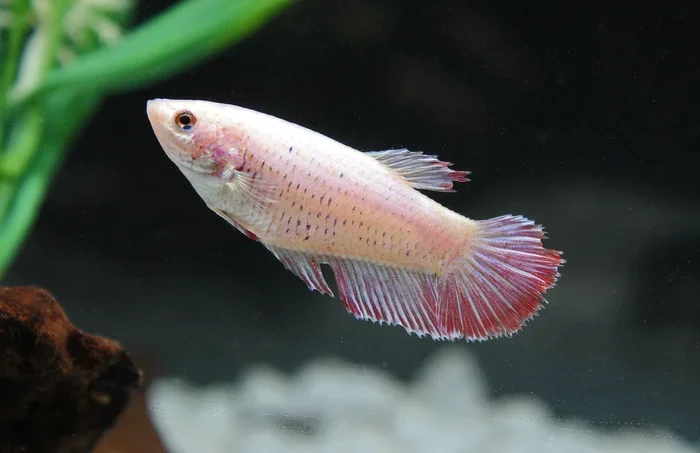
Figuring out how old your female betta fish is can be tricky, but it is not impossible. You can estimate age by looking at her size, color, fins, and behavior. This guide walks you through every clue so you can give your female betta the best care at any age.
Have you ever stared at your female betta fish and thought, “How old is my female betta fish?” You are not alone. So many fish owners wonder about the age of their bettas, especially when they rescue or adopt one without paperwork. The truth is, there is no exact birthday stamp on your fish. But there are several clues you can use to make a pretty good guess. Let us walk through them together.
Knowing your betta fish age matters more than you might think. It affects feeding routines, tank setup, breeding decisions, and even how you handle health problems. A young betta has different needs than an older one. When you understand where your fish stands in her life stages, you can tailor her care perfectly. This article breaks down every sign of age in a simple, easy-to-follow way.
We will cover body size, color changes, fin condition, behavior shifts, and breeding signs. You will also learn about the average betta fish lifespan and how to adjust care as your fish ages. By the end, you will feel confident about estimating your betta’s age and giving her the best life possible.
Key Takeaways
- Body size and fin length: These are the most reliable clues to estimate how old your female betta fish really is.
- Color changes over time: Fading or dulling of colors often signals that your betta is getting older.
- Breeding readiness starts around 4–6 months: Knowing this helps you plan for responsible breeding or avoid unwanted spawning.
- Aging bettas need special care: Adjust diet, tank temperature, and tank setup to support an older fish.
- Common mistakes skew age estimates: Avoid relying on myths like fin length alone or store-bought assumptions.
- Lifespan ranges from 3 to 5 years: Proper care can help your female betta live a full, happy life.
📑 Table of Contents
- How Old Is My Female Betta Fish? Understanding the Basics
- Signs That Reveal Your Female Betta’s Age
- How Big Should a Female Betta Fish Be at Different Ages?
- When Do Female Betta Fish Reach Breeding Age?
- How to Care for an Aging Female Betta Fish
- Common Mistakes People Make When Estimating Betta Age
- How Long Do Female Betta Fish Live?
- Quick Tips for Estimating Your Female Betta’s Age
- Conclusion
How Old Is My Female Betta Fish? Understanding the Basics
The average female betta fish lifespan ranges from about 3 to 5 years. With excellent care, some live even longer. But pinpointing an exact age is tough. Pet stores rarely track birth dates. And rescue fish come with no history. So what do you do? You look for clues.
Your betta goes through clear growth stages from birth to old age. Each stage comes with visible changes. Here is a quick look at what to expect:
- Newborn (0–2 weeks): Tiny, almost transparent, and very fragile. She will stay near the bottom of the tank.
- Juvenile (2 weeks – 3 months): Colors start to show. Fins begin to grow. She becomes more active and curious.
- Young Adult (3–6 months): Full color develops. Fins lengthen. She reaches breeding maturity around 4–6 months.
- Adult (6–24 months): Peak health and vibrancy. Her body is fully grown. She displays strong, flowing fins.
- Senior (2+ years): Colors may fade. Activity levels drop. Fins might shorten or look worn.
These stages give you a framework. But every fish grows at a slightly different pace. Water temperature, diet, and tank conditions all play a role in how fast she develops.
Why Estimating Age Matters for Betta Care
Understanding your betta’s approximate age helps you make better care decisions. Young bettas need more protein-rich food and frequent feedings. Older bettas do better with softer, easier-to-digest meals. A young female betta can go in a community tank more easily than a senior one. And breeding decisions depend heavily on knowing whether your fish is mature enough.
Also, if you notice sudden changes in behavior, age gives you context. Is your betta slowing down because she is old? Or is she sick? The answer changes what you should do next. If you are unsure about health issues tied to age, check out this guide on why your female betta fish might stop eating — it could be an age-related issue.
Signs That Reveal Your Female Betta’s Age
Now let us get into the details. There are several physical and behavioral signs that help you estimate age. No single clue is perfect on its own. But when you combine them, a clear picture emerges.
Body Size and Shape
One of the first things to check is body size. A very young female betta is tiny — usually under 1 inch long. By 3 months, she should be around 1.5 to 2 inches. A fully grown female betta reaches about 2.5 to 3 inches. If your fish is on the smaller side, she is likely younger. But keep in mind that poor nutrition or cold water can stunt growth too.
Body shape also changes with age. Younger bettas look sleek and streamlined. Older bettas sometimes develop a rounder, thicker body. This is especially noticeable around the belly area. If you notice a big stomach, it could be age-related or a sign of bloating. You can learn more about this in our article on why your female betta fish stomach looks big.
Color Intensity and Patterns
Betta fish colors are a strong age indicator. Young bettas often show dull, muted tones. As they mature, colors become vivid and intense. A healthy adult female betta displays bright reds, blues, greens, or purples depending on her genetics.
As your betta ages, you may notice her colors fading. This is completely normal. An older betta might look a bit washed out compared to her younger self. Some fish also develop a white or pale ring around their body as they get older. This is one of the most reliable signs of aging in bettas.
Fin Length and Condition
Fins grow longer as your betta matures. A juvenile female has short, stubby fins. By adulthood, her fins should be long and flowing. However, fin length is not a perfect age indicator. Some bettas naturally have shorter fins due to genetics. And fin-nipping from tank mates can make fins look shorter than they really are.
In older bettas, fins may start to look ragged or torn. This does not always mean something is wrong — it is just a natural part of aging. If you notice excessive fin damage, though, check for disease. You can read more about this in our piece on why your betta fish tail might be ripped.
Behavior and Activity Level
Young bettas are energetic and curious. They explore the tank, build bubble nests, and interact with their surroundings. As bettas age, they tend to slow down. An older female might spend more time resting near plants or decorations.
Bubble nest building is another clue. Building nests is a sign of a healthy, mature male betta. Female bettas sometimes build small nests too, especially when they are young and active. If your fish has stopped building nests entirely, she might be entering her senior years.
Breeding Signs
Female bettas reach breeding maturity around 4 to 6 months old. You might notice a white egg spot on her underside. She may also show vertical breeding stripes. These signs confirm she is at least a young adult. If you are curious about breeding, check out how to find a female betta fish ready to breed for more details.
Not all females will show strong breeding signs. Some are less interested in spawning. This does not mean anything is wrong — it just means her personality or age plays a role.
How Big Should a Female Betta Fish Be at Different Ages?
Size is one of the most practical clues for estimating age. Here is a handy reference table to help you compare your fish:
| Age | Typical Size | What to Expect |
|---|---|---|
| 0–2 weeks | Less than 0.5 inches | Very small, nearly transparent, stays near bottom |
| 1–2 months | 0.5–1 inch | Colors starting to appear, fins growing |
| 3–4 months | 1.5–2 inches | Full juvenile color, active swimmer |
| 5–6 months | 2–2.5 inches | Breeding maturity, vibrant colors |
| 1 year+ | 2.5–3 inches | Fully grown, peak condition |
| 2 years+ | 2.5–3 inches | May show signs of slowing down, fading color |
Use this table as a general guide. Remember that genetics and environment matter. A well-fed betta in a warm, clean tank will grow better than one in poor conditions. If you want to learn more about proper growth and development, read our article on how to tell the age of a female betta fish.
When Do Female Betta Fish Reach Breeding Age?
Most female bettas are ready to breed between 4 and 6 months of age. By this time, she has reached her full adult size and her colors are fully developed. Her body is also capable of producing eggs.
If you are considering breeding, there are a few things to keep in mind:
- Wait until she is at least 4 months old. Breeding too early can harm her health.
- Check for the egg spot and breeding stripes. These confirm she is mature.
- Set up a proper breeding tank. A separate tank reduces stress and protects both the male and female.
- Do not breed a female past 2 years old. Older females face higher risks during spawning.
If you are not planning to breed, knowing her age helps you decide whether to keep her in a solo tank or with carefully chosen tank mates. Younger females tend to be more adaptable to community setups. Older females can become more territorial.
How to Care for an Aging Female Betta Fish
Once you have a rough idea of your betta’s age, you can adjust her care accordingly. Older bettas need a slightly different approach than young ones. The good news is that small changes make a big difference.
Adjust Her Diet
Senior bettas do not digest food as efficiently. Switch to softer, high-quality foods. Frozen bloodworms and daphnia are excellent choices. Soak dry pellets before feeding to make them easier to eat. Feed smaller portions twice a day instead of one large meal.
Keep the Water Warm and Clean
Betta fish are tropical and need warm water. The ideal temperature is between 78 and 80 degrees Fahrenheit. As bettas age, they become more sensitive to temperature changes. Use a reliable heater and test your water regularly. Clean water reduces stress and prevents illness. If you are worried about maintaining warmth, check out our guide on how to keep your betta fish warm without a heater.
Simplify the Tank Setup
Older bettas appreciate a simpler tank layout. Remove sharp decorations that could cause injuries. Add soft plants and gentle hiding spots. Keep the filter flow gentle — strong currents tire out aging fish. A calm, stress-free environment helps senior bettas thrive.
Watch for Warning Signs
As your betta gets older, keep an eye out for common health issues. Loss of appetite, faded colors, and lethargy can all signal aging. But they can also indicate illness. If you notice any sudden changes, do not wait. Check for signs of sickness early. Our guide on how to tell if your betta fish is sick can help you spot problems quickly.
Common Mistakes People Make When Estimating Betta Age
Many fish owners make mistakes when trying to figure out how old their betta is. Avoiding these pitfalls will give you a much more accurate estimate.
Mistake 1: Relying only on fin length. Fin length varies by genetics. Some bettas have naturally short fins no matter their age. Do not use fin length as your only clue.
Mistake 2: Assuming store-bought bettas are all the same age. Fish in pet stores can range from a few weeks to several months old. Always observe your fish’s individual signs rather than guessing based on where you bought her.
Mistake 3: Ignoring tank conditions. Poor water quality and cold temperatures can slow growth and make a young betta look older than she is. Always rule out environmental factors first.
Mistake 4: Confusing age with illness. Fading colors and low energy are signs of both aging and disease. Before assuming your betta is just old, run through a health checklist. Is she eating? Is her tank clean? Has the temperature been stable? If something feels off, investigate further.
How Long Do Female Betta Fish Live?
The average betta fish lifespan is 3 to 5 years. With exceptional care, some females push past 5 years. The key factors that influence longevity include:
- Water quality: Clean, well-maintained tanks reduce stress and disease.
- Diet: A varied, nutritious diet supports long-term health.
- Tank size: A minimum of 5 gallons gives your betta room to thrive.
- Temperature stability: Consistent warmth keeps her metabolism healthy.
- Low stress: Avoid aggressive tank mates and loud noises near the tank.
If you want to maximize your betta’s years, focus on these areas from day one. Prevention is always easier than treatment. And the earlier you start good habits, the longer your fish will live.
Quick Tips for Estimating Your Female Betta’s Age
- Look at her size first. Under 1 inch suggests she is still young.
- Check her colors. Dull, faded tones often mean she is older.
- Examine her fins. Long, flowing fins point to adulthood. Short fins suggest youth.
- Watch her activity level. High energy = younger. Sluggish = older.
- Look for breeding signs. Egg spots and stripes confirm she is at least 4 months old.
- Combine all clues. No single sign is enough. Use the full picture for the best estimate.
Remember, estimating age is never an exact science. But these tips will get you surprisingly close. The most important thing is not the number — it is how well you care for your fish at whatever stage she is in.
Conclusion
So, how old is my female betta fish? The answer depends on the clues you can observe. Her size, color, fins, behavior, and breeding signs all tell a story. By putting the pieces together, you can estimate her age with reasonable confidence. And once you know her approximate age, you can adjust her care to match her needs perfectly.
Whether your betta is a tiny juvenile or a graceful senior, she deserves the best life you can give her. Focus on clean water, proper food, warm temperatures, and a stress-free environment. These basics work at every age. Your female betta fish will thank you with vibrant colors, playful behavior, and years of companionship.
Take what you have learned here and put it into action today. Your betta’s age might be a mystery, but her care does not have to be. You have the tools to make every day her best day.
Frequently Asked Questions
Can you tell the exact age of a female betta fish?
No, there is no way to know the exact age of a female betta fish. You can only estimate based on physical and behavioral signs like size, color, fins, and activity level. The best you can do is place her in an age range.
At what age do female bettas start showing colors?
Female bettas start showing their first colors around 2 to 3 months old. By 4 to 6 months, their full adult coloration develops. The intensity of colors continues to improve as they reach maturity.
Is my female betta old if she is not building bubble nests?
Not necessarily. Female bettas build bubble nests less often than males. Some young females never build nests at all. A lack of nest building alone does not mean your betta is old. Look at multiple signs together for a better estimate.
Can a female betta fish live past 5 years?
Yes, some female bettas can live past 5 years with excellent care. The key factors include warm, clean water, a nutritious diet, and a low-stress environment. While rare, it is not impossible for a well-cared-for betta to reach 6 or even 7 years old.
How can I tell if my aging betta is sick or just old?
Aging bettas naturally slow down and lose some color. But sudden appetite loss, white spots, torn fins, or labored breathing are signs of illness, not just age. If you are unsure, check our guide on how to tell if your betta fish is sick to help you tell the difference.
Does tank size affect how fast a female betta grows?
Yes, tank size does play a role. A larger tank with stable water conditions promotes healthier growth. A cramped or poorly maintained tank can stunt growth and make a young betta appear older than she really is. Aim for at least 5 gallons from the start.