How Often Should I Wash My Betta Fish& 39

Knowing how often should i wash my betta fish depends on tank size, filter use, and waste levels. Most betta tanks need a partial water change every 1 to 2 weeks, while a full deep clean should only happen once a month or less. Overwashing can harm your betta by stripping beneficial bacteria and stressing your fish, so a balanced routine is key.
Keeping your betta fish healthy starts with a clean home. But here is the thing many new fish owners get wrong. Washing your betta fish tank too often can be just as bad as not cleaning it enough. If you have been wondering how often should i wash my betta fish, you are in the right place. This guide breaks down everything you need to know about betta fish tank cleaning, from simple water changes to deep cleans. We will also cover the signs that tell you it is time to clean, what tools to use, and the mistakes most people make.
A clean betta fish bowl or tank is not about making it sparkle. It is about keeping the water chemistry stable and your fish stress-free. Your betta fish depends on you to maintain its environment. And once you understand the basics of aquarium maintenance, it becomes second nature. Let us dive into the details so you can give your betta the best care possible.
Key Takeaways
- Partial water changes every 1-2 weeks are the standard for most betta fish tanks.
- A full tank wash should be rare and only done when absolutely necessary.
- Beneficial bacteria are essential for a healthy betta environment and should be preserved.
- Overwashing is a common mistake that can cause ammonia spikes and fish stress.
- Gravel vacuuming and filter maintenance should happen alongside water changes.
- Watch your betta fish behavior as a sign that cleaning is needed sooner.
- Use treated water free of chlorine and chloramines for every water change.
📑 Table of Contents
- How Often Should I Wash My Betta Fish Tank?
- Partial Water Changes vs. Full Tank Washes
- Step-by-Step Guide to Washing Your Betta Fish Tank
- Signs Your Betta Fish Tank Needs Cleaning
- Common Mistakes When Washing a Betta Fish Tank
- Expert Tips for a Clean and Healthy Betta Fish Habitat
- Quick Tips for Betta Fish Tank Cleaning
- Conclusion
How Often Should I Wash My Betta Fish Tank?
The short answer is that most betta tanks need a partial water change every one to two weeks. A full deep clean is much less frequent. The exact schedule depends on several factors, including tank size, whether you use a filter, and how many fish share the space.
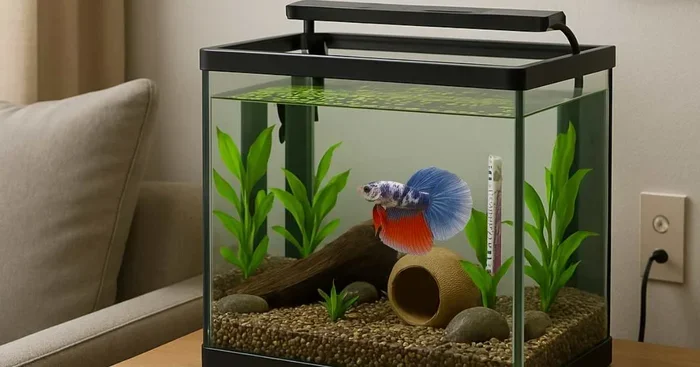
For a standard 5-gallon tank with a filter, a 25 to 30 percent water change every week or every other week works well. If your tank is smaller, like a bowl without a filter, you may need to do smaller water changes more often, around two to three times per week.
What Affects Your Cleaning Schedule?
Several things change how often you need to clean. Here are the main factors:
- Tank size: Larger tanks dilute waste better and need less frequent cleaning.
- Filter use: A good filter traps debris and hosts beneficial bacteria that break down waste.
- Number of fish: More fish means more waste and a faster buildup of toxins.
- Feeding habits: Overfeeding creates excess waste that fouls the water quickly.
- Live plants: Plants absorb some nitrates and help keep the water cleaner longer.
- Room temperature: Warmer water holds less oxygen and can speed up bacterial growth.
If you notice your betta fish water looking cloudy or smelling bad before your scheduled cleaning, do a small water change right away. Do not wait for the full clean day.
Partial Water Changes vs. Full Tank Washes
Understanding the difference between these two types of cleaning is one of the most important parts of betta fish care. Most people confuse them, and that confusion leads to problems.
Partial Water Changes
A partial water change means you remove about 25 to 30 percent of the tank water and replace it with fresh, treated water. This is the gold standard for routine aquarium maintenance. It removes built-up nitrates and waste without disturbing the entire ecosystem.
How to do a partial water change:
- Siphon out 25 to 30 percent of the water using a gravel vacuum.
- Remove debris from the gravel while you siphon.
- Replace the removed water with dechlorinated water at the same temperature.
- Check the water parameters if you have test kits available.
This method keeps your betta fish environment stable and healthy. Your betta will hardly notice the change when done correctly.
Full Tank Washes
A full tank wash means removing all the water, cleaning every surface, and starting over. You should only do this in extreme situations, such as a major algae bloom or a disease outbreak that requires a complete reset.
When you do a full wash, you risk killing the beneficial bacteria that live in your filter and substrate. These bacteria are responsible for converting toxic ammonia into less harmful substances. Without them, your betta fish can get very sick very fast.
When a full wash might be necessary:
- Heavy algae growth that covers all surfaces and cannot be controlled otherwise.
- A disease outbreak that requires a completely sterile environment to treat.
- Severe water contamination from a chemical spill or wrong water source.
- Neglected tanks with extreme ammonia or nitrite spikes.
Even then, try to save some of the old filter media and place it in the new tank water to preserve as much bacteria as possible.
Step-by-Step Guide to Washing Your Betta Fish Tank
Now that you know the difference between partial and full cleans, let us walk through the proper steps for a routine clean betta fish bowl or tank maintenance session.
Step 1: Gather Your Supplies
Before you start, make sure you have everything ready. You will need a gravel vacuum or siphon, a bucket dedicated only to fish use, a water conditioner, a thermometer, and a soft sponge or algae scraper. Never use soap or chemical cleaners on anything that touches your fish water.
Step 2: Prepare the New Water
Fill your bucket with fresh water and add a water conditioner to remove chlorine and chloramines. Let the water sit to match the tank temperature. Using aqueon water conditioner or similar products works well for this. The water should feel lukewarm, close to the temperature already in the tank.
Step 3: Remove the Old Water
Use your gravel vacuum to siphon out about 25 to 30 percent of the water. Go slowly over the gravel to suck up any debris, fish waste, or uneaten food. Pay extra attention to corners and areas under decorations where waste collects.
Step 4: Clean the Glass and Decorations
Use a soft sponge to gently scrub algae off the glass. Avoid scrubbing too hard on surfaces where beneficial bacteria grow. If you have algae on decorations, you can soak them in a bucket of tank water to loosen the growth.
Step 5: Add the New Water
Pour the treated water back into the tank slowly. Avoid disturbing the gravel too much. If your tank has a filter, make sure it is running properly after the water refill. Should i use a filter for my betta fish? Yes, a filter makes a huge difference in maintaining water quality between cleanings.
Signs Your Betta Fish Tank Needs Cleaning
Even with a set schedule, you should watch for warning signs that your tank needs attention sooner. Your betta fish will often show you when something is off.
- Cloudy water: This is one of the first signs of excess waste or bacteria blooms.
- Bad smell: A rotten or foul odor means organic waste is building up fast.
- Algae overgrowth: Green or brown algae covering surfaces signals too much light or excess nutrients.
- Your betta acting lethargic: A stressed or sick betta may stay at the bottom or hide more than usual.
- Uneaten food on the bottom: Leftover food decomposes quickly and spikes ammonia levels.
- High nitrite or nitrate readings: If you test your water and see spikes, a water change is urgent.
If you notice any of these signs, do a water change right away. Do not wait for your scheduled cleaning day. The longer you wait, the more stress it puts on your betta fish health.
Common Mistakes When Washing a Betta Fish Tank
Even experienced fish owners sometimes make mistakes during tank cleaning. Here are the most common ones and how to avoid them.
Washing Too Frequently
Some people think a spotless tank means a healthy tank. This is far from the truth. Washing your tank too often strips away the beneficial bacteria that keep your water safe. These bacteria are part of the nitrogen cycle, and they are essential for betta fish care.
Using Tap Water Without Treatment
Tap water contains chlorine and chloramines that are harmful to fish. Always use a water conditioner before adding new water to your tank. You can also use purified water or bottled spring water if your tap water quality is poor.
Replacing All the Filter Media
When you clean your filter, never replace all the media at once. Rinse some in old tank water and leave the rest alone. This preserves the bacterial colonies that do the heavy lifting in your tank.
Using Soap or Household Cleaners
This one cannot be stressed enough. Never use soap, bleach, or any household cleaner on anything that touches your fish tank. Even a tiny residue can be deadly to your betta fish. Stick to plain warm water and a soft sponge.
Ignoring the Gravel
Debris builds up in the gravel over time. If you only change the water and skip gravel cleaning, waste accumulates underneath. A gravel vacuum during every partial water change is the best way to prevent this buildup.
Expert Tips for a Clean and Healthy Betta Fish Habitat
Here are some pro tips that go beyond the basics. These small habits make a big difference in the long run.
- Feed less, not more. Overfeeding is the number one cause of dirty tanks. Feed your betta small amounts once or twice a day, and remove any uneaten food within a few minutes.
- Keep your tank out of direct sunlight. Sunlight feeds algae growth and can cause temperature swings that stress your fish.
- Add live plants if possible. Plants naturally absorb nitrates and help keep the water clean between cleanings.
- Test your water regularly. A simple test kit can catch problems before they become visible. Look for ammonia, nitrite, and nitrate levels.
- Do not overstock your tank. Even if your tank looks empty, too many fish create too much waste for the system to handle.
Following these tips consistently will save you time and keep your betta fish environment thriving. A little effort each week goes a long way toward a happy, healthy fish.
Quick Tips for Betta Fish Tank Cleaning
- Set a reminder on your phone for weekly water changes.
- Keep a dedicated bucket and siphon that never touches household chemicals.
- Match the temperature of new water to the tank water before adding it.
- Always treat water with a conditioner before pouring it into the tank.
- Clean the glass with a soft sponge, not abrasive pads.
- Never empty the entire tank unless absolutely necessary.
- Wash your hands before and after handling anything near the tank.
These quick habits will help you stay on track with your betta fish cleaning schedule. Over time, maintenance becomes quick and effortless. Most people find that a 15 to 20 minute routine every week or two keeps their tank in great shape.
Conclusion
So, how often should i wash my betta fish? The answer is clear. Stick with partial water changes every one to two weeks, save full tank washes for emergencies only, and always treat your water before adding it. Your betta fish relies on you to keep its home clean and safe. By following the tips in this guide, you will build a routine that keeps your betta fish tank healthy and your fish happy for years to come.
Remember, consistency beats perfection. A small, regular cleaning routine is far better than occasional deep cleans. Start today, and your betta will thank you with vibrant colors and active behavior. For more tips on betta fish care, check out our guide on how often do i clean a betta fish bowl to fine-tune your maintenance schedule even further.