How Often Do Male Betta Fish Eat

Male betta fish need to eat one to two times a day with small portions each time. A proper betta fish feeding schedule keeps your fish healthy, active, and full of color. Overfeeding is the most common mistake, so always watch your betta’s appetite and adjust portions accordingly.
Taking care of a male betta fish is a rewarding experience. These colorful creatures bring life and beauty to any aquarium. But one question every betta owner faces is how often should you feed them. The answer might surprise you. Many new fish keepers make the mistake of feeding too much or too often. This guide breaks down everything you need to know about your male betta’s feeding routine.
A proper betta fish feeding schedule is the foundation of good fish care. When you feed your betta the right way, you support its immune system, vibrant colors, and overall well-being. Male bettas in particular need a consistent routine because they tend to be more territorial and active. Their diet directly affects their energy levels and even their lifespan. So let’s dive into the details and make sure your betta thrives.
Key Takeaways
- Feed male betta fish once or twice daily: Small portions keep their metabolism steady and prevent health issues.
- Stick to high-quality pellets: These should form the core of your betta fish diet and provide balanced nutrition.
- Avoid overfeeding at all costs: Excess food pollutes the tank and can lead to serious health problems.
- Variety matters: Adding frozen or live foods occasionally boosts nutrition and stimulates natural hunting behavior.
- Watch for appetite changes: A sudden loss of interest in food can signal illness or stress.
- Adjust feeding as your betta ages: Older fish need smaller, less frequent meals to stay comfortable.
📑 Table of Contents
Understanding Male Betta Fish Feeding Needs
Male betta fish have unique dietary needs that differ from females and other community fish. Their bodies are built for a protein-rich diet. In the wild, bettas hunt insects, larvae, and small crustaceans. This means their digestive system is designed for frequent small meals rather than large ones. Understanding this natural behavior is the first step toward proper care.
Why Male Bettas Need a Specific Diet
Male bettas are known for their long, flowing fins and bright colors. To maintain these features, they need a diet rich in protein and certain nutrients. Their metabolism works faster than many other aquarium fish. This means they burn energy quickly and need regular fuel. A male betta diet should include a mix of dry, frozen, and live foods for the best results.
Another reason male bettas need special attention is their size. They grow to about 2.5 to 3 inches in length. Their small stomachs can only handle a limited amount of food at once. This is why portion control is so important. Many owners think feeding more means a happier fish. In reality, it often leads to the opposite outcome.
The Betta Fish Digestive System
Betta fish have a short digestive tract. This means food moves through their body quickly. They do not store nutrients for long periods like some other fish species. Because of this, a feeding routine that mimics their natural eating patterns works best. In the wild, bettas eat small amounts throughout the day.
When you how often you feed a betta fish, think about this short digestive cycle. Small meals given at regular intervals keep their system working smoothly. Large meals can sit undigested and cause bloating or constipation. This is why many experienced aquarists recommend spreading the daily food into two smaller servings.
How Often Should You Feed a Male Betta Fish
The ideal feeding frequency for a male betta fish is once or twice a day. Each meal should be small enough to eat within two to three minutes. This prevents leftover food from decaying in the tank. A consistent feeding frequency also helps regulate your betta’s behavior and appetite.
The Daily Feeding Schedule
Most experts agree on a twice-daily schedule for adult male bettas. You can feed once in the morning and once in the evening. This splits the daily food intake into two manageable portions. If you prefer a single feeding, make sure the portion is still small. Some owners skip a day each week to give their betta’s digestive system a rest. This practice can support healthy digestion and prevent waste buildup.
Young betta fish under six months old need slightly different care. They grow quickly and need more frequent meals. Juvenile bettas do well with two to three small feedings per day. As they mature, you can gradually reduce this to the standard once or twice daily routine. If you want to learn more about general betta feeding habits, check out this guide on how often you feed a betta fish for additional tips.
How Much Food Per Feeding
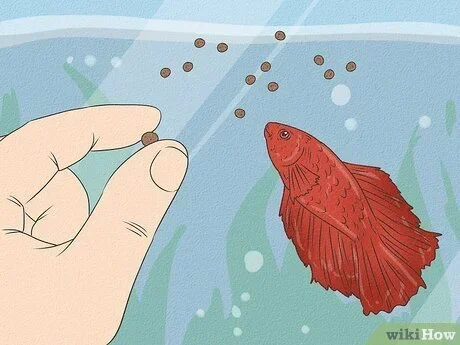
A good rule of thumb is to offer only what your betta can eat in two to three minutes. For pellets, this usually means two to four pellets per feeding. For flakes, a small pinch works well. The exact amount depends on the size of your betta and the type of food you use. Watch your fish during feeding time to get a feel for the right portion.
Overfeeding is the number one cause of health problems in betta fish. Excess food sinks to the bottom and decays. This raises ammonia levels in the tank. Poor water quality leads to stress, disease, and a shorter life. If you want your betta fish care routine to be effective, keeping portions small is key.
Best Foods for Male Betta Fish
Not all fish food is created equal. Male bettas need a diet that matches their natural protein-rich intake. Choosing the right food makes a big difference in their health, color, and energy levels. Let’s explore the best options available.
High-Quality Pellets
Betta-specific pellets should be the staple of your fish’s diet. These pellets are formulated to meet the nutritional needs of bettas. Look for brands that list fish meal or shrimp as the first ingredient. Avoid pellets that contain a lot of fillers like wheat or corn. A good pellet food provides balanced betta fish nutrition without unnecessary additives.
When you how often you feed betta fish flakes, keep in mind that flakes can lose nutritional value quickly once opened. Pellets tend to hold their nutrients better and are less likely to cloud the water. Many experienced betta owners prefer pellets as their primary food source.
Frozen and Live Foods
Frozen bloodworms, brine shrimp, and daphnia make excellent treats for male bettas. These foods are packed with protein and mimic what bettas would eat in the wild. You can feed these two to three times a week as a supplement to their regular pellet diet. Live foods are even better, but they can carry parasites. Always source them from reputable suppliers.
Some owners wonder if they can share their own food with their betta. While bettas can eat certain human foods, most are not ideal. For example, do betta fish eat peas? Yes, in small amounts, peeled and cooked peas can help with digestion. But peas should only be an occasional addition, not a main course.
Flakes Versus Pellets
Flakes are convenient and widely available, but they are not always the best choice for bettas. Flakes tend to expand in water and can cause bloating if eaten too quickly. They also dissolve faster, which can dirty the tank. Pellets, on the other hand, sink more predictably and maintain their shape longer. Many betta owners make the switch to pellets and notice an improvement in their fish’s health and waste production.
Common Feeding Mistakes to Avoid
Even the best-intentioned betta owners can fall into bad feeding habits. Knowing what to avoid saves your fish from unnecessary stress and health problems. Here are the most common mistakes and how to fix them.
Overfeeding Your Betta
Overfeeding is the biggest mistake people make. It is easy to think your fish is hungry every time you walk past the tank. But bettas have small stomachs, and too much food causes serious problems. Bloating, constipation, and swim bladder issues are all linked to overfeeding. In some cases, excess food can even shorten how long male betta fish live by degrading water quality over time.
If your betta refuses food, do not keep adding more. Remove any uneaten food within five minutes. A healthy betta can skip a meal without any harm. In fact, a short fasting period once a week can benefit their digestive system.
Inconsistent Feeding Times
Bettas thrive on routine. Feeding at random times can confuse their internal clock and disrupt their appetite. Try to feed your betta at the same times each day. This helps them feel secure and makes it easier to monitor how much they eat. Consistency also makes it simpler to spot changes in behavior that could indicate illness.
Relying Only on One Food Type
Feeding only pellets or only flakes creates nutritional gaps. Your betta needs variety to get all the vitamins and minerals it requires. Rotate between pellets, frozen foods, and occasional treats like bloodworms. This keeps mealtime interesting and supports a balanced betta fish diet. A varied diet also encourages natural hunting behavior, which keeps your betta mentally stimulated.
Signs Your Male Betta Is Eating Properly
Knowing whether your betta is getting enough food is just as important as knowing how much to feed. Healthy bettas display clear signs of good nutrition. Paying attention to these signs helps you adjust the feeding routine as needed.
Healthy Appetite Indicators
A healthy male betta will eagerly swim to the surface when it is feeding time. Its colors should be vibrant and its fins should be held open and flowing. After eating, your betta should appear satisfied and active. Regular bowel movements are another good sign that digestion is working properly.
Watch for steady growth in young fish and stable weight in adults. A well-fed betta maintains a rounded but not bloated belly. Its energy levels remain consistent throughout the day. These are all positive signs that your current feeding routine is working well.
Warning Signs to Watch For
Loss of appetite is one of the first warning signs of a problem. If your betta refuses food for more than two days, something may be wrong. Other red flags include lethargy, faded colors, clamped fins, and bloating. These symptoms can point to illness, poor water quality, or stress. In such cases, check your water parameters and consider consulting a veterinarian who specializes in fish.
Sometimes a betta spits out its food. This is normal behavior. Bettas often bite a pellet and spit it out to break it down before swallowing. However, if this happens repeatedly and your fish stops eating altogether, it is time to investigate further.
Adjusting the Feeding Routine as Your Betta Ages
As your male betta grows older, its dietary needs change. Young bettas are growing machines and need more food relative to their body size. Adult bettas settle into a maintenance phase where less food is needed. Senior bettas may become less active and require even smaller portions.
Aging bettas can also become picky eaters. If your older betta refuses pellets, try switching to a different brand or offering frozen bloodworms as an alternative. The key is to keep monitoring your fish and adjusting the routine without making sudden changes. A gradual transition works best for any dietary shift.
Remember that proper betta fish care goes beyond just feeding. Clean water, appropriate tank temperature, and low stress all contribute to a healthy appetite. When all these factors align, your male betta will thrive and bring you years of enjoyment.
A well-fed betta is a happy betta. By following a consistent betta fish feeding schedule, offering high-quality foods, and watching for warning signs, you set your fish up for a long and healthy life. Take the time to understand your betta’s needs, and you will be rewarded with a vibrant, active companion that lights up your room.
Frequently Asked Questions
How many times a day should I feed my male betta fish?
Feed your male betta fish once or twice a day with small portions. Each meal should be small enough to finish within two to three minutes. Sticking to this schedule prevents overfeeding and supports healthy digestion.
Can I feed my male betta fish once a day instead of twice?
Yes, once-a-day feeding works well for many male bettas. Just make sure the single meal is a reasonable portion. Some owners prefer this approach because it is simpler and allows a fasting day in between.
What happens if I overfeed my male betta fish?
Overfeeding causes bloating, constipation, and swim bladder problems. Excess food also decays in the tank, which raises ammonia levels and harms water quality. This can shorten your betta’s lifespan and lead to serious health issues.
Should I skip feeding my betta fish one day a week?
Yes, skipping one feeding day per week can benefit your betta’s digestive system. It helps clear out any built-up waste and gives the gut a rest. Most healthy adult bettas handle a weekly fasting day just fine.
Can male betta fish eat human food like rice or bread?
It is best to avoid feeding human food to bettas. Foods like rice and bread offer little nutritional value and can cause digestive issues. Stick to betta-specific pellets, frozen foods, and occasional treats like bloodworms for the best results.
How do I know if my male betta is eating enough?
A healthy betta eats eagerly at feeding time, maintains vibrant colors, and has a rounded but not bloated belly. If your fish refuses food for more than two days or shows signs of lethargy, check water quality and consider adjusting the diet or consulting a fish veterinarian.
=== CONCLUSION ===
Feeding your male betta fish the right way does not have to be complicated. Stick to a betta fish feeding schedule of once or twice a day, keep portions small, and offer a mix of high-quality pellets and occasional treats. Avoid the temptation to overfeed, and always watch your fish for signs of a healthy appetite. With a little consistency and attention, your male betta will stay colorful, active, and healthy for years to come. Start today by reviewing your current routine and making small improvements where needed. Your betta will thank you for it.