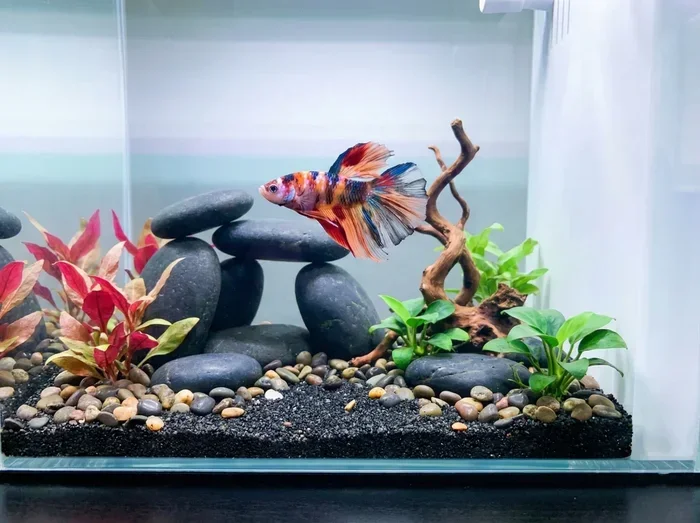
How Often Change Betta Fish Bowl

You should change your betta fish bowl water every 1 to 2 weeks to maintain a clean and healthy environment. Regular water changes remove harmful toxins like ammonia and nitrates that build up fast in small bowls. This guide covers everything from betta fish bowl maintenance to step-by-step water change routines.
Key Takeaways
- Change bowl water every 1-2 weeks: Small bowls need frequent changes to keep toxins low.
- Always use conditioned water: Tap water contains chlorine that harms betta fish.
- Match the water temperature: Sudden temperature changes stress your betta.
- Clean the bowl gently: Avoid soap and harsh chemicals during cleaning.
- Watch for warning signs: Cloudy water or lethargic fish means it is time for a change.
- Partial changes work best: Replace 25-50% of the water each time instead of all at once.
📑 Table of Contents
- How Often Change Betta Fish Bowl Water
- How Often Should You Change Betta Fish Bowl Water
- Step-by-Step Guide to Changing Betta Fish Bowl Water
- Tips for Maintaining a Clean Betta Fish Bowl
- Common Mistakes to Avoid When Changing Betta Fish Bowl Water
- Expert Insights on Betta Fish Bowl Water Changes
- Final Thoughts
How Often Change Betta Fish Bowl Water
If you own a betta fish, you probably wonder how often change betta fish bowl water needs to happen. The answer is simpler than you think. Most experts recommend a partial water change every 7 to 14 days. This keeps the water fresh and your betta healthy. Small bowls collect waste fast. Without regular changes, toxic chemicals build up quickly. Your fish could get sick or stressed. Let us walk you through everything you need to know about betta fish bowl maintenance and keeping your pet happy.
The frequency of water changes depends on a few key factors. Bowl size matters a lot. A tiny bowl needs more frequent changes than a larger one. Temperature and feeding habits also play a role. The more you feed your fish, the more waste they produce. This speeds up the buildup of harmful substances. We will cover all of these details below so you can create the perfect routine for your betta fish care schedule.
Why Regular Water Changes Matter
Betta fish live in small spaces. Unlike larger aquariums, bowls have no built-in filtration system in most cases. This means waste accumulates fast. Ammonia and nitrates rise quickly in unfiltered water. These toxins are invisible but dangerous. They damage your betta’s gills and organs over time. Regular water changes dilute these harmful substances. They also restore oxygen levels in the water. Think of it like opening a window in a stuffy room. Fresh air makes everything better. The same idea applies to your betta fish bowl.
Another reason matters just as much. Clean water keeps your betta looking vibrant. Bettas are known for their brilliant colors and flowing fins. Dirty water dulls their appearance and weakens their immune system. A consistent water change schedule helps your fish thrive and display its full beauty. It also reduces the chance of diseases like fin rot and fungal infections.
How Often Should You Change Betta Fish Bowl Water
The general rule for how often change betta fish bowl water is every one to two weeks. However, this can vary based on your setup. Let us break it down by bowl size and conditions.
| Bowl Size | Water Change Frequency | Percentage to Change |
|---|---|---|
| 1-2 gallons | Every 5-7 days | 30-50% |
| 3-5 gallons | Every 7-10 days | 25-40% |
| 5+ gallons | Every 10-14 days | 20-30% |
Small bowls under 2 gallons need the most attention. They heat up and cool down fast. Waste concentrates quickly in tiny volumes. If your bowl is on the smaller side, aim for weekly changes. A partial water change works better than a full swap. Removing all the water at once can destroy beneficial bacteria. These good bacteria help break down waste naturally. Losing them sets back your water cycle and can cause ammonia spikes.
Signs Your Betta Fish Bowl Needs Water Change
Sometimes your fish will tell you it is time. Watch for these warning signs that your betta habitat needs attention:
- Cloudy or murky water: This is the most obvious sign. Clear water should be your goal.
- Strong odor: A foul smell means waste has built up significantly.
- Lethargic behavior: If your betta stays at the bottom or barely moves, the water may be toxic.
- Loss of color: Dull or faded colors often signal poor water quality.
- Clamped fins: When a betta holds its fins close to its body, it is stressed.
- Excess algae growth: Algae blooms from nutrient imbalances in the water.
If you notice any of these signs, do a water change immediately. Waiting too long can lead to serious health problems. In severe cases, you might need to save a dying betta fish after a water change by treating the water and reducing stress factors.
Step-by-Step Guide to Changing Betta Fish Bowl Water
Changing the water in your betta bowl does not need to be complicated. Follow these simple steps for a safe and effective water change routine.
Step 1: Prepare Fresh Water
Start by filling a clean container with fresh water. Use room temperature water, ideally around 76 to 82 degrees Fahrenheit. Tap water contains chlorine and chloramine, which are harmful to bettas. You must treat the water with a dechlorinator or water conditioner. Add the conditioner according to the bottle instructions. This neutralizes the chemicals and makes the water safe. Let the treated water sit for about 15 minutes before using it. This ensures the conditioner works fully.
Step 2: Remove Your Betta Fish
Gently transfer your betta into a separate container using clean water from the bowl. A small cup or net works well. Avoid using soap or any cleaning product on the container. Residue from soap can kill your fish instantly. Keep your betta in a calm, warm spot while you clean the bowl. This minimizes stress during the process.
Step 3: Remove Old Water
Use a siphon or turkey baster to remove about 25 to 50 percent of the old water. Do not remove all of it. The remaining water preserves beneficial bacteria that support the water cycle. If there is debris on the bottom, use a gravel vacuum to remove it. Focus on areas near your betta’s favorite spots where waste tends to collect.
Step 4: Rinse the Bowl
Rinse the inside of the bowl with warm water. Never use soap, detergent, or any chemical cleaner. These substances are toxic to fish even in tiny amounts. A soft cloth or sponge works for removing algae. Rinse thoroughly until the water runs clear. The goal is to remove buildup without stripping away beneficial bacteria.
Step 5: Add Fresh Water
Pour the conditioned, room-temperature water back into the bowl slowly. Avoid pouring directly onto gravel or decorations. Use a plate or your hand to diffuse the flow of water. This prevents disturbing the substrate and stressing your betta. Then gently return your fish to the bowl. Watch your betta for a few minutes to make sure it adjusts well.
Tips for Maintaining a Clean Betta Fish Bowl
Water changes are only part of the equation. Regular maintenance keeps your bowl clean between changes. Here are some practical tips that make a big difference.
Feed Your Betta the Right Amount
Overfeeding is one of the biggest causes of dirty water. Uneaten food sinks to the bottom and decays quickly. This spikes ammonia levels fast. Feed your betta small amounts twice a day. Only give what your fish can eat within two minutes. If food falls to the bottom, remove it with a small net. Proper feeding habits directly impact how often you need to change the water. For more feeding guidance, check out our article on how often to feed betta fish.
Use a Small Filter When Possible
While bettas can survive in unfiltered bowls, a small sponge filter helps tremendously. It removes debris and supports beneficial bacteria growth. A filter reduces the frequency of water changes needed. It also keeps the water oxygenated. Bettas love calm water, so choose a filter with adjustable flow. A gentle filter makes a noticeable difference in water quality and your fish’s overall health.
Keep the Bowl Away from Direct Sunlight
Direct sunlight causes algae to grow rapidly. Algae blooms cloud the water and consume oxygen. Place your betta bowl in a spot with indirect light. A dimly lit room or a location away from windows works best. If algae still appears, clean the bowl walls gently with a soft brush during your water change routine.
Test Water Parameters Regularly
Invest in a simple liquid test kit for your aquarium water quality. These kits measure ammonia, nitrite, nitrate, and pH levels. Testing helps you catch problems before your fish shows symptoms. Ideally, ammonia and nitrite should read zero. Nitrates should stay below 20 ppm. If levels spike, do a water change right away. Regular testing gives you confidence that your betta fish environment is safe and stable.
Common Mistakes to Avoid When Changing Betta Fish Bowl Water
Even experienced fish keepers make mistakes. Here are the most common errors and how to avoid them.
Using Tap Water Without Conditioner
This is the number one mistake new betta owners make. Tap water contains chlorine and chloramine designed to kill bacteria. These chemicals also harm your fish. Always use a water conditioner before adding tap water to the bowl. Skipping this step can cause gill damage and stress within hours.
Changing All the Water at Once
Some owners dump all the old water and refill with fresh water. This is harmful because it wipes out beneficial bacteria. These bacteria are essential for breaking down waste. Losing them causes a spike in ammonia. Always do a partial change and leave at least half of the old water behind. This keeps the bacterial colony stable and your betta fish tank ecosystem balanced.
Ignoring Water Temperature
Bettas are tropical fish and need warm water. Adding cold water during a change can shock your fish. Temperature shock weakens the immune system and can be fatal. Always match the temperature of the new water to the old water. Use a thermometer if you are unsure. If you struggle with keeping the bowl warm, read our guide on how to warm a betta fish bowl for helpful solutions.
Not Cleaning the Bowl Often Enough
Some people change water too infrequently because they forget or underestimate the buildup. Set a reminder on your phone or calendar. A consistent schedule makes betta bowl maintenance effortless. After a few weeks, it becomes second nature. Your fish will reward you with vibrant colors and active behavior.
Expert Insights on Betta Fish Bowl Water Changes
Veterinarians and experienced aquarists agree on a few key principles. First, consistency beats perfection. A regular partial water change every week or two is better than occasional deep cleans. Second, always observe your fish after a water change. If your betta acts normally and eats well, the water parameters are likely good. Third, never use distilled water alone. Distilled water lacks essential minerals that bettas need. Mix distilled water with treated tap water for the best results.
Dr. Jessie Sanders, a certified aquatic veterinarian, recommends keeping a log of water changes and parameters. This helps you track patterns and catch issues early. A simple notebook or phone app works great for this purpose. Over time, you will develop a feel for your bowl’s unique needs and adjust your schedule accordingly.
If you ever need to transfer your betta during a major cleanup or bowl upgrade, check out our guide on how to transfer a betta fish to a bowl safely.
Final Thoughts
Knowing how often change betta fish bowl water is one of the most important skills for any betta owner. A clean bowl means a happy, healthy fish. Stick to a regular schedule of partial water changes every one to two weeks. Use conditioned water at the right temperature. Watch for warning signs and adjust your routine as needed. With these simple habits, your betta will thrive for years to come. Your fish deserves a clean and comfortable home. Give it the care it needs, and you will be rewarded with a beautiful, lively companion that brings joy to your day.
Remember that every bowl is different. Factors like size, temperature, feeding amount, and filtration all affect your water change frequency. Start with the guidelines above and adjust based on your own observations. The more time you spend with your betta, the better you will understand its needs. Happy fish keeping!
Frequently Asked Questions
How often should I fully clean my betta fish bowl?
A full bowl cleaning is rarely necessary. You should do a partial water change every 1 to 2 weeks instead. Full cleanings can disrupt the beneficial bacteria that keep your bowl healthy. Only do a complete clean if the water is extremely cloudy or foul-smelling.
Can I use bottled water for my betta fish bowl?
Yes, but make sure it is not distilled. Distilled water lacks minerals that bettas need. Spring water or purified water works well as long as you treat it with a conditioner. Always check the label before using any bottled water for your betta fish bowl.
How long can a betta fish go without a water change?
A betta should not go more than two weeks without a water change. In very small bowls, even one week can be too long without a change. Waste and toxins build up fast in tiny volumes. Stick to a weekly or biweekly schedule to keep your fish safe and healthy.
Do betta fish need a filter in their bowl?
Bettas can survive without a filter, but a small sponge filter greatly improves water quality. A filter reduces how often you need to change the water. It also keeps oxygen levels stable. If you use a filter, you can stretch your water change interval to every 10 to 14 days.
What happens if you don’t change betta fish bowl water often enough?
Without regular changes, ammonia and nitrates build up in the water. These toxins damage your betta’s gills, skin, and internal organs. Signs of poor water quality include lethargy, loss of color, clamped fins, and loss of appetite. In severe cases, your fish can become seriously ill or die. Always keep up with your water change schedule to prevent these problems.
Is it better to change betta fish bowl water slowly or quickly?
Slow and steady is always better. Pour new water gently to avoid stressing your betta. Rapid changes in water volume and temperature can shock your fish. Take your time during each water change. This approach keeps your betta fish environment stable and your fish calm.