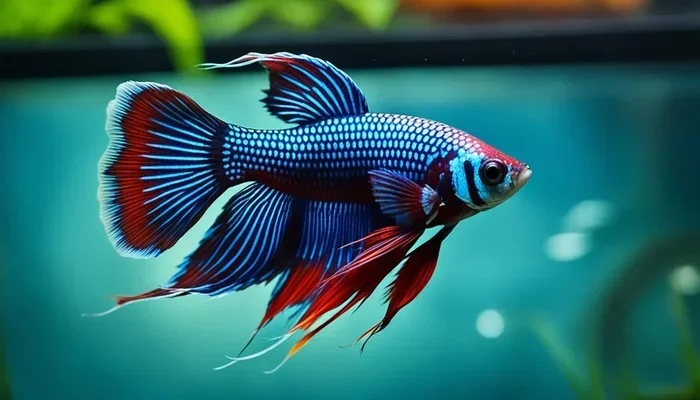
How Often Can You Breed a Male Betta Fish

Understanding how often can you breed a male betta fish is essential for any betta owner interested in breeding. Male bettas can breed roughly every 2 to 4 weeks, but their health and recovery time matter most. In this guide, you will learn the breeding cycle, rest periods, and key tips for raising fry successfully.
Key Takeaways
- Breeding Frequency: A healthy male betta can breed every 2 to 4 weeks when conditions are right.
- Rest Periods Are Critical: Male bettas need recovery time between breeding sessions to stay healthy.
- Tank Setup Matters: A proper breeding tank with warm water and hiding spots boosts success.
- Female Selection: Choosing a compatible and healthy female prevents aggression and improves fry survival.
- Fry Care Is Demanding: Raising betta fry requires dedication, proper feeding, and clean water.
- Health Monitoring: Watch for stress signs in your male betta before and after each breeding attempt.
📑 Table of Contents
- How Often Can You Breed a Male Betta Fish
- The Breeding Cycle of a Male Betta
- How Often Can You Really Breed a Male Betta
- Setting Up the Perfect Breeding Tank
- Choosing the Right Female Betta
- Common Mistakes When Breeding Male Bettas
- Expert Tips for Successful Betta Breeding
- Quick Tips for Breeding Frequency
- Conclusion
How Often Can You Breed a Male Betta Fish
Breeding betta fish is one of the most rewarding experiences for fish hobbyists. If you are curious about how often can you breed a male betta fish, the answer depends on several factors, including health, age, and tank conditions. Male bettas are known for their vibrant colors and flowing fins, but they also have a natural drive to breed.
Most male bettas can breed every 2 to 4 weeks. However, this does not mean you should breed them that often. Giving your fish proper rest between sessions is just as important as the breeding itself. In this article, we will walk you through the breeding cycle, rest periods, and best practices to keep your bettas happy and healthy.
Whether you are a beginner or a seasoned hobbyist, understanding the breeding frequency of your male betta helps you make better decisions. Let us dive into the details and explore everything you need to know about breeding male bettas.
The Breeding Cycle of a Male Betta
Male bettas go through a clear cycle when it comes to breeding. Understanding this cycle helps you determine the right timing for each session. The process starts with conditioning and ends with fry care.
Phase 1: Conditioning
Before breeding, you need to condition your male betta. This means feeding him high-quality foods to build his strength. Live foods like brine shrimp and bloodworms are ideal. You can also offer freeze-dried options. Conditioning usually lasts 1 to 2 weeks. During this time, the male will start building a bubble nest, which is a clear sign he is ready to breed.
Phase 2: Introduction
Once your male is conditioned, you can introduce a compatible female. The female should be healthy, well-fed, and showing vertical bars on her body. This is a sign she is ready to spawn. Introduce them carefully through a divider so they can see each other without direct contact at first. This reduces stress and aggression.
Phase 3: Spawning
After the female is accepted, the male will wrap around her to release eggs. This process can take several hours. The male collects the eggs in his mouth and places them in his bubble nest. Spawning is intense, so you should remove the female afterward. Male bettas can become aggressive post-spawn.
Phase 4: Fry Care
After spawning, the male focuses on caring for the eggs and fry. He keeps the nest intact and retrieves any eggs that fall. This phase lasts about 2 to 3 days until the fry become free-swimming. At that point, you should remove the male to prevent him from eating the fry.
How Often Can You Really Breed a Male Betta
Now let us address the big question: how often can you breed a male betta fish. The general rule is every 2 to 4 weeks. But this is not a hard-and-fast rule. Several factors influence how frequently you can breed your male betta.
Age and Health
A young, healthy male betta between 6 months and 2 years old can breed more frequently. Older bettas or those with health issues need longer rest periods. Always check your fish for signs of illness before breeding. Clamped fins, lethargy, or faded colors are red flags.
Recovery Time
Breeding takes a toll on a male betta. He uses a lot of energy during the spawning process and while caring for the eggs. Giving him at least 2 weeks of rest between sessions allows him to recover fully. Skipping rest periods can weaken his immune system and shorten his lifespan.
Tank Conditions
Clean, warm water promotes faster recovery. Keep the temperature between 78 and 82 degrees Fahrenheit. A stable environment reduces stress and helps your betta bounce back quicker. Poor water quality, on the other hand, can delay recovery and lead to disease.
Number of Breeding Attempts
Even if your male seems fine, limit breeding attempts to 3 or 4 times per year. This keeps him healthy and ensures strong fry. Overbreeding leads to exhausted males and weaker offspring. Quality always beats quantity when it comes to betta breeding.
Setting Up the Perfect Breeding Tank
A proper breeding tank makes a huge difference in success rates. You cannot expect great results if the environment is not right. Here is what you need for a successful breeding setup.
Tank Size
A 5-gallon tank is ideal for breeding. It gives the male enough space to build a bubble nest and gives the female room to retreat if needed. Avoid tanks smaller than 3 gallons, as they can cause stress and aggression.
Water Parameters
Keep the water warm and stable. The ideal temperature is 78 to 82 degrees Fahrenheit. Use a heater with a thermostat to maintain consistency. The pH should be between 6.5 and 7.5. Soft, slightly acidic water often works best for bettas.
Decorations and Hiding Spots
Add plants, caves, or floating logs to create hiding spots. These reduce stress and give the female a way to escape if the male becomes too aggressive. Live plants also help with water quality by absorbing ammonia and nitrates.
Lighting
Use dim lighting during the breeding process. Bright lights can stress bettas and discourage bubble nest building. A simple LED light on a low setting works well.
Choosing the Right Female Betta
The female you choose plays a big role in breeding success. Not every female is a good match for your male. Here is how to pick the right one.
Look for Vertical Bars
A female with visible vertical bars on her body is ready to breed. These are also called breeding stripes. They show that she is mature and willing to spawn. If you do not see these bars, she may not be ready yet.
Body Shape
A healthy female should have a round, slightly plump body. This indicates she is carrying eggs. Avoid females that look thin or bony, as they may not be ready to spawn.
Color and Fins
Choose a female with vibrant color and healthy fins. Dull coloration can signal stress or poor health. Matching the female to the male in size and color is also a good practice for aesthetic results.
Temperament
Some female bettas are more aggressive than others. If you notice excessive flaring or fin-nipping during introduction, remove her quickly. A calm female makes the breeding process smoother and safer for both fish.
Common Mistakes When Breeding Male Bettas
Even experienced hobbyists can make mistakes when breeding. Here are some common pitfalls to avoid.
Breeding Too Often
As mentioned earlier, breeding too frequently exhausts your male betta. This leads to health problems and weaker fry. Always allow proper rest between sessions. A tired male is less likely to build a good bubble nest or care for eggs properly.
Ignoring Water Quality
Dirty water is one of the biggest killers in betta breeding. Ammonia spikes can harm eggs and fry. Test your water regularly and do partial water changes before breeding. A clean tank is a healthy tank.
Skipping the Conditioning Phase
Some breeders rush the process and skip conditioning. This is a big mistake. A well-fed male is more likely to build a strong nest and produce healthy sperm. Spend at least a week feeding him high-quality foods before breeding.
Not Removing the Female After Spawning
Leaving the female in the tank after spawning is risky. The male may become aggressive and attack her. In some cases, the female may eat the eggs. Remove her as soon as spawning is complete to protect both the eggs and your fish.
Overcrowding the Tank
Adding too many fish or decorations can cause stress. Keep the breeding tank simple and focused. A clean, spacious tank with a few hiding spots is all you need for successful breeding.
Expert Tips for Successful Betta Breeding
Here are some expert tips to help you get the best results when breeding your male betta.
Tip 1: Watch for Bubble Nests
A bubble nest is the first sign that your male is ready to breed. He will blow small bubbles at the water surface and attach them to floating plants or objects. If you see this, your male is in breeding mode. Do not interrupt him during this phase.
Tip 2: Use a Divider
A tank divider lets the male and female see each other without direct contact. This helps them get used to each other before spawning. It also reduces the chances of unnecessary fighting. Keep the divider in place for at least 2 to 3 days before removing it.
Tip 3: Feed the Fry Properly
Once the fry become free-swimming, they need tiny foods. Infusoria, vinegar eels, or baby brine shrimp are excellent choices. Feed them small amounts multiple times a day. Uneaten food can quickly dirty the water, so be careful with portions.
Tip 4: Monitor the Male Closely
After spawning, keep a close eye on your male. He should stay near the bubble nest and care for the eggs. If he ignores the nest or looks stressed, consider removing him. A stressed male may abandon the nest or eat the eggs.
Tip 5: Plan for the Long Term
Breeding is not just about one session. Think about the long-term health of your fish. Keep a log of breeding dates and outcomes. This helps you track patterns and make better decisions in the future. Good record-keeping is a secret weapon for successful breeders.
Quick Tips for Breeding Frequency
- Wait at least 2 weeks between breeding sessions for proper recovery.
- Limit breeding to 3 or 4 times per year to keep your male healthy.
- Always condition your male with high-quality foods before introducing a female.
- Check water parameters before every breeding attempt.
- Remove the female immediately after spawning to prevent aggression.
- Watch for stress signs like clamped fins or hiding before breeding.
- Keep a breeding log to track dates and results.
Conclusion
Understanding how often can you breed a male betta fish is key to responsible fish keeping. A healthy male betta can breed every 2 to 4 weeks, but rest periods are essential. Overbreeding leads to stress, health problems, and weaker fry. By following proper conditioning, maintaining clean water, and choosing the right female, you can enjoy successful breeding sessions while keeping your fish healthy.
Always prioritize your betta’s well-being over the number of fry you produce. Patience and care go a long way in this hobby. Now that you know the facts, apply what you have learned and give your bettas the best breeding experience possible. Happy breeding!
Frequently Asked Questions
How often can a male betta fish breed in a year?
A healthy male betta can breed about 3 to 4 times per year. This gives him enough rest between sessions and keeps him in good condition. Overbreeding can lead to stress and illness, so always allow at least 2 weeks of recovery time after each spawning.
What is the best age for a male betta to breed?
The best breeding age for a male betta is between 6 months and 2 years old. At this age, they are fully mature, healthy, and have strong breeding instincts. Younger or older bettas may have lower fertility or take longer to recover after breeding.
How long does it take for a male betta to build a bubble nest?
A male betta can build a bubble nest in a few hours to a few days. Some build them quickly when they feel comfortable, while others take their time. A good bubble nest signals that the male is ready to breed and feels secure in his environment.
Can I breed my male betta with the same female multiple times?
Yes, you can breed a male betta with the same female more than once. However, it is best to give both fish a break between sessions. This helps reduce stress and gives the female time to recover her egg supply. Always monitor their behavior during reintroduction.
What should I feed my male betta before breeding?
Feed your male betta high-protein foods like live brine shrimp, bloodworms, and high-quality pellets. This conditioning phase should last 1 to 2 weeks. A well-fed male has more energy and is more likely to build a strong bubble nest and produce healthy eggs during spawning.
When should I remove the male betta after breeding?
Remove the male betta once the fry become free-swimming, usually about 2 to 3 days after spawning. At that point, he may start to see the fry as food. Removing him early protects the fry and gives you better survival rates. Keep the male in the tank only while he is caring for the eggs.