How Much Should You Feed a Betta Fish per Day
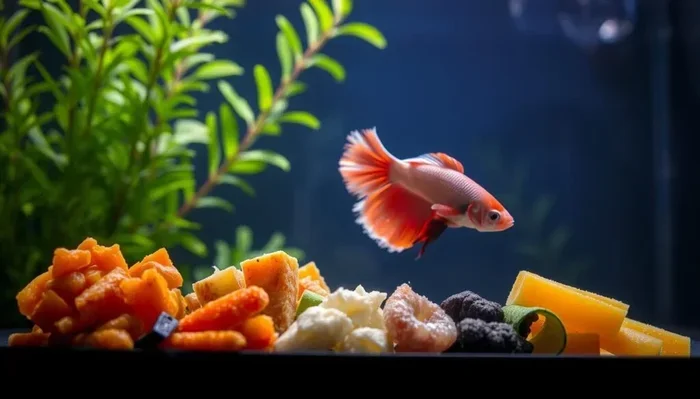
Knowing how much should you feed a betta fish per day is one of the most important things every betta owner needs to understand. A betta fish stomach is tiny, about the size of its eye, so small and frequent meals work best. Overfeeding is the biggest mistake new fish owners make, and it can lead to serious health problems.
If you own a betta fish, you have probably wondered at some point, how much should you feed a betta fish per day. It is a simple question, but the answer matters more than most people think. Feeding your betta the right amount keeps it healthy, active, and colorful. Feeding too much or too little can cause real problems. This guide breaks everything down in plain, easy-to-follow steps so you can feel confident about your betta’s daily meals.
The truth is, betta fish have small stomachs. Their stomach is roughly the size of their eyeball. That means they do not need a lot of food to stay full and healthy. Many new fish owners make the mistake of giving too much food, which leads to bloating, obesity, and dirty tank water. On the flip side, underfeeding can leave your betta weak and bored. Finding the right balance is key. And once you understand your betta’s needs, feeding time becomes easy and enjoyable for both of you.
Key Takeaways
- Feed your betta 2-3 times a day with small portions that fit in its tiny stomach.
- Overfeeding causes serious health issues like bloating, constipation, and poor water quality.
- High-quality pellets are the best staple food for daily betta nutrition.
- Watch for hunger and fullness cues to adjust portions correctly.
- Fast your betta one day a week to support digestion and prevent overfeeding.
- Variety matters — mix pellets with occasional treats like bloodworms and brine shrimp.
- A consistent feeding schedule keeps your betta healthy and reduces stress.
📑 Table of Contents
- How Much Should You Feed a Betta Fish per Day
- Understanding Your Betta Fish’s Stomach Size
- The Best Foods for Your Betta Fish
- Signs You Are Feeding Too Much or Too Little
- Creating the Perfect Feeding Schedule
- Common Feeding Mistakes to Avoid
- How Much Do Different Age Bettas Need to Eat
- How Much Does a Betta Fish Eat in the Wild vs. Captivity
- Expert Tips for Perfect Betta Feeding
- Final Thoughts
How Much Should You Feed a Betta Fish per Day
The general rule for how much should you feed a betta fish per day is simple: give them only what they can eat in two minutes. Most bettas do well with two to three small feedings per day. Each feeding should be a few pellets or a small pinch of flakes. The goal is to keep portions tiny and consistent. Think of it as snacking throughout the day rather than eating large meals.
Here is a quick breakdown of daily feeding amounts:
- Morning feeding: 2-3 high-quality pellets
- Midday feeding (optional): 1-2 pellets or a small pinch of flakes
- Evening feeding: 2-3 pellets or a small portion of frozen or live food
These amounts may vary slightly depending on your betta’s size, age, and activity level. A young, active betta might need a tiny bit more food than an older, less active one. The important thing is to start small and observe how your fish responds. You can always adjust from there.
Why Portion Control Matters So Much
Betta fish do not know when to stop eating. If you drop food into the tank, they will keep eating even when they are full. This is why portion control is entirely up to you. Uneaten food sinks to the bottom and decays, which raises ammonia levels in the water. High ammonia is dangerous and can make your betta seriously sick. By controlling portions, you protect both your fish and your water quality.
For more details on the risks of giving too much food, check out our guide on can you feed a betta fish too much. It covers the warning signs and what to do if you have been overfeeding.
Understanding Your Betta Fish’s Stomach Size
One of the best ways to understand how much should you feed a betta fish per day is to think about stomach size. A betta’s stomach is incredibly small — about the same size as its eye. This means even a few pellets can fill it up completely. Many people assume bettas need big meals because they are colorful and active fish. But their digestive systems are built for small, frequent meals in the wild.
In nature, bettas eat tiny insects, larvae, and crustaceans throughout the day. They do not get one big meal. So replicating that pattern in your home tank is the best approach. Small portions spread across two or three feedings mimic their natural eating habits and keep their digestion working smoothly.
The Role of the Betta Fish Stomach in Feeding
Because a betta’s stomach is so small, food expands inside it after it absorbs water. Pellets, especially, swell up significantly once they hit the water. This means a pellet that looks tiny before feeding can become much larger inside your betta’s stomach. That is why it is so important to soak pellets before feeding them. Soaking helps the food expand outside the tank instead of inside your fish’s belly.
Also, a betta fish stomach size directly affects how often you should feed. If you feed too much at once, the stomach stretches uncomfortably. Over time, this can lead to digestive issues and a shortened lifespan. Keep portions small, and your betta will thank you with better health and more vibrant colors.
The Best Foods for Your Betta Fish
Not all fish food is created equal. The type of food you choose plays a big role in how much and how often you should feed. High-quality betta fish food is designed to meet their specific nutritional needs. It is packed with protein, which is essential for bettas since they are carnivorous fish.
Here are the best food options for daily feeding:
- Betta pellets: The gold standard for daily feeding. Look for pellets with high protein content and minimal fillers.
- Frozen bloodworms: A great treat once or twice a week. They are rich in protein but should not replace staple food.
- Brine shrimp: Another excellent treat that bettas love. It adds variety to their diet.
- Betta flakes: Okay in a pinch, but they can be less nutritious than pellets and tend to make a mess.
- Freeze-dried daphnia: A light, healthy treat that also helps with digestion.
When choosing betta fish food, always read the ingredients. The first ingredient should be something like fish meal or shrimp meal, not wheat flour or corn. These fillers have no nutritional value for your betta and can actually cause digestive problems.
How Many Pellets Should You Feed Per Sitting
A good starting point is 2-3 pellets per feeding for an adult betta. If your betta is small or young, start with 1-2 pellets. If your betta is large and very active, you can offer up to 4 pellets per sitting. The key is to watch your fish during feeding time. If it finishes everything within two minutes, the portion is about right.
For a more detailed breakdown of pellet portions, you can read our article on how many pellets to feed a betta fish. It gives specific recommendations based on betta size and age.
Signs You Are Feeding Too Much or Too Little
Knowing how much should you feed a betta fish per day also means learning to read your fish’s body language. Bettas show clear signs when they are getting too much or too little food. Paying attention to these signs helps you adjust your feeding routine quickly.
Signs of Overfeeding
- Bloating: Your betta’s belly looks swollen or tight after eating.
- Uneaten food sinking to the bottom: Food sits in the tank longer than two minutes after feeding.
- Lethargy: Your betta is less active and spends more time resting near the bottom.
- Cloudy water: Excess food decays quickly and clouds the tank water.
- Loss of appetite: Your betta refuses food at the next feeding time.
Signs of Underfeeding
- Weight loss: Your betta looks thin or its body appears sunken on the sides.
- Faded colors: A well-fed betta should have bright, vibrant colors. Dull colors can signal malnutrition.
- Aggression or begging: Your betta may swim to the front of the tank and beg for food constantly.
- Low energy: A betta that is not getting enough food will become less active over time.
If you notice any of these signs, adjust your portions right away. It is always better to slightly underfeed than to overfeed. Bettas can go a day without food without any problems, but overfeeding can cause life-threatening issues.
Creating the Perfect Feeding Schedule
Consistency is just as important as portion size when it comes to how much should you feed a betta fish per day. Bettas thrive on routine. When you feed them at the same times each day, their bodies adjust and they become more active and responsive during feeding time. A regular schedule also helps you track how much food your betta consumes, which makes it easier to spot problems early.
Here is a sample feeding schedule you can follow:
- Morning (around 8-9 AM): Offer 2-3 pellets. Feed when the lights come on or when you start your day.
- Afternoon (optional, around 1-2 PM): Give 1-2 pellets or a small treat like a frozen bloodworm.
- Evening (around 6-7 PM): Offer 2-3 pellets. This is the main meal of the day for most bettas.
If your schedule does not allow for three feedings, two feedings are perfectly fine. Just make sure each portion is small and your betta finishes it within two minutes. For more tips on setting up a routine, our article on how often should you feed a betta fish covers this topic in greater detail.
The Importance of One Fast Day Per Week
Every betta benefits from one fasting day per week. Skipping a day of feeding gives your betta’s digestive system a chance to process and clear out any remaining food. This helps prevent constipation, bloating, and other digestive issues. Many experienced betta owners fast their fish on Sundays or Mondays. It is a simple habit that makes a big difference in long-term health.
Common Feeding Mistakes to Avoid
Even experienced betta owners can fall into bad feeding habits. Here are the most common mistakes and how to avoid them:
Overfeeding Because Your Betta Seems Hungry
Bettas are persistent beggars. They will swim to the front of the tank and flutter their fins even when they are already full. This behavior is instinctual and does not always mean they are hungry. Stick to your planned portions and resist the urge to add extra food just because your betta looks eager.
Feeding Only One Type of Food
While pellets should be the staple, relying on them alone can lead to nutritional gaps. Mixing in occasional treats like frozen bloodworms, brine shrimp, or daphnia provides variety and extra nutrients. Think of pellets as the main course and treats as the side dish.
Ignoring Uneaten Food
If your betta leaves food behind, remove it from the tank within a few minutes. Decaying food releases ammonia, which is toxic to fish. Use a small net or turkey baster to scoop up any uneaten food after each feeding session.
Feeding at Random Times
Irregular feeding schedules stress bettas and confuse their internal clocks. Try to feed at the same times every day. This consistency helps your betta stay active, healthy, and predictable during feeding time.
How Much Do Different Age Bettas Need to Eat
The amount of food your betta needs changes as it grows. A baby betta fish needs smaller, more frequent meals than an adult. A betta fry (baby) should be fed 2-3 times a day with very small portions of crushed pellets or baby brine shrimp. An adult betta does well with 2-3 feedings per day of standard pellets. And senior bettas may need slightly less food as their metabolism slows down.
Always adjust portions based on your betta’s age, size, and activity level. A young, growing betta will naturally eat more than an older, settled betta. Watching your fish closely and adjusting over time is the best approach. For more information on feeding baby bettas, check out our guide on can you feed a baby betta fish.
How Much Does a Betta Fish Eat in the Wild vs. Captivity
In the wild, bettas eat small amounts of food throughout the day. They hunt insects, larvae, and tiny crustaceans whenever they find them. This natural pattern of constant grazing is very different from the captivity setup where food is served in set meals. Understanding this difference helps you replicate a more natural feeding pattern at home.
Instead of one large feeding, try spreading small portions across the day. This keeps your betta mentally stimulated and physically healthy. It also prevents the binge-and-starve cycle that many captive bettas experience. If you want to dive deeper into this topic, our article on how much does a betta fish eat explores the differences between wild and captive feeding in detail.
Expert Tips for Perfect Betta Feeding
Here are some pro tips that experienced betta keepers swear by:
- Soak your pellets before feeding. This prevents them from expanding inside your betta’s stomach.
- Use a feeding ring. This keeps food in one place so your betta can find it easily and you can remove uneaten portions.
- Rotate food types weekly. This ensures your betta gets a broad range of nutrients.
- Do not feed right after a water change. Wait a few hours to let your betta settle back in.
- Observe your betta during every feeding. This helps you catch appetite changes early.
Following these simple tips will help you nail your betta’s feeding routine. And remember, feeding is one of the most important parts of betta care. Getting it right means a happier, healthier fish that lives a longer, more vibrant life.
For a complete overview of betta care beyond feeding, take a look at our guide on how do you care for a betta fish. It covers everything from tank setup to water parameters and beyond.
Final Thoughts
So, how much should you feed a betta fish per day? The answer comes down to small portions, consistent timing, and watching your fish closely. Two to three small feedings per day with a few pellets each time is the sweet spot for most adult bettas. Keep portions tiny, remove uneaten food, and fast your betta one day a week. These simple habits go a long way in keeping your betta healthy and happy for years to come.
Feeding your betta does not have to be complicated. Once you understand their tiny stomach size and natural eating patterns, it becomes second nature. Start with the guidelines in this article, observe how your betta responds, and adjust as needed. Every betta is a little different, and the best feeding routine is the one that fits your fish’s individual needs. Trust your instincts, stay consistent, and enjoy watching your betta thrive.
Frequently Asked Questions
How much should I feed my betta fish per day?
Feed your betta 2-3 small meals per day, with 2-3 pellets per meal. The total daily amount should be small enough that your betta finishes everything within two minutes per feeding. Adjust portions based on your fish’s size and activity level.
Can I feed my betta fish once a day instead of twice?
Yes, once a day is okay if you give a slightly larger portion. However, two smaller meals spread across the day are generally better for digestion. Some betta owners also feed three times a day with even smaller portions for optimal results.
What happens if I overfeed my betta fish?
Overfeeding causes bloating, constipation, and poor water quality. Uneaten food decays in the tank and raises ammonia levels, which is toxic to fish. Bettas are prone to overfeeding because they do not know when to stop, so portion control is entirely your responsibility.
How do I know if my betta is still hungry after feeding?
If your betta finishes all its food within one minute and still swims to the surface begging, it may still be hungry. However, begging behavior is often instinctual and does not always mean the fish needs more food. Try offering one extra pellet and see if your betta eats it within two minutes.
Should I skip feeding my betta one day a week?
Yes, fasting one day per week is highly recommended. It gives your betta’s digestive system a rest and helps prevent constipation and bloating. Most bettas are perfectly healthy skipping one day of food each week, and many owners find it easy to build into their routine.
Can I feed my betta fish flakes instead of pellets?
Flakes are okay in a pinch, but pellets are nutritionally superior for bettas. Flakes tend to fall apart quickly, make a mess, and often contain fillers that bettas do not need. High-quality betta pellets should be the foundation of your fish’s diet.
=== SEO TITLE ===
How Much Should You Feed a Betta Fish per Day
=== META TITLE ===
How Much Should You Feed a Betta Fish per Day
=== URL SLUG ===
how-much-should-you-feed-a-betta-fish-per-day