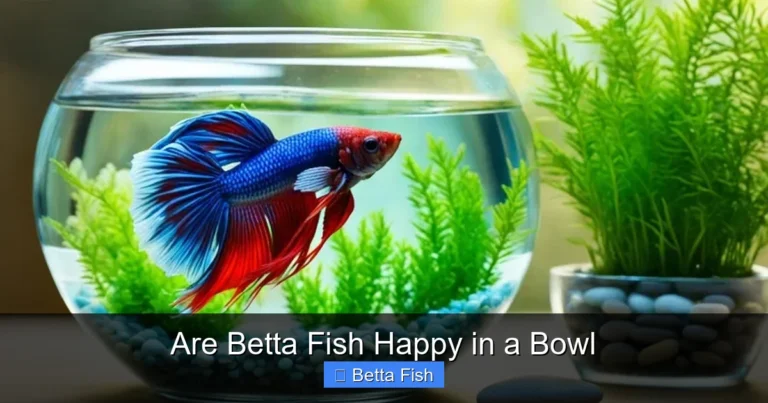
How Much Light Does a Betta Fish Require
Betta fish need about 8 to 12 hours of light per day to stay healthy and maintain their vibrant colors. The right betta fish light requirements depend on your tank setup, the type of light you use, and your fish’s natural sleep cycle. Too much or too little light can cause stress, health issues, and even changes in behavior.
Lighting might seem like a small detail in your betta fish setup, but it plays a big role in your fish’s health and happiness. Many new betta owners overlook this simple aspect of tank care and end up with a stressed or sick fish. If you have ever wondered about the betta fish light requirements, you are in the right place.
This guide covers everything you need to know about how much light does a betta fish require. We will talk about the ideal number of light hours, the best types of lights, and how to set up a schedule that works for both you and your fish. By the end, you will feel confident about getting the lighting just right.
Key Takeaways
- 8 to 12 hours of light daily is the sweet spot for most betta fish.
- LED lights are the best choice because they are energy-efficient and produce less heat.
- Too much light can cause stress, algae overgrowth, and disrupt your betta’s sleep.
- A light timer helps automate the schedule and keeps things consistent.
- Natural light from windows is not recommended because it is hard to control.
- Signs of light problems include fading colors, hiding more than usual, and erratic behavior.
- Dark periods are essential because betta fish need rest just like humans do.
📑 Table of Contents
- Understanding Your Betta Fish’s Light Needs
- How Many Hours of Light Does a Betta Fish Need
- Best Types of Light for Betta Fish Tanks
- Signs Your Betta Fish Is Getting Too Much or Too Little Light
- Setting Up the Perfect Light Schedule
- Common Mistakes With Betta Fish Lighting
- Expert Insights on Betta Fish Lighting
- Key Takeaways
- Conclusion
Understanding Your Betta Fish’s Light Needs
Betta fish come from warm, slow-moving waters in Southeast Asia. In their natural habitat, they experience a natural day and night cycle. This means they are used to a consistent pattern of light and darkness. Replicating this cycle in your home tank is one of the simplest ways to keep your betta healthy.
So, do betta fish need light at all? The answer is yes, but with limits. Betta fish need light to maintain their circadian rhythm, which is basically their internal body clock. This rhythm affects their sleep, eating habits, and overall mood. Without any light, your betta can become sluggish and lose its beautiful colors.
However, too much light causes just as many problems. In the wild, bettas spend their days in areas with dappled sunlight and shaded spots. They are not used to bright, constant light. This is why finding the right balance matters so much. A good rule of thumb is to mimic what they would experience in their natural environment.
Why Light Matters for Betta Fish
Light affects your betta fish in several important ways. First, it helps regulate their sleep-wake cycle. Betta fish need darkness to rest properly. Without a proper dark period, they can become overtired and stressed.
Second, light plays a role in coloration. A well-lit tank can bring out the vibrant reds, blues, and greens in your betta’s fins. Fish kept in dim conditions may look dull over time. This does not mean you should blast your tank with bright light, but a moderate amount helps showcase their natural beauty.
Third, light supports plant growth if you have live plants in your tank. Healthy plants contribute to better water quality, which directly benefits your betta. If you are planning a planted tank, your lighting choices become even more important.
How Many Hours of Light Does a Betta Fish Need
The ideal light duration for a betta fish is between 8 and 12 hours per day. This range gives your fish enough light to stay active and maintain its biological rhythms without overwhelming it. Most experts agree that 10 hours is a great middle ground.
Here is a simple breakdown of what different light durations mean for your betta:
- 6 hours or less: Too little light. Your betta may become lethargic and lose color.
- 8 to 10 hours: The ideal range. Your fish stays active, healthy, and vibrant.
- 12 hours: Still acceptable but monitor your fish for signs of stress.
- 14 hours or more: Too much light. This can cause stress, algae blooms, and sleep disruption.
Consistency is key. Try to keep the same light schedule every day. Betta fish thrive on routine, and sudden changes in their light exposure can throw off their internal clock. If you work irregular hours, consider using an aquarium light timer to automate the process.
It is also worth noting that how long should betta fish light be on can vary slightly depending on whether you have live plants. Plants need light for photosynthesis, so if your tank is heavily planted, you might lean toward the higher end of the range. But for a basic betta-only tank, 8 to 10 hours is perfect.
Does a Betta Fish Need Light at Night?
No. Betta fish need darkness at night to rest. Leaving the light on 24 hours a day is one of the worst things you can do for your fish. It disrupts their sleep and causes unnecessary stress. If you want to observe your fish at night, use a dim blue moonlight LED instead. These special aquarium lights let you watch your betta without disturbing their rest.
Best Types of Light for Betta Fish Tanks
Not all aquarium lights are created equal. The type of light you choose affects your betta’s comfort, your tank’s appearance, and even your water quality. Let us look at the most common options and what makes each one tick.
LED Lights
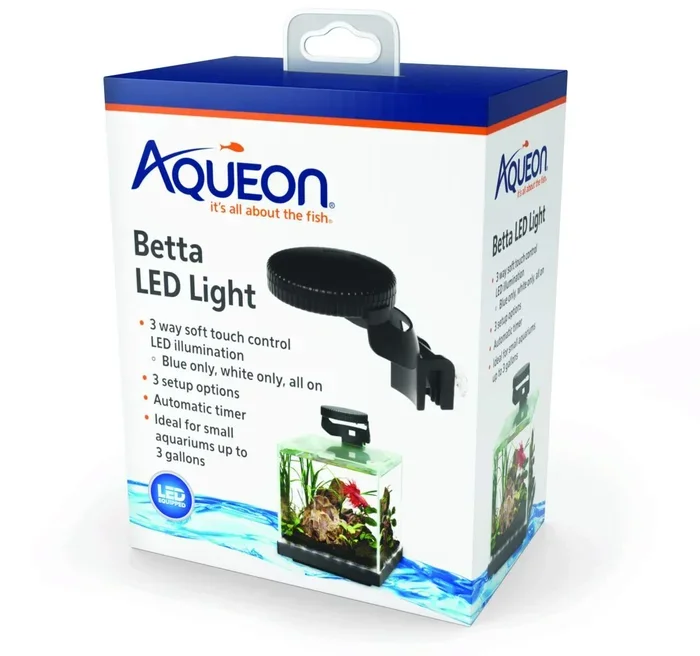
LED lights are the gold standard for betta fish tanks. They are energy-efficient, produce very little heat, and come in a wide range of colors and brightness levels. Most modern aquarium LED strips or full hoods are designed specifically for freshwater tanks and work beautifully for bettas.
One major advantage of LEDs is that you can often adjust the intensity. This means you can dim the light if your betta seems stressed or crank it up a bit if you have live plants. LED lights also last a long time, so you will not need to replace them often.
Fluorescent Lights
Fluorescent lights are another popular option. They are affordable and widely available. However, they produce more heat than LEDs and offer less control over brightness. For a basic betta tank, fluorescent lights work fine, but they are not as flexible as LED options.
Incandescent Lights
These are the old-school bulb-type lights you sometimes find on small hoods. They produce a lot of heat and are not energy-efficient. We do not recommend them for betta tanks. The excess heat can raise your water temperature to unsafe levels, and the light quality is not great for your fish or any plants you might have.
Can a Lamp Light Harm a Betta Fish?
Yes, it can. Regular household lamps are not designed for aquarium use. They may produce too much heat, emit the wrong spectrum of light, or create uneven lighting across the tank. If you are looking for a budget-friendly option, invest in a proper aquarium LED strip instead. A lamp light can harm a betta fish in ways you might not notice right away, from overheating the water to disrupting their sleep cycle.
Signs Your Betta Fish Is Getting Too Much or Too Little Light
Betta fish are good at telling you when something is off. The tricky part is learning to read the signs. Both too much and too little light can cause noticeable changes in your fish’s behavior and appearance.
Signs of Too Much Light
- Your betta hides in corners or under decorations more than usual.
- The fish appears stressed, with rapid gill movement or frantic swimming.
- Algae growth spikes quickly on tank walls and decorations.
- Your betta has trouble sleeping and seems restless at night.
- The fish’s colors seem faded or washed out.
Too much light can also lead to can you give betta fish too much light problems, which we will cover in more detail below. The key takeaway is that if your betta is avoiding the lit areas of the tank, the light is probably too intense or on for too long.
Signs of Too Little Light
- Your betta appears sluggish and stays in one spot.
- The fish’s colors lose their vibrancy and look pale.
- Your betta seems disoriented or confused about day and night.
- If you have plants, they start to wilt or turn brown.
- The fish’s sleep cycle becomes irregular.
If you notice these signs, try gradually increasing the light duration or intensity. Make changes slowly over several days so your fish has time to adjust. Sudden shifts can cause additional stress.
Setting Up the Perfect Light Schedule
Creating a consistent light schedule is one of the easiest ways to improve your betta’s quality of life. Here is how to do it step by step.
- Choose a start time. Pick a time when you are usually awake and can enjoy watching your fish. Many owners like to turn the light on in the morning, around 7 or 8 AM.
- Set the duration. Aim for 8 to 10 hours of light. If you are using a timer, set it to turn off automatically in the evening, around 7 or 8 PM.
- Use a timer. A simple outlet timer or an aquarium light with a built-in timer takes the guesswork out of the equation. You do not have to remember to flip the switch every day.
- Avoid sudden changes. If you need to adjust the schedule, do it gradually by shifting the on and off times by 15 to 30 minutes per day.
- Monitor your fish. Watch how your betta responds to the new schedule. A happy betta is active during the day and rests peacefully at night.
Should You Leave the Betta Fish Tank Light On?
Leaving the light on continuously is not a good idea. If you have ever wondered about can you leave a betta fish tank light on all the time, the answer is no. Constant light removes the natural day and night cycle that betta fish depend on. Over time, this leads to chronic stress, weakened immune function, and a shorter lifespan. Use a timer and give your fish the dark period it needs to rest and recover.
Common Mistakes With Betta Fish Lighting
Even experienced fish keepers make mistakes with lighting. Here are some of the most common ones and how to avoid them.
Placing the Tank in Direct Sunlight
It might seem convenient to put your betta tank near a window, but direct sunlight causes several problems. It heats the water unevenly, promotes massive algae growth, and creates bright spots that can stress your fish. The light from a window is also inconsistent, changing throughout the day with clouds and shade. Keep your tank in a spot with indirect light or use artificial lighting instead.
Using the Wrong Light Spectrum
Not all light is the same. Full-spectrum LED lights designed for freshwater aquariums provide the best balance of visibility and biological benefit. Avoid lights with a heavy blue or red cast, as these can distort your betta’s appearance and may not support overall health.
Ignoring the Dark Period
Some owners forget that betta fish need darkness to sleep. If your room has ambient light from a TV or streetlamp, consider covering part of the tank with a dark cloth at night. This simple step can make a big difference in your fish’s sleep quality.
Overthinking the Setup
You do not need expensive, high-tech lighting to keep a healthy betta. A basic LED aquarium light on a timer is all you need. Focus on consistency and moderation rather than chasing the most advanced setup.
Expert Insights on Betta Fish Lighting
Experienced betta keepers and aquatic veterinians agree on a few key points about lighting. First, less is often more. A dimmer, consistent light is better than a bright, fluctuating one. Second, observe your individual fish. Every betta has its own personality, and some are more sensitive to light than others.
If your betta seems to be hiding a lot or showing signs of stress, try reducing the light duration by an hour and see if things improve. Also, make sure your tank has plenty of shaded areas, like plants or decorations, where your fish can retreat if the light gets too intense. A well-designed tank gives your betta choices about where it wants to be.
One thing that often gets overlooked is the connection between light and water quality. Light fuels algae growth, and too much algae can throw off your tank’s ecosystem. This is why keeping light hours moderate not only benefits your fish directly but also helps you maintain a cleaner, healthier tank overall.
Key Takeaways
- Betta fish need 8 to 12 hours of light per day, with 10 hours being the sweet spot.
- LED lights are the best option for most betta tanks due to their efficiency and adjustability.
- Too much light causes stress, algae, and sleep disruption in betta fish.
- Too little light leads to fading colors, lethargy, and irregular behavior.
- A light timer simplifies the process and ensures consistency every day.
- Darkness is just as important as light because betta fish need rest.
- Avoid direct sunlight and household lamps as they create an unstable environment.
Conclusion
Getting the lighting right for your betta fish is simpler than it might seem. Stick to an 8 to 12 hour daily schedule, choose a quality LED light, and keep the routine consistent. Your betta will reward you with vibrant colors, active behavior, and a long, healthy life. Remember that how much light does a betta fish require comes down to balance and consistency. A little attention to your tank’s lighting goes a long way in making sure your fish thrives.
Take a moment today to check your current light setup. Is your betta getting the right amount? Are there signs of stress or algae that could point to a problem? Small adjustments can lead to big improvements. Your betta fish deserves a comfortable home, and proper lighting is one of the easiest ways to make that happen.
Frequently Asked Questions
Can a betta fish sleep with the light on?
Yes, but they should not have to. Betta fish need darkness to sleep properly. If the light stays on at night, your fish may become stressed and sleep-deprived. Use a timer to turn the light off automatically each evening.
What kind of light is best for a betta fish tank?
LED lights are the best choice for betta tanks. They are energy-efficient, produce minimal heat, and allow you to adjust brightness. Full-spectrum LEDs designed for freshwater aquariums work especially well.
Can too much light make a betta fish lose its color?
Yes, excessive light can cause stress, which often leads to fading colors. If your betta looks dull, check whether the light is too bright or on for too many hours. Reducing the light duration can help restore vibrancy.
Is natural light from a window good enough for a betta fish?
No, natural light from a window is not recommended. It is inconsistent, hard to control, and can cause temperature swings and algae blooms. Stick to artificial aquarium lighting for the best results.
How do I know if my betta fish is getting the right amount of light?
A healthy betta is active during the day and rests at night. Its colors are vibrant, and it shows interest in food and its surroundings. If your fish is hiding constantly or seems lethargic, the light may need adjustment.
Should I turn off the aquarium light during feeding?
It is not necessary to turn off the light during feeding. In fact, a little light helps you see your betta eat and monitor its appetite. Just make sure the light is part of a consistent daily schedule.