How Much Food Should I Give a Betta Fish

Knowing how much food should i give a betta fish is essential for keeping your fish healthy and happy. A betta fish stomach is roughly the size of its eye, so small and frequent meals work best. This guide covers portions, food types, feeding frequency, and common mistakes to avoid.
Getting the betta fish feeding amount right is one of the simplest yet most important things you can do for your pet. Many fish owners worry about this, and honestly, it is not as complicated as it seems. Once you understand your betta’s stomach size and nutritional needs, feeding becomes easy.
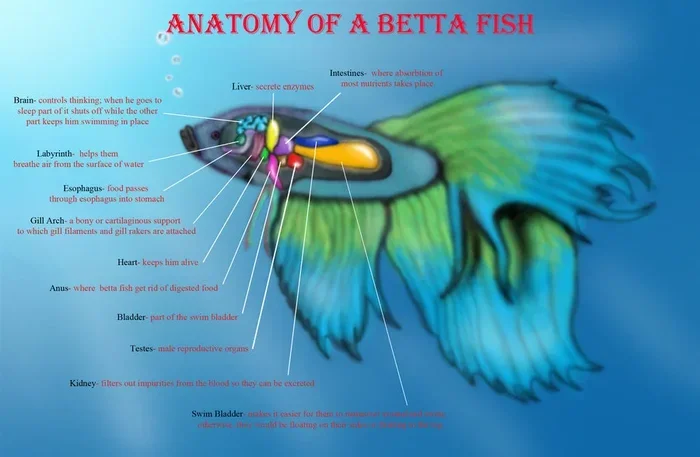
A betta fish stomach is incredibly small. It is about the same size as the fish’s eyeball. This means how much food should i give a betta fish is a question with a very specific answer: less than you probably think. Overfeeding is the number one mistake new betta owners make. It can lead to bloating, constipation, and even serious health problems that shorten your fish’s lifespan.
In this complete guide, we will walk you through everything you need to know. We will cover the right portion sizes, the best types of food, how often to feed, and how to spot signs of feeding problems. Whether you are a complete beginner or have had bettas for years, you will find useful tips here.
Key Takeaways
- Small Portions Matter: Feed your betta an amount roughly equal to the size of its eyeball per meal.
- Feed 1-2 Times Daily: A consistent betta fish feeding schedule keeps your fish healthy and prevents overeating.
- Quality Food Is Key: Use high-quality pellets and occasional treats like frozen or live food for the best betta fish nutrition.
- Watch for Warning Signs: Both overfeeding and underfeeding have clear symptoms you can spot early.
- Fast Your Fish Weekly: Skipping one meal per week helps prevent digestive issues and keeps your betta’s betta fish appetite strong.
- Avoid Regular Fish Food: Betta fish food is specially formulated to meet your fish’s unique dietary needs.
📑 Table of Contents
How Much Food Should I Give a Betta Fish
The golden rule for proper betta fish feeding is simple: give your fish only what it can eat in two minutes. This is the standard recommended by most fish experts. Here is how that looks in practice:
- Adult Betta Fish: Feed 2-3 pellets or a small pinch of food per meal. The amount should be roughly the size of the fish’s eyeball.
- Baby Betta Fish: Feed smaller amounts 3-4 times a day. Their stomachs are even tinier, so portion control matters even more.
- Frozen or Live Food: Thaw frozen food before feeding. Give an amount similar to what you would offer pellets.
Why Portion Size Matters So Much
Betta fish have tiny digestive systems that are not built for large meals. When you give your fish too much food at once, the excess sits in the tank and starts to decompose. This spikes ammonia levels, which is dangerous for your fish. Overfeeding betta fish is far more harmful than underfeeding.
Many people think a full belly means a happy fish. That is not true. Betta fish will eat almost anything you put in front of them. This is because they are natural scavengers. Just because your fish is begging for more does not mean it needs more. Trust the two-minute rule and stick to it consistently.
If you want a more precise guide, check out our detailed article on how much food should I feed my betta fish for even more specific measurements based on food type.
Best Types of Food for Betta Fish
Not all fish food is created equal. Bettas are carnivores, which means they need a diet high in protein. Here is a breakdown of the best betta fish food types and what makes each one valuable:
| Food Type | Protein Content | Best For | Feeding Frequency |
|---|---|---|---|
| High-Quality Betta Pellets | 30-45% | Daily staple | Every day |
| Frozen Bloodworms | High | Treat or supplement | 2-3 times per week |
| Frozen Brine Shrimp | High | Treat or supplement | 1-2 times per week |
| Live Food (Mosquito Larvae) | Very High | Occasional treat | Once a week |
| Flakes | Low to Medium | Not recommended | Avoid |
Betta Pellets: The Staple Diet
Betta fish pellets should make up the bulk of your fish’s diet. Look for pellets that are specifically formulated for bettas. These are designed to float, which is perfect because bettas prefer to eat from the surface. Avoid generic fish pellets, as they often lack the protein levels bettas need.
When choosing pellets, check the ingredients list. The first ingredient should be a named protein source like fish meal or shrimp. Avoid pellets with lots of fillers like corn or wheat. These offer little nutritional value and can cause digestive problems.
Frozen and Live Food as Treats
Frozen bloodworms and brine shrimp make excellent treats. They add variety to your betta’s diet and boost protein intake. You can also offer live food like mosquito larvae or daphnia occasionally. These mimic what bettas would eat in the wild and can really bring out their natural hunting behavior.
Remember, treats should only make up about 10-20% of the total diet. The rest should come from quality pellets. If you are wondering whether you can share your regular fish food with your betta, read our article on can I give regular fish food to a betta for more details.
How Often Should You Feed a Betta Fish
Frequency is just as important as portion size when it comes to betta fish nutrition. The ideal betta fish feeding schedule depends on your fish’s age and activity level. Here is what works best for most bettas:
- Adult Bettas: Feed once or twice a day. Many experienced owners prefer once a day with one fasting day per week.
- Young Bettas (Under 6 Months): Feed twice a day with small portions. Growing fish need more frequent meals.
- Senior Bettas (Over 2 Years): Feed once a day or every other day. Their metabolism slows down with age.
The Importance of a Fasting Day
Giving your betta a fasting day once a week is highly recommended. This gives the digestive system a break and helps prevent constipation and bloating. Many betta owners worry about skipping a meal, but fish are built to handle occasional fasting. In fact, wild bettas sometimes go days without eating between feeding opportunities.
A weekly fast also helps reset your fish’s betta fish appetite. Fish that eat every single day can become picky or overeat. A fasting day keeps them hungry and enthusiastic about their next meal.
If you want a deeper dive into feeding frequency, our article on how often do I feed a betta fish covers this topic in great detail.
Signs Your Betta Fish Is Getting Too Much or Too Little Food
Reading your betta’s body language is one of the best skills you can develop as a fish owner. Your fish will tell you when something is off with its betta fish diet. Here are the key signs to watch for:
Signs of Overfeeding
- Bloating: The fish’s belly looks swollen or puffy after eating.
- Constipation: Your betta produces long, stringy white feces. This is a clear sign of digestive issues.
- Lethargy: An overfed betta becomes less active and spends more time resting near the bottom of the tank.
- Uneaten Food Sinking: If food sits at the bottom of the tank for more than a few minutes, you are giving too much.
- Water Cloudiness: Excess food decomposes quickly and can make the water cloudy and foul-smelling.
Signs of Underfeeding
- Weight Loss: The fish looks thin or its body appears sunken on the sides.
- Low Energy: An underfed betta may become less responsive and hide more often.
- Color Fading: Poor nutrition can cause your betta’s vibrant colors to dull over time.
- Aggressive Behavior: Some bettas become more aggressive at feeding time when they are genuinely hungry.
Most betta owners tend to overfeed rather than underfeed. If you notice any of the overfeeding signs, reduce the portion size immediately. Give your fish a fasting day and monitor its behavior closely.
Quick Tips for Perfect Portions Every Time
Getting the right betta fish portion size every time is easier than you think. Here are some practical tips that make a huge difference:
- Use a Small Pinch Method: Pre-measure a small amount of pellets in your fingers. Drop them gently near your betta’s mouth.
- Set a Timer: Give your fish two minutes to eat. If food is still floating after two minutes, you gave too much.
- Remove Uneaten Food: Use a small net or turkey baster to remove any uneaten food within five minutes of feeding. This keeps the water clean.
- Soak Pellets First: Dry pellets expand in water. Soaking them for a few seconds before feeding prevents them from expanding inside your fish’s stomach.
- Vary the Diet: Rotate between pellets, frozen bloodworms, and brine shrimp to keep your betta healthy and interested in food.
How to Know If Your Feeding Routine Is Working
A well-fed betta fish is active, colorful, and has a healthy appetite. If your fish swims eagerly to the surface when it sees you, that is a great sign. A healthy betta should also produce regular, solid waste that sinks to the bottom of the tank. These are small indicators that your betta fish eating habits are on track.
Consistency is the key to success. Try to feed your betta at the same times every day. Bettas thrive on routine, and a predictable feeding schedule helps reduce stress. This also makes it easier to monitor how much your fish is actually consuming each day.
Final Thoughts on Feeding Your Betta Fish
Feeding your betta fish might seem like a simple task, but getting it right has a huge impact on your fish’s health and lifespan. The main takeaway is this: less is more when it comes to how much food should i give a betta fish. Small portions, consistent schedule, and high-quality food are the three pillars of proper betta care.
Remember that every fish is a little different. Some bettas are more active and need slightly more food. Others are lazy and do well with very small portions. Watch your individual fish, adjust as needed, and do not be afraid to skip a meal. Your betta will thank you with vibrant colors, energetic swimming, and a long, healthy life.
For more tips on betta fish care and creating the best environment for your fish, explore our other resources on betta fish health and nutrition. Your fish depends on you for its well-being, and a little knowledge goes a long way in making sure your betta thrives for years to come.
Frequently Asked Questions
How much should I feed my betta fish per meal?
Feed your betta an amount equal to the size of its eyeball, or 2-3 small pellets. The fish should finish all the food within two minutes. If food is left over, you gave too much. Adjust the portion down slightly at the next feeding.
Can I feed my betta fish once a day?
Yes, feeding once a day works perfectly for most adult bettas. Many experienced fish keepers prefer this schedule because it allows for a weekly fasting day. Just make sure the single meal is high in quality and gives your fish enough nutrition for the day.
What happens if I overfeed my betta fish?
Overfeeding can cause bloating, constipation, and poor water quality. Uneaten food decays in the tank and raises ammonia levels, which is toxic to fish. Symptoms include a swollen belly, stringy white waste, and lethargy. If this happens, stop feeding for a day and monitor your fish closely.
How long can a betta fish go without food?
A healthy adult betta can go 3-5 days without food without any problems. In fact, a weekly fasting day of 24 hours is beneficial for digestion. However, do not skip feedings for young or sick bettas, as they need regular nutrition to stay healthy.
Should I skip feeding my betta fish sometimes?
Yes, skipping one feeding per week is actually recommended. This gives your betta’s digestive system a rest and helps prevent constipation. Many betta owners schedule a fasting day every Sunday. Your fish will be perfectly fine and may even benefit from the break.
Can baby betta fish eat the same food as adults?
Baby bettas can eat the same types of food but in much smaller portions. Crush pellets into tiny pieces or use specially formulated baby betta pellets. Feed young bettas 3-4 times a day with very small amounts to support their rapid growth and development.