How Much Days Do Boy Betta Fish Last

So, how much days do boy betta fish last? On average, a male betta fish lifespan ranges from 2 to 5 years in captivity. Their betta fish care routine, tank environment, diet, and overall health play huge roles in determining how long they thrive. With proper attention, some lucky fish keepers enjoy their companions for well over 5 years.
Key Takeaways
- Average Lifespan: Male betta fish typically live 2 to 5 years with proper care.
- Tank Size Matters: A minimum 5-gallon tank greatly improves betta fish longevity.
- Water Quality: Regular water changes and proper temperature control are essential.
- Diet & Nutrition: A balanced diet of high-quality pellets and occasional treats supports a longer life.
- Common Threats: Disease, stress, and poor habitat conditions are the top killers.
- Wild vs. Captivity: Betta fish in the wild rarely live as long as those in well-maintained tanks.
- Proactive Care: Routine monitoring and early intervention can add years to your fish’s life.
📑 Table of Contents
- How Much Days Do Boy Betta Fish Last? The Complete Lifespan Guide
- What Is the Average Male Betta Fish Lifespan?
- Factors That Affect How Long Boy Betta Fish Last
- Common Mistakes That Shorten Betta Fish Lifespan
- How to Maximize Your Boy Betta Fish’s Lifespan
- Recognizing Signs of a Healthy vs. Declining Betta Fish
- How Long Do Betta Fish Live in Different Conditions?
- Understanding Betta Fish Disease and Prevention
- Do Betta Fish Sleep? Understanding Their Behavior
- The Role of Genetics in Betta Fish Longevity
- How Do You Know a Betta Fish Is Dying?
- Conclusion
How Much Days Do Boy Betta Fish Last? The Complete Lifespan Guide
If you’re a betta fish owner or thinking about becoming one, you probably wonder about the how much days do boy betta fish last. The honest answer is that male betta fish can live a surprisingly long time when their needs are met. But too many fish keepers lose their bettas prematurely because of simple mistakes. This guide breaks down everything you need to know about male betta fish lifespan, what affects it, and how you can help your fish live its best life.
Betta fish are stunning creatures. Their flowing fins and bold colors make them one of the most popular aquarium fish in the world. But behind that beauty lies a creature that needs proper care, attention, and a suitable environment. Understanding the betta fish lifespan is the first step toward responsible fish keeping. Let’s dive deep into what determines how long these amazing fish survive and what you can do to maximize their years.
What Is the Average Male Betta Fish Lifespan?
On average, a male betta fish lives between 2 and 5 years in captivity. Some dedicated fish keepers have reported their bettas living beyond 5 years, though this is relatively rare. The betta fish longevity depends on several factors, including genetics, diet, environment, and overall care quality.
When people ask, “how long do boy betta fish last,” they’re usually surprised by the range. A betta that only lives 6 months or a year often suffered from poor conditions. Meanwhile, a well-cared-for betta routinely hits the 3 to 4-year mark. Let’s look at what separates a short life from a long one.
Captivity vs. Wild Lifespan
In the wild, betta fish face predators, fluctuating water conditions, food scarcity, and disease. Their how long do betta fish live in the wild is typically much shorter than in captivity. Wild bettas often survive only 1 to 2 years due to these harsh realities. In contrast, a pet betta living in a well-maintained tank benefits from stable temperatures, regular feeding, and protection from predators.
This is why understanding betta fish lifespan in captivity matters so much. When you bring a betta home, you take on the responsibility of providing conditions that can far exceed what nature offers.
Factors That Affect How Long Boy Betta Fish Last
Several key factors determine whether your male betta fish will live a short life or a long one. Let’s break them down so you know exactly what to focus on.
1. Tank Size and Environment
One of the biggest mistakes new keepers make is housing bettas in tiny bowls. A betta needs space to swim and explore. The how much space does a betta fish really need is at least 5 gallons for a single male betta. Smaller containers lead to stress, toxin buildup, and stunted growth.
Here’s a quick comparison of tank sizes and their impact on betta fish health:
- Under 1 gallon (bowl): Extremely harmful. High ammonia levels, no room to swim. Lifespan drops to months.
- 1 to 3 gallons: Slightly better but still inadequate. Temperature control is difficult. Stress is common.
- 5 gallons: The minimum recommended size. Stable water parameters and enough room for enrichment.
- 10 gallons or more: Ideal for experienced keepers. Allows for more complex aquascaping and stable conditions.
A larger tank with proper filtration and heating dramatically improves betta fish survival. If you want your male betta to reach its full lifespan potential, invest in the right tank from day one.
2. Water Quality and Temperature
Bettas are tropical fish. They need warm water between 76°F and 82°F (24°C to 28°C). Cold water weakens their immune system and leads to disease. Betta fish water quality is non-negotiable if you want long life.
Here are the essential water parameters to monitor:
- Temperature: 76°F to 82°F consistently.
- pH: 6.5 to 7.5 (slightly acidic to neutral).
- Ammonia: 0 ppm (toxic even in small amounts).
- Nitrite: 0 ppm (highly toxic).
- Nitrate: Below 20 ppm (keep it low with regular water changes).
Perform 25% to 50% water changes weekly. This keeps harmful compounds from building up. Many people ask, how many days to change water for betta fish, and the answer is consistent weekly changes work best. Skipping water changes is one of the fastest ways to shorten your betta’s life.
3. Diet and Nutrition
What you feed your betta directly impacts its betta fish health and longevity. Bettas are carnivorous. They need protein-rich foods. Many owners make the mistake of feeding their bettas flake food designed for tropical community fish. This lacks the nutrition bettas specifically need.
Here’s a solid diet plan for a long-lived male betta:
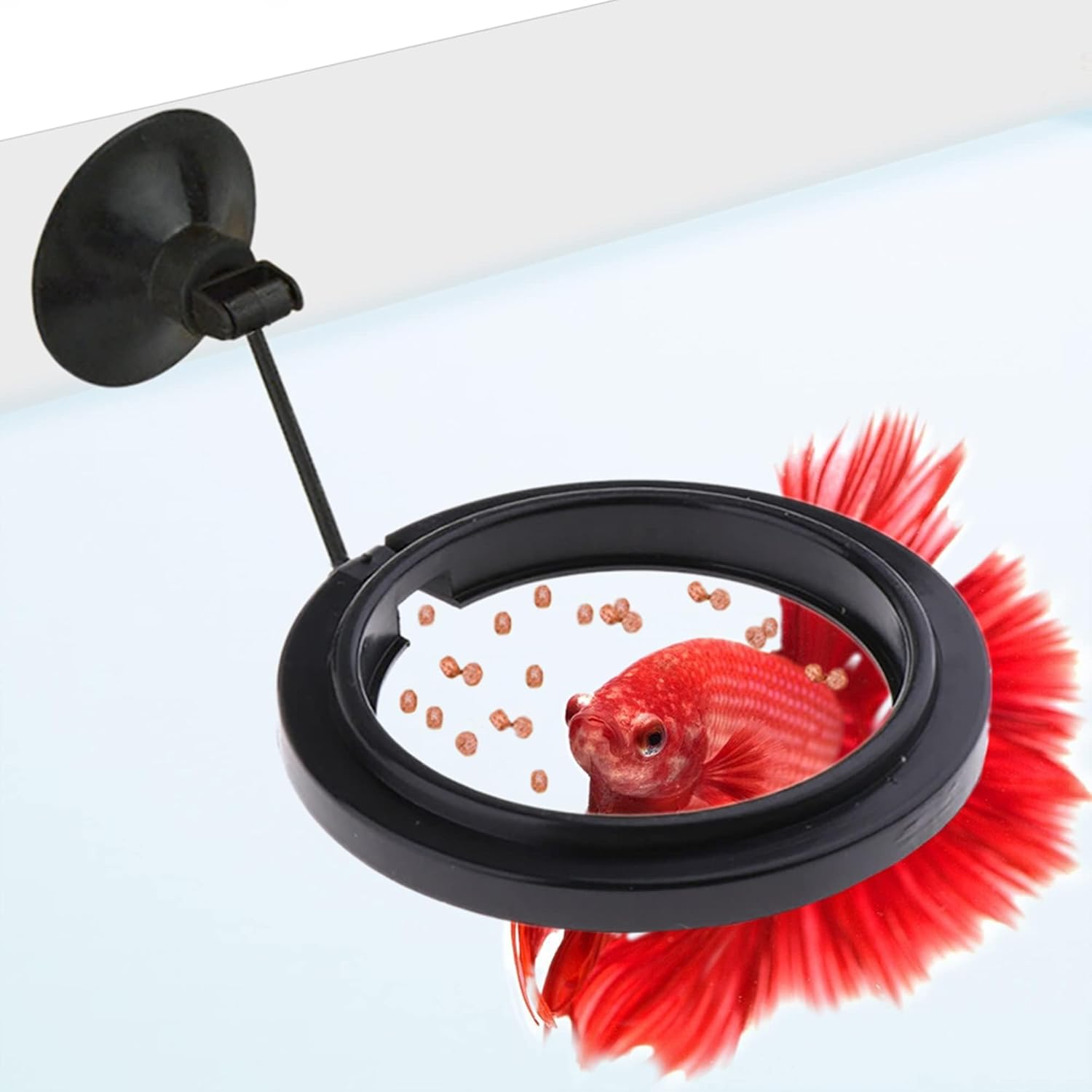
- High-quality pellets: Formulated specifically for bettas. Feed 2 to 3 pellets, 1 to 2 times daily.
- Frozen or live bloodworms: Excellent protein source. Use as a treat 2 to 3 times per week.
- Frozen brine shrimp: Great for variety and enrichment.
- Daphnia: Helps with digestion and is low in fat.
Avoid overfeeding. Uneaten food rots in the tank and poisons the water. If you’re ever unsure about portions, check our guide on how much does a betta fish eat for detailed feeding recommendations. A proper diet supports betta fish aging gracefully and keeps your fish active and colorful.
4. Stress and Environment Enrichment
Stress silently kills betta fish. Male bettas are territorial by nature. They need a tank that allows them to establish a comfortable territory without constant confrontation. Adding plants (real or silk), caves, and driftwood gives your betta places to explore and rest. This kind of betta fish environment enrichment reduces stress and promotes natural behavior.
Avoid housing male bettas together. They will fight, often to the death. Even in large tanks, two male bettas will clash. Female bettas can sometimes be kept in groups (called a sorority), but this requires careful planning and a larger tank.
Common Mistakes That Shorten Betta Fish Lifespan
Knowing what goes wrong helps you avoid those pitfalls. Here are the most common common mistakes that cut a male betta’s life short:
- Keeping them in tiny bowls: This is the number one killer. Small containers offer no filtration, no heating, and almost no space.
- Ignoring water changes: Dirty water leads to ammonia burns, fin rot, and infections.
- Overfeeding: Obesity and water pollution go hand in hand with overfeeding.
- Cold water exposure: Room temperature water is often too cold for tropical bettas, especially in winter.
- Rough tank mates: Housing bettas with aggressive or nippy fish causes chronic stress.
- Ignoring disease signs: Early intervention is critical. Waiting too long often means it’s too late.
How to Maximize Your Boy Betta Fish’s Lifespan
Now that you know the threats, let’s focus on what you can do right now to add years to your betta’s life. These practical tips are based on experienced fish keepers who have seen their male bettas thrive well beyond the average.
Quick Tips for a Longer-Lived Betta
- Use a heater with a thermostat to maintain stable temperature.
- Cycle your tank before adding your betta (this takes 4 to 6 weeks).
- Feed a varied, high-quality diet with occasional live or frozen treats.
- Watch for signs of illness daily: clamped fins, discoloration, lethargy, or rapid breathing.
- Add enrichment like live plants and hiding spots.
- Keep the tank away from direct sunlight and drafty areas.
- Quarantine new plants or decorations before adding them to the main tank.
Expert Insights on Betta Longevity
Experienced breeders and aquatic veterinarians consistently emphasize that betta fish care is the foundation of longevity. Dr. Linda Cole, a well-known aquatic veterinarian, has noted that most betta health problems in captivity stem from environmental stress rather than genetics. This means that what you do as an owner matters far more than the fish you buy.
Another expert insight focuses on the importance of betta fish tank cycling. A cycled tank has beneficial bacteria that break down ammonia and nitrite. Without these bacteria, your betta is essentially living in a toxic environment, even if the water looks clean. Patience during the setup phase pays off enormously in the long run.
Recognizing Signs of a Healthy vs. Declining Betta Fish
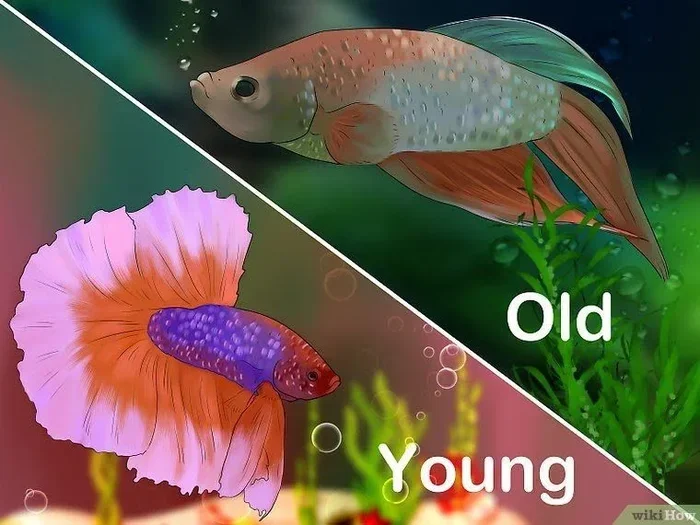
Part of understanding how long do betta fish live involves knowing what a healthy betta looks like. Early detection of problems can save your fish’s life.
Signs of a Healthy Betta
- Bright, vibrant colors.
- Flowing, unfrayed fins.
- Active and curious behavior.
- Good appetite and regular eating habits.
- Clear, bright eyes.
- Responds to its environment (notices food, reacts to movement).
Warning Signs of Decline
- Faded or dull coloring.
- Clamped fins (fins held close to the body).
- Lethargy or floating near the surface.
- Loss of appetite.
- White spots, rashes, or torn fins.
- Rapid or labored breathing.
If you notice any warning signs, act immediately. Check your water parameters first. Then consider treatments like salt baths or medicated baths depending on the issue. The faster you respond, the better the outcome.
How Long Do Betta Fish Live in Different Conditions?
To put things into perspective, here’s a comparison of betta fish lifespan under various living conditions:
Comparison Table: Betta Fish Lifespan by Condition
| Condition | Average Lifespan |
|---|---|
| Pet store bowl (no heater, no filter) | 6 months to 1 year |
| Small unfiltered tank (1-3 gallons) | 1 to 2 years |
| Properly maintained 5-gallon tank | 3 to 5 years |
| Well-cycled 10-gallon tank with enrichment | 4 to 6+ years |
| Wild (natural habitat) | 1 to 2 years |
As you can see, the difference between a neglected betta and a well-cared-for betta is dramatic. Proper betta fish maintenance can literally double or even triple your fish’s lifespan.
Understanding Betta Fish Disease and Prevention
Disease is one of the biggest threats to male betta fish lifespan. Knowing the most common illnesses and how to prevent them is critical.
Common Betta Fish Diseases
- Fin Rot: Caused by poor water quality. Fins appear ragged or discolored. Treat with water changes and antibacterial medication.
- Ich (White Spot Disease): Appears as tiny white spots on the body and fins. Raise temperature gradually and use anti-parasitic treatment.
- Dropsy: A serious condition where the fish swells with fluid. Often fatal. Prevention through good water quality is key.
- Velvet Disease: A parasitic infection that creates a gold-dust appearance. Requires prompt anti-parasitic treatment.
- Swim Bladder Disorder: Causes difficulty swimming. Often caused by overfeeding or poor diet.
Prevention is always better than cure. Maintain clean water, feed quality food, and avoid stressors. If you need to treat a sick betta, consider how to cure a sick betta fish for step-by-step treatment guides.
Do Betta Fish Sleep? Understanding Their Behavior
Many owners wonder about their betta’s daily habits. How do betta fish sleep at night? Bettas do sleep. They often rest near plants or on the substrate. Their eyes remain partially open since fish don’t have eyelids. Don’t confuse sleeping with illness. A sleeping betta will still respond to food and movement, just more slowly.
Understanding normal betta fish behavior helps you spot when something is wrong. If your betta is suddenly inactive and not eating, that’s a cause for concern. But a betta resting peacefully at the bottom of the tank during nighttime hours is perfectly normal.
The Role of Genetics in Betta Fish Longevity
While care is the biggest factor, genetics also play a role. Bettas bought from reputable breeders tend to live longer than those from mass-production pet stores. This is because reputable breeders focus on healthy bloodlines and proper early development. Pet store bettas often come from overcrowded tanks with unknown health histories.
If possible, research the breeder before purchasing. Look for reviews and ask about health guarantees. A healthy start gives your betta a better foundation for a long life. This ties into the broader topic of how long pet stores keep betta fish, which often reveals that store-bought fish may already be stressed or weakened before they even reach your home.
How Do You Know a Betta Fish Is Dying?
This is a difficult but important question. Knowing the signs helps you make informed decisions about your fish’s comfort. Common signs that a betta may be nearing the end of its life include:
- Complete loss of appetite over several days.
- Persistent lethargy and unresponsiveness.
- Severe color fading, especially in a healthy fish.
- Inability to swim or maintain buoyancy.
- Rapid breathing or gasping at the surface.
- Isolation and hiding in corners.
If you’re ever unsure about your betta’s condition, consult an aquatic veterinarian or experienced fish keeper. Sometimes a simple water change or diet adjustment can turn things around. Other times, you may need to focus on making your fish comfortable during its final days.
Conclusion
So, how much days do boy betta fish last? The answer is clear: with proper care, a male betta fish can live 2 to 5 years, sometimes longer. The how long do betta fish last timeline depends almost entirely on the environment and attention you provide. From tank size and water quality to diet and enrichment, every decision you make impacts your betta’s lifespan.
Avoid common pitfalls like small bowls, overfeeding, and neglecting water changes. Instead, invest in a properly cycled tank, a quality diet, and regular monitoring. Your male betta deserves the best chance at a long, vibrant life. Apply these tips today, and you’ll be rewarded with a beautiful, healthy companion for years to come.
The betta fish lifespan is in your hands. Give your fish the care it deserves, and enjoy every moment watching it thrive.
Frequently Asked Questions
How much days do boy betta fish last on average?
Male betta fish typically live between 730 and 1,825 days (2 to 5 years) in captivity. Their exact lifespan depends on tank conditions, diet, water quality, and overall care. With excellent care, some male bettas have lived beyond 5 years, though this is uncommon.
What is the main factor affecting how long boy betta fish last?
Water quality and tank conditions are the single biggest factors. A betta living in a properly cycled, heated, and filtered 5-gallon tank will far outlast one kept in a small bowl. Regular water changes, stable temperature, and a clean environment are essential for maximizing betta fish longevity.
Can a boy betta fish live more than 5 years?
Yes, but it’s rare. Some male bettas have been documented living 6 to 7 years under exceptional care. This requires pristine water conditions, a perfect diet, low stress, and favorable genetics. Most male bettas reach their full potential within the 3 to 4-year range with good care.
Why do betta fish die so quickly in small bowls?
Small bowls lack filtration, heating, and adequate space. Ammonia and nitrite build up rapidly in tiny volumes of water, poisoning the fish. Cold water weakens the immune system. The result is stress, disease, and early death. A betta in a bowl often lives only a few months instead of years. If you want your betta fish survival to be maximized, upgrade to at least a 5-gallon tank.
Does feeding live food help boy betta fish last longer?
Live or frozen foods like bloodworms, brine shrimp, and daphnia provide excellent nutrition and enrichment. They mimic a betta’s natural diet and support vibrant color and strong immunity. However, they should complement high-quality pellets, not replace them entirely. A varied, balanced diet directly supports betta fish health and can contribute to a longer life.
How can I tell if my boy betta fish is healthy and likely to live long?
A healthy male betta displays bright colors, flowing fins, active swimming, and a strong appetite. It responds to its surroundings and maintains good buoyancy. Regular monitoring of water parameters (ammonia at 0, nitrite at 0, nitrate below 20 ppm, temperature at 76-82°F) ensures a stable environment. If your betta shows these signs, it’s on track for a strong betta fish lifespan in captivity.