How Much Algae Is.okay for Betta Fish
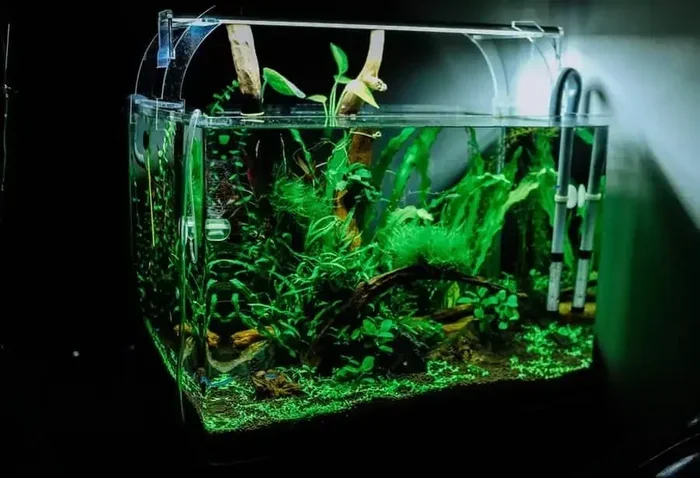
A small amount of algae in a betta fish tank is completely normal and even beneficial. Algae produces oxygen, absorbs nitrates, and mimics a betta’s natural habitat. However, too much algae can throw off your tank’s balance and harm your fish. The key is finding the right algae balance through proper lighting, feeding, and maintenance routines.
If you own a betta fish, you have probably noticed a greenish film forming on your tank glass or decorations. It is algae. And the big question most fish owners ask is: how much algae is okay for betta fish? The answer might surprise you. A little bit of algae is actually good. But too much can create serious problems for your fish and your tank environment.
Understanding the role of algae in your aquarium is one of the most important parts of tank maintenance. Algae is not the enemy. In fact, in small amounts, it acts as a natural water purifier. It absorbs nitrates and phosphates that would otherwise build up and harm your betta. The real issue starts when algae grows out of control. This guide will walk you through everything you need to know about keeping the right amount of algae in your betta tank.
Key Takeaways
- Some algae is healthy: A thin green film provides oxygen and absorbs waste compounds.
- Excess algae signals imbalance: Too much light, overfeeding, or poor water changes cause outbreaks.
- Live plants help control algae: They compete for nutrients and keep growth in check naturally.
- Regular maintenance matters: Weekly water changes and filter cleaning prevent buildup.
- Algae eaters can help: Certain species assist with keeping algae levels manageable.
- Monitor your tank closely: Watch for color changes, odor, or cloudy water as warning signs.
📑 Table of Contents
What Is Algae and Why Does It Grow in Betta Tanks?
Algae is a simple plant-like organism that thrives in water. It comes in many forms, from a thin green film on glass to fuzzy clumps on rocks. In a betta fish tank, algae growth happens because of a combination of light, nutrients, and warmth. Your tank provides all three of these elements naturally.
The Role of Light in Algae Growth
Light is the biggest driver of algae growth. If your tank sits near a window or your lights stay on too long, algae will flourish. Bettas need about 8 to 10 hours of light per day. More than that encourages algae to spread rapidly. Too little light, on the other hand, can stress your fish and slow down plant growth.
Here are some common lighting mistakes that lead to excess algae:
- Leaving tank lights on for more than 12 hours a day
- Placing the tank in direct sunlight
- Using bulbs that are too bright for the tank size
- Not having a consistent light schedule
Nutrients That Feed Algae
Algae feeds on nitrates and phosphates. These compounds build up from fish waste, uneaten food, and decaying plant matter. When you overfeed your betta, extra food sinks to the bottom and breaks down. This releases nutrients that algae love. The more nutrients available, the faster algae spreads.
Also, infrequent water changes allow these compounds to accumulate. A tank with poor filtration or no live plants will struggle to keep nutrient levels in check. That is why water changes are so important for controlling algae.
How Much Algae Is Actually Okay?
So, how much algae is okay for betta fish? A thin, even layer of green algae on the glass or a few small spots on decorations is perfectly fine. This amount of aquarium algae actually helps your tank. It absorbs waste products and produces oxygen through photosynthesis. Your betta will appreciate a tank that feels close to its natural environment.
Think of it this way. In the wild, bettas live in rice paddies, slow streams, and shallow ponds. These environments have some algae growth. A little green in your tank mimics that natural setting. It makes your betta feel more comfortable and less stressed.
However, you should take action if algae covers more than 20 to 30 percent of your tank surfaces. At that point, it starts competing with your plants for nutrients. It can also reduce oxygen levels at night and make the tank look dirty. Here is a simple way to think about it:
- Thin film on glass: Normal and acceptable
- Small spots on rocks or décor: Fine, adds a natural look
- Green cloud in the water: Needs attention, likely an algae bloom
- Thick mats covering surfaces: Problem, requires immediate action
What Happens When There Is Too Much Algae?
While a little algae is harmless, too much can create a hostile environment. Excessive algae growth disrupts the biological balance of your tank. It consumes oxygen during the night and releases carbon dioxide. This can lower pH levels and stress your betta. In severe cases, it can even lead to oxygen deprivation.
Oxygen Depletion at Night
During the day, algae produces oxygen. But at night, it does the opposite. It consumes oxygen through respiration. If your tank has a heavy algae problem, oxygen levels can drop significantly overnight. Bettas need well-oxygenated water to thrive. Signs of low oxygen include gasping at the surface and lethargy.
Blocked Filtration
Thick algae can clog your filter media. When your filter cannot work properly, waste builds up faster. This creates a vicious cycle. More waste means more nutrients. More nutrients mean more algae. Keeping your filter maintenance routine consistent helps break this cycle.
Unhealthy Water Parameters
Out-of-control algae often signals that your water parameters are off. High nitrate levels, elevated phosphate, and unstable pH all contribute to algae problems. Regular testing with a liquid test kit helps you catch these issues early. Aim for nitrates below 20 ppm and phosphates below 1 ppm for a healthy betta tank.
How to Keep Algae at a Healthy Level
Maintaining the right amount of algae in your betta tank is not difficult. It comes down to a few simple habits. Consistency is the key to a clean, balanced aquarium that your betta will love.
Control Light Exposure
Set your tank lights on a timer. Keep them on for 8 to 10 hours per day. Avoid placing the tank near windows where direct sunlight hits the water. Direct sunlight causes rapid and uneven algae growth that is very hard to control. A consistent schedule helps both your plants and your fish stay healthy.
Do Regular Water Changes
Weekly water changes are the single best way to prevent algae buildup. Replace 20 to 30 percent of the water each week. This removes excess nutrients before algae can use them. If you want to learn more about proper water preparation, check out our guide on how to prepare water for a betta fish. Clean, treated water makes a huge difference.
Do Not Overfeed Your Betta
Bettas have small stomachs. Feed them only what they can eat in two to three minutes, once or twice a day. Remove any uneaten food after feeding. Excess food decays quickly and releases the nutrients that fuel algae bloom outbreaks. Your betta will be healthier too, since overfeeding can cause bloating and other digestive issues.
Add Live Plants to Your Tank
Live plants are nature’s best algae fighters. They compete with algae for the same nutrients. The more plants you have, the less food is available for algae to grow. Plants also absorb carbon dioxide and release oxygen, which benefits your betta. Some great low-maintenance options include java fern, anubias, and marimo moss balls.
When you maintain a planted tank, you create a natural ecosystem. The plants and fish work together to keep the water clean. This reduces the need for frequent cleaning and keeps your betta fish tank looking beautiful.
Consider an Algae Eater
Some tank mates can help keep algae under control. Snails like nerite snails and certain shrimp species are excellent algae grazers. They eat the algae off glass, rocks, and plants without harming your betta. Just make sure any tank mate you add is compatible with bettas. You can read more about choosing suitable companions in our article on what is a good tank mate for a betta fish.
Clean Your Tank Regularly
Use an algae scraper or magnet cleaner on the glass once a week. This removes buildup before it gets out of hand. You do not need to remove all algae. Just keep surfaces clear enough that light can still reach your plants. For decorations and hardscape, a soft brush works well. Remember, a little algae is fine. You are just preventing it from getting out of control.
Common Mistakes That Cause Excessive Algae
Many fish owners accidentally create conditions that promote heavy algae growth. Avoiding these common mistakes will save you a lot of time and frustration.
Overlighting the Tank
This is the number one cause of algae problems. People often leave lights on too long or use bulbs that are too powerful for their tank. Bettas do not need intense lighting. A standard LED aquarium light on a timer is all you need. Keep it simple and consistent.
Skipping Water Changes
When you skip weekly water changes, nutrients build up fast. Even with a good filter, water changes are essential. Filters remove debris and house beneficial bacteria, but they do not remove dissolved nitrates and phosphates. Only water changes do that effectively.
Ignoring Dead Plant Matter
Dead leaves and decaying stems release nutrients into the water. Trim dead leaves regularly and remove any plant debris. This keeps the nutrient load low and reduces food sources for algae.
Using Tap Water Without Treatment
Tap water contains phosphates and other compounds that encourage algae. Always treat your tap water with a conditioner before adding it to the tank. If you want detailed steps, read our article on how to use tap water conditioner for betta fish. This simple step can make a big difference in keeping algae levels low.
Quick Tips for Algae Control
Here are some fast, practical tips you can start using today:
- Set a light timer for 8 to 10 hours daily
- Perform 20 to 30 percent water changes every week
- Feed your betta small amounts once or twice a day
- Add live plants to compete with algae for nutrients
- Use an algae scraper weekly to keep glass clear
- Test your water parameters every two weeks
- Avoid placing the tank in direct sunlight
- Clean your filter media monthly during water changes
These habits take just a few minutes each week. But they make a huge difference in keeping your tank healthy. A well-maintained tank naturally resists excessive algae growth. Your betta will be happier, more active, and less stressed in a clean environment.
Expert Insights on Algae and Betta Health
Many experienced aquarists agree that a completely algae-free tank is not the goal. A sterile tank can actually be less stable than one with a small amount of algae. Beneficial bacteria colonize on algae surfaces and help break down waste. A thin layer of green algae is part of a healthy, living ecosystem.
The key is balance. You want enough algae to support biological processes but not so much that it overwhelms the tank. Think of algae as a helper, not a threat. When you manage the factors that control its growth, algae becomes a natural part of your aquarium rather than a problem.
If you ever notice a sudden spike in algae, check your recent habits. Did you change the light schedule? Did you feed more than usual? Did you skip a water change? Tracing the cause helps you adjust and get back on track quickly. How much algae is okay for betta fish depends on your tank setup, but staying proactive keeps everything in balance.
Conclusion
So, how much algae is okay for betta fish? The answer is simple. A little bit is not just okay, it is actually good. A thin green film on the glass or a few spots on decorations shows that your tank has a healthy biological balance. But when algae takes over, it becomes a sign that something needs adjusting. Focus on controlling light, feeding responsibly, and performing regular water changes. These three habits will keep algae at a manageable level and your betta thriving.
Remember, every tank is different. Your lighting, tank size, plant load, and feeding schedule all affect how much algae grows. Pay attention to your tank and make adjustments as needed. With a little patience and consistency, you can enjoy a beautiful, balanced aquarium that both you and your betta will love. Keep learning, keep observing, and your betta fish will reward you with vibrant colors and lively behavior for years to come.
For more tips on keeping your betta healthy, explore our articles on how to properly care for betta fish and how much does a betta fish eat. These resources will help you build the best possible home for your fish.
Frequently Asked Questions
Is any algae bad for betta fish?
No, not all algae is bad. A small amount of algae is natural and even beneficial. It helps absorb waste compounds and produces oxygen. The problem only starts when algae grows excessively and disrupts the tank’s balance.
How often should I clean algae from my betta tank?
You should do a light cleaning once a week. Use an algae scraper or magnet cleaner on the glass. You do not need to remove all algae. Just keep the surfaces clear enough that your tank looks clean and light can still reach your plants.
Can algae blooms harm my betta fish?
Yes, severe algae blooms can harm your betta. They reduce oxygen levels at night, block light from reaching plants, and can cause pH fluctuations. If you notice a green cloud in your water, it is time to take action with water changes and light adjustments.
What causes green water in a betta tank?
Green water, also called an algae bloom, is caused by a sudden spike in nutrients and light exposure. Too much light, overfeeding, and infrequent water changes are the main culprits. Reducing light hours and performing a water change usually clears it up quickly.
Do live plants really help control algae?
Yes, live plants are one of the best natural algae controllers. They compete with algae for the same nutrients like nitrates and phosphates. The more plants you have, the less food is available for algae to grow. They also improve water quality and oxygen levels.
How can I tell if my betta tank has too much algae?
You can tell if algae covers more than 30 percent of your tank surfaces, if the water looks green or cloudy, or if you notice a strong earthy smell. Also watch for your betta acting differently, such as gasping at the surface or appearing less active. These are signs that the algae level needs to be reduced.