How Many Times to Feed Your Betta Fish
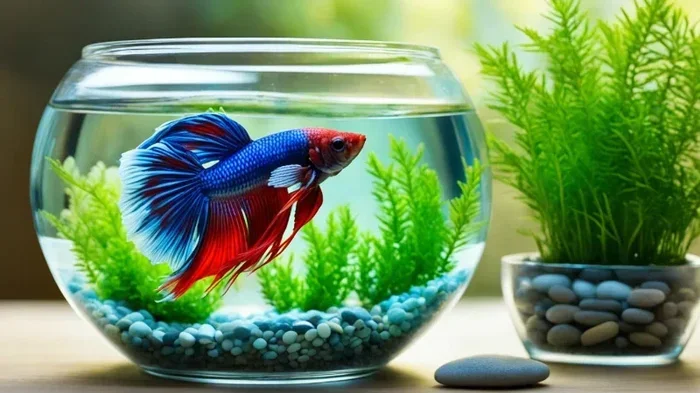
Knowing how many times to feed your betta fish is one of the most important parts of betta care. Most experts recommend feeding your betta fish 2 to 3 times a day with small portions. Overfeeding is the biggest mistake new fish owners make, and it can lead to serious health problems. This guide covers the ideal feeding schedule, portion sizes, and signs your betta is getting too much or too little food.
Feeding your betta fish might seem simple, but it is one of the areas where most fish owners go wrong. The question of how many times to feed your betta fish comes up constantly among beginners and experienced hobbyists alike. Getting the feeding schedule right makes a huge difference in your betta’s energy, color, and lifespan.
A betta fish feeding schedule is not just about dropping food into the tank whenever you feel like it. It is about understanding your fish’s natural eating habits, nutritional needs, and the signs that tell you they are getting the right amount. In this guide, we will walk you through everything you need to know about feeding frequency for betta fish, portion sizes, and common mistakes to avoid.
Key Takeaways
- Feed 2 to 3 times daily: This is the sweet spot for most betta fish to stay healthy and active.
- Small portions matter: Only give what your betta can eat in 2 minutes to avoid overfeeding.
- Watch for warning signs: A bloated belly or uneaten food are clear signals to adjust portions.
- Variety improves health: Rotate between pellets, flakes, and occasional treats like bloodworms.
- Consistency is key: Feed your betta at the same times each day to build a reliable routine.
📑 Table of Contents
How Many Times a Day Should You Feed a Betta Fish?
The short answer is 2 to 3 times a day. This is the standard recommendation from most betta care experts and veterinarians. But the full answer depends on a few factors, including your fish’s age, activity level, and overall health.
Young betta fish that are still growing need more frequent meals. They have faster metabolisms and burn energy quickly. If you have a juvenile betta, consider feeding them 3 times a day with smaller portions each time. Adult bettas do well with 2 feedings per day, morning and evening.
Here is a simple breakdown:
- Baby bettas (under 3 months): 3 to 4 small feedings daily
- Juvenile bettas (3 to 6 months): 3 feedings daily
- Adult bettas (6 months and older): 2 feedings daily
- Senior bettas (2+ years): 1 to 2 feedings daily
Stick to a consistent feeding routine. Bettas thrive on predictability. When you feed them at the same times each day, their bodies adjust and they digest food more efficiently. This also makes it easier for you to spot changes in appetite, which is an early warning sign of health issues.
Why Feeding Frequency Matters
The feeding frequency for betta fish directly impacts their digestive health and overall well-being. Bettas are tropical fish with relatively short digestive tracts. This means they process food quickly and do not need large meals. Instead, they do better with smaller, more frequent feedings throughout the day.
When you feed your betta too much at once, the excess food sits in their stomach and can cause bloating, constipation, and even swim bladder problems. On the flip side, feeding too little leaves your fish malnourished and weak. Finding the right balance is the key to a long and healthy life for your betta.
How Much Food Should You Give Each Feeding?
Portion control is just as important as feeding frequency. The general rule is simple: only give your betta as much food as it can eat in 2 minutes. This is sometimes called the “two-minute rule.”
For most bettas, this translates to about 2 to 3 small pellets per feeding. If you are using flakes, a tiny pinch will do. The food should be small enough that your fish can swallow it easily without struggling.
How many pellets to feed betta fish daily is a question we get a lot. The answer depends on the size of the pellets and the size of your fish. A good starting point is 2 to 3 pellets per meal, twice a day. If you notice your betta leaving food behind, reduce the amount. If your fish seems hungry and is begging for more after finishing, you can add one extra pellet next time.
Types of Betta Fish Food
Not all fish food is created equal. Bettas are carnivorous by nature, which means they need a diet rich in protein. Here are the most common food options:
- Betta pellets: These are the gold standard. High-quality pellets are specially formulated for bettas and provide balanced nutrition. Look for pellets where fish meal or shrimp meal is the first ingredient.
- Betta flakes: Flakes work well but tend to dissolve quickly in water, which can dirty your tank faster. They are a good option for variety but should not be the sole diet.
- Frozen or live foods: Bloodworms, brine shrimp, and daphnia are excellent treats. They mimic what bettas eat in the wild and are packed with protein. Use these as occasional supplements, not daily meals.
- Freeze-dried foods: These are convenient and long-lasting. Soak them in tank water before feeding to prevent bloating.
Rotating between different food types keeps your betta interested in mealtime and ensures they get a wide range of nutrients. A varied betta fish diet supports vibrant colors, strong fins, and a robust immune system.
Signs You Are Overfeeding Your Betta
Overfeeding is the number one killer of pet bettas. It is easy to do because bettas have big appetites and will beg for food even when they are full. Learning to recognize the signs of overfeeding can save your fish from serious health problems.
Here are the most common signs your betta is getting too much food:
- Bloating: A swollen belly that does not go down after feeding is a clear sign of overfeeding.
- Uneaten food sinking to the bottom: If food is still sitting in the tank 5 minutes after you feed, you gave too much.
- Lethargy: An overfed betta may become sluggish and spend more time resting near the bottom of the tank.
- Cloudy water: Excess food decays quickly and can cause ammonia spikes, which are dangerous for fish.
- Constipation: A betta that has trouble swimming or has a curved spine may be constipated from too much food.
If you notice any of these signs, skip the next feeding and give your fish time to digest. You should also check your water parameters, as uneaten food can quickly degrade water quality. Regular water changes and a good filter go a long way in keeping your betta healthy.
What Happens When You Overfeed a Betta Fish?
Overfeeding does not just cause a bloated belly. It sets off a chain reaction in your tank. Uneaten food breaks down and releases ammonia and nitrites into the water. These toxins damage your betta’s gills, weaken its immune system, and can eventually lead to fatal infections.
How to feed your betta fish while on vacation is another common concern that ties into overfeeding. Many owners are tempted to leave extra food before a trip, but this almost always causes more harm than good. If you are going away, use an automatic feeder or ask a friend to feed small portions while you are gone.
Signs You Are Underfeeding Your Betta
While overfeeding is more common, underfeeding is a real problem too. A betta that does not get enough food will slowly lose weight, become lethargic, and lose its vibrant colors. Here is what to watch for:
- Visible weight loss: A betta’s body should be plump and rounded. If you notice the body getting thin or the spine becoming more pronounced, your fish may need more food.
- Loss of color: A healthy betta has bright, vivid colors. A dull or faded appearance can signal malnutrition.
- Low energy: Bettas are naturally curious and active. If yours spends all day hiding or resting, it might not be getting enough fuel.
- Aggressive behavior: Some bettas become territorial or aggressive when hungry. This is their instinct to compete for limited food resources.
If you suspect your betta is underfed, gradually increase the portion size or add an extra feeding session. But do not go overboard. Increase food slowly over the course of a week so your fish’s digestive system can adjust.
Creating the Perfect Feeding Routine
A feeding routine does more than just keep your betta fed. It creates structure and reduces stress for your fish. Bettas feel safer when they know what to expect, and a consistent routine helps them stay active and engaged.
Here is a step-by-step guide to building a routine that works:
- Pick two consistent times each day. Morning and evening work well for most people. Aim for roughly 12 hours apart.
- Feed at the same spot in the tank. Bettas learn to associate certain areas with feeding time, which adds mental stimulation.
- Use a small container or feeding ring. This keeps food contained and makes it easier to remove uneaten portions.
- Watch your fish eat. Take a moment to observe your betta during each feeding. This is a great way to check for health issues early.
- Remove uneaten food after 2 minutes. Use a small net or turkey baster to clean up leftovers.
Adding a fasting day once a week is also a great practice. Skip feeding on one day each week. This gives your betta’s digestive system a chance to process any remaining food and can help prevent constipation and bloating. Many experienced fish keepers swear by this simple habit.
How to Make Your Betta Fish Happy at Feeding Time
Feeding time is more than just nutrition. It is also a bonding experience. Bettas are intelligent fish, and they respond positively to interaction during meals. Here are a few tips to make feeding time enjoyable for both you and your fish:
- Use a feeding ring: This keeps food in one place and prevents it from floating into the filter or decorations.
- Try hand feeding: Some bettas learn to eat from their owner’s fingers. This is a great way to build trust and strengthen your bond.
- Add variety: Just like humans, bettas get bored eating the same thing every day. Rotate between pellets, flakes, and frozen treats to keep things interesting.
- Be patient: Some bettas take time to warm up to new foods. If your fish refuses to eat a new food, try mixing it with their regular pellets until they get used to it.
Building a strong bond with your betta fish through consistent feeding and gentle interaction makes the whole experience more rewarding. Your fish will recognize you over time and may even swim to the front of the tank when it is feeding time.
Common Feeding Mistakes to Avoid
Even well-meaning betta owners make mistakes when it comes to feeding. Here are the most common ones and how to fix them:
Mistake 1: Feeding too much at once. This is the most common error. A betta’s stomach is tiny, roughly the size of its eye. A few pellets go a long way. Stick to small portions and feed more frequently if needed.
Mistake 2: Using the wrong food. Not all fish food is suitable for bettas. Avoid generic tropical flakes or food meant for goldfish. These do not provide the protein levels bettas need. Always choose food specifically formulated for bettas or other carnivorous fish.
Mistake 3: Skipping days without reason. While a weekly fasting day is beneficial, skipping meals regularly can lead to malnutrition. If you are going to be away, set up an automatic feeder or ask someone to feed your betta properly.
Mistake 4: Ignoring water quality after feeding. Leftover food decays fast and releases harmful toxins. Always remove uneaten food and test your water regularly. Poor water quality from overfeeding is one of the leading causes of betta illness.
Mistake 5: Feeding at random times. Inconsistency stresses bettas. Set a schedule and stick to it. Your fish will thank you with better appetite, brighter colors, and more active behavior.
Expert Insights on Betta Fish Feeding
We spoke with experienced betta keepers and aquatic veterinarians to get their top tips on how often to feed a betta fish. Here is what the experts had to say:
Dr. Linda Chen, Aquatic Veterinarian: “I see so many bettas suffering from overfeeding in my practice. The owners love their fish and want to give them the best, but more food is not better food. A consistent schedule with small portions is the key to a long, healthy life.”
James Rivera, Betta Breeder with 15 Years of Experience: “I feed my bettas twice a day, every day, without fail. I also rotate their food between high-quality pellets and frozen bloodworms twice a week. This keeps them in top condition and brings out the best colors.”
Maria Santos, Fish Tank Hobbyist: “I used to feed my betta every time I looked at the tank. He was constantly bloated and lethargic. Once I cut back to twice a day and stuck to a strict schedule, he transformed. His colors got brighter and he became so much more active.”
The consensus among experts is clear: less is more when it comes to feeding bettas. A consistent routine, small portions, and high-quality food will do more for your fish’s health than any amount of extra meals or treats.
Key Takeaways
- Feed your betta 2 to 3 times a day with small portions that your fish can finish in 2 minutes.
- Overfeeding is the biggest danger and can lead to bloating, constipation, and poor water quality.
- Use high-quality betta pellets as the staple of your fish’s diet and supplement with frozen or live treats occasionally.
- Create a consistent feeding schedule and stick to it every day for the best results.
- Watch for signs of overfeeding and underfeeding and adjust portions accordingly.
- Include a weekly fasting day to support healthy digestion and prevent common health issues.
Feeding your betta fish the right way is one of the simplest things you can do to improve its quality of life. The answer to how many times to feed your betta fish is straightforward: 2 to 3 times a day, with small portions, at consistent times. Once you nail down this routine, you will notice a real difference in your fish’s energy, appetite, and overall happiness.
Remember, your betta depends on you for everything. Taking the time to get the feeding schedule right shows that you care. Combine proper feeding with good water quality, a warm tank, and plenty of enrichment, and your betta will thrive for years to come. If you ever want to dive deeper into specific topics like how to feed betta fish fry or how to make your betta fish stronger, there are plenty of resources available to help you on your journey.
Start today. Pick a feeding schedule, stick to it, and watch your betta fish flourish. Your fish will reward you with vibrant colors, playful behavior, and a healthy life by your side.
Frequently Asked Questions
How many times a day should I feed my betta fish?
Most experts recommend feeding your betta fish 2 to 3 times a day with small portions. Adult bettas do well with two feedings, while younger fish may need three. Always follow the two-minute rule and only give what your fish can eat in that time frame.
Can I feed my betta fish once a day?
While once-a-day feeding works for some adult bettas, it is not ideal. Bettas do better with smaller, more frequent meals that match their fast metabolism. If you can only feed once a day, make sure the portion is appropriate and consider adding a weekly fasting day to support digestion.
How much should I feed my betta fish at each meal?
A good portion size is about 2 to 3 small pellets or a tiny pinch of flakes per feeding. The food should be completely consumed within 2 minutes. If there is leftover food, you are giving too much. Adjust the portion down slightly at the next feeding.
What is the best time to feed my betta fish?
The best times are morning and evening, roughly 12 hours apart. Consistency matters more than the exact time, so pick times that work for your schedule and stick with them. Bettas quickly learn when to expect food and will become more active around feeding times.
Is it okay to skip feeding my betta fish for a day?
Yes, skipping one day per week is actually beneficial. A weekly fasting day helps your betta’s digestive system reset and can prevent bloating and constipation. Just make sure you are feeding properly on the other six days and not skipping regularly without reason.
What happens if I overfeed my betta fish?
Overfeeding can cause bloating, constipation, swim bladder issues, and poor water quality from uneaten food decaying in the tank. In severe cases, it can be fatal. Always feed small portions and remove any uneaten food after 2 minutes to keep your tank clean and your fish healthy.