Can Betta Fish Eat Blood Worms
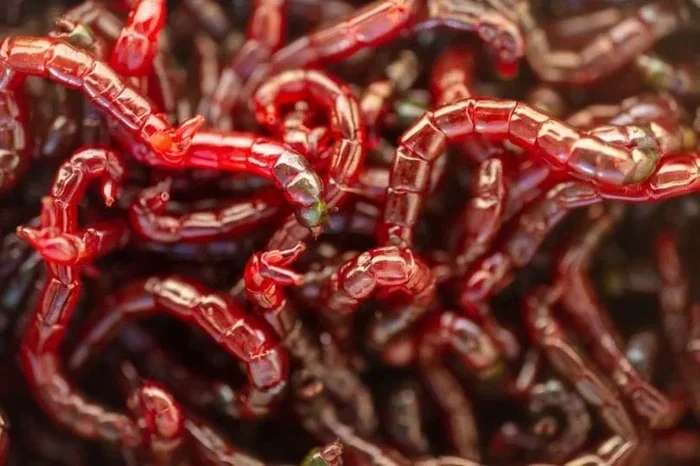
Yes, betta fish can eat blood worms as a nutritious treat. Bloodworms provide essential protein and variety to their diet. Learn the right frequency and types to keep your fish healthy.
Key Takeaways
- Bloodworms are safe: Bettas can eat blood worms as an occasional treat.
- Feed in moderation: 1–2 times per week is enough to avoid health issues.
- Choose the right type: Freeze-dried and frozen bloodworms are safest and most convenient.
- Prepare properly: Rinse thawed frozen worms and avoid live worms from unknown sources.
- Watch for overfeeding: Signs include bloating, constipation, and cloudy water.
- Balance is key: Bloodworms should complement a staple betta pellet diet, not replace it.
📑 Table of Contents
- Can Betta Fish Eat Blood Worms? Here’s What You Need to Know
- Why Bloodworms Make a Great Treat for Bettas
- Types of Bloodworms You Can Feed Your Betta
- How Often Should You Feed Bloodworms to Bettas?
- How to Prepare Bloodworms Safely
- Signs You’re Overfeeding Bloodworms
- Bloodworms vs. Other Betta Foods
- Quick Tips for Feeding Bloodworms
- Common Mistakes to Avoid
- Expert Insights: What Veterinarians Say
- Key Takeaways
- Conclusion
Can Betta Fish Eat Blood Worms? Here’s What You Need to Know
Can betta fish eat blood worms? Yes, they absolutely can! Blood worms are a popular and protein-rich treat that many betta fish love. If you’re asking, can betta fish eat blood worms, you’re in the right place. This guide covers everything from the different types of bloodworms to how often you should feed them. For more details on whether bettas can just eat bloodworms, check out our article on can betta fish just eat bloodworms. You’ll learn how to safely add this tasty food to your fish’s diet without any worries.
Betta fish are natural carnivores. They need a diet high in protein to stay healthy and colorful. Bloodworms fit perfectly into this diet because they are packed with nutrients. Many aquarium owners use bloodworms as a special treat or a training food. But like all treats, they should be given in the right amounts. In the next few sections, we’ll break down the types, frequency, and preparation steps. By the end, you’ll know exactly how to feed bloodworms to your betta.
Why Bloodworms Make a Great Treat for Bettas
Bloodworms are one of the most loved foods in the aquarium hobby. They are not actually worms but the larvae of midge flies. These tiny red creatures are full of protein and fat. Bettas thrive on a diet that mimics what they would eat in the wild. In their natural habitat, bettas eat small insects, larvae, and tiny crustaceans. Bloodworms are a close match to that diet.
Nutritional Benefits of Bloodworms
Bloodworms are rich in protein, which helps bettas build strong muscles and vibrant colors. They also contain essential amino acids and some fats. A small amount of fat is good for energy, but too much can lead to obesity. Bloodworms are not a complete food on their own. They lack some vitamins and minerals that bettas need. That’s why they should be paired with a high-quality betta pellet. The pellet provides a balanced base, and bloodworms add variety and excitement.
Natural Diet for Carnivorous Fish
In the wild, bettas are aggressive hunters. They eat whatever small creatures they can find. Bloodworms are a staple part of their natural diet. Feeding bloodworms in your aquarium lets your betta act on its natural instincts. Watch your fish strike at the worms with excitement. This feeding behavior keeps your betta mentally stimulated. A stimulated betta is a happier and healthier betta.
Types of Bloodworms You Can Feed Your Betta
Not all bloodworms are the same. You have three main options: freeze-dried, frozen, and live. Each type has its own pros and cons. Choosing the right one depends on your convenience and your fish’s needs.
Freeze-Dried Bloodworms
Freeze-dried bloodworms are the most popular choice. They are lightweight, easy to store, and have a long shelf life. You can keep them in your pantry for months. Before feeding, you should soak them in tank water for a few minutes. This makes them soft and easy to digest. Freeze-dried worms are a great option for beginners. They are also less likely to carry diseases compared to live worms.
Frozen Bloodworms
Frozen bloodworms are another excellent choice. They are flash-frozen to preserve nutrients. You can buy them in small cubes or packs. Thaw a cube in a little tank water before feeding. Frozen worms retain more moisture and nutrients than freeze-dried ones. Many experienced fish keepers prefer frozen bloodworms because they look and act more like live food. Your betta will love the movement and texture.
Live Bloodworms
Live bloodworms are the most natural option, but they come with risks. You can buy them from pet stores or fish shops. Live worms can carry parasites or bacteria if not sourced properly. They also have a short lifespan and must be used quickly. If you choose live worms, make sure they come from a reputable supplier. Always rinse them before adding them to the tank. If you’re curious about whether your betta can have worms as part of a balanced diet, see our page on can betta fish have worms.
Comparison Table: Freeze-Dried vs. Frozen vs. Live Bloodworms
| Type | Pros | Cons | Best For |
|---|---|---|---|
| Freeze-Dried | Long shelf life, easy storage, low disease risk | Less moisture, needs soaking | Beginners, daily treats |
| Frozen | High nutrient retention, natural texture | Needs freezer space, short thaw time | Experienced keepers, variety |
| Live | Most natural, stimulates hunting instinct | Risk of disease, short lifespan | Advanced hobbyists, occasional use |
How Often Should You Feed Bloodworms to Bettas?
Frequency is just as important as the type of bloodworm. Overfeeding can cause serious health problems. Many owners ask if they can feed betta fish worms too often. The answer is no. Bloodworms should be a treat, not a staple. A good rule of thumb is to feed them 1 to 2 times per week. On other days, stick to a high-quality betta pellet. If you want to learn more about feeding schedules, check our guide on feed betta fish worms.
Feeding Frequency Guidelines
Follow these simple steps to create a healthy feeding schedule:
- Feed your betta its regular pellet meal once or twice a day.
- On treat days, offer 2–3 freeze-dried or frozen bloodworms per feeding.
- Never give bloodworms more than 3 times in a single week.
- Skip a treat day if your fish seems full or disinterested.
Portion Control Tips
A betta’s stomach is tiny—about the size of its eye. Keep portions small. A few worms are enough for one feeding. If you see leftover worms sinking to the bottom, remove them after 5 minutes. Uneaten food will foul the water and raise ammonia levels. Clean water is essential for betta health. A small pinch of frozen bloodworms or a few soaked freeze-dried worms is perfect.
How to Prepare Bloodworms Safely
Proper preparation keeps your betta safe and healthy. Different types of bloodworms require different steps. Always wash your hands before handling fish food. Clean tanks lead to happy fish.
Rinsing and Thawing Frozen Worms
Take a small cube of frozen bloodworms out of the freezer. Let it thaw in a cup of tank water for 5 minutes. Never use warm or hot water. After thawing, rinse the worms gently under a light stream of tank water. This removes any excess slime or bacteria. Use a small net or turkey baster to drop the worms into the tank. Your betta will gobble them up right away.
Avoiding Contaminated Live Worms
If you buy live bloodworms, inspect them carefully. They should smell clean and look reddish. Discard any that are brown, mushy, or have an odd odor. Quarantine new live food for a day if possible. This reduces the chance of introducing parasites into your main tank. When in doubt, stick to freeze-dried or frozen options. They are safer and just as nutritious.
Signs You’re Overfeeding Bloodworms
Overfeeding is one of the biggest mistakes new betta owners make. Bloodworms are high in fat and protein, so too much can backfire. Watch for these warning signs.
Digestive Issues in Bettas
If your betta has a swollen belly or is not pooping regularly, it may be constipated. Bloodworms can cause constipation if fed in excess. Constipation can lead to swim bladder problems. A fish with swim bladder issues may float sideways or struggle to stay upright. To prevent this, feed bloodworms sparingly and include fiber-rich foods like daphnia or brine shrimp occasionally.
Water Quality Problems
Uneaten bloodworms decompose quickly. They release ammonia and nitrites into the water. Cloudy water, bad smells, and algae blooms can result. Test your water parameters regularly. If you notice a spike in ammonia, do a partial water change immediately. A clean tank is the foundation of a healthy betta. Keep the filter running and remove any leftover food promptly.
Bloodworms vs. Other Betta Foods
Bloodworms are just one option in a betta’s diet. Understanding how they compare to other foods helps you make the best choices. A varied diet is the key to long-term health.
Comparing Protein Content
Betta pellets are formulated to provide a complete diet with 30–40% protein. Bloodworms have a higher protein content, often around 50–60%. That sounds great, but too much protein can strain the kidneys over time. Pellets also contain vitamins, minerals, and fiber. Bloodworms lack these extras. So, pellets should always be the main course, and bloodworms should be the side dish.
When to Use Bloodworms as a Treat
Use bloodworms for specific situations. They are excellent for enticing a picky eater. If your betta refuses pellets, try offering a single bloodworm. The strong smell and movement can trigger a feeding response. Bloodworms are also great for training. You can use them to lure your fish into a container for tank cleaning or health checks. Just remember that treats should make up no more than 10% of the total diet.
Quick Tips for Feeding Bloodworms
- Soak freeze-dried worms for 5 minutes before feeding to prevent bloating.
- Thaw frozen worms in tank water, not the microwave or hot water.
- Feed in small amounts—2–3 worms per betta is plenty.
- Remove uneaten worms after 5 minutes to protect water quality.
- Alternate treats with brine shrimp or daphnia for a varied diet.
Common Mistakes to Avoid
- Feeding bloodworms daily: This leads to obesity and nutritional imbalances.
- Using wild-caught worms: They can carry parasites and harmful bacteria.
- Ignoring water changes: Uneaten worms pollute the water fast.
- Overcrowding the tank: Multiple fish competing for worms can cause stress and aggression.
Expert Insights: What Veterinarians Say
Many aquatic veterinarians recommend bloodworms as a supplement, not a staple. Dr. Linda, a fish health specialist, says: “Bloodworms are a great way to add variety and protein to a betta’s diet. But they must be given in moderation. A diet based mostly on bloodworms can lead to fatty liver disease in bettas.” Always prioritize a balanced pellet and rotate treats wisely. Your betta will live a longer, happier life.
Key Takeaways
- Bloodworms are a safe treat: They provide protein and enrichment when fed correctly.
- Limit to 1–2 times per week: Overfeeding causes digestive and water quality issues.
- Use freeze-dried or frozen types: They are the safest and most convenient options.
- Prepare them properly: Thaw, rinse, and remove uneaten food promptly.
- Pair with quality pellets: Bloodworms should never replace a complete betta diet.
- Watch for overfeeding signs: Bloating, constipation, and cloudy water are red flags.
Conclusion
Can betta fish eat blood worms without any problems? Yes, absolutely! Bloodworms are a fantastic, protein-packed treat that most bettas adore. Just remember to feed them in moderation, choose the safest type, and always maintain clean water. By following the tips in this guide, you’ll keep your betta healthy, colorful, and full of energy. Start adding bloodworms to your feeding routine today and watch your fish thrive.
Now you know exactly how to safely include bloodworms in your betta’s diet. Keep experimenting with different foods to find what your fish loves best. A happy betta is a well-fed betta. Enjoy your time in the aquarium and happy fish keeping!
Frequently Asked Questions
Can betta fish eat blood worms every day?
No, feeding bloodworms daily is not recommended. They are high in protein and fat, which can cause constipation and obesity. Stick to 1–2 times per week as a treat.
Are freeze-dried bloodworms safe for bettas?
Yes, freeze-dried bloodworms are safe and convenient. Just soak them in tank water for a few minutes before feeding to make them soft and easy to digest.
Can baby betta fish eat blood worms?
Baby bettas can eat bloodworms, but they must be crushed or broken into very small pieces. Their stomachs are tiny, so offer only a tiny amount once a week.
Do bloodworms cause constipation in bettas?
Yes, overfeeding bloodworms can lead to constipation. Always feed a small amount and remove uneaten worms after a few minutes to keep the tank clean.
What is the difference between bloodworms and red worms for bettas?
Bloodworms are the larvae of midge flies and are safe for bettas. Red worms (like earthworms) are not recommended because they can carry parasites and are too large for bettas to digest easily.
Can betta fish eat blood worms if they have swim bladder disease?
If your betta has swim bladder disease, avoid bloodworms and other fatty treats. Focus on high-quality pellets and easily digestible foods like daphnia until the fish recovers.