Can Betta Fish Choke
Yes, betta fish can choke, and it happens more often than most owners realize. Choking in betta fish is usually caused by oversized food, aggressive feeding, or poor water conditions. Understanding the causes, symptoms, and prevention methods can keep your betta safe and healthy. This guide covers everything you need to know about betta fish choking and how to respond fast.
Can betta fish choke? The short answer is yes. Many betta owners don’t realize that their colorful pets face a real choking risk every time they eat. Betta fish choking is a genuine concern that can lead to serious health problems or even death if ignored.
These beautiful fish have small mouths and narrow throats. They are built to eat tiny prey in the wild. When we feed them pellets, flakes, or freeze-dried foods that are too large, the risk of choking goes up fast. Add overfeeding to the mix, and you have a recipe for trouble.
This guide will walk you through everything you need to know. You will learn what causes choking, how to spot the signs, and — most importantly — how to prevent it. Whether you are a new betta owner or have had fish for years, this information will help you keep your betta fish safe during every meal.
We will also cover what to do if your fish is actually choking right now. The steps are simple, but acting quickly makes all the difference. Let us dive in and make sure your betta stays healthy and well-fed without any choking risks.
Key Takeaways
- Betta fish can absolutely choke: Their small mouths and throats make them vulnerable, especially with large or hard food pieces.
- Overfeeding is the #1 cause: Too much food at once increases the risk of choking and blockage.
- Watch for visible symptoms: Labored breathing, food stuck in the mouth, and loss of appetite are clear warning signs.
- Prevention is simple: Use small-sized pellets, soak dry food, and feed in controlled portions.
- Quick action saves lives: If your betta is choking, gentle intervention and proper tank conditions can help resolve the issue fast.
- Water quality matters: Poor water conditions can worsen choking risks and lead to secondary health problems.
- Know when to seek help: Persistent choking or refusal to eat for more than 48 hours needs vet attention.
📑 Table of Contents
- What Happens When a Betta Fish Chokes?
- Common Causes of Choking in Betta Fish
- Signs and Symptoms Your Betta Is Choking
- How to Prevent Your Betta Fish from Choking
- What to Do If Your Betta Fish Is Choking
- Betta Fish Diet Tips for Safe Feeding
- Common Mistakes That Lead to Betta Fish Choking
- Expert Insights on Betta Fish Choking
- Conclusion
What Happens When a Betta Fish Chokes?
When a betta fish chokes, its airway gets blocked. This can happen at different levels. The food might get stuck in the mouth. Or it might lodge deeper in the throat or digestive tract. Either way, the fish cannot breathe or swallow properly.
Bettas are labyrinth fish. This means they breathe air from the surface in addition to using their gills. When something blocks their throat, both breathing systems are affected. The fish may gasp at the surface, flare its gills frantically, or spit food back out.
The Mechanics of Betta Fish Choking
A betta’s mouth is tiny. It is designed for small insects, larvae, and tiny crustaceans in the wild. Commercial betta foods are often much larger than natural prey. When a betta tries to swallow a pellet that is too big, the food can get wedged in its throat.
Unlike humans, fish cannot cough forcefully to dislodge food. They rely on water flowing through their mouths and gills. If food is stuck, this natural flow gets disrupted. The fish may push water through its gills in an attempt to clear the blockage. This looks frantic and worrying for any owner.
Sometimes the food softens enough to pass. Other times, it stays stuck and causes swelling or infection. Can betta fish choke to death? Yes, in severe cases, a complete blockage can be fatal if not addressed quickly.
Common Causes of Choking in Betta Fish
Understanding why bettas choke is the first step to preventing it. Several factors contribute to choking, and most of them are tied to how we feed our fish.
Oversized Food
The most common cause is food that is too large. Many betta pellets are bigger than the fish’s mouth. When a betta tries to take a full pellet, it can easily get stuck. This is especially true for pellets that do not soften quickly in water.
Freeze-dried foods like bloodworms and brine shrimp expand when wet. A small piece can swell to several times its original size inside the fish’s stomach or throat. This expansion can cause both choking and internal blockage.
Overfeeding
Overfeeding is a huge problem in the betta keeping world. Many owners give too much food at once. The fish tries to eat everything quickly and ends up inhaling more than it can swallow. Can you overfeed a betta fish? Absolutely, and overfeeding directly increases choking risk.
When a betta is overfed, it may not chew its food properly. It swallows large chunks whole. This leads to choking, bloating, and constipation. All of these issues can become serious fast.
Eating Too Fast
Bettas are competitive eaters by nature. In the wild, they grab food quickly before it gets away. This instinct carries over to tank life. When food hits the water, your betta may lunge at it without caution.
Eating too fast means the fish does not break food into smaller pieces. It tries to swallow large bites whole. This is one of the most common reasons bettas choke on pellets or flakes.
Poor Water Conditions
Dirty or poorly maintained water can make choking worse. Ammonia and nitrite buildup stress the fish. A stressed betta has a weaker immune system and slower reflexes. This makes it harder to handle food properly.
Also, low water quality affects how food behaves in the tank. Some pellets may not soften properly in poor water. This increases the chance of the food getting stuck in the fish’s throat.
Signs and Symptoms Your Betta Is Choking
Knowing the signs of choking can save your betta’s life. The earlier you catch it, the better the outcome. Here are the most common symptoms to watch for.
- Food visible in the mouth: You may see pellets or flakes stuck in or near the mouth. The fish may repeatedly try to spit it out.
- Labored breathing: The betta breathes rapidly or gasps at the surface. Gills flare wide open and the fish seems distressed.
- Loss of appetite: A choking betta may refuse food entirely. It associates eating with discomfort or pain.
- Clamped fins: The fish holds its fins close to its body. This is a sign of stress and discomfort.
- Lethargy: The betta becomes very still and inactive. It may rest at the bottom or hide in plants.
- Swollen abdomen: If food has moved into the digestive tract, the belly may appear bloated or swollen.
- Spitting out food repeatedly: The betta takes food into its mouth and spits it back out multiple times. This is a clear choking signal.
If you notice any of these signs, act immediately. Can betta fish choke on pellets? Yes, and pellets are the most common culprit. If you see a pellet stuck in your betta’s mouth, do not panic. Follow the steps in the next section.
How to Prevent Your Betta Fish from Choking
Prevention is always better than cure. The good news is that keeping your betta from choking is not difficult. A few simple changes to your feeding routine can make a huge difference.
Choose the Right Food Size
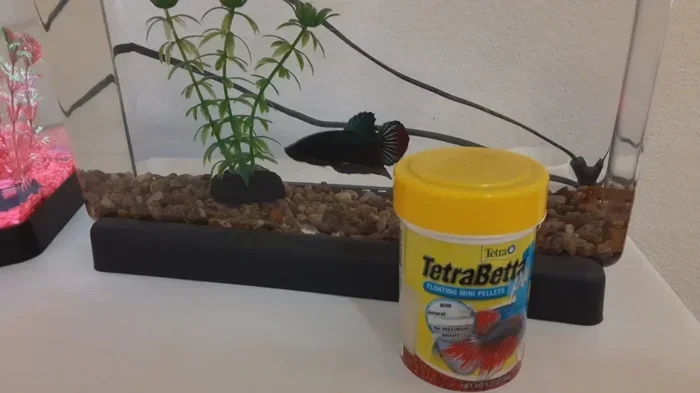
Look for betta pellets that are small enough for your fish’s mouth. A good rule of thumb is that the pellet should be no bigger than the fish’s eye. Many brands now make mini or micro pellets specifically for bettas. These are much safer than standard-sized pellets.
If you currently use large pellets, consider switching. You can also break larger pellets into smaller pieces before feeding. This takes a few extra seconds but greatly reduces choking risk.
Soak Dry Food Before Feeding
Dry pellets and flakes expand in water. If your betta eats them before they soften, they can expand inside its throat or stomach. To prevent this, soak the food in tank water for 2-3 minutes before offering it to your fish.
This simple step makes a big difference. The food softens and becomes easier to swallow. It also reduces the risk of internal blockages that can follow choking.
Feed Small Portions Multiple Times a Day
Instead of one big feeding, offer small amounts 2-3 times a day. Give your betta only what it can eat in 2-3 minutes. This prevents overeating and reduces the chance of choking on large amounts at once.
Remove any uneaten food after feeding. Leftover food decomposes in the tank and worsens water quality. Poor water quality leads to stress, and stressed fish are more prone to choking and illness.
Maintain Excellent Water Quality
Keep your tank clean and well-maintained. Regular water changes, proper filtration, and temperature control all support your betta’s health. A healthy betta is less likely to choke and more likely to recover quickly if it does.
Use a water conditioner to remove chlorine and chloramine from tap water. Can you use tap water for your betta fish? Yes, but only after treating it properly. Untreated tap water can harm your fish and make it more vulnerable to health issues including choking.
Avoid Live Food That Is Too Large
Live foods like brine shrimp and bloodworms are great for bettas. But make sure the pieces are appropriately sized. Never feed adult brine shrimp that are too large for your betta’s mouth. Cut or crush food items when needed.
What to Do If Your Betta Fish Is Choking
If you suspect your betta is choking, stay calm. Panicking will not help the fish. Follow these steps carefully to give your betta the best chance of recovery.
- Turn off any tank filters or air stones temporarily. This reduces water flow that may push food further into the throat.
- Observe the fish closely. Look for visible food in the mouth. Do not try to pull it out with your hands — this can cause injury.
- Lower the water level slightly. This makes it easier for the fish to reach the surface and breathe if its airway is partially blocked.
- Add a small amount of aquarium salt. This can help reduce swelling and stress. Use only aquarium-grade salt and follow dosing instructions carefully.
- Wait and watch. In many cases, the betta will clear the blockage on its own within a few minutes to hours.
- Offer softer food after the episode. Once the fish has recovered, offer a small amount of softened food to encourage eating.
If the choking does not resolve within a few hours, or if the betta shows signs of severe distress, consult a fish veterinarian. Can betta fish choke on food? Yes, and persistent choking episodes may indicate an underlying health issue that needs professional attention.
Also, if your betta has been choking frequently, reevaluate your feeding routine. Switch to smaller food, reduce portion sizes, and soak all dry food before feeding. Prevention is the best long-term solution.
Betta Fish Diet Tips for Safe Feeding
A proper diet is the foundation of a healthy betta. Getting the diet right also eliminates most choking risks. Here are some practical tips for safe feeding.
- Use high-quality betta pellets: Look for pellets with a protein content of 30-40%. Choose brands that make small-sized pellets designed for bettas.
- Rotate food types: Offer a mix of pellets, frozen foods, and occasional treats. This keeps meals interesting and ensures balanced nutrition.
- Feed frozen or freeze-dried foods after soaking: Always thaw frozen foods before feeding. Soak freeze-dried foods for a few minutes to prevent expansion in the throat.
- Never feed human food: Bread, crackers, and other human foods are dangerous for bettas. They can expand in the stomach and cause choking or blockages.
- Keep a feeding schedule: Feed at the same times each day. Bettas thrive on routine and learn to expect food at regular intervals.
- Monitor your betta’s weight: A healthy betta should have a rounded but not bloated body. If the belly looks too round, reduce portion sizes.
Following these tips will keep your betta well-fed and safe. Can betta fish choke even with the best diet? The risk never disappears completely, but it drops dramatically when you follow proper feeding practices.
Remember that every betta is different. Some fish are more careful eaters than others. Watch your individual fish and adjust your approach based on its behavior. A little observation goes a long way toward preventing choking incidents.
Common Mistakes That Lead to Betta Fish Choking
Many betta owners make feeding mistakes without realizing it. Here are the most common errors that increase choking risk.
- Feeding too many pellets at once: Bettas have tiny stomachs. A few pellets per feeding is plenty. More than that creates a choking hazard.
- Using food meant for other fish: Goldfish food, tropical flakes, and other fish foods are often the wrong size or nutrition profile for bettas. Can you use betta food for other fish? Some other fish can eat betta food, but bettas cannot safely eat most other fish foods.
- Ignoring food expiration dates: Old food loses its nutritional value and can become hard or brittle. This makes it more likely to cause choking.
- Not cleaning the tank after feeding: Leftover food decays quickly and affects water quality. Poor water conditions stress the fish and increase health risks.
- Skipping water changes: Regular water changes keep the tank healthy. Skipping them leads to ammonia buildup, which weakens the fish and makes choking more likely.
Avoiding these mistakes is simple. It just requires a little consistency and attention to your routine. Your betta will thank you with better health and a longer, happier life.
Expert Insights on Betta Fish Choking
Experienced betta keepers and aquatic veterinarians agree on a few key points about choking in bettas.
Dr. Richmond Loh, a fish health expert, emphasizes that most choking incidents in bettas are preventable. He recommends feeding small, soft food pieces and maintaining pristine water conditions. His research shows that bettas kept in well-maintained tanks with proper diets rarely experience choking episodes.
Aquarium specialists also point out that betta fish behavior during feeding is a great indicator of health. A betta that eats eagerly but calmly is likely doing well. A betta that grabs food frantically and seems to struggle is a red flag. Slow down the feeding pace by offering smaller portions.
Another expert tip is to fast your betta one day per week. This gives the digestive system a rest and helps prevent constipation and bloating, both of which can contribute to choking risks. Can your betta fish go a weekend without food? Yes, a single day of fasting is perfectly safe and actually beneficial for most bettas.
Conclusion
Can betta fish choke? Yes, but now you know exactly how to prevent it and respond when it happens. The key is understanding what causes choking, recognizing the early warning signs, and taking simple preventive steps. Feed small, soft portions. Soak dry food. Keep the tank clean. Watch your fish during meals.
Your betta depends on you for its well-being. Every feeding is a chance to keep it safe and healthy. With the knowledge you have gained from this guide, you are now better equipped to protect your fish from choking risks.
Take action today. Review your current feeding routine. Check your food sizes. Make sure your water quality is excellent. These small changes can make a huge difference in your betta’s life. A well-cared-for betta is a happy betta — one that eats safely, swims gracefully, and brings joy to your home for years to come.
Frequently Asked Questions
Can betta fish choke on pellets?
Yes, betta fish can choke on pellets, especially if the pellets are too large or have not been softened. Pellets that expand in water pose an even higher risk. Always choose small-sized pellets and soak them before feeding to reduce the choking risk significantly.
What should I do if my betta fish is choking?
First, stay calm and turn off any strong water flow in the tank. Observe the fish closely to see if the food is visible in its mouth. In most cases, the betta will clear the blockage on its own within a few minutes. If the choking persists for more than a couple of hours, consult a fish veterinarian for professional help.
How can I prevent my betta from choking?
Prevention starts with proper feeding habits. Use small-sized pellets, soak dry food before offering it, and feed only what your betta can eat in 2-3 minutes. Maintain clean water and avoid overfeeding. These simple steps eliminate the majority of choking risks for your betta fish.
Can overfeeding cause a betta fish to choke?
Absolutely. Overfeeding is one of the leading causes of choking in bettas. When a betta eats too much too fast, it often swallows food without chewing properly. This can lead to choking, bloating, and constipation. Feed small portions 2-3 times a day to keep your betta safe.
Is it normal for betta fish to spit out food?
Occasional spitting out of food is normal and can mean the betta is testing the food or finding it too large. However, if your betta spits out food repeatedly and shows signs of distress, it may be choking. Check the food size and consider soaking pellets before feeding to make them softer and easier to swallow.
Can poor water quality cause betta fish to choke?
Yes, poor water quality can contribute to choking indirectly. Stressed fish from dirty water have weaker immune systems and slower reflexes, making them more prone to choking. Ammonia and nitrite buildup also affect how food behaves in the tank. Always maintain clean, treated water to keep your betta healthy and safe.
=== INTERNAL LINKS ===