How to Make Fish Sticks Better
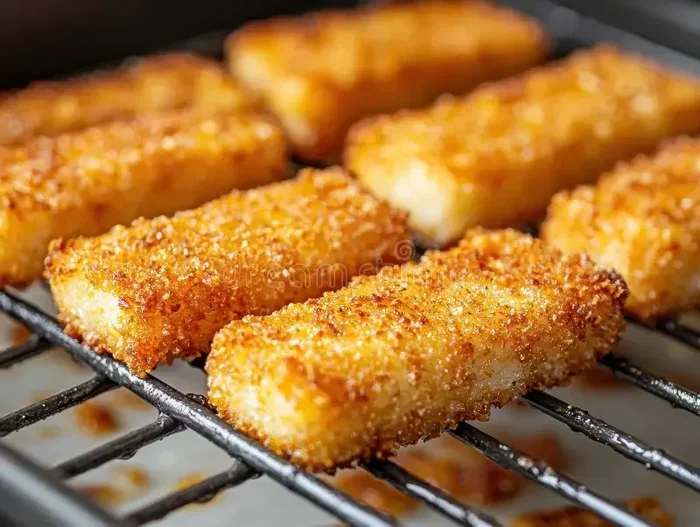
Want to know how to make fish sticks better? This guide covers everything from choosing the right fish to perfecting your breading and cooking method. You’ll learn simple tricks that transform ordinary fish sticks into crispy, flavorful bites the whole family will love.
Fish sticks are a classic. Almost everyone grew up eating them. But let us be honest. Most store-bought fish sticks are bland, soggy, and forgettable. The good news? Making fish sticks better is way easier than you think.
Whether you want crispy homemade fish sticks or just want to improve your frozen ones, this guide has you covered. We are going to walk through every step. From picking the right fish to nailing that perfect golden crust. By the end, you will never go back to basic fish sticks again.
Learning how to make fish sticks better is not just about cooking. It is about understanding what makes fish sticks work in the first place. Once you know the science behind the crunch and the flavor, you can experiment and make them your own. Let us dive in.
Key Takeaways
- Choose the right fish: Cod, pollock, and haddock make the best fish sticks for flavor and texture.
- Homemade beats store-bought: Making fish sticks at home gives you control over ingredients, freshness, and crunch.
- Breading matters: A double-dip breading method creates a thicker, crunchier coating that stays crispy longer.
- Cooking method changes everything: Baking, frying, and air frying each produce different textures and flavors.
- Pair with great dips: The right sauce elevates fish sticks from simple to spectacular.
- Avoid common mistakes: Overcrowding the pan and using wet fish are the top reasons fish sticks turn out soggy.
📑 Table of Contents
- Why Most Fish Sticks Fall Flat
- Choose the Right Fish
- The Breading That Makes the Difference
- Cooking Methods That Produce Perfect Results
- Dipping Sauces That Elevate Everything
- Common Mistakes That Ruin Fish Sticks
- Pairing Fish Sticks with the Right Sides
- How to Make Fish Sticks Better: A Quick Recap
- Final Thoughts on Making Fish Sticks Better
Why Most Fish Sticks Fall Flat
Before we fix the problem, we need to understand it. Most fish sticks you buy at the grocery store have a few things working against them. They use low-quality fish. They are loaded with preservatives. And the breading is thin and lifeless.
Frozen fish sticks sit in the freezer for weeks. By the time you cook them, they have lost most of their moisture and flavor. The breading becomes hard and cardboard-like instead of crispy and golden. It is not your fault. Most commercial fish sticks are just not built to impress.
When you learn how to make fish sticks better at home, you take back control. You choose the fish. You choose the breading. You choose the oil. Every decision affects the final result.
The Problem with Store-Bought
Let us be real for a second. Are fish sticks better than chicken nuggets? Some people say yes. But most store-bought versions of both are pretty mediocre. The fish in commercial fish sticks is often a mystery paste. It is pressed and formed and filled with fillers. You are not really eating fish. You are eating a processed product that happens to contain some fish.
That is not to say all store-bought fish sticks are bad. But if you want real fish stick flavor and a satisfying crunch, homemade is the way to go.
Choose the Right Fish
The foundation of great fish sticks is the fish itself. Not all fish are created equal when it comes to making fish sticks. Some hold their shape perfectly. Others fall apart the moment they hit hot oil. You need fish that is firm, mild, and flaky.
Here are the best fish options for fish sticks:
- Cod: The classic choice. Cod has a mild flavor and a firm texture that holds up beautifully in breading. It is the traditional fish used in most fish sticks.
- Pollock: Very similar to cod but slightly softer. Pollock is affordable and widely available. It is what many commercial fish sticks use.
- Haddock: A bit sweeter than cod. Haddock has a tender flake that melts in your mouth. It is a wonderful choice for homemade fish sticks.
- Tilapia: Budget-friendly and mild. Tilapia works well but can be a bit mushy if not handled correctly.
- Catfish: A southern favorite. Catfish has a distinct flavor and a firm texture that makes excellent fish sticks.
When picking your fish, always go for fresh if possible. If you must use frozen, make sure it is flash-frozen and has no added sauces or seasonings. Thaw it completely before patting it dry. Wet fish is the enemy of crispy fish sticks.
Remember, how to make fish sticks better starts long before you ever dip them in breading. It starts with the fish.
The Breading That Makes the Difference
This is where the magic happens. The breading is what separates an okay fish stick from an amazing one. A great breading adds crunch, flavor, and that satisfying golden look everyone loves.
Most people do a single dip. Flour, egg, breadcrumbs. Done. But that produces a thin coating that gets soggy fast. How to make fish sticks better means going deeper with your breading technique.
The Double-Dip Method
The secret to thick, crunchy fish stick breading is the double-dip method. Here is how it works:
- Dip the fish strip in flour. Shake off the excess.
- Dip it into beaten egg or buttermilk.
- Press it into breadcrumbs or seasoned flour.
- Repeat steps 2 and 3 for a second coating.
- Let the breaded fish rest for 10 minutes before cooking.
That extra layer of breading creates a thick, protective shell. It keeps the moisture inside and the crunch outside. The fish stays juicy while the outside turns perfectly golden.
Season Your Breading
Plain breadcrumbs are boring. Take your breading to the next level by adding seasoning. Here are some great options:
- Paprika for color and a smoky kick
- Garlic powder for savory depth
- Onion powder for a subtle sweetness
- Lemon zest for brightness
- A pinch of cayenne for heat
- Dried dill or parsley for a fresh herb flavor
Mix your seasonings into the breadcrumbs or flour before dipping. Every bite will have flavor. This alone will teach you how to make fish sticks better with almost zero extra effort.
Cooking Methods That Produce Perfect Results
How you cook your fish sticks matters just as much as the fish and breading. Different methods create different textures and flavors. Let us look at your options.
Deep Frying for Maximum Crunch
Deep frying is the old-school way. And it still produces the crispiest fish sticks you will ever eat. The key is the oil temperature. Heat your oil to 350°F (175°C). Too hot and the outside burns before the inside cooks. Too cool and the fish absorbs oil and turns greasy.
Fry each fish stick for 2 to 3 minutes. Do not crowd the pan. Overcrowding drops the oil temperature and causes the breading to steam instead of fry. That is the number one mistake people make when frying fish sticks.
If you want to try something different, a better fish to fry is one that has been properly breaded and brought to room temperature before cooking. Cold fish lowers the oil temperature and messes up the cook time.
Baking for a Healthier Option
Not everyone wants to deep fry. Baking is a great alternative that still produces crispy fish sticks. Here is how to do it right:
- Preheat your oven to 425°F (220°C).
- Line a baking sheet with parchment paper or a wire rack.
- Place the fish sticks on the rack so air circulates underneath.
- Lightly spray or brush the tops with oil.
- Bake for 12 to 15 minutes, flipping halfway through.
The wire rack is the secret. It lets hot air flow around the entire fish stick. The bottom gets just as crispy as the top. Without a rack, the bottom steams and turns soft.
Air Frying for Convenience
Air fryers have changed the game. They produce crispy fish sticks with little to no oil. Preheat your air fryer to 400°F (200°C). Cook for 8 to 10 minutes, flipping once halfway through. Air-fried fish sticks come out surprisingly close to deep-fried. They are lighter but still crunchy.
If you are exploring cooking methods, you might also wonder is it better to fish with or without a bobber in other contexts, but for fish sticks, the cooking tool matters more than the fishing tool!
Dipping Sauces That Elevate Everything
Let us talk about the unsung hero of fish sticks. The dipping sauce. A great sauce can take good fish sticks and make them incredible. A bad sauce can ruin even the best fish sticks. Choose wisely.
Here are some of the best dipping sauces for fish sticks:
- Classic tartar sauce: The traditional pairing. Tartar sauce adds a creamy, tangy contrast to the crispy fish.
- Honey mustard: Sweet and tangy. This combo works surprisingly well with fish sticks.
- Sriracha mayo: For those who like a little kick. Mix sriracha with mayo and a squeeze of lime.
- Lemon aioli: Garlicky, creamy, and bright. This is a grown-up sauce that pairs beautifully with fish.
- Melted butter with lemon: Simple but effective. A warm butter dip with fresh lemon juice is hard to beat.
Making your own dipping sauces is easy and takes just a few minutes. It is another way to control the quality of your meal and make your fish sticks truly special.
Common Mistakes That Ruin Fish Sticks
Even with the best recipe, small mistakes can ruin your fish sticks. Here are the most common ones and how to avoid them.
Using Wet Fish
Moisture is the enemy of crispy breading. If your fish is wet, the flour and breadcrumbs will not stick properly. They will slide off or turn soggy. Always pat your fish dry with paper towels before breading. And let it come to room temperature first.
Overcrowding the Pan
Whether you are frying or baking, giving your fish sticks space is essential. Overcrowding traps steam and prevents the breading from crisping up. Cook in batches if you need to. Your fish sticks will thank you.
Skipping the Rest Time
After breading, let your fish sticks rest for 10 minutes on a wire rack. This lets the coating set and adhere to the fish. If you cook them immediately, the breading slides off in the oil or oven. That rest time makes a huge difference.
Not Keeping Oil at the Right Temperature
If you are frying, use a thermometer. Oil that is too cool makes greasy fish sticks. Oil that is too hot burns the outside raw inside. 350°F is the sweet spot for frying fish sticks.
Learning what not to do is just as important as learning how to make fish sticks better. Avoid these mistakes and you are already ahead of most people.
Pairing Fish Sticks with the Right Sides
Fish sticks do not have to be a solo meal. The right sides can turn them into a complete, satisfying dinner. Here are some great pairings:
- French fries: The classic combo. Fish sticks and fries go together like peanut butter and jelly.
- Coleslaw: The crunch and freshness of coleslaw balances the richness of fried fish sticks perfectly.
- Tartar sauce and lemon wedges: Simple but always a crowd-pleaser.
- Baked beans: A comfort food pairing that many people forget about but absolutely love.
- Roasted vegetables: For a lighter meal. Roasted asparagus or broccoli adds a nice contrast.
If you are comparing options, are fish sticks better than chicken nuggets is a debate that has gone on for decades. The answer depends on what you value. Fish sticks tend to be lighter and have a different flavor profile. Chicken nuggets are richer and more savory. Both can be delicious when made well.
The beauty of homemade fish sticks is that you can pair them however you want. Get creative. Try new combinations. That is part of the fun.
How to Make Fish Sticks Better: A Quick Recap
Let us pull it all together. Here is your quick guide to leveling up your fish sticks:
- Pick a firm, fresh fish like cod, pollock, or haddock.
- Pat the fish dry and cut it into even strips.
- Use the double-dip breading method for maximum crunch.
- Season your breading with herbs, spices, and lemon zest.
- Cook using your preferred method at the right temperature.
- Rest the breaded fish before cooking for the best results.
- Serve with a great dipping sauce and fun sides.
That is really all there is to it. How to make fish sticks better comes down to a few simple changes. Better fish. Better breading. Better cooking. Better sauce. Each step adds something special to the final product.
Once you try homemade fish sticks, you will never look at the freezer aisle the same way again. The flavor, the crunch, the satisfaction. It is a completely different experience from anything you can buy in a box.
Final Thoughts on Making Fish Sticks Better
Fish sticks do not have to be boring or bland. With the right fish, the right breading, and the right cooking method, you can create fish sticks that rival any restaurant. The process is simple enough for beginners but rewarding enough for experienced cooks to experiment and fine-tune.
How to make fish sticks better is really about paying attention to the details. The small things matter. The rest time. The oil temperature. The seasoning in the breading. None of it is complicated. But all of it adds up to a dramatically better result.
Start with the tips in this guide. Make a batch this weekend. Taste the difference. And once you do, you will understand why homemade fish sticks are worth every minute of effort. Your taste buds will thank you.
Remember, the best fish stick is the one you make yourself. So grab some fresh fish, get your breading station ready, and start cooking. You are about to discover a whole new world of fish stick perfection.
Frequently Asked Questions
What is the best fish to use for homemade fish sticks?
Cod, pollock, and haddock are the best choices. They are firm, mild, and hold their shape well during cooking. Cod is the traditional favorite, but haddock offers a slightly sweeter flavor that many people prefer.
Can I bake fish sticks instead of frying them?
Absolutely. Baking is a healthier alternative that still produces crispy results. Use a wire rack on your baking sheet and bake at 425°F for about 12 to 15 minutes. Flipping them halfway through ensures even crispiness on all sides.
Why are my homemade fish sticks soggy?
Soggy fish sticks usually come from wet fish or overcrowded cooking. Always pat your fish dry before breading. When cooking, give each fish stick plenty of space so steam can escape. Also make sure your oil or oven is at the right temperature before adding the fish sticks.
How long can I store homemade fish sticks?
You can freeze cooked fish sticks for up to 3 months. Let them cool completely, then place them on a baking sheet to freeze individually before transferring to a freezer bag. When you are ready to eat, bake or air fry them straight from frozen for the best texture.
What dipping sauce pairs best with fish sticks?
Classic tartar sauce is the traditional pairing, but honey mustard and lemon aioli are also excellent choices. If you like a little heat, sriracha mayo is a fantastic option. The best sauce is whichever one you enjoy the most.
How do I make fish sticks crispier?
The double-dip breading method is the biggest game-changer for crispiness. Also, make sure your oil is at 350°F before frying, or use a wire rack when baking. Resting the breaded fish for 10 minutes before cooking helps the coating set and stay crisp longer.